 PEPI NIKOLOPOULOU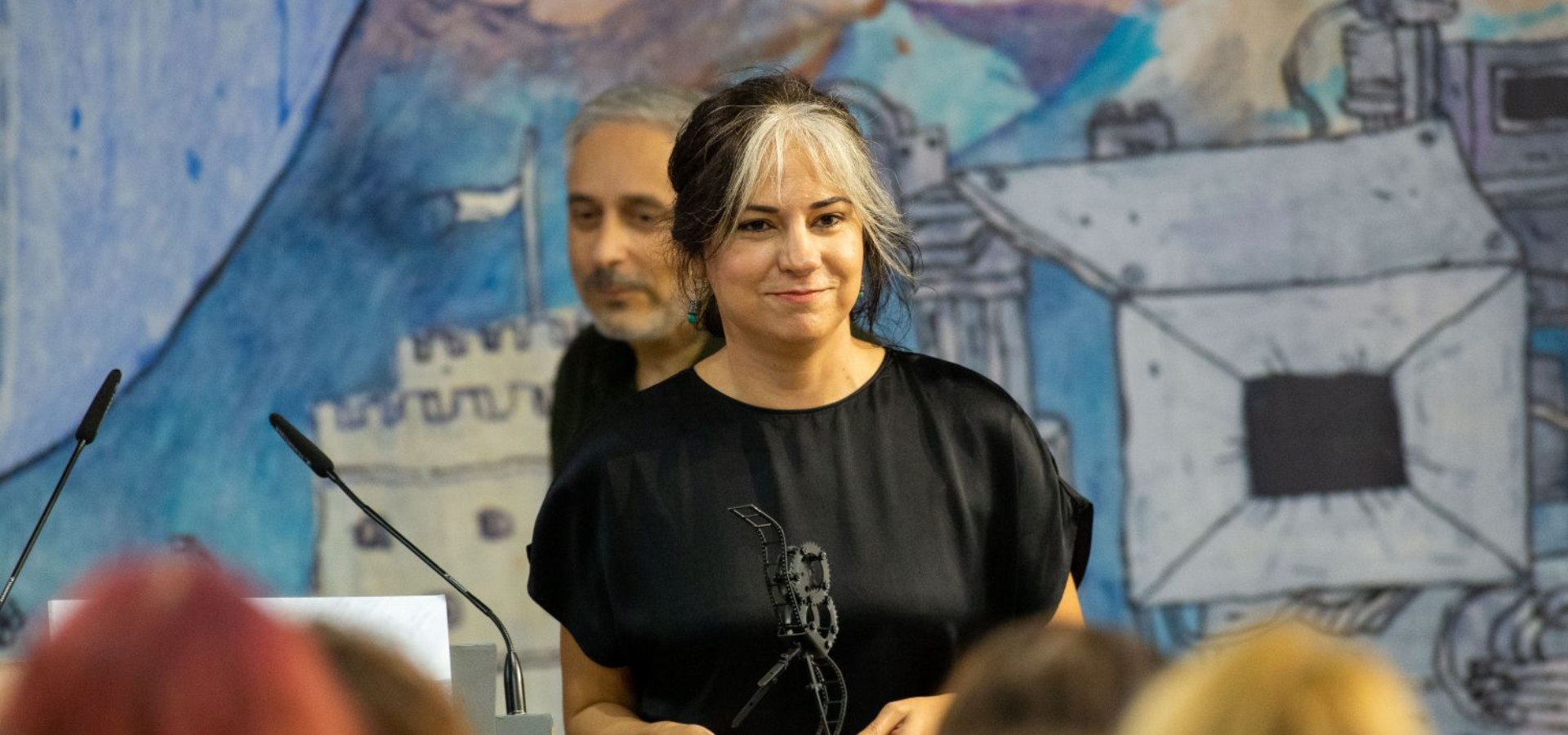
“I wanted the audience to be placed in the position of the observer – to realize the fear one can inflict simply by looking.”
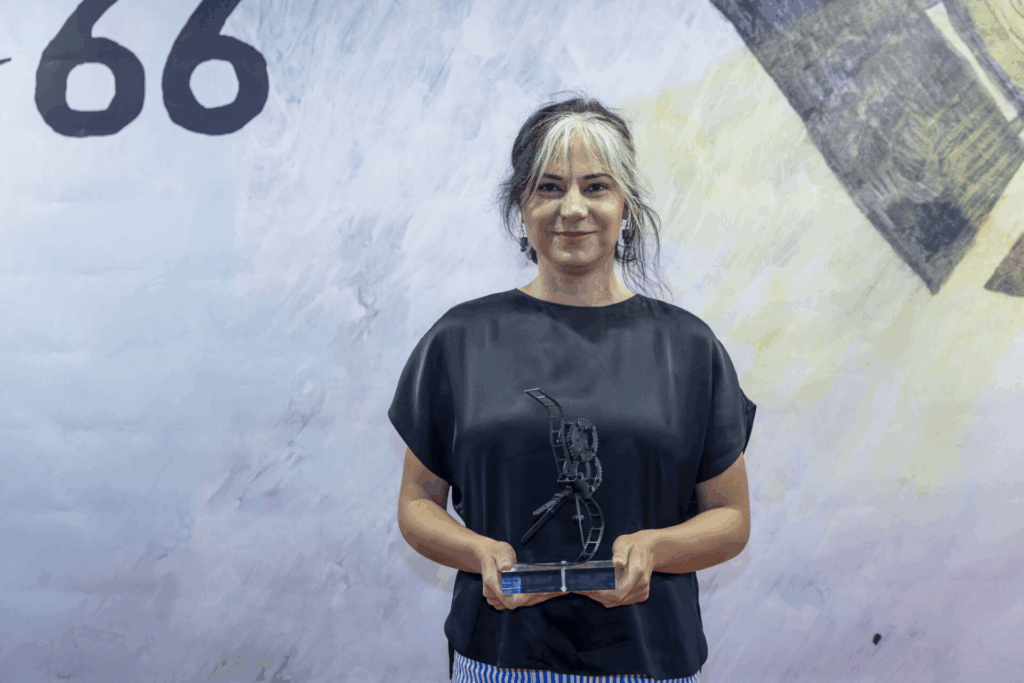
With her film 1001 Frames, Iranian-American filmmaker Mehrnoush Alia stood out at the 66th Thessaloniki International Film Festival, challenging the traditional cinematic gaze and confronting the mechanisms of patriarchal power, violence, and male surveillance, reaffirming the strength of cinema as both a political and artistic statement.
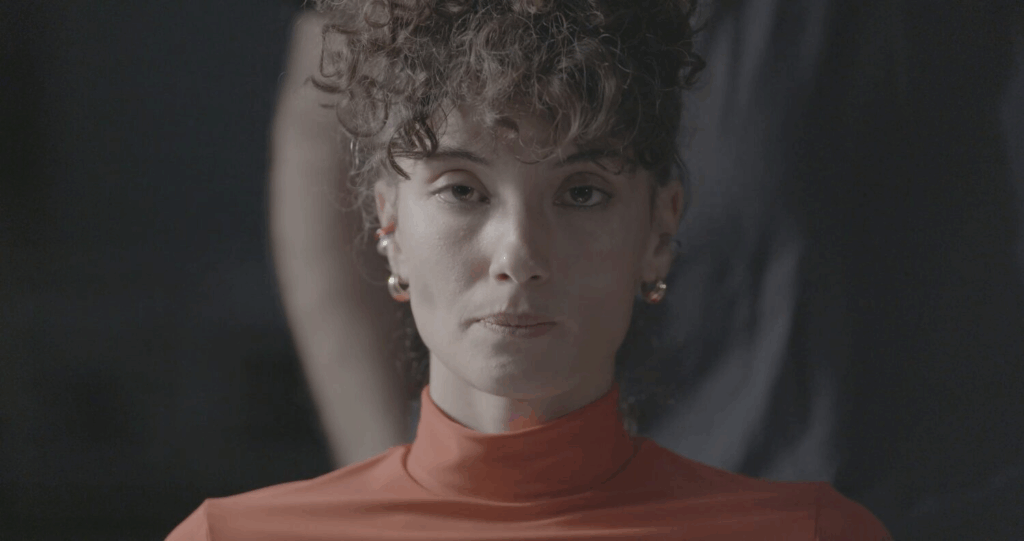
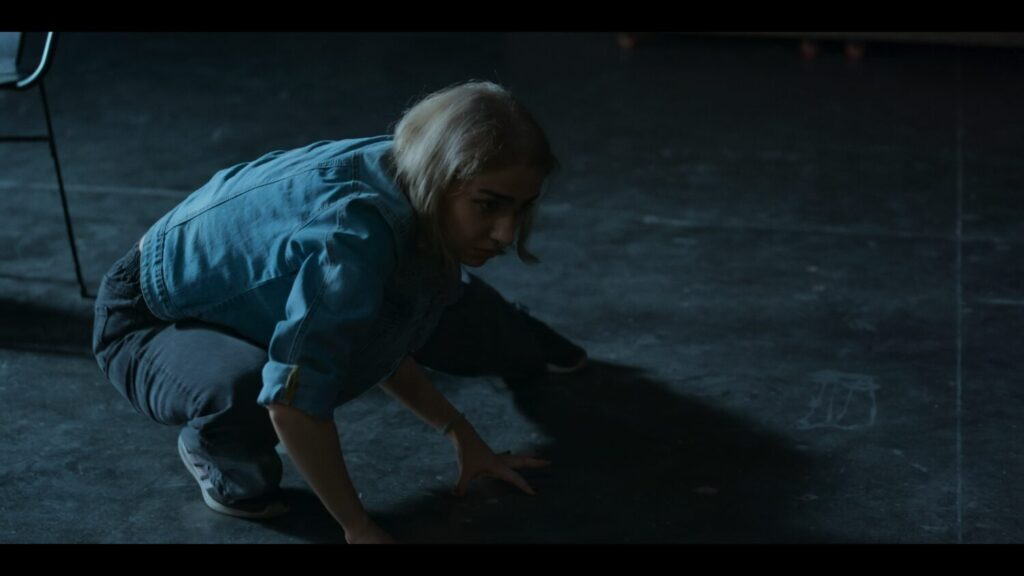
Shot secretly in Iran with a non-professional cast, the film begins as an audition for the role of Scheherazade in One Thousand and One Nights and gradually transforms into a chilling study of power, control, and the violence of the male gaze.
Through the invisible presence of a director who never appears on screen, Alia exposes the coercive structures that permeate both cinema and society, turning the audition room into a microcosm of systemic control. Yet her approach is anything but didactic, it is immediate, physical, and deeply experiential.
The challenge and intent of the film were to make the audience feel the weight of the male gaze without ever needing to show it in an overt or obvious way. The story is not about explicit objectification, but about something far more insidious the feeling of being watched, judged, controlled. The camera itself becomes an extension of that gaze, implicating the viewer in the same power dynamics the women in the audition room are forced to endure.
Cinematographically, the focus remains on extreme close-ups faces, expressions, micro-reactions that reveal discomfort, resistance, or forced submission. There is no distance, no relief. Everything feels confined, uneasy, suffocating. The tension lies not in what is seen but in what is implied — the gaze that precedes speech, the pause before an answer, the stiffness of a body.
In our conversation, Mehrnoush Alia speaks about political cinema as a way of existing in the world, about the tension between visibility and erasure, and about the responsibility of directing women within a story that exposes the very power structures it seeks to dismantle.
Political cinema is often treated as a genre, but in your case it feels like a way of existing in the world. What does it mean to you to make political films? Is it resistance, documentation, or a way of claiming space?
I don’t think if this film was made anywhere else it would be considered political. I made the short in the US and it never had that association. But when you’re from my part of the world, everything is political. And it is all the things you mentioned. By nature of making such films we are resisting by choosing such taboo subjects to talk about, we are documenting as these stories are not meant to be told and are preferred forgotten, and we are claiming space as we know if we do not, nothing will be left for us.
You grew up in an environment where the body, speech, and images are strictly controlled. How did this shape your artistic perspective? Was cinema ever a form of breathing, a way to stay alive?
That environment has shaped my artistic perspective by resisting any control. I am so sensitive to any form of control that I think it shows in any corner of my work. And the control is not only political, the sad part is that it becomes very personal, it finds its way to the most private spaces like the family structure. Everyone allows themselves to try to control you. A lot of my work is a reaction to that control and a fight to not accept it and break free of it.
In 1001 Frames, we see women struggling to preserve their dignity within a system that tries to contain them. Do you feel that the film reflects your own experience? How personal is this work for you?
I luckily didn’t have a traumatic experience like what I explore in the film, but what is very personal and one of the reasons the film was made in this way is a fight against that male gaze. I filmed the entire film through the audition camera point of view, and I wanted to reflect on the scariness of such situations. I find being watched very frightening, and I think that fear is rooted in my experience as a woman walking down the street and noticing the men watching me, the way they feel entitled to scan a woman from top to toe, I found those moments very frightening. Also, of course I have been in many situations that the men’s way of talking has made me super uncomfortable and I didn’t know how to get out of it. So, the film is a response to that. But the specific situations of the film and the character are based on research and characters I came across.
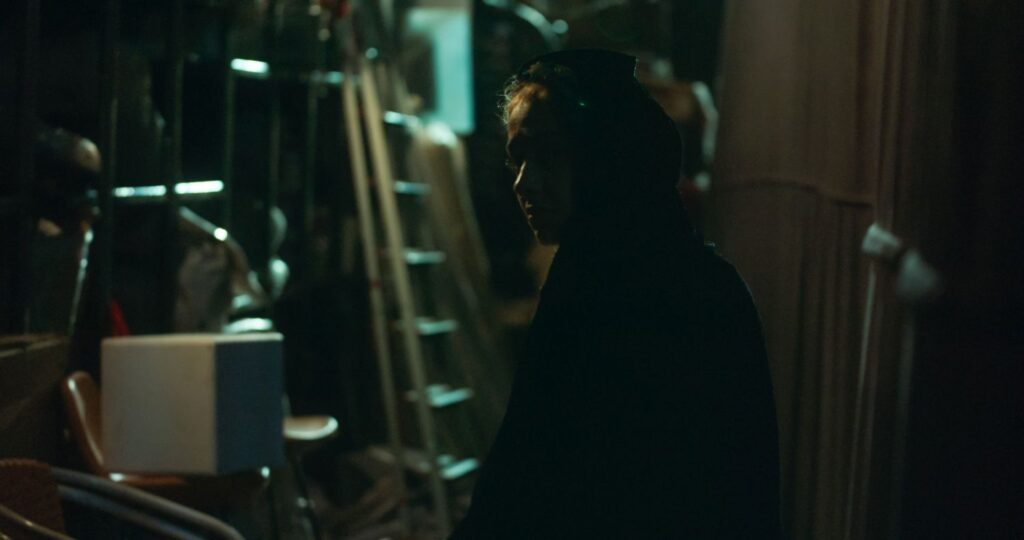
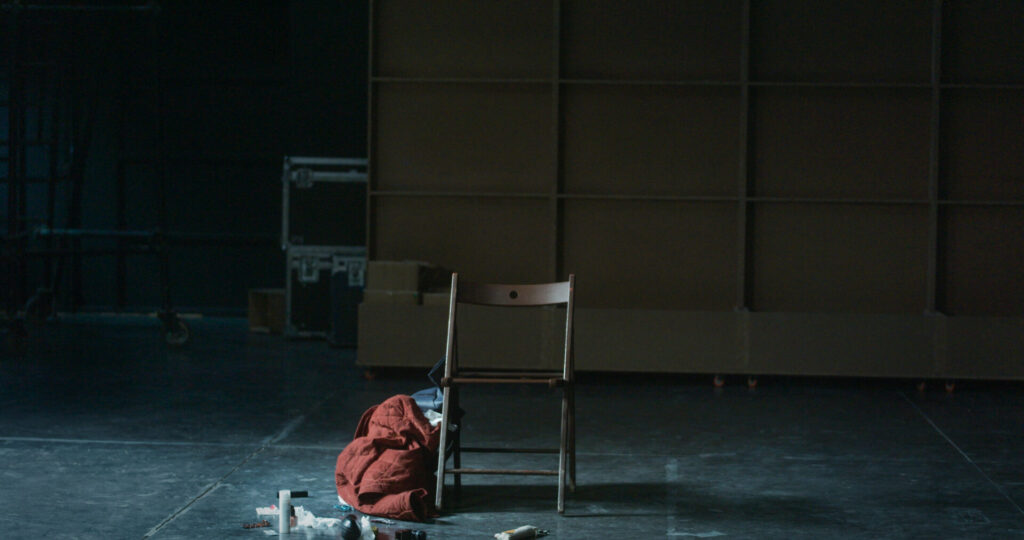
The film was made without official permission. How did the sense of risk shape the creative process and the atmosphere on set?
During the filming we were not under a lot of pressure as the film was all interior and we felt safe and not really worried. However, as we knew that we could get into trouble with it, we had to keep reminding everyone involved that we cannot talk about the making of it with our loved ones just so the story does not spread. Also, in choosing who we work with, we had to be super careful. We only considered people we knew well. I’m sure there were a ton of other talented actors or crew that we could get involved, but we wanted to play it safe and only went with friends.
The director in the film is never seen, yet his presence is constantly felt as a form of authority. How did you work with this absence? What is the relationship, for you, between the one who watches and the one who is exposed to the gaze?
Not seeing him was an early decision about the film, I had done the same with the short film and I knew how powerful that can become. It makes him scarier than putting a face to him and also it makes him bigger than one character, because the issue is not about one person, but rather a system that allows such situations to take place and repeat themselves. Also not seeing him puts all the focus on the women. The story is really about them, but because we watch it through his point of view he has the constant presence, so by taking away his image, the focus becomes about the women and their reactions. We are not allowed to take our eyes off of them and we notice the discomfort that they feel. The audience is forced into the place of the one who gazes and it is my hope that they feel the scare they can create on the one who is the subject of the gaze.
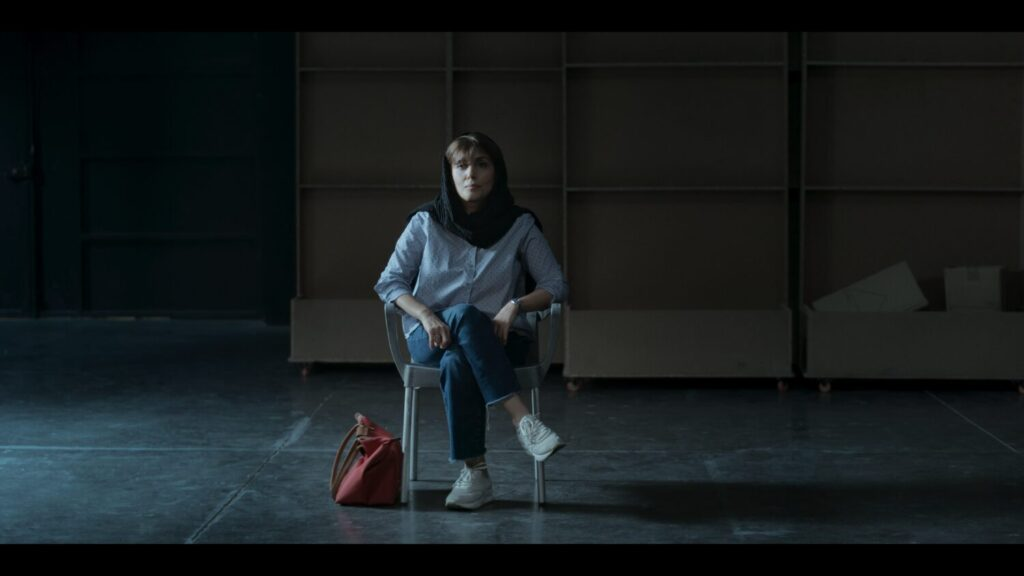
Most of the women in the film are not professional actors. How did you ensure that they were emotionally protected throughout the process? How did you avoid reproducing the same forms of violence the film seeks to reveal?
Actually, all of the women are actors, it is only that the younger ones did not have as much of a chance to be in a film as they are young. The older actors are all close friends of ours, and most of the young ones all studied with Mohammad, the director behind the camera. It was important for me to make this film with friends, and people who knew us intimately and trusted us. Since Mohammad has worked with them for many years, they all trust him. Actually, they have become family friends and we hang out on social settings all the time. I wrote the parts for some of them specifically knowing how they are in real life and how they act. To protect the actresses from a traumatic experience, I talked to them a lot beforehand during the casting process and asked them if they had similar experiences. They were some amazing actors that I wanted to work with but because they had traumatic experiences, I did not cast them. It was important for me that I do not put anyone in a situation that might remind them of a trauma.