
 Deana Kartsagouli
Michelin starred chef Alexandros Tsiotinis speaks about the urban, self service, fast food destination he co-created with his team at CTC and partners Kostas Baroutis and Christos Rigas, “Ortsag” that is inspired by sustainability -and no, it is not vegan
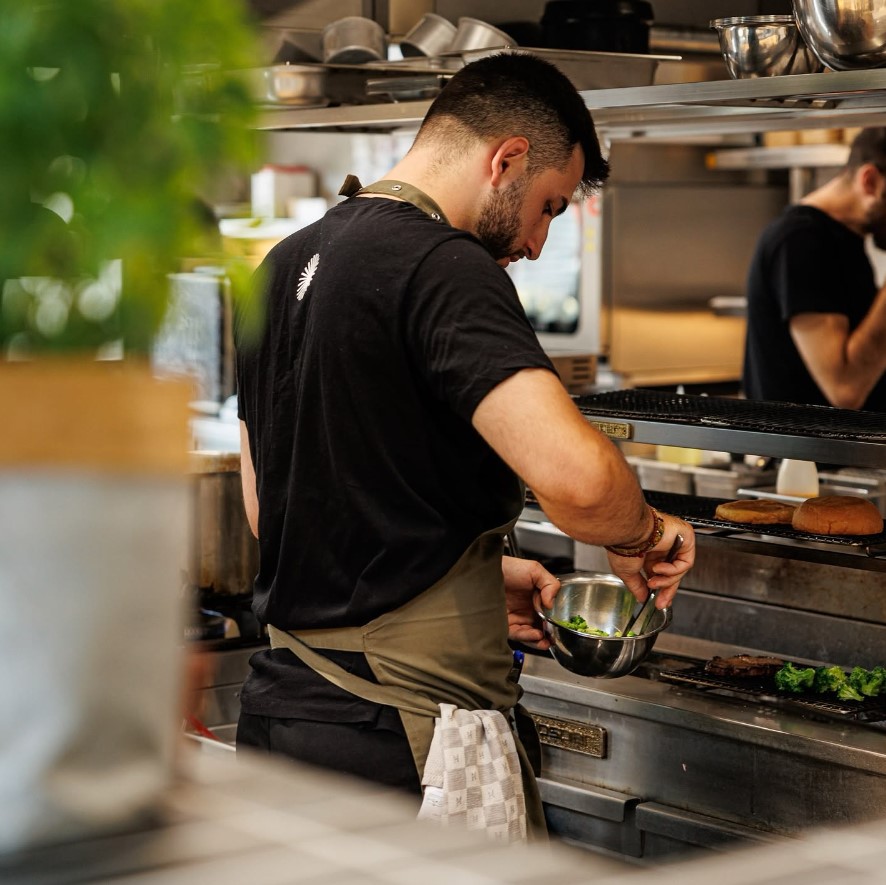
Leave it to chef Alexandros Tsiotinis to make sustainability fun. The owner and founder of CTC Urban Gastronomy, along with his ‘partners in crime’ in the kitchen, Panos and Kostis Kremmidas, and new blood Kostas Baroutis and Christos Rigas, have come up with a very creative solution to the restaurant’s waste problem: the creation of a street food stall, just across the road, where discarded ingredients and leftovers from the menu can take on a new, flavourful form.
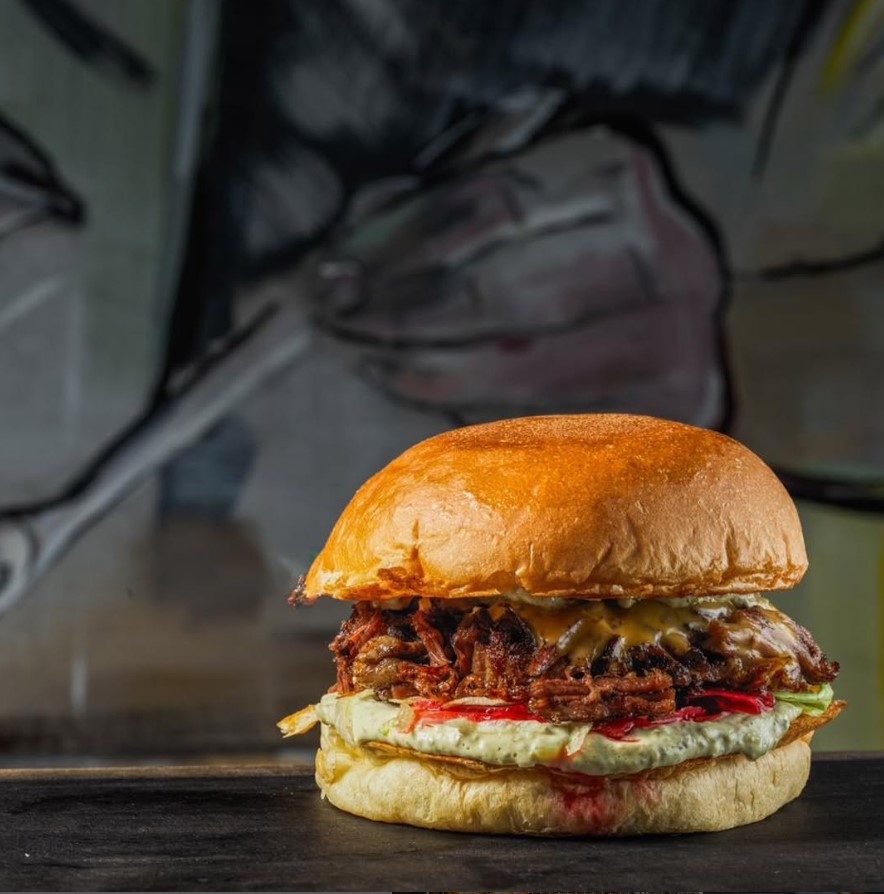
The name of this new endeavour is “Ortsag” and along with its sustainable menu, it also offers one with signature burgers with choices that range from the most conventional beef burger to the one with falafel, chicken and fish and the even more surprising like the “Kontosouvli” and beef “glykadia” (sweetbread) burgers.
Of course the atmosphere and the design of the place is simple, industrial, where one can just grab a burger on the go during the day or chill with friends before or after a night out.
Calamari hot dogs and lime purée
“The idea behind Ortsag,” explains the acclaimed chef, “is based on a signature dish that we serve at CTC. It consists of calamari tagliatelle cooked in tomato sauce and the ingredients for the pesto sauce. Believe it or not, this particular dish leaves us with 120kg of unused calamari every week. And we’re not even talking about the inedible parts, the skin, the sac, etc., but the legs, for example, which are considered a delicacy by most of us – at least that’s the part I usually fight over when I eat fried calamari in a taverna. So we take what is left of the calamari, we put it through the mincer and we make hot dogs. We serve them with a baked lime puree, cucumber kimchi and a salad of home-fermented cabbage”.
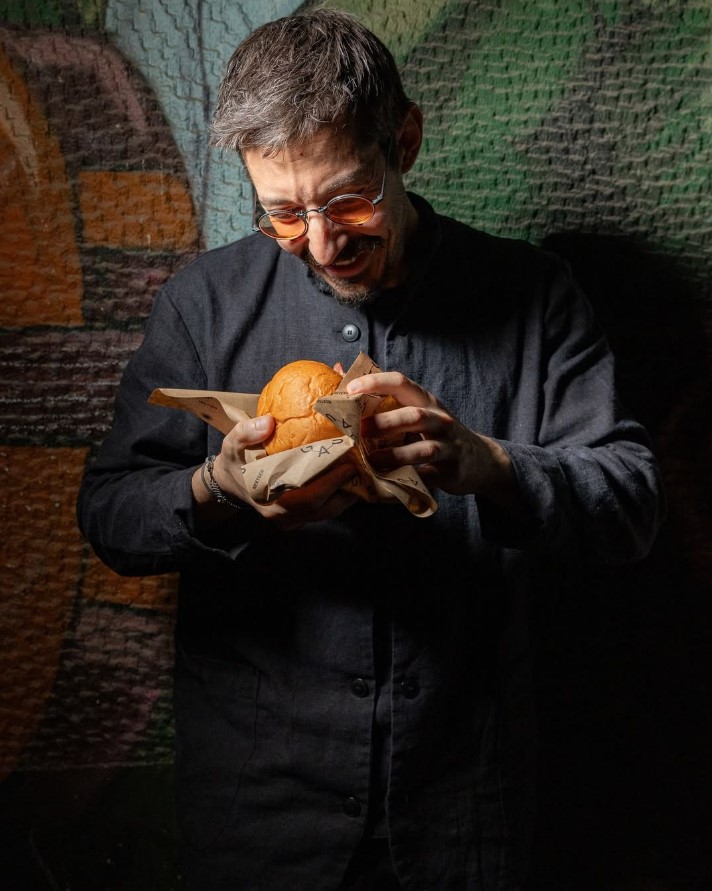
A very interesting and not very common item in most fast-food restaurants, I note, especially the baked lime puree, which I’ve never heard of before. “This is the sustainable menu and we have to be creative to use as many leftovers as possible,” explains Tsiotinis.
“At CTC we buy limes and use only the zest. It’s a shame that we can’t do something else with them. Another item on the sustainable menu is arancini, which we make from CTC’s parmesan risotto, a dish that is very expensive to make because we cook the rice in the water from the parmesan and then serve it with wild mushrooms. Whatever is left over we make into arancini for the “Ortsag”.
Is the calamari hot dog your best seller, I ask. “From the sustainable menu, yes,” he replies, “but overall our Double Smash Burger (two patties of 100% Black Angus beef with cheddar cheese, bacon, iceberg lettuce, caramelised onions and mayo) is the absolute favourite. We are now in the process of changing our menus at both CTC and Ortsag to reflect the seasonality. Mushrooms are in season now, so we will add one or two dishes. Later we will add chestnuts, apples, pears, depending on what nature gives us. Our menus are constantly evolving throughout the year”.
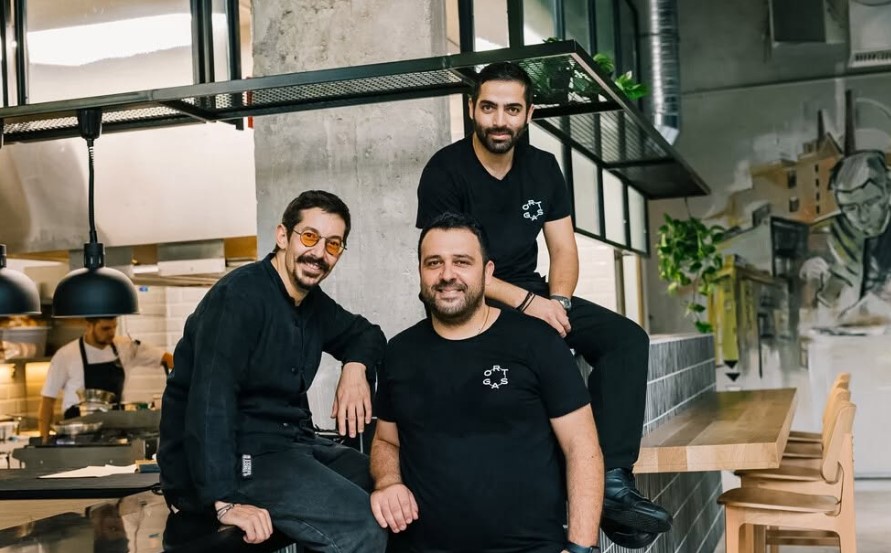
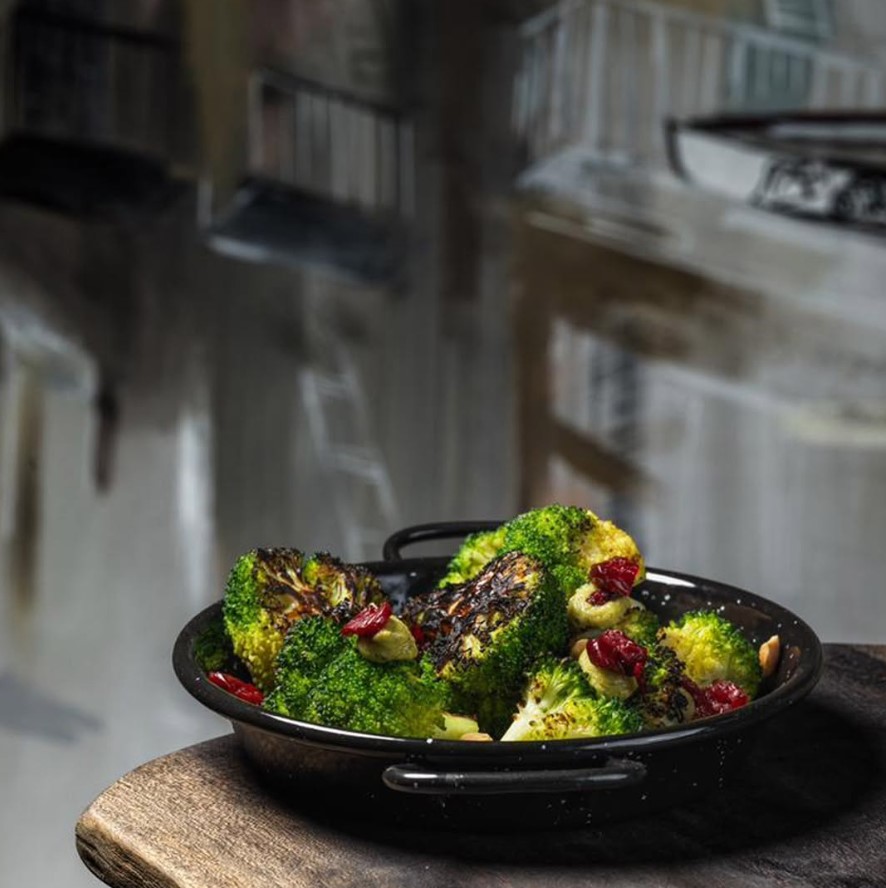
I think this is all the more true of Ortsag’s sustainable menu, as it depends on what CTC gives it each time and therefore has to adapt frequently. Something that takes some getting used to.
“We are still on the threshold of people really understanding the logic behind all this and not thinking that we are serving them rubbish. Greece is a country that is still developing in terms of culinary culture, even though we have very good quality food. A lot of great fast-food places have opened in recent years, as well as middle-class restaurants, which is very important to me because that is where people are educated in terms of gastronomy. In my childhood we had very good taverns. At some point they were replaced by the phenomenon of the “neotaverna”, which was based more on impression tactics rather than really focusing on the quality and authenticity of the food. This transition, in my opinion, destroyed the quality of Greek cuisine for many years, because it is in these restaurants that people are trained in high gastronomy. A child is not going to go and eat at Delta right away. First they will learn to eat at Pharaoh’s.
Ortsag vs Gastro
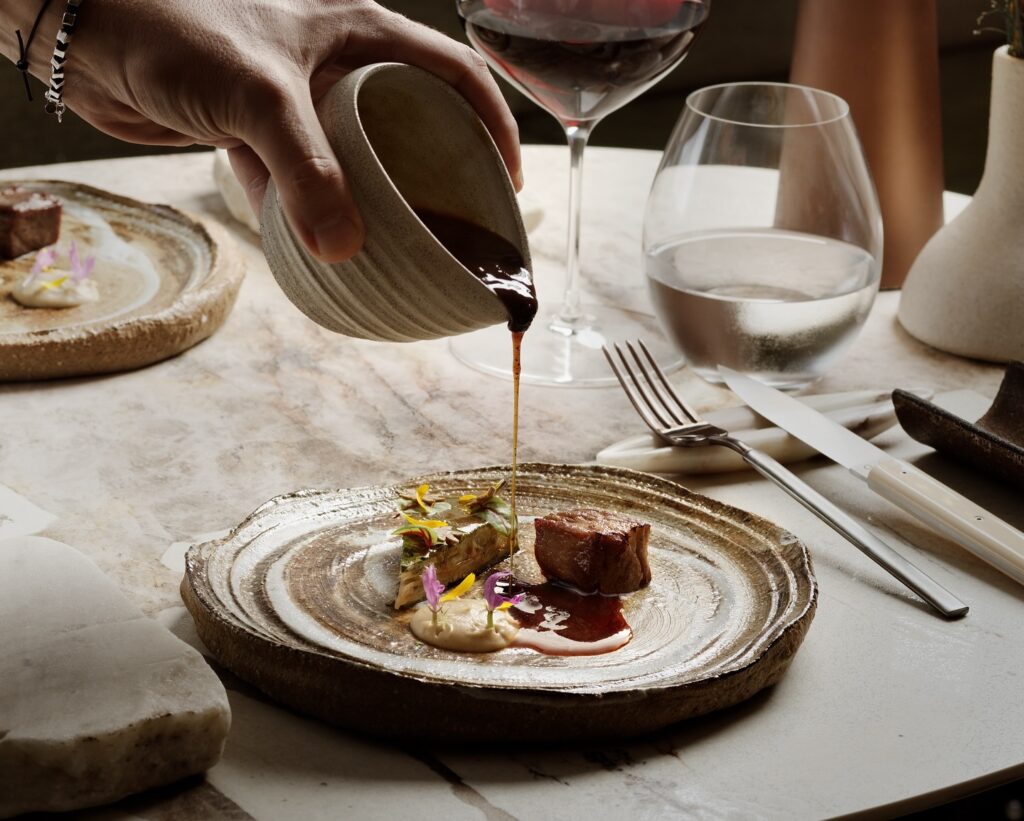
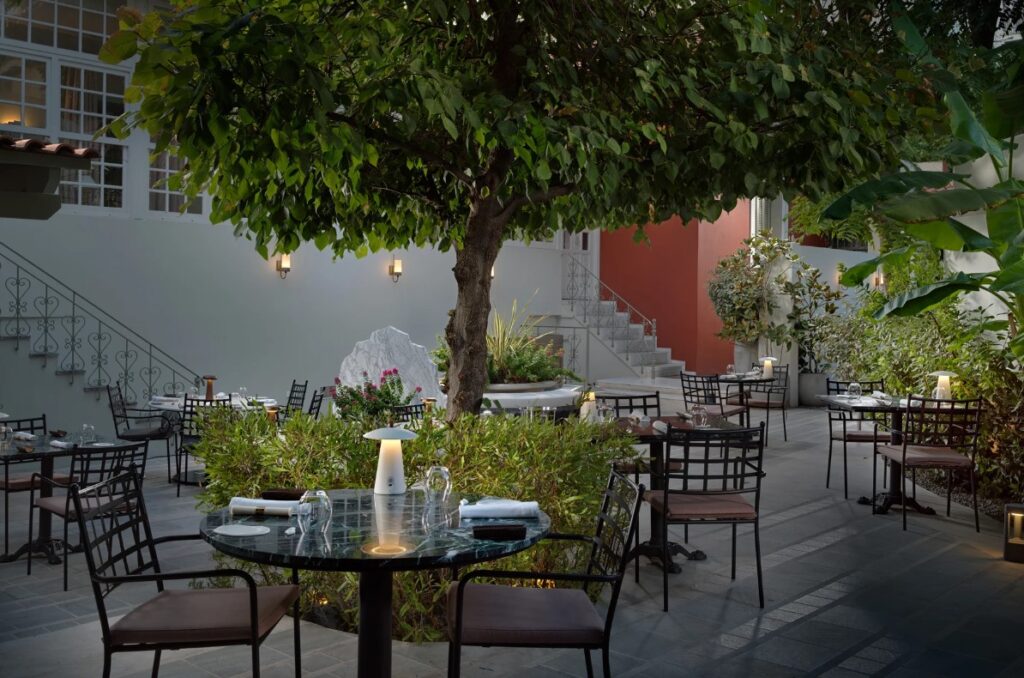
It may not be obvious to most, but the name ‘Ortsag‘ is ‘gastro’ spelt backwards and, according to Chef Tsiotinis, it perfectly describes the team’s philosophy behind creating the restaurant: “We wanted to express our attitude to the other side of high gastronomy. Yes, we respect our customers, we serve them only good quality food made with high technique, but at the same time we are a self-service, relaxed place in Keramikos, a working class neighbourhood. CTC on the other hand is a 3-4 hour experience where people come to really enjoy cooking at its finest. At the heart of both is the respect we show our customers”.

It’s been exactly one year since Ortsag opened, and soon CTC will be 10 years old. In that time, Alexandros Tsiotinis has gone from being a young, talented, promising chef who was the talk of the town, not only when he opened his own place but also when he won the 2015 Pellegrino Young Chef of the Year in the Mediterranean category, to a seasoned professional with a Michelin star. When I ask him if he feels any pressure to maintain his status, he replies emphatically yes, but with a caveat: “Although I do not consider gastronomy to be an art form, but rather a craft, chefs share many characteristics with artists and they feed off applause. But we cook first for our customers and then for stars and accolades. It is one thing to cook for people and win awards, and another to cook for the awards.