 elc team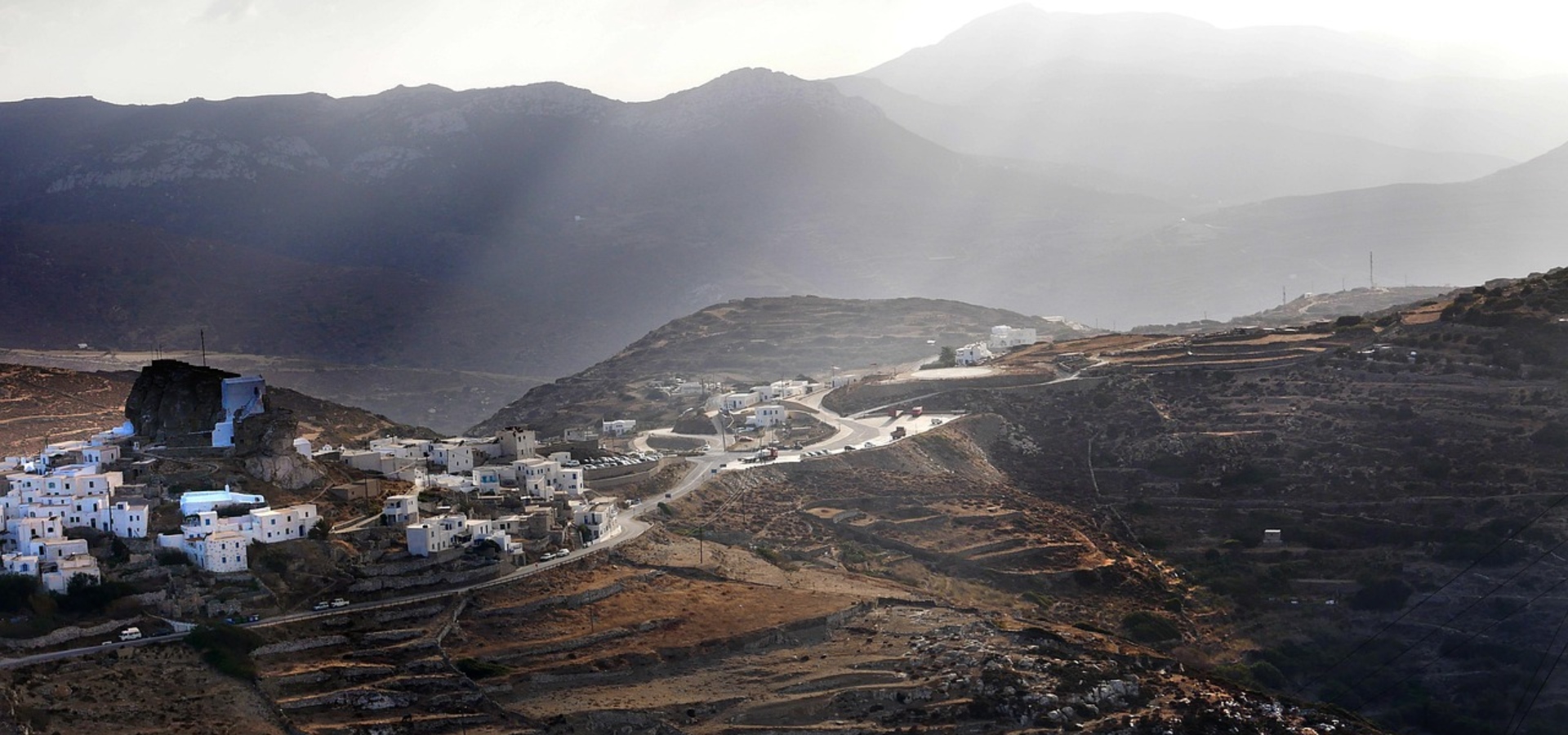
By Sofia Triantou
Amorgos is an island where tradition, herbs, and gastronomy come together at the same table, offering flavors deeply rooted in the land and the lives of its people. Every ingredient in the local cuisine tells a story of connection with the earth, while the sum of these elements forms a culinary heritage passed down through generations.
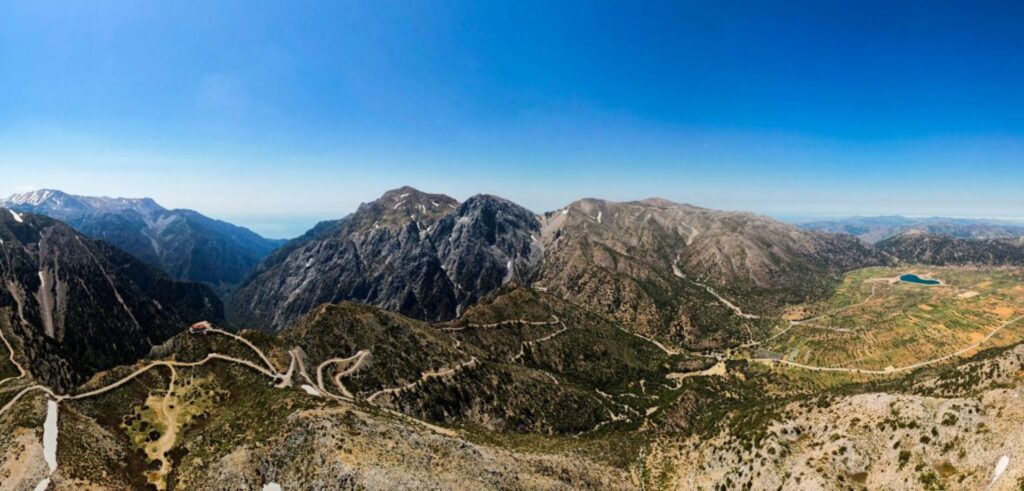
As the easternmost island of the Cyclades, Amorgos has been inhabited since the Neolithic era and was a major center of the Early Cycladic civilization. The 11th-century Monastery of Panagia Hozoviotissa stands as the island’s emblem. Despite the challenges of time, Amorgos keeps its traditions, its sense of community, and its awe-inspiring way of life alive, one closely tied to nature and faith, two values often questioned in today’s world.
At the root of Amorgos’s culinary identity is its unique variety of fava, made from the local legume “Katsouni.” Here, fava is known as “Fava Pantremeni” (literally, “Married Fava”), served with onion, capers, olive oil, and lemon. Its velvety texture remains a delicious secret that’s rarely revealed. The same fava is also used to make favokeftedes – crispy fava patties infused with fragrant fennel, creating a uniquely aromatic experience.
But Amorgian cuisine extends beyond fava. Patatato, a dish of slow-cooked goat or lamb with potatoes in a spiced red sauce flavored with cinnamon and clove, is a staple of festivals and weddings, a soulful expression of the island itself. Equally iconic is xidato, a fiery soup made with offal and vinegar, traditionally served after long nights of celebration.
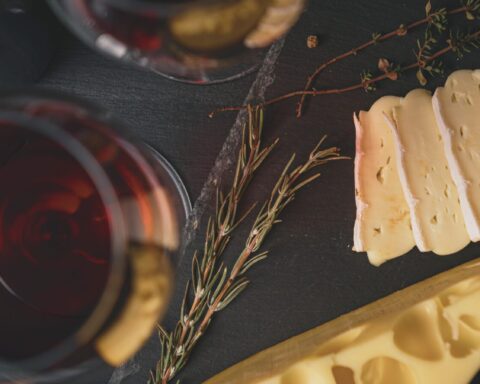
Traditional meze dishes enrich the island’s tables: cheese pies made with local varieties like xinomyzithra and kopanisti, alongside fried zucchini and eggplant salad, all generously seasoned with Amorgos’s beloved herbs. It’s the kind of meal that evokes a quintessential Greek image.
No meal is complete without dessert. Xerotigana – fried pastries drizzled with honey, sesame, and cinnamon, transport the palate to a different time. Meanwhile, the local version of pasteli (sesame and honey bar) is softer here, with a subtle note of cumin that leaves a pleasantly bitter aftertaste admired by many.
But Amorgos is not only about flavor, it’s a botanical paradise. Thanks to its unique microclimate and geological variety, the island is home to over 600 species of herbs and aromatic plants, 40 of which are endemic. These plants are rich in essential oils and phenolic compounds, making them valuable both in nutrition and traditional medicine.
One of the most distinctive and rare plants of Amorgos is Helichrysum amorginum, which grows near the Hozoviotissa Monastery. This endemic species is known for its powerful anti-inflammatory and soothing properties and is currently under scientific study for its medicinal potential.
Another important plant is Artemisia arborescens, also known as Amorgian wormwood. Traditionally used in local folk medicine to relieve symptoms related to diabetes, allergies, and intestinal parasites, it is now being researched for its benefits, particularly as an essential oil or as a salve made from its leaves.

Scientific research into these plants supports the preservation and sustainable use of Amorgos’s natural heritage, promoting biodiversity and environmentally respectful development on the island.
During Easter, Amorgos transforms through rituals that reflect the locals’ deep connection with nature. On Good Friday, the village streets are lined with fresh sprigs of aromatic herbs like rosemary and alesfakia (a type of sage), collected at dawn and laid along the pathways, creating a fragrant natural carpet for the procession of the Epitaphios. The scent fills the air with a profound sense of renewal, and the locals take part in the procession with reverence, keeping ancient traditions alive.
The 15th of August, the great feast of the Virgin Mary, is another major celebration on the island. Villages fill with faithful and visitors who gather at churches and chapels. Homes and streets are adorned with wildflowers and herbs harvested from Amorgos’s landscape, infusing the air with vibrant colors and natural scents. The celebration includes traditional songs, dancing, and local delicacies, binding faith with the island’s cultural identity.
As night falls and the lights turn on in small homes and tavernas, the island comes alive at a slow, peaceful rhythm. Locals gather to share food, stories, and moments of joy. Festivals and village feasts are central to Amorgos’s community life, they’re an opportunity for everyone to connect, uphold customs, and pass down tradition to visitors and younger generations.
Amorgos reminds us of the simple joys hidden in Greek tradition and the warmth that comes from human connection.