 Deana Kartsagouli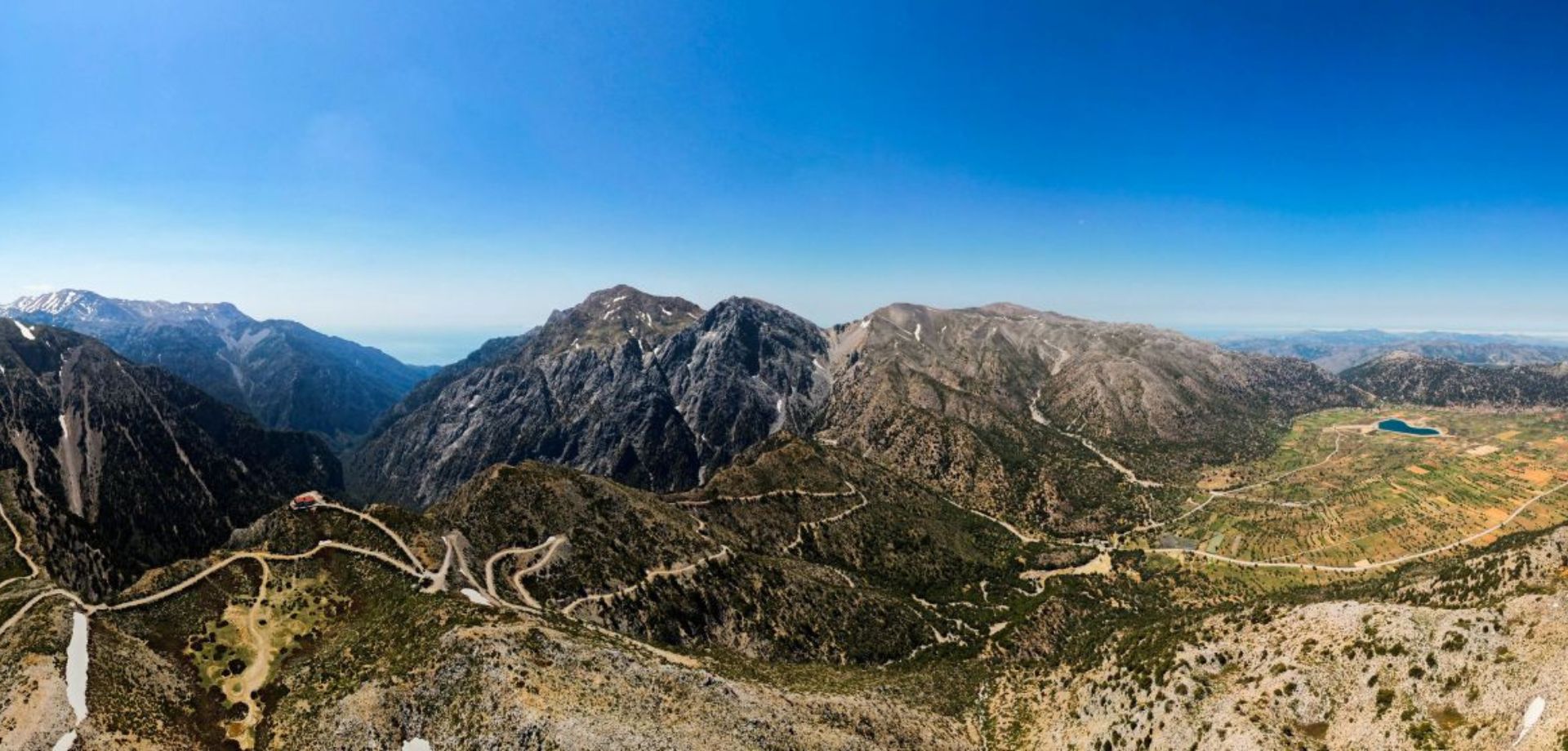
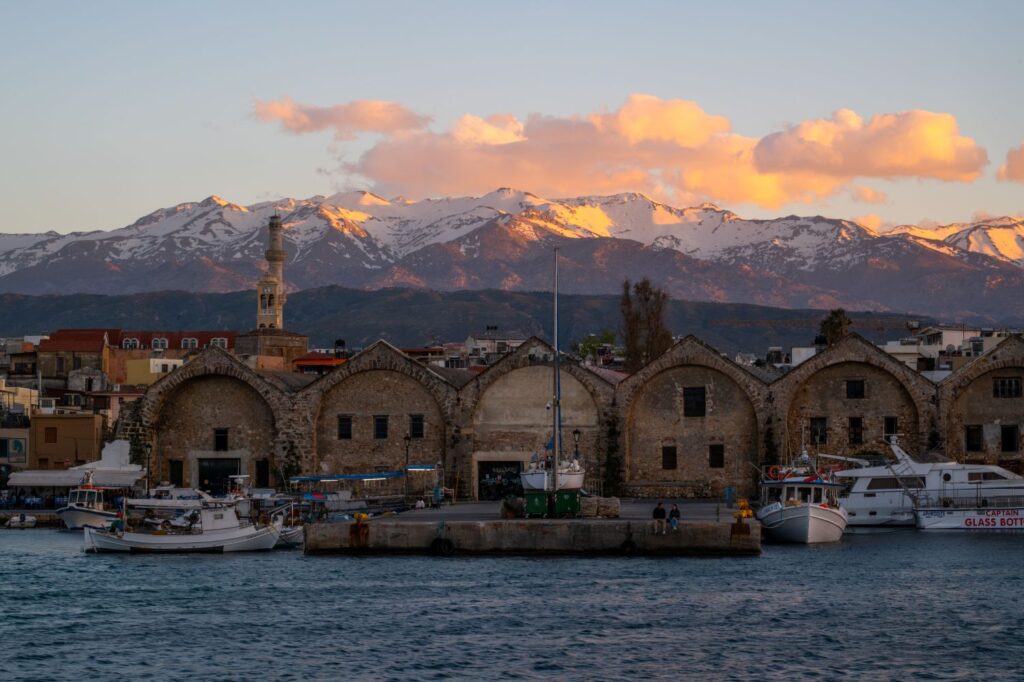
Born on the slopes of the White Mountains, the rizitiko song embodies the Cretan spirit like few others. It was created to accompany battle, joy, mourning, love -and today, tradition and historical continuity. Without musical instruments, relying solely on the human voice, rizitiko songs were passed down orally, refined through time, and preserved from generation to generation. In 2023, they were recognized by UNESCO as part of Greece’s Intangible Cultural Heritage.
If the White Mountains had a sound, it would undoubtedly echo the melody of a rizitiko. With the grandeur, gravity, and austerity of its Doric character, it would recount the feats of Digenis Akritas, describe the battles of Crete, the marches of the rebels, and the stories that circulated through the villages without ever being written down. Yet they survived, kept alive through oral tradition. Each voice added something new, altered a few words, made the stories their own, shaping them into their final form.
As Eftychis Kopasakis, president of the Federation of Rizitiko Song Associations, explains:
“Rizitika are folk poetry created by anonymous composers, polished over time. Time shapes the rizitiko. Any attempt to write a new one must pass through the voices of many singers. Elements will be added and removed, and what survives -in thirty, forty, fifty years- will be something else.”
In 2023, thanks to the efforts of the Federation based in Chania, rizitiko was officially inscribed by UNESCO as part of Greece’s Intangible Cultural Heritage.
Guardians of tradition
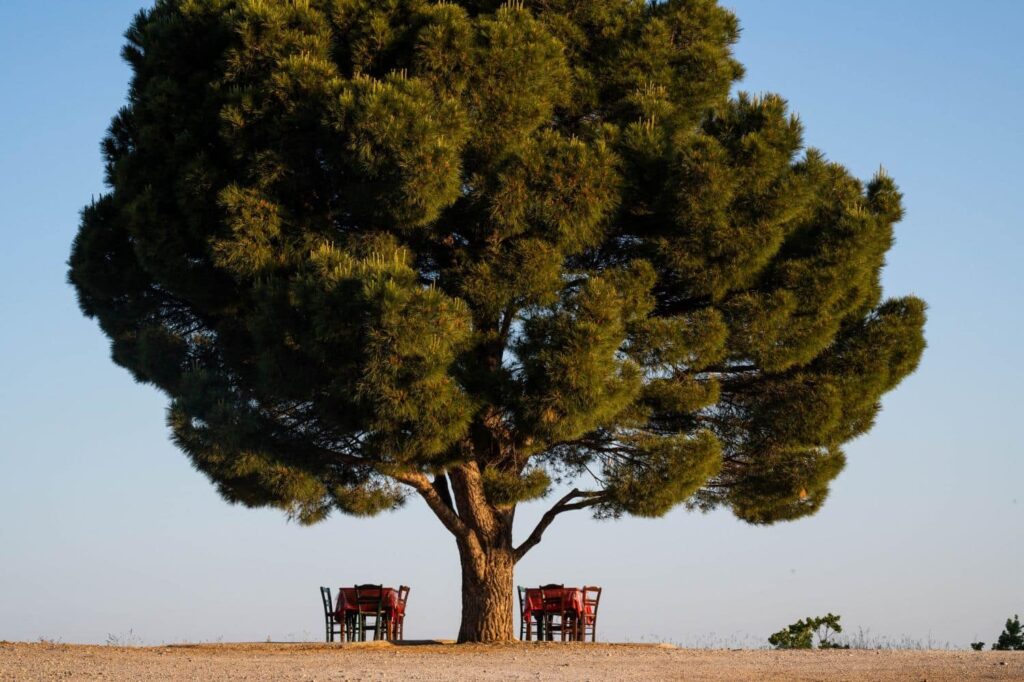
Today, about 30 active groups and associations make up the Federation of Rizitiko Song Associations. It was formed to preserve the song’s core rules and to prevent its mass commodification or distortion through pseudo-renditions using musical instruments. These groups gather around a table and sing the preserved songs just as they learned them. Around 700 songs have survived, and very few new ones are added.
“It’s not easy to create rizitika,” explains Mr. Kopasakis. “The last ones were composed during World War II, in the Battle of Crete, and later, during the tragedy of Cyprus. That’s because the conditions that birthed them no longer exist. Also, the fast pace of life today, the constant change in events and topics, doesn’t allow someone to dwell on a moment or emotion long enough for lyrics to emerge.”
A ‘Folk’ song without instruments
Rizitika belong to the category of traditional Greek folk songs but differ from those of the rest of the country in one fundamental way: they are not accompanied by musical instruments. They rely solely on the human voice.
“Their music lies in their melody,” says Mr. Kopasakis. “There are 35 known surviving melodies.” The songs are strictly classified into those of the tablás (table), sung during feasts, and those of the stráta (road), sung while walking. Their language, Cretan, with Venetian influences and a few Ottoman words, reveals the era in which each song was born.
Much like ecclesiastical hymns, indeed, rizitika often resemble Byzantine church chants, they follow strict rules. Their rigid monophony allows no improvisation. No changes in structure or melody are permitted.
Their themes are diverse, yet because they stem from Doric paeans, they are primarily heroic and warlike. Love songs exist, but they are fewer in number.
Traditionally, and historically, they were sung by men, often on the battlefield. “There were rizitika sung by women,” notes Mr. Kopasakis, “but they were different from those sung by men. In the past, tables in Crete were never mixed. Women sat separately and sang their own songs, few of which survived. Also, as in ancient Greek drama, where men played female roles, some rizitika written from a woman’s perspective were performed by men.”
As Crete evolves and voices grow fewer, as long as there are those who love and honor it, the rizitiko will continue to claim its place where it was born: in courtyards, around the table with friends, at the “roots” of the White Mountains.