 elc team
For sixteen consecutive years, the international contemporary dance festival Dance Days Chania has transformed the city of Chania into a vibrant meeting point for artists, audiences, and communities. From July 20 to August 2, 2026, theatres, cultural venues, and public spaces across the city will host an ambitious programme of performances, workshops, screenings, site-specific projects, and educational initiatives that place the human body and its capacity for resilience at the centre of artistic exploration.
This year’s edition focuses on the emotional and creative resources that allow us to navigate today’s world: to create, move, connect, evolve, and imagine new possibilities. Through works by internationally acclaimed choreographers and emerging creators, Dance Days Chania invites audiences to reflect on contemporary social realities while experiencing dance as a tool for dialogue, empathy, and collective transformation.
The 2026 programme includes 15 stage performances, 2 free public-space productions,12 workshops and masterclasses, 4 works-in-progress presented through the new Open Studio platform, dance film screenings, animation screenings in collaboration with Chaniartoon, and community-driven projects developed throughout the year.
Urban / Social Mappings – Collective Choreographies
Public space is an integral part of everyday life and constitutes both an intangible and physical form of democratic public art. It is the setting in which all expressions of human movement unfold, creating a constantly evolving field of interaction and transition.
With the aim of deepening the relationship between artistic creation and public space, while fostering community engagement, awareness and participation in contemporary dance, the festival presents works that invite audiences into both personal reflection and collective dialogue through movement. NEST, by choreographer Marie Gyselbrecht (RED SQUID), is a powerful and uncompromising work that addresses homelessness, police violence, migration and the endless search for the basic rights often taken for granted. Meanwhile, Blindly, by the company ELELEI, draws inspiration from a familiar gesture of play and, with both humour and insight, asks what lies hidden within ourselves and behind the faces of those around us. Complementing these works, the highly experienced performer and improvisation teacher Peter Jasko will create improvised choreographic encounters in public space, responding in real time to audience interactions and the surrounding architecture.
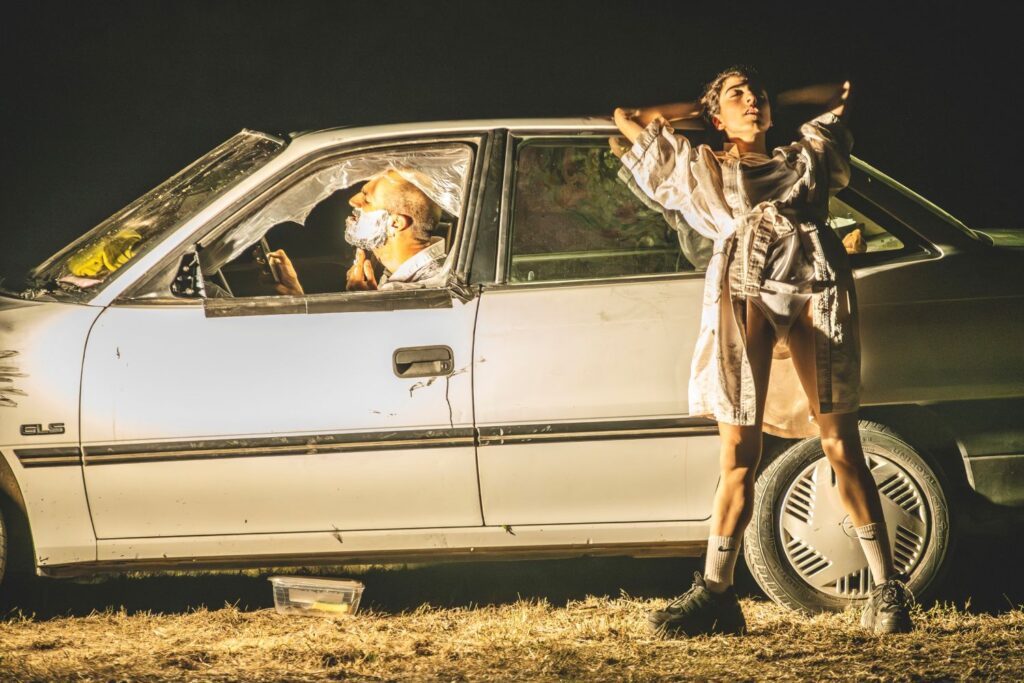
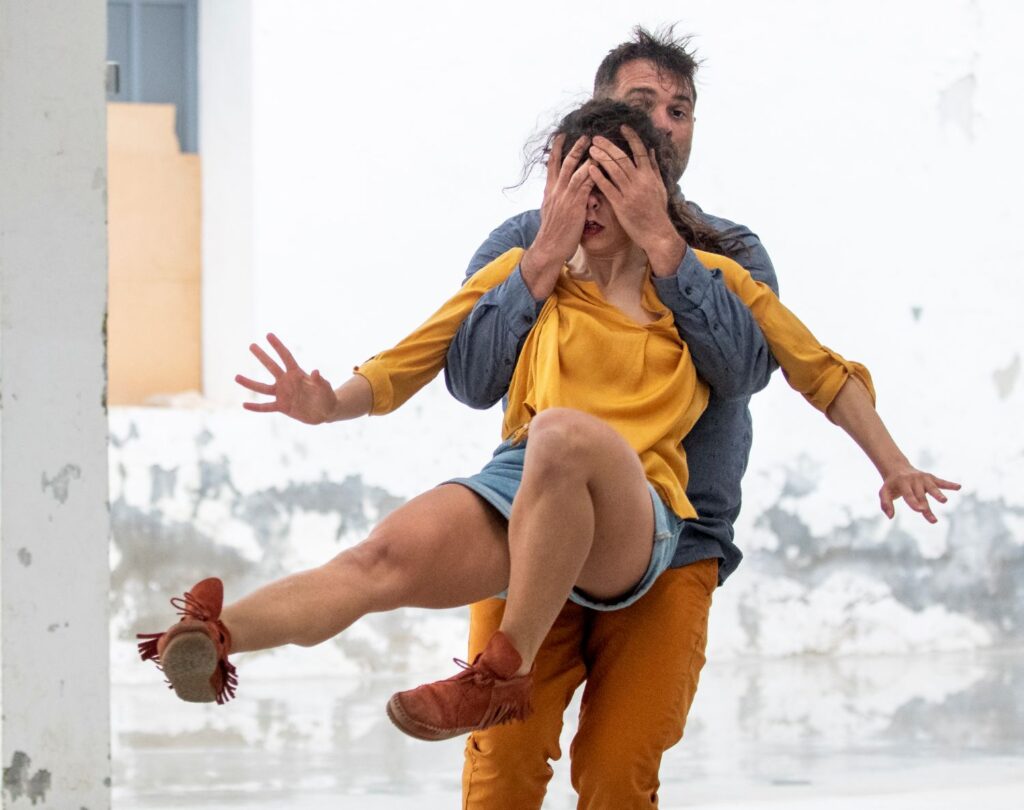
Through its programme Young Creators and Public Space, Dance Days Chania actively supports the creation of original site-specific works. Emerging Greek artists are invited to develop projects that engage directly with the city, its unique characteristics and its cultural identity.
Contemporary dance also moves beyond traditional theatre venues, meeting audiences in neighbourhoods and busy public locations throughout the city, offering residents and visitors new ways of experiencing performance. At the same time, as an exploration of “social mappings” and collective choreographies, elements of public life are brought back onto the stage. Works such as Love Parade by ocram dance movement examine themes of love and liberation, while Balkan Ballerinas by Platforma 13 reflects on ideas of homeland, belonging, Balkan dance culture and the tensions between tradition, social norms and geographical, cultural and political boundaries. Together, these works explore collective concerns through diverse choreographic languages, connecting the concept of belonging with the desire for freedom and transformation.
This thematic strand concludes with a screening of WOMEN.DANCE.FILMS, a trilogy of short dance films by artist Editta Braun. Running between 10 and 18 minutes each, the films place a distinctly female perspective at the centre of their exploration of contemporary society. Humour finds its place between dystopia and utopia, while the films open spaces for association and reflection, captivating audiences through striking visual compositions, inventive editing and a masterful interplay of image and sound.
Inclusion at the Core
Accessibility and participation remain central to the festival’s mission. Dance Days Chania continues its long-term movement programme for participants aged 65+, led by choreographer Sofia Falierou, encouraging physical wellbeing, social connection, and creative expression. The results of this work will be presented during the festival through public performances.
The programme also features inclusive performances designed for audiences with and without disabilities. The multisensory project mp(l)aloun by Giota Peklari and Vasia Zormpali creates an accessible contemporary dance experience, while Compagnie O’s immersive walking performance poleidoskop – a night walk invites audiences into a neurodiverse perspective inspired by the experience of autism.
Education and Artistic Exchange
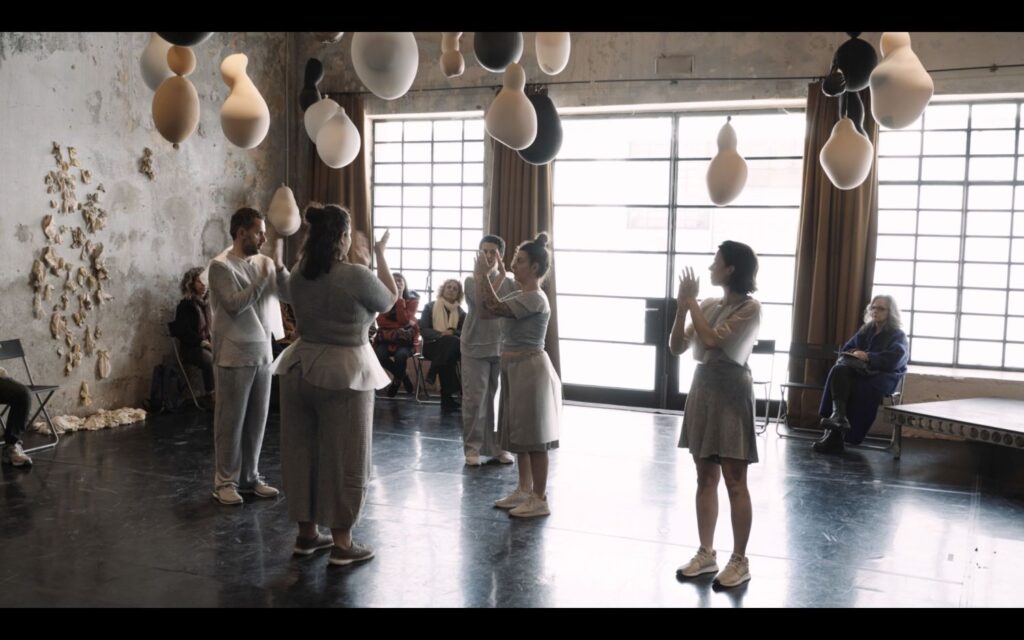
Education remains one of the festival’s strongest pillars. Each year, Dance Days Chania welcomes professional dancers, students, amateurs, and young performers from Greece and abroad through an extensive programme of workshops, masterclasses, and artistic exchanges. The “Meet the Choreographers” series offers participants the opportunity to work directly with invited artists and explore their creative methodologies.
The festival also continues its successful educational programme My Body Speaks, developed in collaboration with local educational authorities. Since 2022, the initiative has offered free training workshops for teachers, encouraging creative approaches to movement and expression in schools. Selected works created by participating teachers and students will be presented during the festival.
New Media, New Trends, In Flux
Dance Days Chania continues to expand its dialogue with contemporary artistic practices through new collaborations and interdisciplinary approaches. A new partnership with the 10th International Cartoon Festival Chaniartoon brings together two distinct artistic languages, dance and animation, creating fresh opportunities for exchange between cultural organisations in Chania. As part of this collaboration, the festival will present a selection of animated films from Chaniartoon’s ten-year history, all centred on the themes of the body and movement, with free admission for audiences. The initiative aims to attract new generations of visitors while strengthening the festival’s connection with the local community.
Positioned at the intersection of physical and digital realities, Dance Days Chania embraces both embodied experience and emerging artistic tools. Its programme acknowledges the evolving relationship between movement, technology and visual culture, creating space for works that challenge conventional notions of performance, composition and spectatorship.
This spirit is reflected in TERRAS, a transmedia performance by Chrysanthi Badeka. Combining movement, sound, visuals, light and spatial design, the work unfolds as an audiovisual narrative that investigates how sensory stimuli shape perception and emotion.
The Austrian collective NOFENCE presents You Are the Center of Your Little World, a surreal journey through the ordinary. Set within a universe governed by peculiar rules, the performance magnifies and satirises everyday human behaviour until its absurdity gives way to something unexpectedly fragile and deeply tender.
Tenderness takes on a different form in Tidal Wave by Rosana Ribeiro and SELVA. Through the intimate encounter of two female performers, the work invites audiences into a quiet microcosm where breath, repetition and cyclical movement unfold without destination, creating a meditative experience suspended in time.
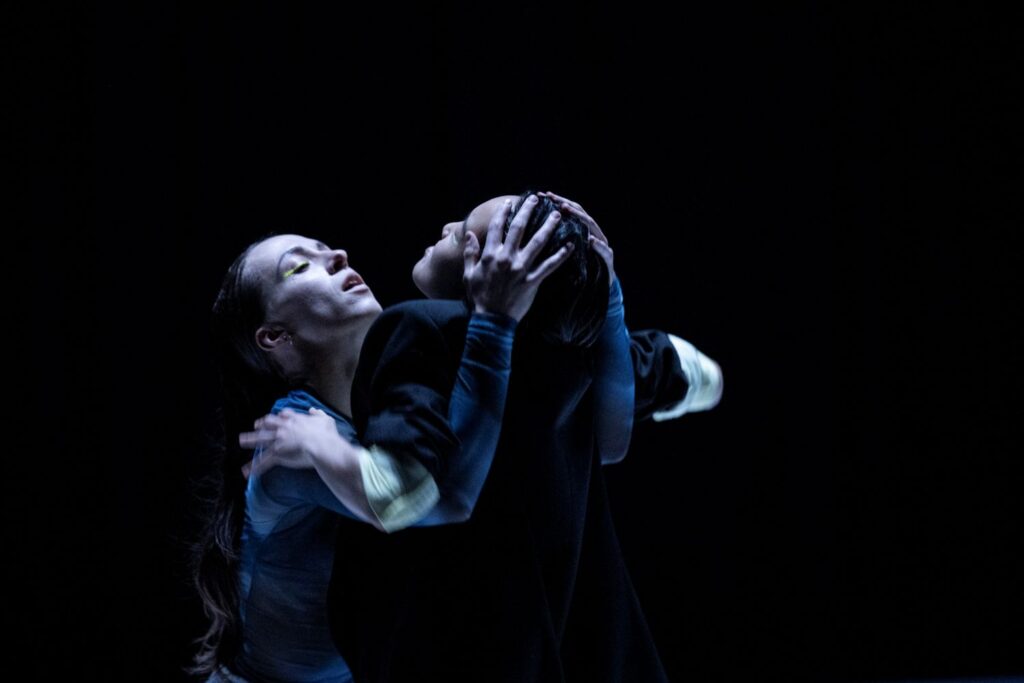
In Jarkko Mandelin’s Bolero, presented as an open rehearsal, audiences are invited behind the scenes of the creative process. The performance follows two dancers who find themselves transformed into reluctant instruments of artistic genius, offering a humorous and at times darkly comic reflection on the routines, contradictions and labour of artistic creation.
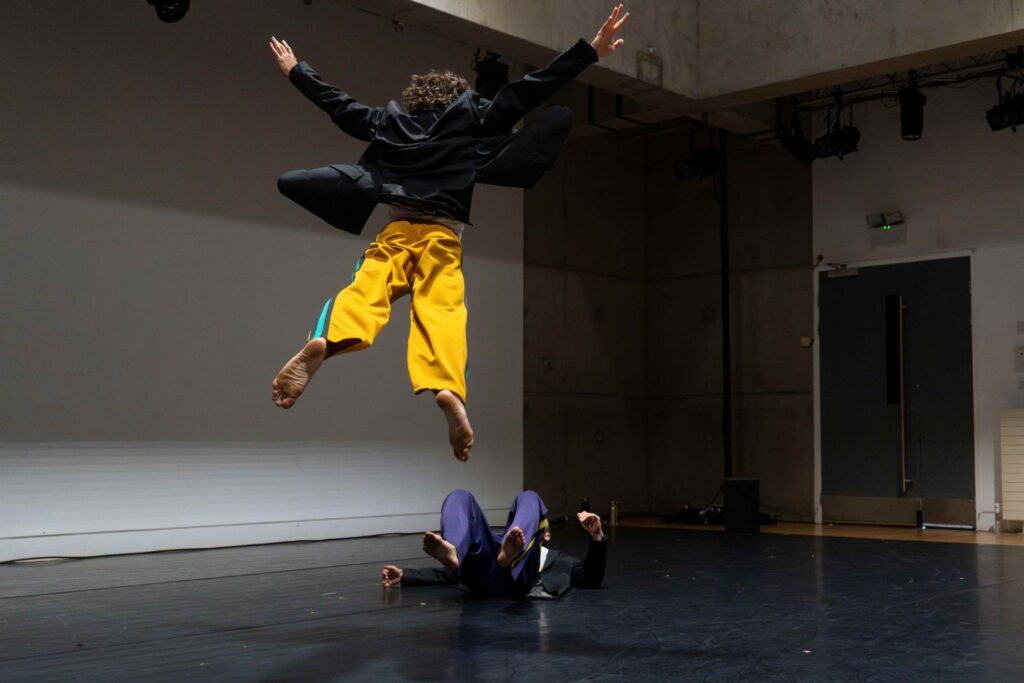
The festival’s commitment to experimentation and artistic research is further reflected in works presented by students and recent graduates of the Greek National School of Dance. These emerging choreographies reveal the energy, curiosity and exploratory spirit of a new generation of dance makers, offering audiences a glimpse into the future directions of contemporary dance.
Research, Transition and Artistic Bridges
Committed to supporting Greek choreographers and providing space for artistic experimentation, the 16th edition of Dance Days Chania expands its Open Studio platform, dedicated to works in progress. This year’s programme features projects by Ioanna Paraskevopoulou, Alexandros Kyriazis, Anastasia Brouzioti / Alma Libre and Polena Kolia Petersen, offering audiences a rare opportunity to encounter choreography at an intermediate stage of development. The initiative highlights different phases of the creative process, encourages dialogue between artists and audiences, and creates a framework for the open sharing of ideas before a work reaches its final form.
The festival’s role as a meeting point for artistic exchange extends beyond performance. Representatives of theatres, festivals and cultural institutions from Greece and abroad will attend the programme, strengthening opportunities for dialogue, visibility and international networking. Through meetings, presentations and informal exchanges, participating artists will have the opportunity to connect with cultural professionals, share ideas and build collaborations that may allow their works to travel beyond Chania and reach new audiences internationally.
Art as a Catalyst for Social Transformation
At the heart of contemporary dance lies the body, a living archive of personal and collective experience. This year’s programme brings together European choreographers whose works engage with themes such as disappointment, violence, mortality, uncertainty and the unpredictable nature of misfortune. Through diverse choreographic languages and creative methodologies, they explore the complexities of contemporary life and the ways in which movement can become a tool for reflection, resistance and renewal.
The realities of today’s world, marked by instability, injustice and social fragmentation, accompany these artists throughout their creative journeys and find expression on stage through the body, movement and human connection. Across the programme, tension and harmony coexist, transforming individual struggles into shared experiences of beauty and understanding. Questions surrounding heroism, power and vulnerability are revisited, revealing the quiet strength hidden within relationships, fragility and the often-overlooked details of everyday life.
In La Mecànica de l’Infortuni (The Mechanics of Misfortune), Clementine & Lisard challenge conventional notions of resilience, exploring how the body responds when confronted with adversity and chance. Adriano Bolognino’s Last Movement of Hope / II Chapter: Organi examines the human condition in all its complexity, navigating our relationship with ourselves and others, our fears, struggles and the hope that drives us forward.
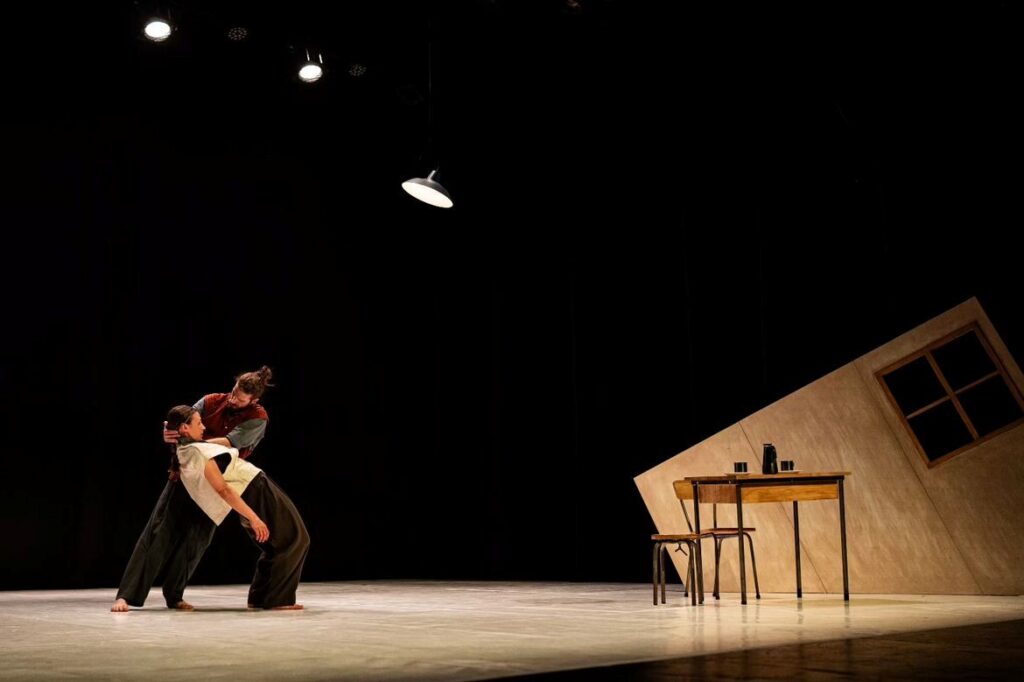
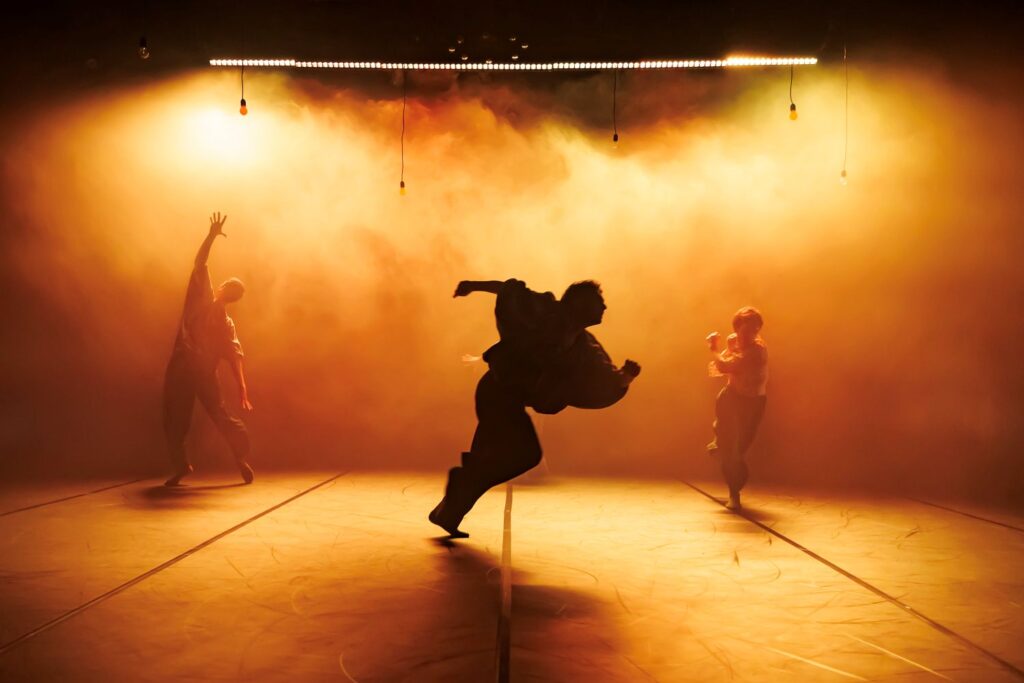
In Violent Delights, choreographers Luisa Heilbron and Andrea Givanovitch draw inspiration from the intricate entanglement of time, human relationships and the intensity of fleeting passions. Meanwhile, Sita Ostheimer’s Mortal Heroes, created for the ZfinMalta National Dance Company, unfolds as an odyssey through chaos and love, shadow and light, fragility and strength. The work becomes a poetic declaration of resilience and a tribute to humanity’s capacity for survival, transformation and renewal.
Completing this thematic strand, Sofia Mavragani’s Glorious Epic investigates the tension between heroism and vulnerability. Through a poetic and contemporary allegory, the work reflects on the decline of traditional heroic ideals and the gradual transition from strength to fragility, proposing a new understanding of what it means to endure.

A Festival with International Recognition
Organised since 2011 by the Syn-Kinisi Association for Expressive Dance, Dance Days Chania has become one of Greece’s most important contemporary dance platforms. The festival is co-organised by the Region of Crete and the Municipality of Chania and has repeatedly received the prestigious EFFE Label from the European Festivals Association, including the 2026–2027 cycle.
Bringing together artistic excellence, social awareness, education, and community participation, Dance Days Chania 2026 once again demonstrates how dance can function not only as performance, but as a powerful catalyst for dialogue, inclusion, and collective imagination.
Since 2011, Dance Days Chania has been organised by the Syn-Kinisi Association for Expressive Dance, driven largely by the voluntary work and dedication of its members. The 16th edition is co-organised by the Regional Unit of Chania of the Region of Crete and the Municipality of Chania, with the support of the School of Architecture of the Technical University of Crete, the International Cartoon Festival Chaniartoon, the Directorate of Primary Education of Chania and the Salzburg Experimental Academy of Dance (SEAD).
Dance Days Chania has been awarded the prestigious EFFE Label by the European Festivals Association (EFA) for the periods 2017–2018, 2019–2021, 2022–2023, 2024–2025 and 2026–2027, recognising its commitment to artistic excellence, community engagement and international cultural exchange.
For the full programme and additional information, visit: https://dancedays.gr/festival/