 KATERINA PARRI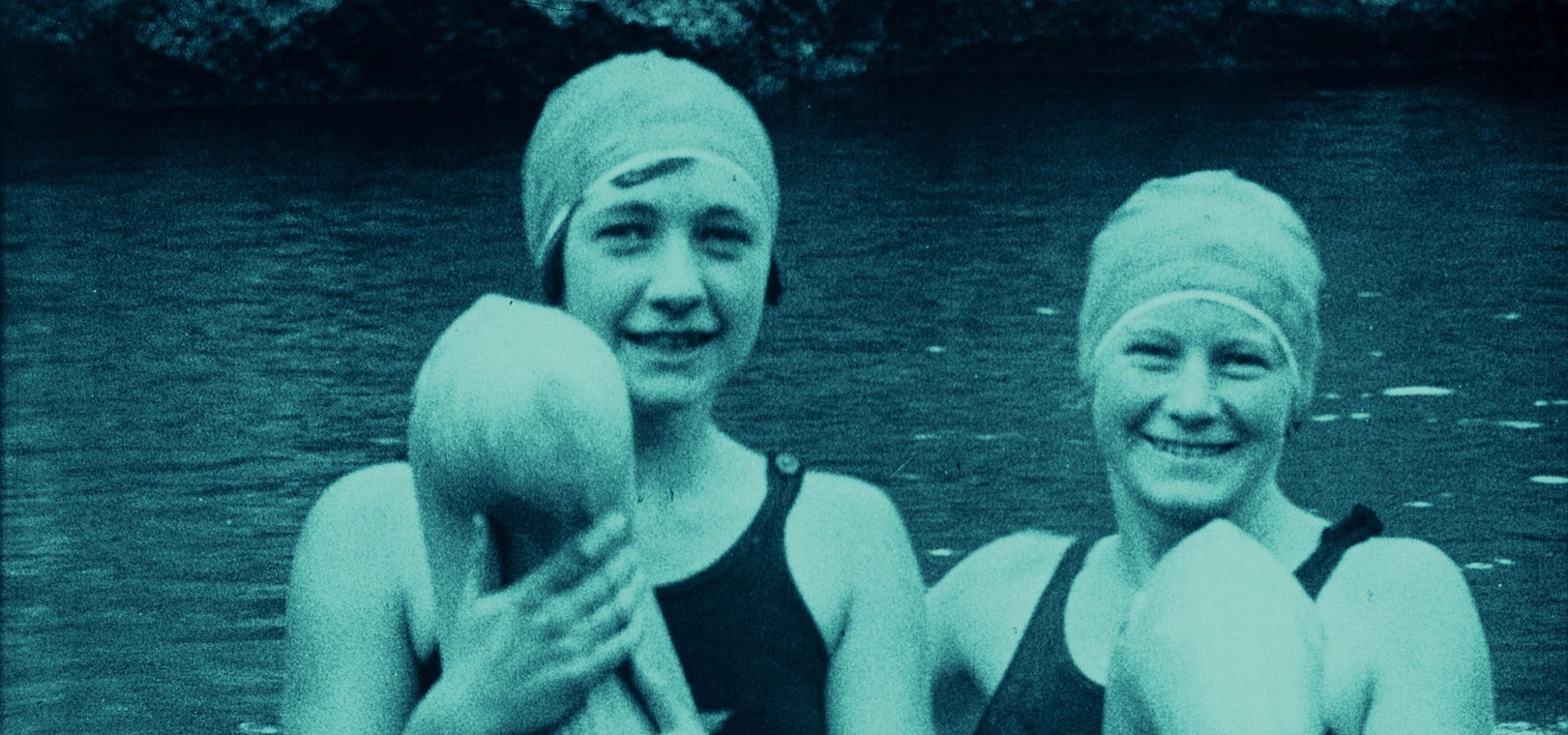
A major tribute at the 28th Thessaloniki Documentary Festival explores the power of archives through found footage films, artistic commissions, discussions, and rare cinematic works that reconnect memory, history, and the present.
How can archives acquire unexpected meanings for our lives today? When rare, hidden treasures come to light, our relationship with the world changes. The invisible line that connects us to the past becomes a solid ground on which to walk in the present. This year, guided by memory, we decided to dive into the heart of the archival world.
The Thessaloniki Documentary Festival presents a major tribute titled “All the Memory of the World” – a nod to the documentary Toute la mémoire du monde (1956) by Alain Resnais, which poetically guides us through the inner sanctums of the National Library of France in Paris. The tribute will run through various aspects of this year’s edition, from films and discussions to the festival spot and publications. By creating the archive of tomorrow, we illuminate our present.
As part of the tribute, thrilling found footage films will be screened – works created from cinematic materials: “scraps” of analog and digital media, fragments of images rescued or discovered by chance in storage rooms or even in the trash, as well as scenes or single frames from existing films. Forgotten footage, newsreels, official archives, home videos, and even desktop documentaries – which transform online material into autonomous audiovisual works (the four desktop documentaries in the tribute will be screened in a shared slot) – are transformed into cinematic raw material.
Commissioned Artistic Work
In the context of its collaboration with the General State Archives of Greece, the Festival commissioned an original short artistic work of 10 minutes from director Aristotle Maragos, who won the Silver Alexander for Best Director at the 66th Thessaloniki International Film Festival for Bitskober.
This animated piece sets in motion the seemingly static world of archives and listens to the diverse, human and non-human, voices coexisting in underground libraries, dusty shelves, decaying papers, fading stamps, cracks in photographs, handwritten notes, and typed instructions. Approaching official records not as bureaucratic documents but as repositories of forgotten stories, the film searches for traces of an uncanny past in the present and imagines a future built from the humblest materials: a future that recognizes decay as a prelude to creation, oblivion as a prerequisite for memory, and the archive as a place and time of encounter.
Discussion
The fascinating world of archives will be explored through an open discussion taking place on Monday, March 9 (Pavlos Zannas Theater, 11:00).
The event will begin with the screening of the experimental short documentary commissioned by the Festival from Aristotle Maragos.
Participants include Elizabeth Klinck (producer, researcher, and archival clearance specialist for hundreds of international documentaries), Vasilis Alexopoulos (Director of the ERT Archive), Amalia Pappa (Deputy Director General of the General State Archives of Greece), Eric Cambron (Licensing Executive at British Pathé), and Takis Zontiros, also known as Greek Visions, Instagram content creator and collector of Greek cultural material.
The discussion will be moderated by journalist and filmmaker Marianna Kakounaki.
Admission will be on a first-come, first-served basis with the issuance of free zero-price tickets, available exclusively at the Festival ticket offices (not online) from 10:00 on the previous day (Sunday, March 8). Each person may receive up to two tickets.
Publications
The special edition, the A-Catalogue, and the magazine First Shot form a unique archival triptych.
The Festival’s special edition is dedicated to archives and will feature texts by Dimitris Sotiropoulos (President of the General State Archives of Greece), Amalia Pappa (Deputy Director General), visual artist Alexandros Psychoulis (creator of this year’s Festival poster), Orestis Andreadakis (Artistic Director of the Thessaloniki Film Festival), and Dimitris Kerkinos (Head of Tributes).
In the beloved A-Catalogue, titled Out of the Archive, contributors include graphic designer Giannis Karlopoulos, theatre scholar and critic Eleni Varopoulou, filmmaker and assistant professor at the Aristotle University of Thessaloniki Penny Bouska, film critic Manolis Kranakis, Head of Programming Giorgos Krassakopoulos, and publications coordinator and researcher Gelly Mademli.
Additionally, First Shot magazine also engages with the tribute while spotlighting a major new cinematic initiative to be presented soon.
Participation in an Exhibition
The Festival participates in an exhibition at the MOMus – Experimental Center for the Arts with the installation THIRD PERSON (PLURAL) by artist Aikaterini Gegesian, based on archival material. The cinematic version of the work will be screened at the 28th Thessaloniki Documentary Festival.
The Films
The films in the tribute do not merely recycle the past – they reinterpret it critically, opening a dialogue between memory, history, and the present.
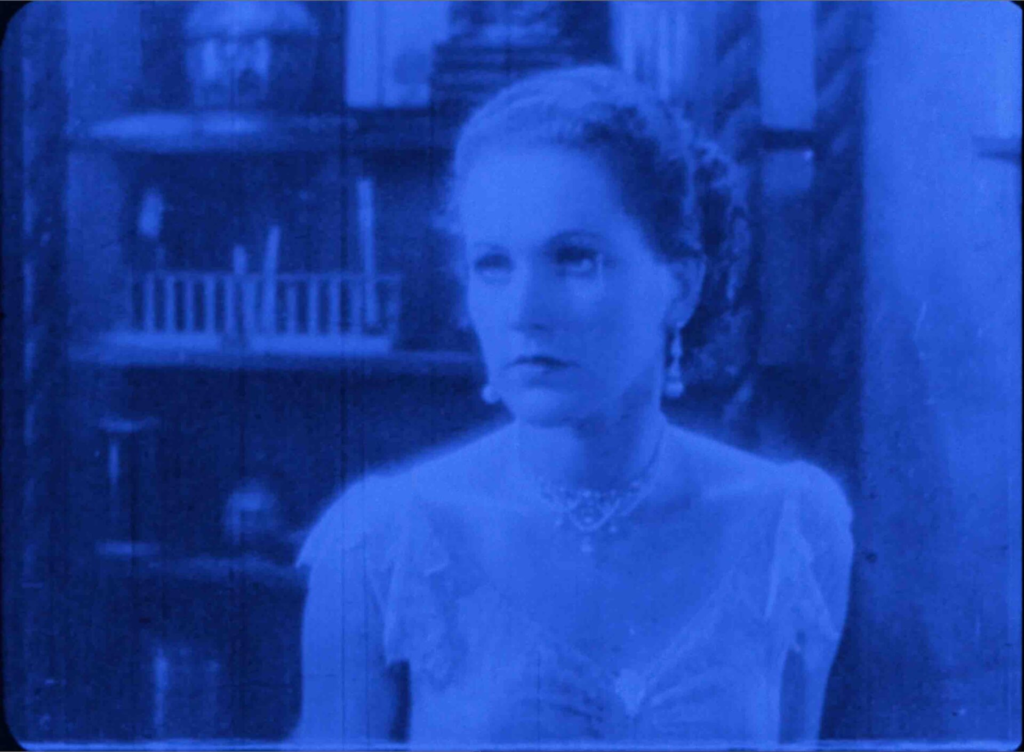
Among homage and obsessive fascination, the iconic found footage film Rose Hobart (1936) by Joseph Cornell focuses on the gestures, expressions, and posture of actress Rose Hobart from the Hollywood drama East of Borneo (1931), offering a poetic reflection on cinema as an industry of dreams and exoticism.
The contemplative All the Memory of the World (1956) by Alain Resnais – which lends its title to this year’s tribute – begins as a descent into the depths of the National Library of France before evolving into a profound meditation on humanity’s obsession with accumulation and documentation, the limits of memory, and our symbolic struggle against mortality.
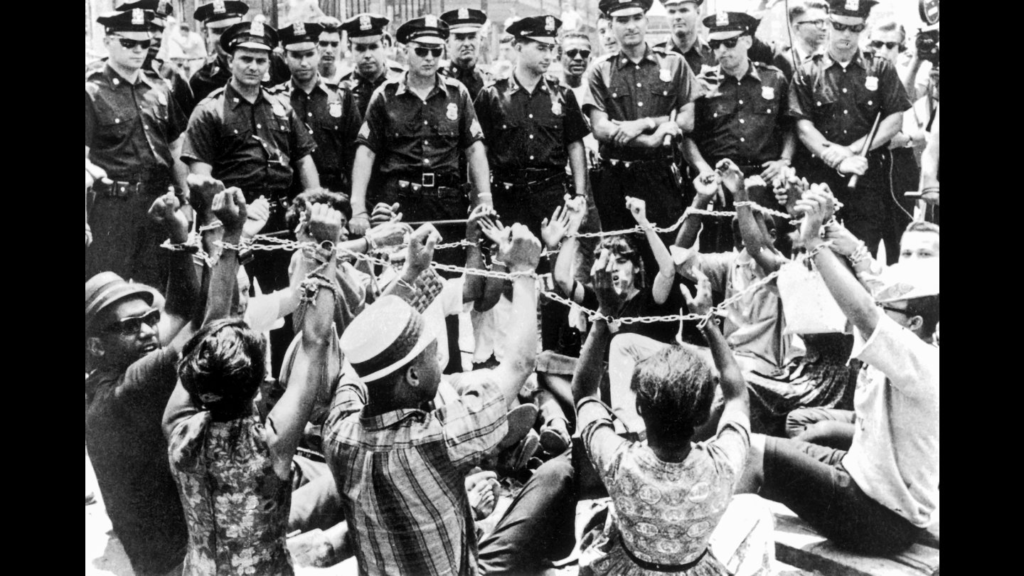
Drawing on the techniques of Soviet agitprop montage, Now! (1965) by Santiago Álvarez blends documentary, newsreel, and experimental cinema into what is often considered the first unofficial music video – a six-minute audiovisual storm set to Nina Simone’s banned protest song.
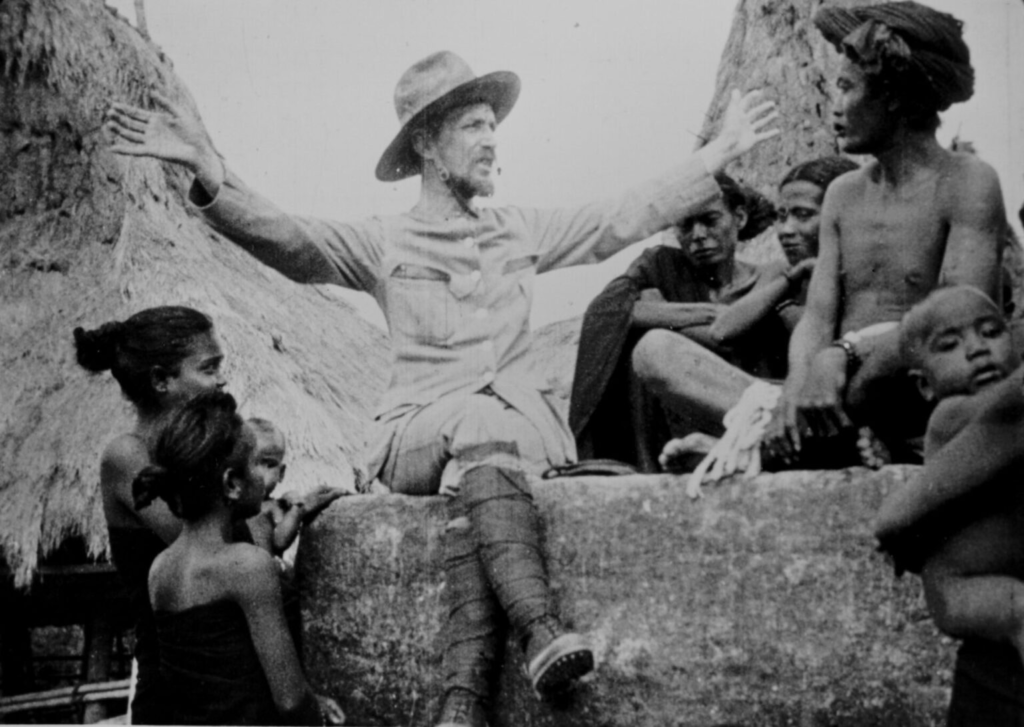
Mother Dao, the Turtlelike (1995) by Vincent Monnikendam combines colonial-era Dutch propaganda footage with natural sounds and Indonesian oral traditions, exposing both daily life of the past and the ideological roots of colonial narratives.
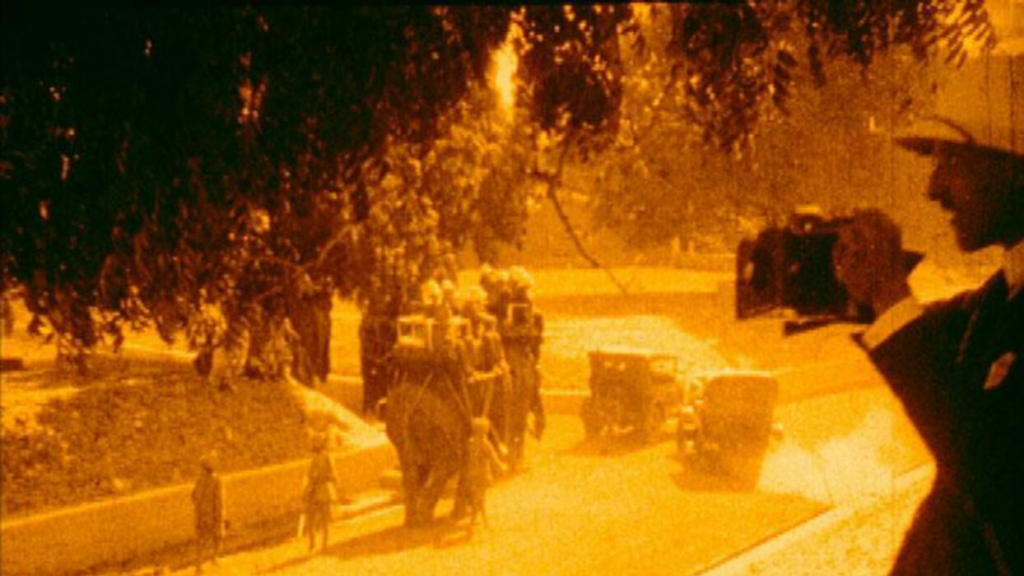
Workers Leaving the Factory (1995) by Harun Farocki revisits the Lumière brothers’ pioneering footage, questioning the nature and evolution of cinema itself.

Peter Forgács’ haunting The Maelstrom: A Family Chronicle (1997) contrasts joyful Jewish home movies with wartime newsreels, revealing the chilling coexistence of victims and perpetrators.
Images of the Orient: Vandal Tourism (2001) by Yervant Gianikian and Angela Ricci Lucchi exposes colonial violence through seemingly innocent travel footage.
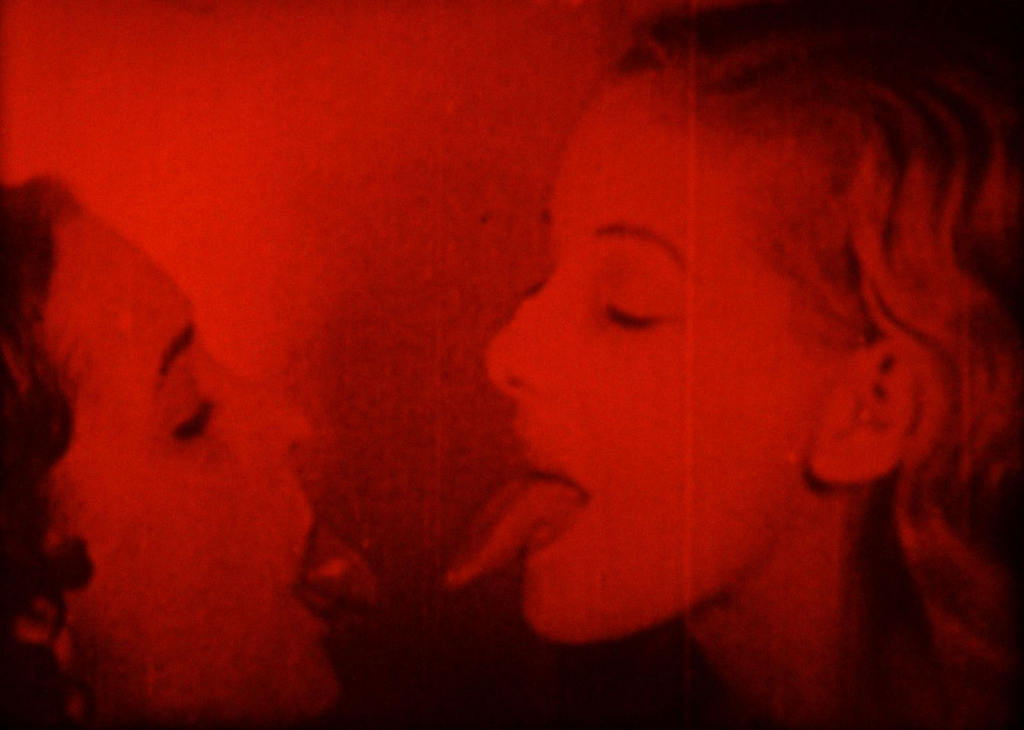
FILM IST. a girl & a gun (2009) by Gustav Deutsch assembles fragments from early scientific films, pornography, and 1930s European cinema into a feverish meditation on love, death, and gender.
The Autobiography of Nicolae Ceaușescu (2010) by Andrei Ujică transforms propaganda into a masterful chronicle of power and collapse.
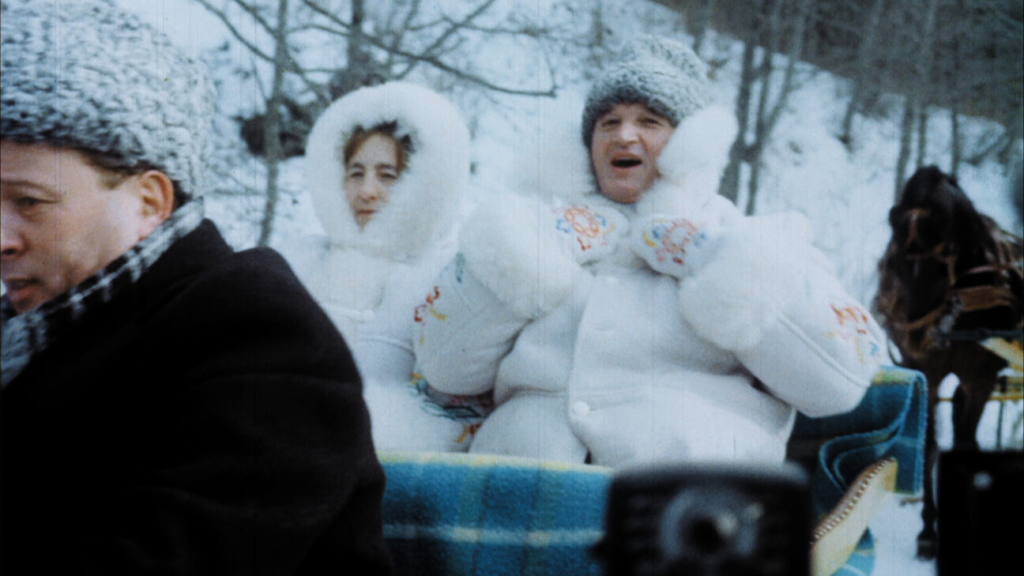
The Three Disappearances of Soad Hosni (2011) by Rania Stephan is an elegy for Egyptian cinema and its legendary star.

B-Movie: Lust & Sound in West Berlin (2015) immerses us in the underground music scene of 1980s Berlin.
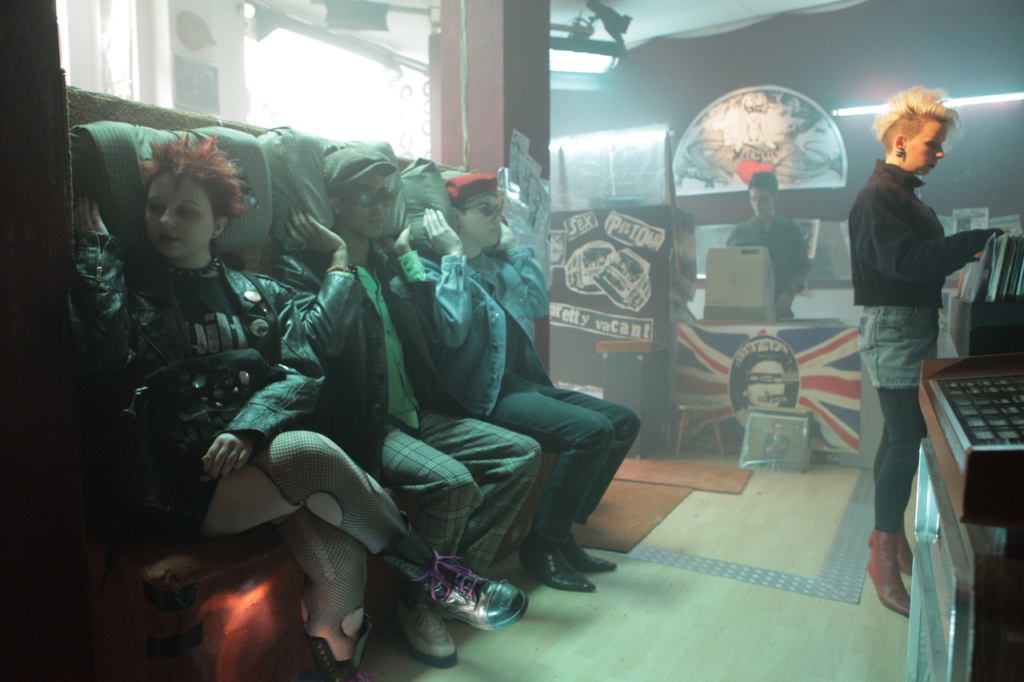
Recollection (2015) by Kamal Aljafari resurrects the erased city of Jaffa using footage from foreign films.
I Am Not Your Negro (2016) by Raoul Peck brings James Baldwin’s words to life in a powerful examination of American racism.
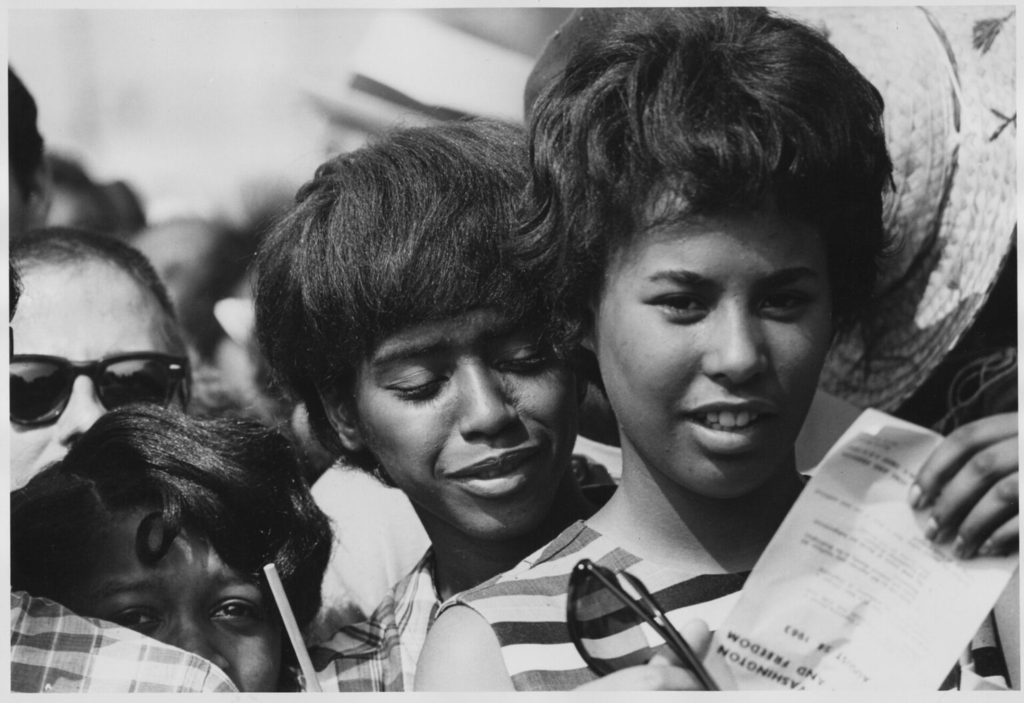
My Mexican Bretzel (2019) by Nuria Giménez blends diaries and home movies into an intimate historical tapestry.
State Funeral (2019) by Sergei Loznitsa documents Stalin’s grandiose funeral, revealing the machinery of propaganda.
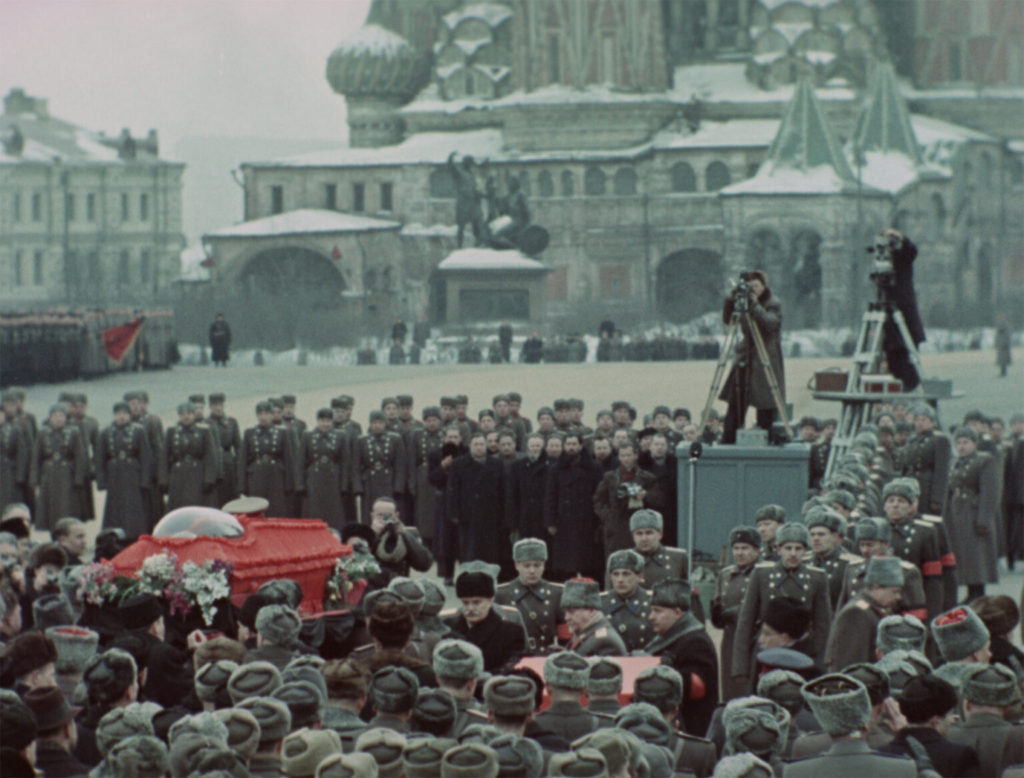
Irani Bag (2020) by Mariam Tafakory explores female repression through cinematic details.
Screenshot
Terra Femme (2021) by Courtney Stephens reclaims early travel footage shot by women, challenging patriarchal exploration narratives.
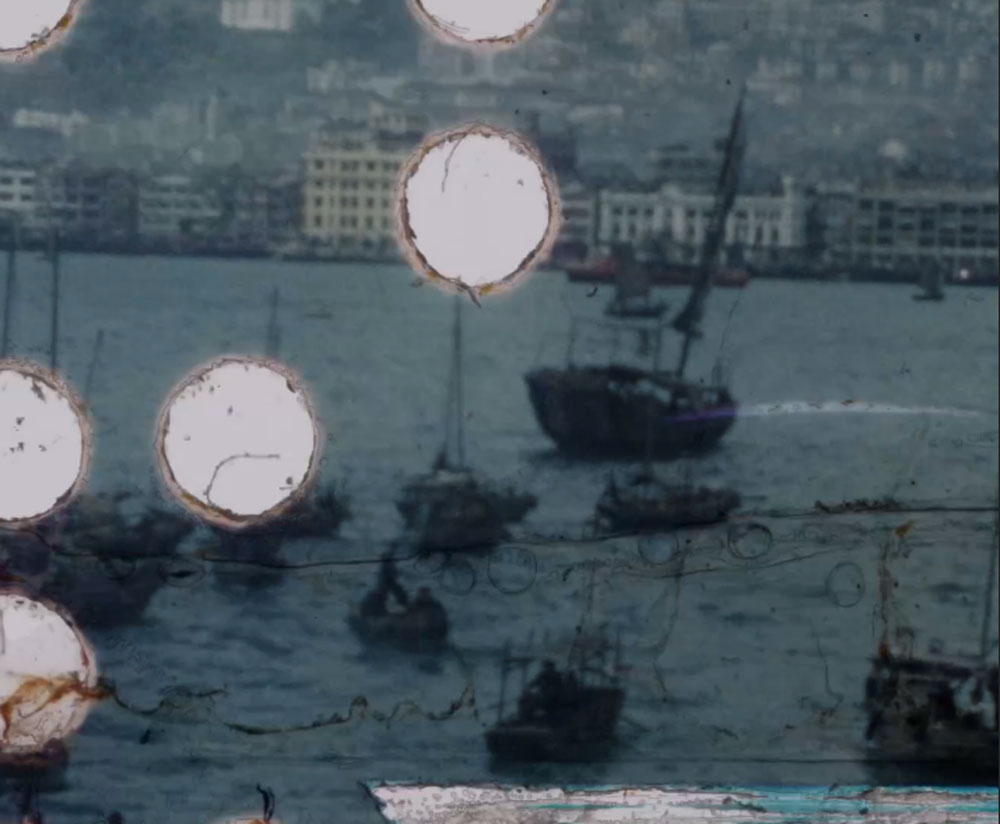
The silent film Trains (2024) by Maciej J. Drygas offers a poetic portrait of 20th-century Europe through the recurring symbol of the train.
Also screening is Tenderness to the People (2013) by Vasilis Douvlis, using archival material from the General State Archives to expose film censorship during the Greek dictatorship (1967–1974).
Desktop Documentaries
A new generation of archive-based cinema appears through works such as:
- Transformers: The Premake (2014) by Kevin B. Lee
- 24 Cinematic Points of View of a Factory Gate in China (2023) by Rui An
- Palcorecore (2023) by Dana Dawud
- happiness (2025) by Fırat Yücel
Together, they transform online material into urgent cinematic expressions of politics, memory, resistance, and everyday life.