 PEPI NIKOLOPOULOU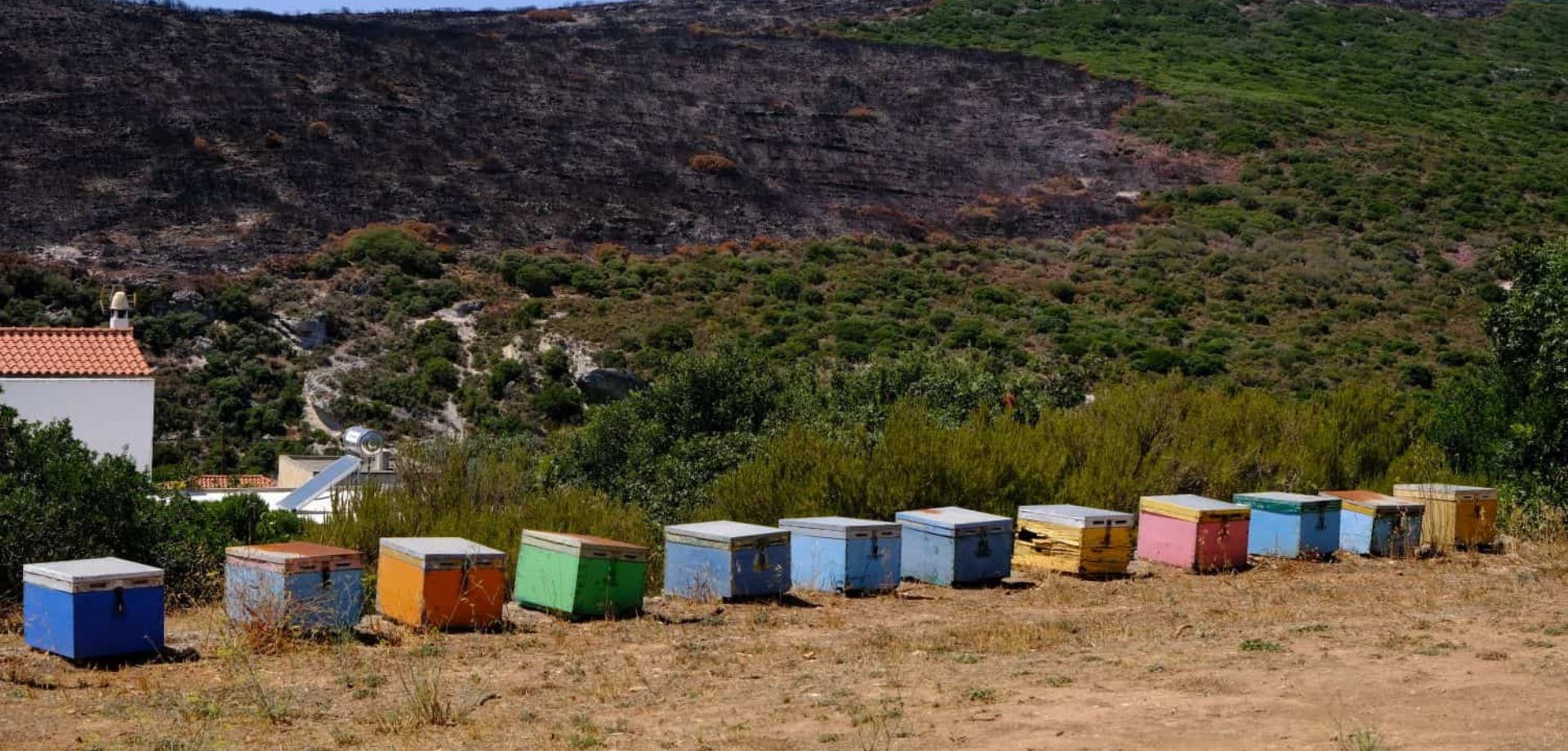
On the island of Kythera, bees are more than pollinators – they are guardians of memory, identity, and survival. Recently, the Beekeeping Tradition of Kythera and the “Kous Kous Kalamakiou” of Drama are among the five new elements inscribed in the National Inventory of Intangible Cultural Heritage of Greece.
As the Minister of Culture Lina Mendoni emphasized, “the inscription of new elements highlights the cultural polyphony of Greek communities and strengthens collective memory, historical continuity, and cultural sustainability. Every element of intangible cultural heritage is a precious bearer of identity, experience, and creative expression, linking past with present and shaping the future.”
A sacred bond between humans and bees
On Kythera, where the Virgin Mary is honored as “Panagia Kaki Melissa”, beekeeping has held a timeless place in agrifood tradition, in customs, proverbs, and place names.
According to tradition, when pirates attacked a monastery on Kythera, a swarm of bees fiercely assaulted them as the nuns prayed inside the church. Swollen and nearly blinded, the pirates were transformed: they knelt before the icon of the Virgin Mary, emptied their purses as offerings, and asked for forgiveness. From their gifts, the silver covering of the icon was crafted, while the exclamation of their leader-“You are the bad bee!”-gave the monastery its name: Panagia Kaki Melissa, celebrated each year on February 2.
Humans and nature collaborate in harmony: meadows filled with rare herbs, pollinators, and beekeepers intertwine in a story centuries old. Honey holds a place of honor in every Kytherian household-not only as a product, but as a bearer of memory, hospitality, and identity.
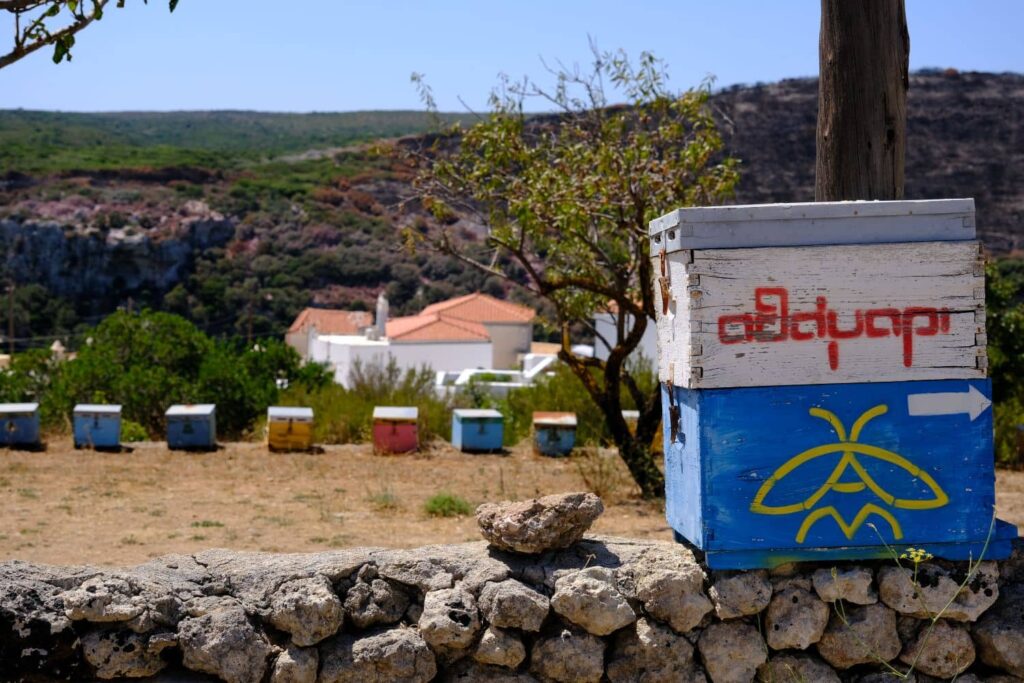
Searching for good honey in Kythera, we once arrived at the local Agricultural Cooperative, only to find the doors closed. Our path led us to the village of Mytata, where we had read about Athamari organic honey. Luck was on our side-we arrived just ten minutes before closing.
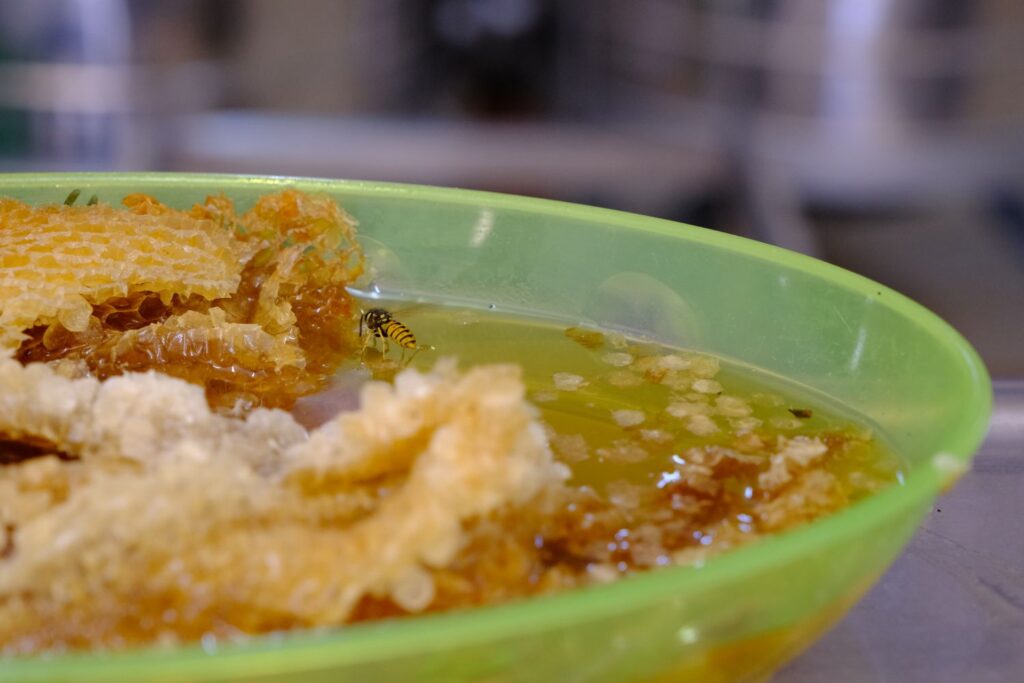
There we met the owner, Giannis Protopsaltis, who spoke with the passion of a storyteller who captivates you from the very first phrase:“Why do we say ‘melissokomos’ (beekeeper) and not ‘melissotropos’ (bee-feeder)? Because we do not feed the bee; on the contrary, we are nourished by its food.”
From then on, his tale unfolded like a life lesson. “Have you ever heard of artificial honey? Never! Because honey contains 180 components. Man cannot synthesize honey. What makes Kytherian honey unique is the island’s flora. We have abundant thyme and countless other aromatic plants; thus our honey acquires a rare balance of aromas.”
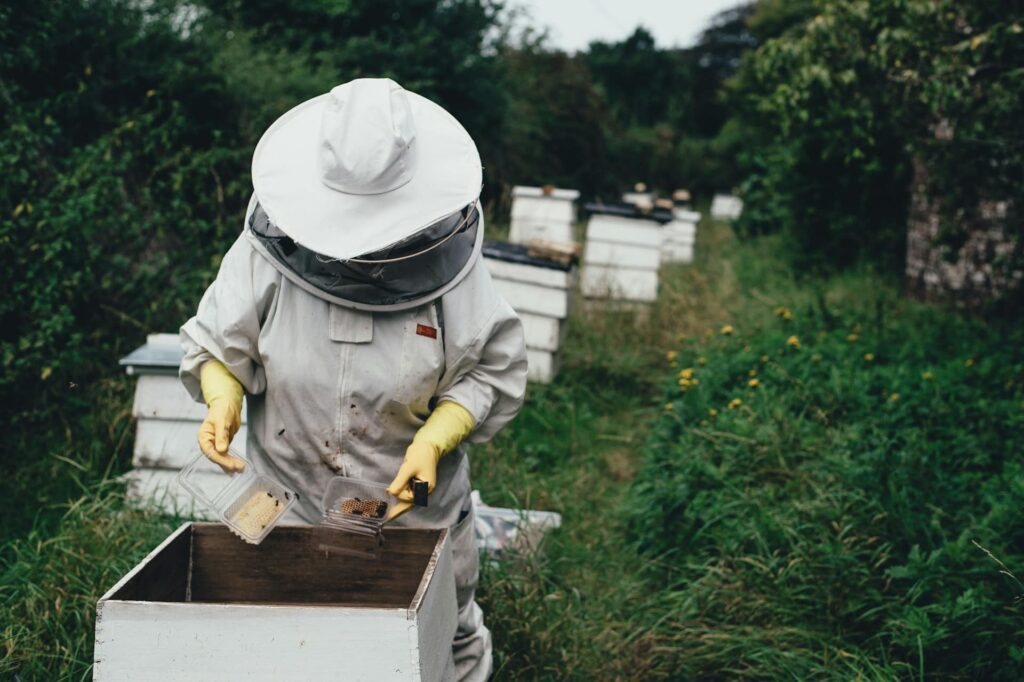
This living tradition is embodied by Giannis Protopsaltis. His bond with bees began with a childhood memory: “I was 8 or 9 when I first saw a black cloud of bees clustering on a branch. My father called it ‘zymari’ (dough). From then on, I decided I would find my own hive,” he recalls.
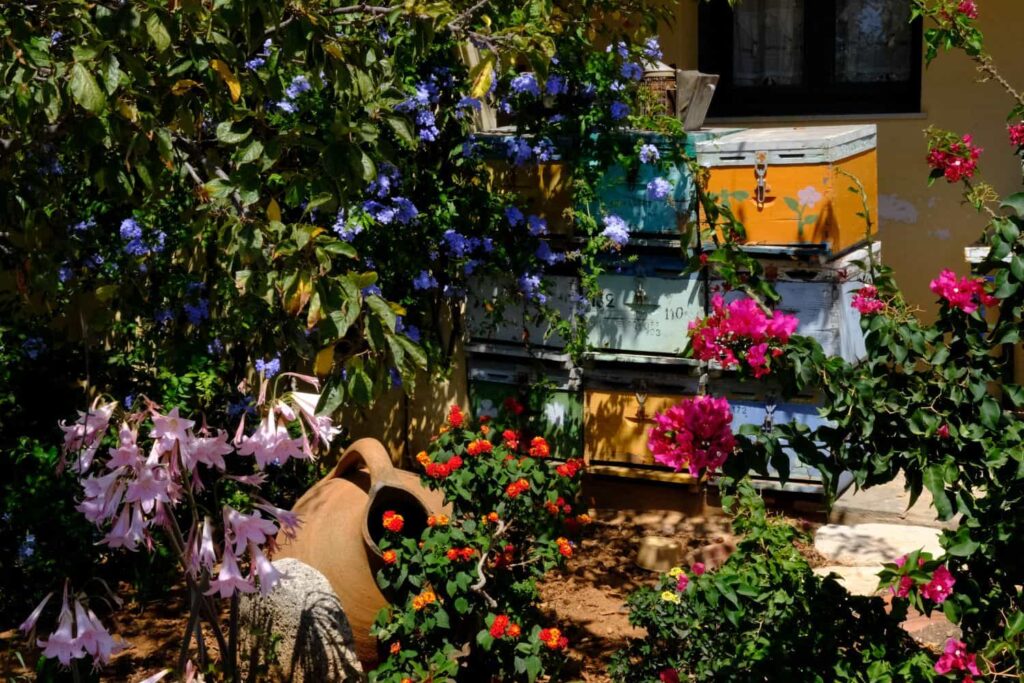
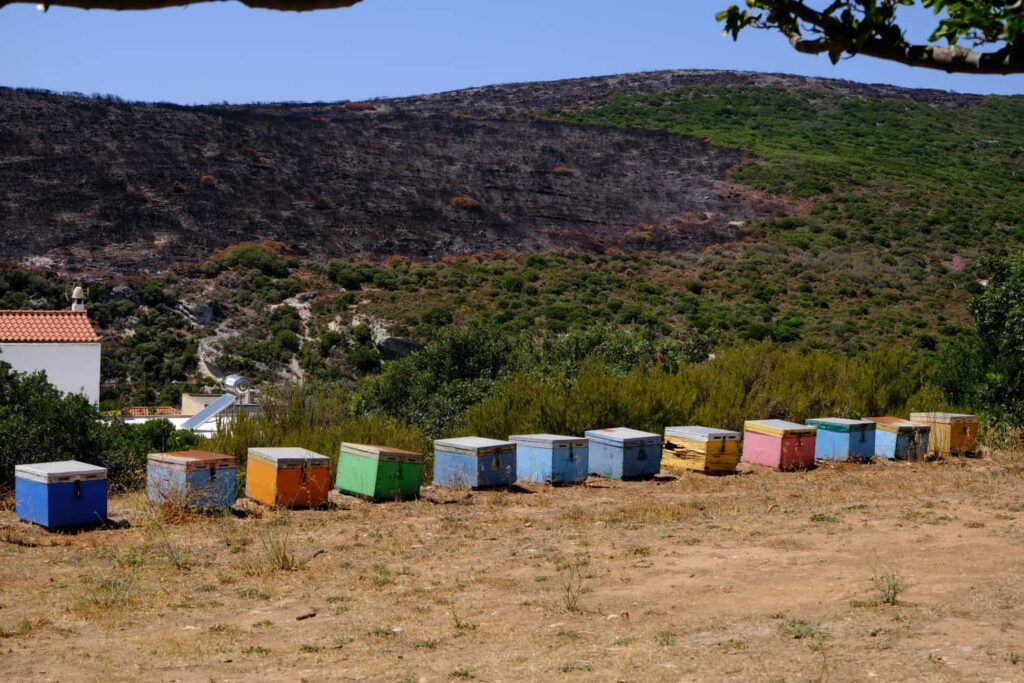
With nails and wooden planks he built his first hive. Years later, in the hollow of an olive tree, he discovered the swarm he had been searching for. Without mask or gloves, he took his first stings—the beginning of a life dedicated to beekeeping.
Alongside his brother Giorgos, he learned the secrets of the craft, took part in development programs, harvested, and exported honey to the U.S. Together with his wife Eleni-“the shepherdess who became a beekeeper”-they built a family enterprise rooted in quality and respect.
“Each jar must carry a note of Tsirigo (the island’s traditional name) to Athens, to Piraeus, to America, and to Australia,” he says.
From tradition to the future
The inscription of Kythera’s Beekeeping Tradition in the National Inventory is both an honorary recognition and a call for continuity-to pass knowledge on to future generations, to strengthen the local community, and to highlight honey’s value through beekeeping tourism and educational experiences.
On Kythera, beekeeping is a way of life. And just as bees collectively make their honey, so too do the island’s inhabitants weave a tradition that is now officially recognized as part of the intangible cultural heritage of Greece.