 KATERINA PARRI
By Sofia Triantou
On Kythera, there are 723 different plant species. Of these, 48 are endemic to Greece as a whole, while 5 are local endemics found only on the island
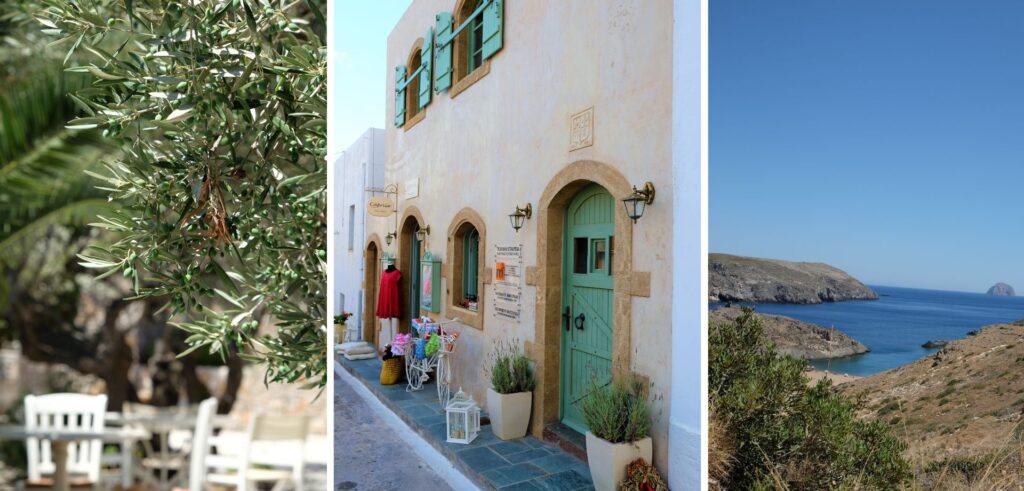
There are islands unlike any others, and Kythera is one of them. Found at the crossroads of the winds, between the Ionian and the Aegean Seas, Kythera exudes the aromas of thyme, oregano, myrtle, and savory, awakening myths and endless old stories still whispered along its cobbled paths. Also known by its old Venetian name, Cerigo, Kythera is mythologically linked to the goddess Aphrodite.
According to one of the two traditions regarding her birth – as told in Hesiod’s Theogony – Aphrodite was born from the severed genitals of Uranus, which Cronus threw into the sea. From the sea foam, the goddess emerged and, carried by the west wind, Zephyrus, she arrived on the sacred shores of Kythera, where she first stepped onto land. She then moved on to Cyprus, another place associated with her worship.
The island’s flora is remarkable, consisting mainly of plants from the Eastern Mediterranean, the Balkans, and native Greek species. With 723 different plant species – a significant number given the island’s size – 48 are endemic to Greece, and 5 are local endemics.

The island’s rich variety of herbs, whose properties the people of Kythera have long known and continue to use today, were traditionally gathered with reverence for a range of uses and to treat various ailments.
In such a botanically rich land, locals grow up honoring herbs, creating customs and traditions around them.
Wild fennel, capers, rosemary, salep, thyme, sage, carob, wild celery, mallow, heather, horsetail, laurel, chamomile, and mandrake are among the many fragrant plants that thrive on the island. In the past, people hung sea holly in haystacks to ward off the evil eye. Myrtle, a plant sacred to Aphrodite – who used its branch to cover her nudity – is also found here. From “skarochorto” or “skylo-lachano” (dog cabbage), the ancients made poultices they believed could influence the gender of unborn children.
Still, local wisdom once said: “For the wounds of death, no herb will do – no doctor can heal them, no saint can help.” (Chortarea, 2003)
The island’s soil, caves, geography, myths, fauna, and architecture make it unique. Its gastronomy has a long history, influenced by the many peoples who passed through, but especially by the Venetians. Today, however, it tells its own culinary story.
At the heart of a Kytherian table are local products: the famous rusks, local salt, olive oil (often used medicinally), sun-dried vegetables, yellow split peas, and wine. Trachanas, broad beans, fried pastries, tiny olives, and fresh fish offer a truly unique culinary experience.
But the most delightful image is that of festive gatherings, when older women would open up their living rooms to guests and serve almond fondants, homemade apricot liqueur or sour cherry cordial, and other treats.
Speaking of the Venetians, when visiting the island be sure to try Venetian pastitsio: an impressive dish passed down from the Venetians, made with thick pasta, cheese, offal, and minced meat, all baked in a semi-sweet pastry.
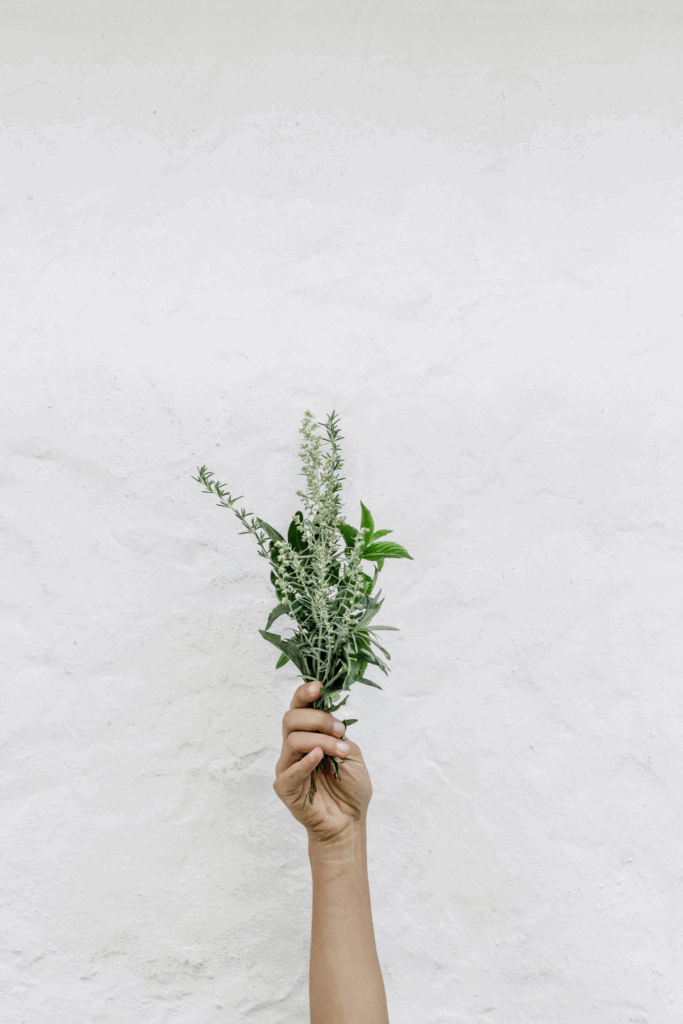
What’s truly fascinating about Kythera is that even today, ancient herbal practices survive. One example is the sempreviva, known locally as “Kytherian amaranth.” These small yellow round flowers grow on steep rocks and symbolize eternity, which is why they are often used to decorate homes and churches. Perhaps it’s no surprise that Kythera boasts some of the most aromatic thyme – after all, it grows in the wind! The whole island is filled with the scent of thyme, and its thyme honey is truly one of a kind.
And when you finally arrive on the island, you’ll surely be swept away by its beauty. Just don’t let joy distract you so much that you forget to try the fragrant local dish Vrechtoladea Tsirigotiki. This traditional Kytherian recipe combines olive oil rusks (naturally leavened), sun-dried tomatoes, fresh samphire, local cheese, oregano, sea salt flakes, and pure virgin olive oil – all local and authentic!