 KATERINA PARRI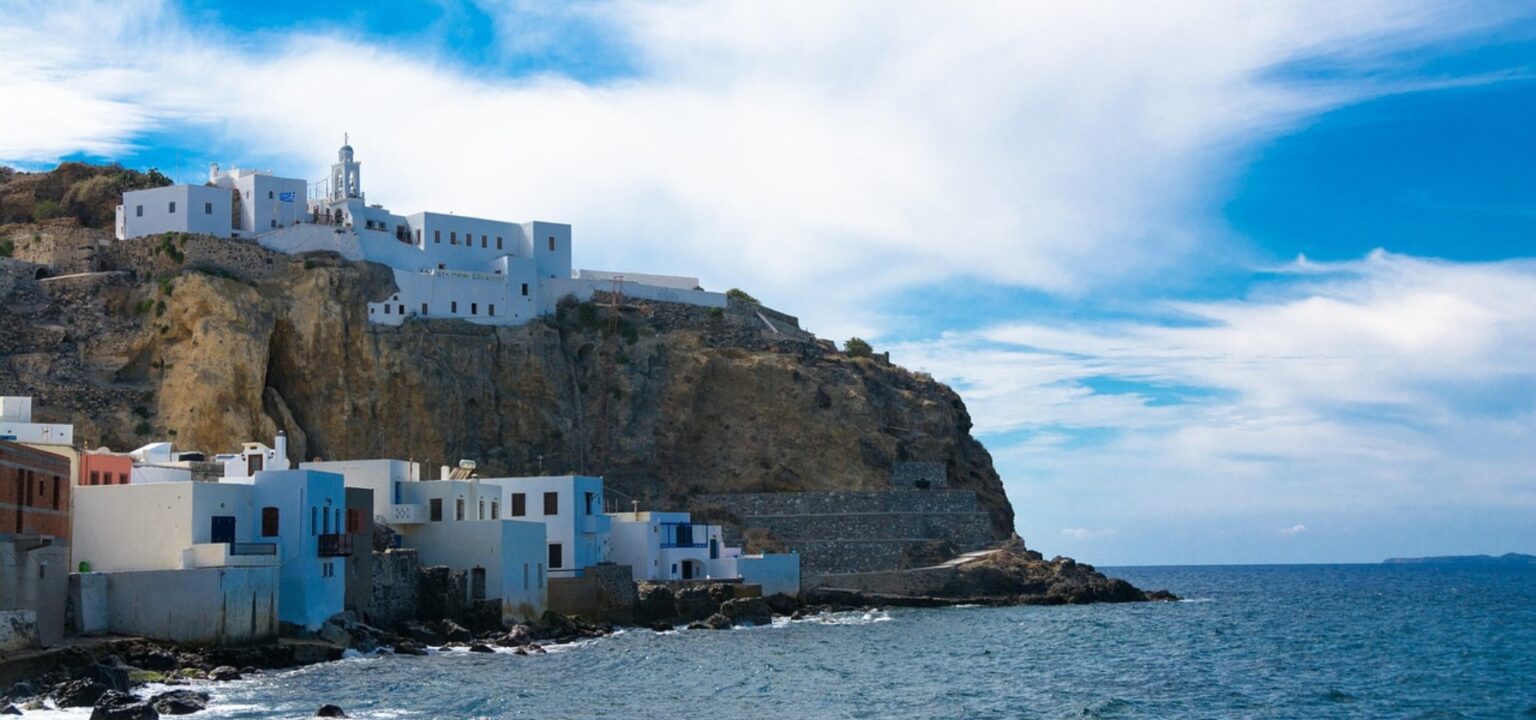
By Sofia Triantou
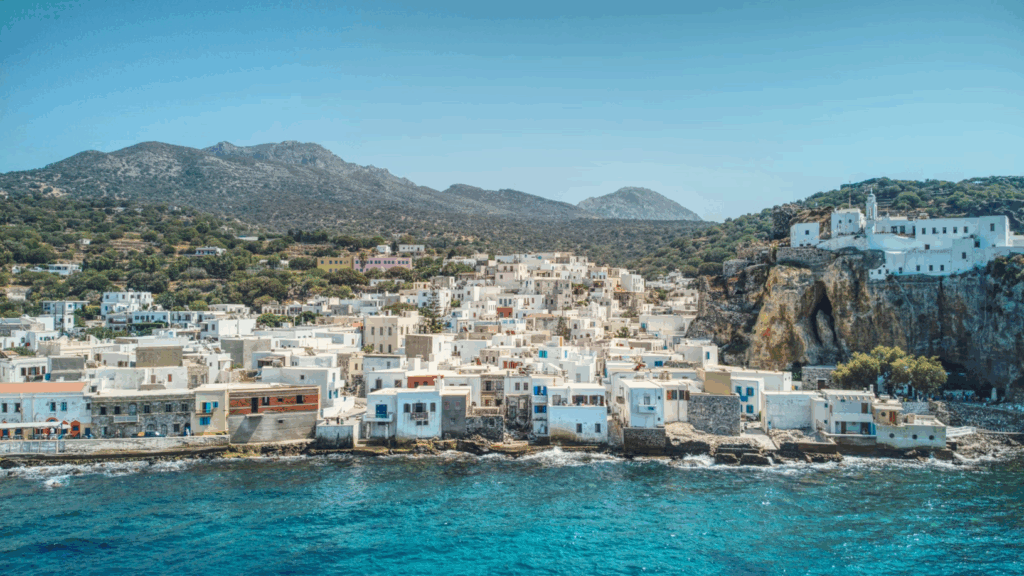
Nisyros appears like a talisman on the map of the southern Aegean – a small volcanic island with a cultural continuity stretching from the Neolithic era to the present day. Part of the volcanic arc along with Santorini, Milos, and Kos, it is best known for its spectacular active crater, “Stefanos.” Yet beyond its geological rarity, Nisyros stands out for its botanical richness and vibrant traditions, which survive largely thanks to the island’s limited tourism, mostly day-trippers from Kos, that has not disrupted its local pace of life.
The island’s flora is strongly influenced by its volcanic soil, sea salt, winds, and the long-standing low level of human presence. Within its small but precious area, one finds species such as sage (Salvia fruticosa), savory (Thymbra capitata), various mints (Mentha spicata, Mentha pulegium), rosemary (Rosmarinus officinalis), and chaste trees (Vitex agnus-castus) near wetlands. On the slopes and in the fields, visitors can also spot the rare natural hybrid Origanum × intercedens, a cross between oregano (Origanum vulgare subsp. hirtum) and thyme (Origanum onites), first scientifically recorded on Nisyros.
The use of herbs remains part of everyday life: they are added to food, beverages, and festive rituals. A characteristic example is kanelada, a refreshing syrup made with cinnamon (Cinnamomum verum) and clove (Syzygium aromaticum), served with cold water. Cinnamon bark is recognized as a traditional herbal remedy for the relief of mild spasmodic gastrointestinal complaints, such as bloating. While clove has been traditionally linked mainly to oral hygiene, here it contributes its distinctive aroma and warm flavor.
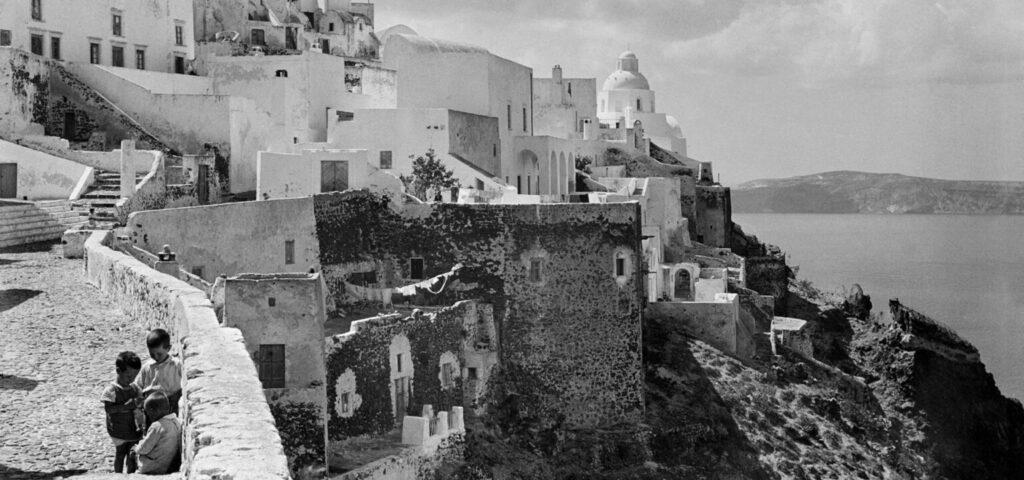
Traditional Nisyrian houses, as in other Dodecanese islands, feature flat roofs serving as an “upper courtyard”, an open, valuable space integral to daily life. These rooftops were used for household chores such as drying laundry, as well as for neighborly chats over the day’s news, with the sounds of the neighborhood drifting across the terraces – something rare today.
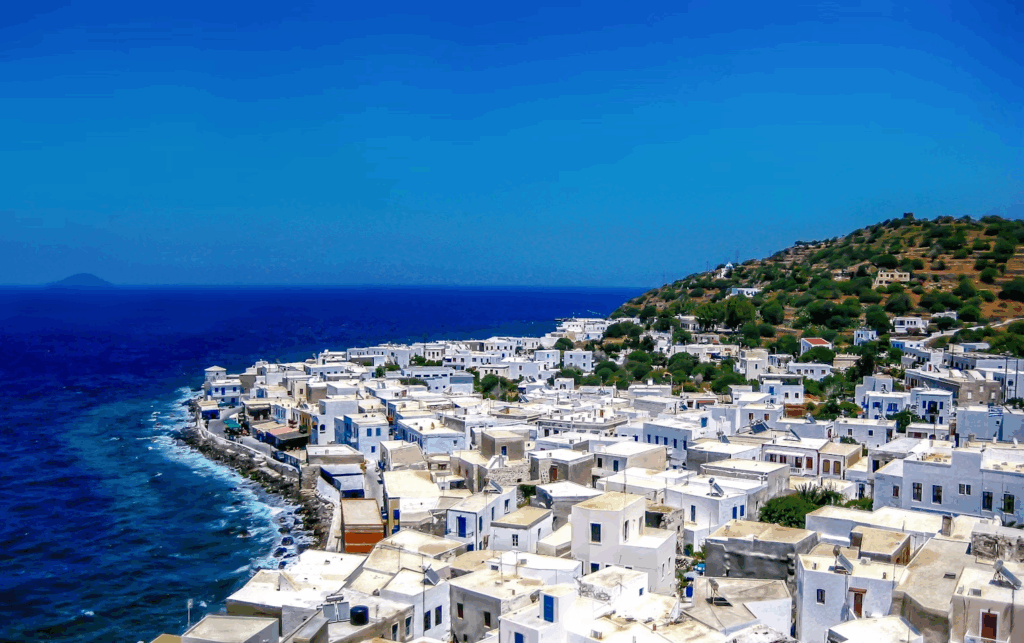
Other rooftops served to collect rainwater into special cisterns, and as places of rest and vantage points. Even now, many are used in more refined ways, to enjoy tranquility and views much as they were in the past.
Life flows quietly in the island’s villages. In Mandraki, arches and narrow lanes lead to the central square with its great plane tree, a meeting place for coffee or conversation in the shade. In Emporeios and Nikia, the architecture and colors of the houses reflect the care of their inhabitants and the strong sense of community that defines the island.
Naturally, local flavors are part of the experience. The island’s cheesemaking tradition remains alive, with products such as fresh myzithra, sakouliasti – a cheese matured in cloth pouches and the distinctive tiri tis tyras, which is immersed in red wine, acquiring a unique taste and color. The island’s network of trails, once connecting villages and grazing lands, is still used both for daily movement and for herb gathering in spring and autumn.
Nisyros’s festivals are experiences in themselves. During major religious feasts, the squares fill with the sounds of santouri, violin, and laouto. Women wear embroidered shirts and silk scarves – garments made with love and skill, while men join in the traditional dances and songs. Food and wine are shared generously, along with the stories of the elders.
Nisyros is a geological treasure, but also a place where tradition, authenticity, and the beauty of human simplicity remain vividly alive.