
 elc team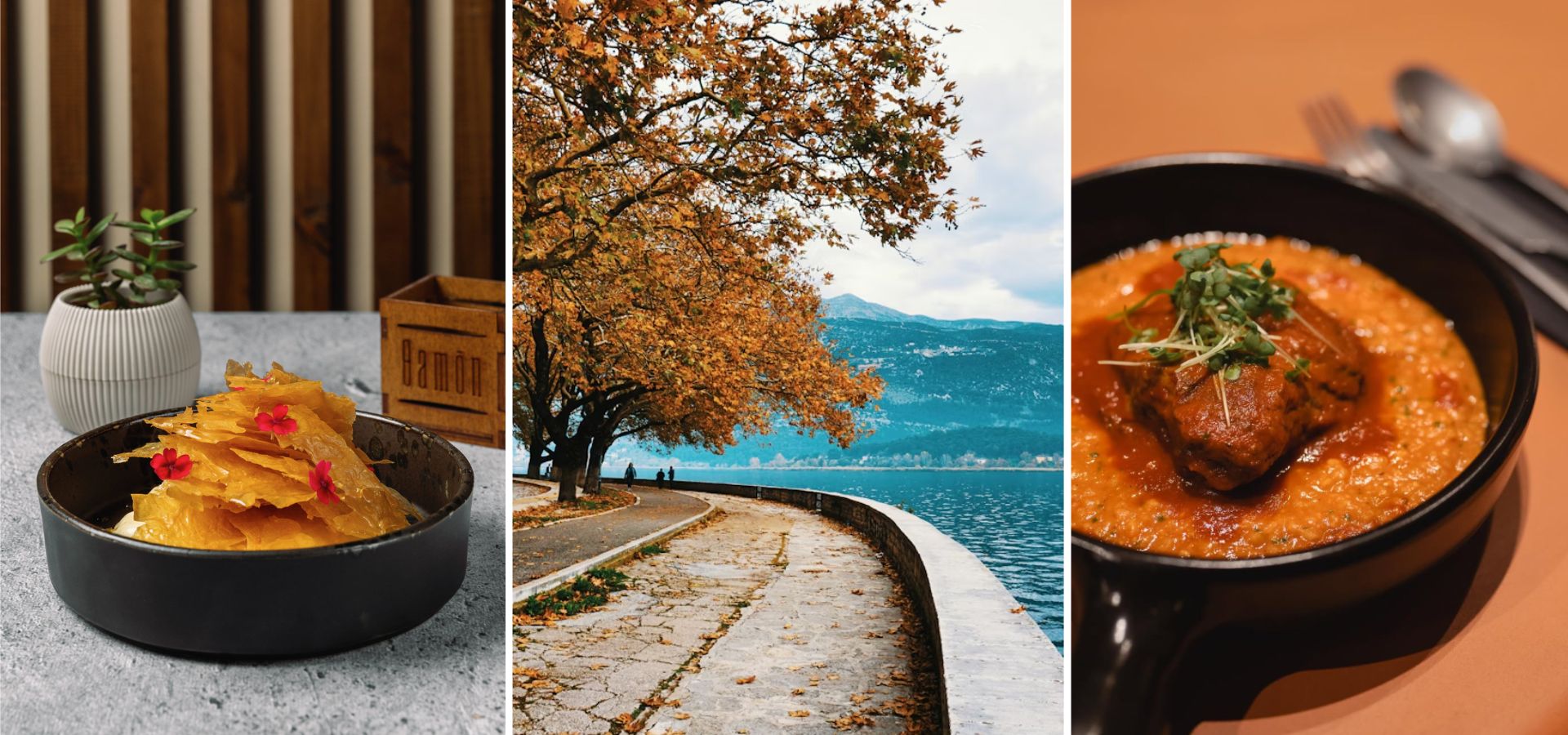
From the rustic pies and the famous baklava to its village and bourgeois culinary tradition, this is the modern cuisine of Ioannina as we tasted it in its restaurants.
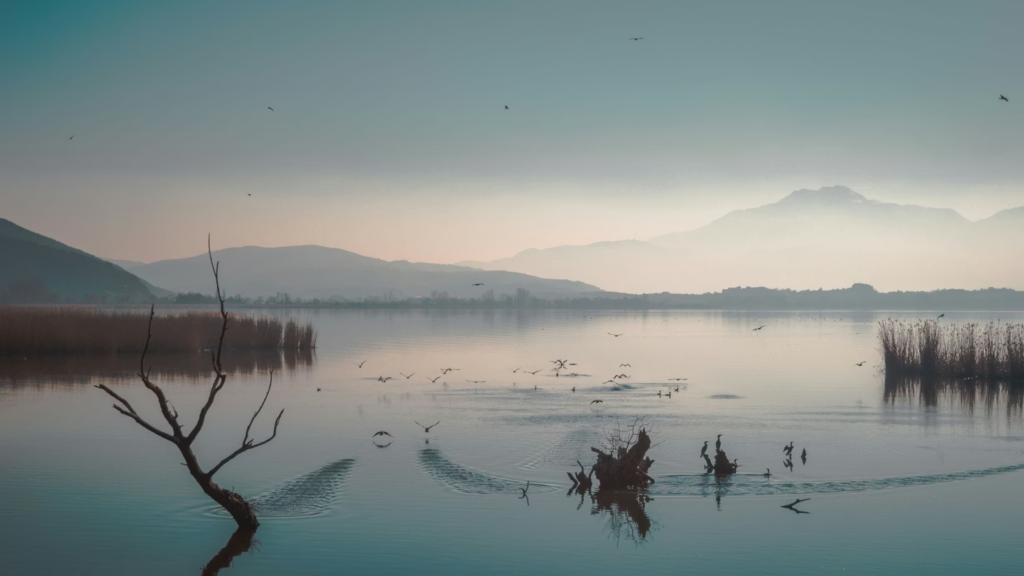
Surrounded by imposing mountains and shaped by the constant presence of Lake Pamvotida, Ioannina is a vibrant, beautiful city with a distinct gastronomic profile. From its terrain emerged a cuisine shaped by climate, availability, and the practical demands of everyday life. People had to make do with whatever was available, giving rise to a plethora of creative and resourceful dishes.
For generations, the backbone of the local diet was the pie. Dough, stretched thin by hand, was meant to feed many mouths with as little ingredients as possible. Fillings followed the seasons and the pantry whether it contained wild greens, cheese, cornmeal, leftovers from festive meals. Everything was transformed into something new. That is why pie making in Ioannina -and the broader region-, was an every day occurrence serving as a full meal from breakfast till dinner.
Alas, many variations emerged. Some are made with hand stretched phyllo, rolled as thin as possible with a wooden rod and layered loosely to trap air and create lightness. Others rely instead on batters and simple mixtures poured directly into the pan.
As Dimitris Derekas, the executive chef at the five-star resort Du Lac told us, kasopita, is among the oldest. It combines flour, dairy, eggs, and local cheese. Simple and quick, it served as breakfast and/or bread next to another meal. Batzina follows a similar technique, comprising grated zucchini, while blatsaria mixes wild greens and feta into a cornmeal based batter. Alongside these are phyllo dough pies filled with herbs, greens, or meat, baked in pans or inside lidded clay pots.
The same philosophy shaped the region’s sweets, the most famous one being the baklava. While versions of this dessert exist throughout Greece and the Eastern Mediterranean, there is something special about the one made in Ioannina. Maybe it has to do with the balance between syrup and pastry but as Dimitris Dimitriou, Du Lac’s pastry chef explained, one of its most important features is the butter used. Sheep and goat butter that adds to it a strong aroma, often softened with a smaller proportion of cow’s milk butter.
He walked us through every stage of its creation. To make the baklava, you need at least 20 pieces of phyllo. He uses 30. Ten to be layered at the base of the pan, 10 in the middle of the filling and ten on top. Each phyllo is generously buttered, while walnuts form the core of the filling, enriched with spices such as clove, cinnamon and nutmeg. The pastry chef also adds breadcrumbs that absorb excess syrup. One secret is to pour the syrup hot over the decadent dessert as soon as it is taken out of the oven, so as to retain its crispiness.
A variation of this dessert, found only in Ioannina, is the “Gianniotiko” which is a type of baklava made with a thinner phyllo named “Virittou” and the kantaifi phyllo (a type of shredded phyllo that looks like a bunch of thin threads), made into rolls with a walnut filled center.
Cooking over an open fire in Erectus
One cooking tradition that was practiced in the mountains of Epirus involved preparing food over an open fire, using sealed, domed clay pots, a method now maintained by only a small number of elders living in the mountain villages. It is a technique that demands a deep knowledge and experience that is in danger of disappearing along with its aging practitioners. In an effort to maintain this tradition, chef Thanasis Tassos created Erectus, a restaurant that places fire cooking at the center of its identity.
His wife Eleni, guides us through the procedure. Heavy pots containing the food are placed on an open fire and covered with ash. She tells us how in the beginning they had to make many efforts because they couldn’t tell when the food was ready. “Fire has life in it. You can never know exactly how it is going to react”, she tells us. That is why they learned to distinguish by smell when the food is ready.
The result is subtle smokey notes on almost every dish that adds an interesting twist. Just like the green pie we tried where the smokey feta was something that we had never tasted before. Clients here accept that there will be slight variations to the dishes from day to day, an accepted consequence of working with flame rather than machinery and maybe that is part of the charm of the whole project.
Zoi kaplani 12, Ioannina, Tel.: +30 2651 024.008
Trying fried frog’s legs at Ntrampantova
At the northeastern edge of Lake Pamvotida, we find Ntrampantova (meaning good water), the lake’s largest natural spring and its namesake taverna. It has stood there for more than a century as part of the city’s everyday geography. Records trace its beginnings to 1864, when it functioned as a small roadside inn, serving travelers moving between the city and the surrounding villages.
By the early 20th century, the inn had evolved into a simple canteen, offering ouzo and modest dishes to locals drawn by the spring and the proximity to the lake. After the Second World War, Ntrampantova took on its present form as a taverna, anchoring its menu to the resources of Lake Pamvotida at a time when the lake played a central role in feeding the city.
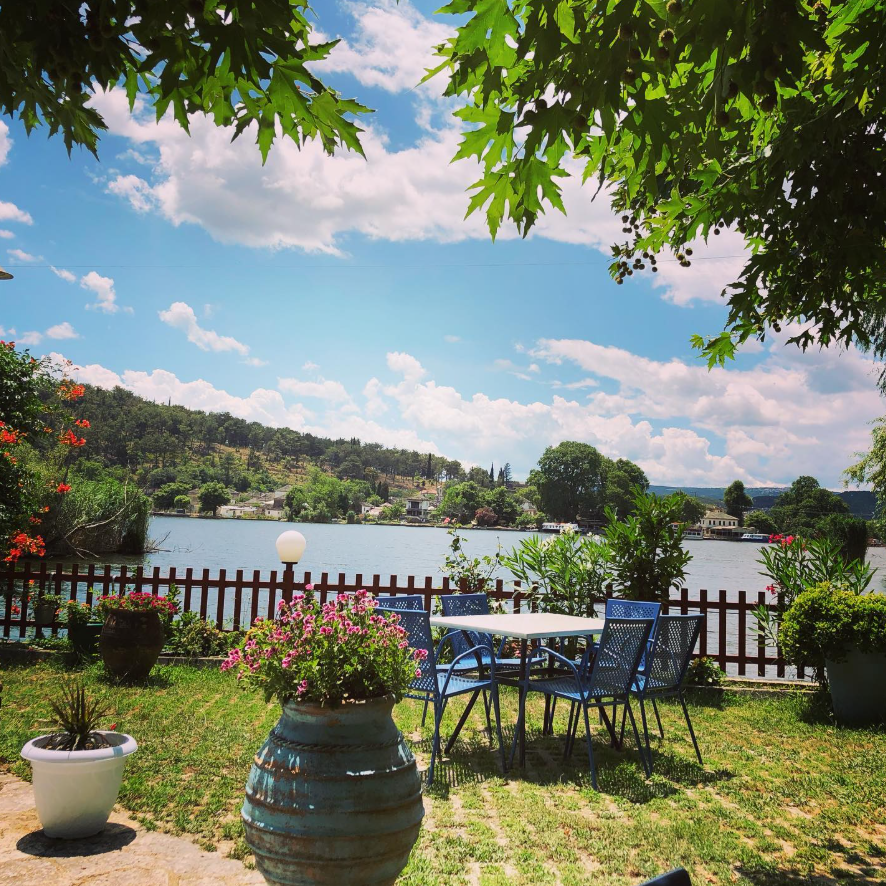
That relationship with the water continues to define the kitchen. Eel, once abundant in the lake, remains a signature dish, grilled over charcoal with little intervention. Trout appears simply cooked, allowing the freshness of the fish to carry the plate. Fried frogs’ legs, long associated with Ioannina’s culinary identity, are served as an every day delicacy.
Ntrampantova has passed through four generations of the same family and the space has remained largely unchanged, practical and unadorned, with an emphasis on function rather than atmosphere. Tables fill most reliably on Sundays, when extended families gather after morning walks along the lake. What distinguishes it today is its resistance to tradition and regional cooking, maintaining a steady course.
Amfithea, Ioannina, Tel.: +30 2651 081.132
Frontzou Politeia for an Epirote cuisine with a view
Once you have admired the breathtaking view form above and settled into your covered with white linen table, then you can focus on the delicious food. Bread baked in house, pies wrapped in excellently made phyllo, and special dishes like provatina saganaki that carry the intensity associated with the land’s cooking tradition. Slow cooked goat arrives tender, perfect in its simplicity, while meat cuts from the restaurant’s own Black Angus farm are cooked with minimal intervention, allowing for the flavors to shine.
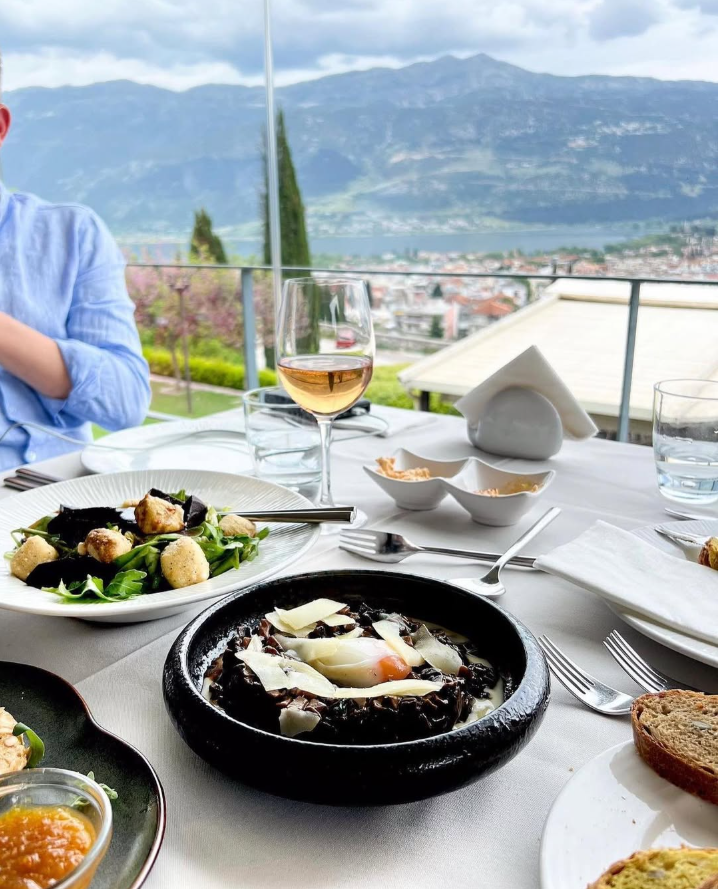

One of the menu’s highlights is the mushroom risotto, prepared with foraged varieties from the surrounding region. Properly prepared and aromatic, it demonstrates how a dish often associated with Italian kitchens has been fully absorbed into the local culinary vocabulary.
This is why Frontzou Politeia is the kind of restaurant where residents return repeatedly, confident in what they will find.
Lofos Aghias Triados, Ioannina, Tel.: +30 2651 021.011
Thamon for a taste into the city’s bourgeois cuisine
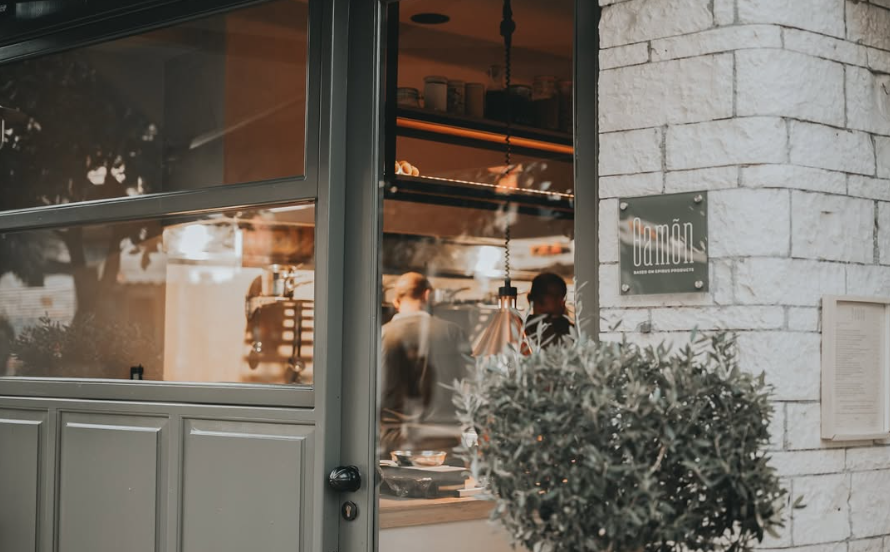
Alongside the rural and mountain based cooking of Epirus, Ioannina developed a parallel culinary tradition that reflected the life of its urban households. From the 17th century onward, the city functioned as an administrative, commercial, and cultural center, shaped by Ottoman rule, trade networks, and one of the most important Romaniote Jewish communities in Europe. Out of this environment emerged a bourgeois domestic cuisine, distinct from village cooking.
This was a kitchen practiced indoors, attentive to refinement. Sauces became smoother, preparations more layered. Meat was often paired with acidity, sweetness, or spice, recipes favored balance and control, relying on careful timing and method. It was a cuisine shaped by access to ingredients, by contact with other cultures, and by the rhythms of city life.
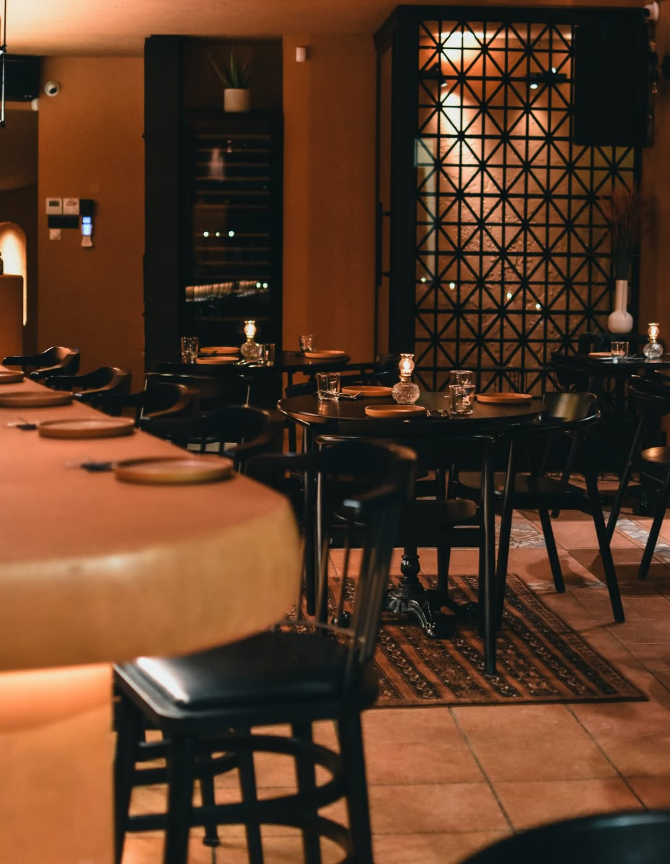
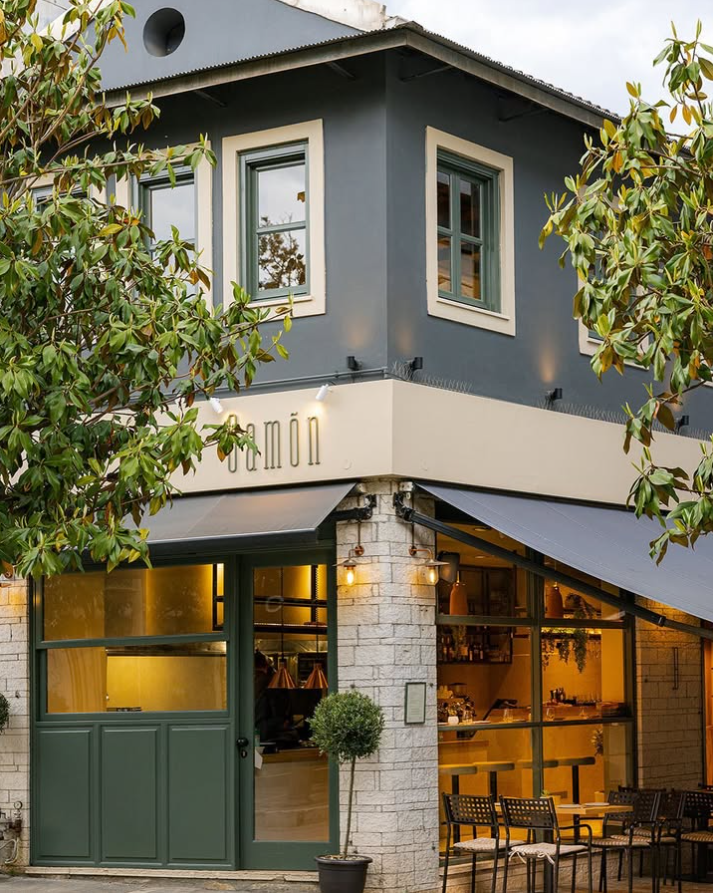
That historical lineage now finds a contemporary expression at Thamon, located in the historic center of Ioannina. The person behind it is Thanasis Tassos. Raised in Epirus, in a family long involved in hospitality through their hotel near Konitsa, for Tassos cooking was never a calling. Rather for him, it was a way to expand the family’s business. It was only in his early twenties, after returning from his studies abroad that he decided he wanted to shape how Ioannina’s restaurant scene interpreted traditional cooking. Upon his return, what struck him most was the absence of restaurants using local products. Friends and colleagues discouraged him from building a restaurant around it. But he went ahead anyway.
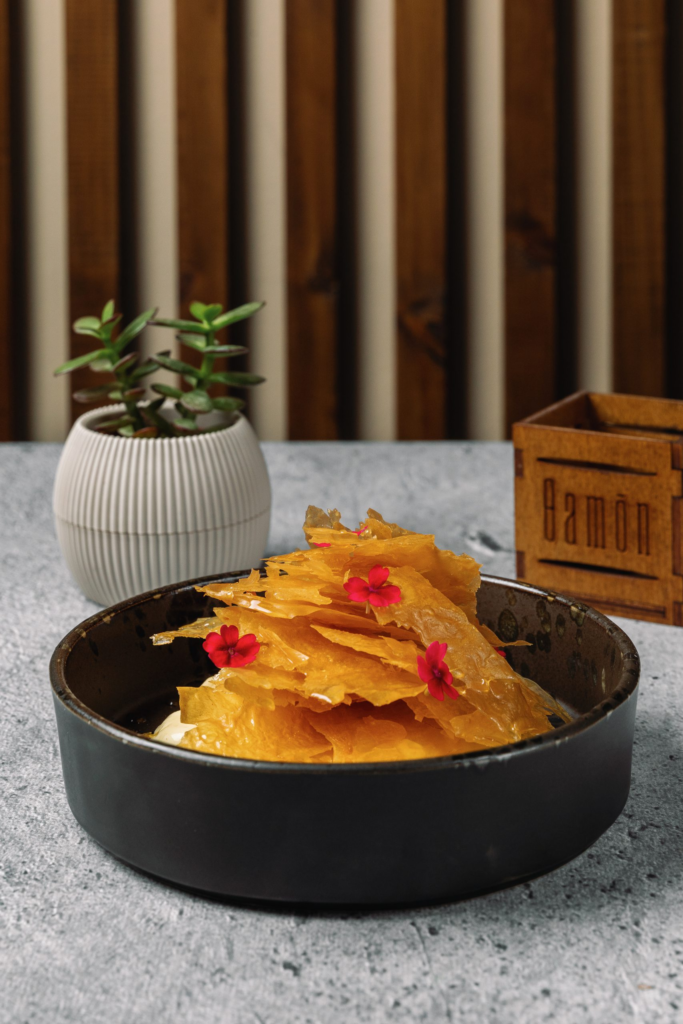
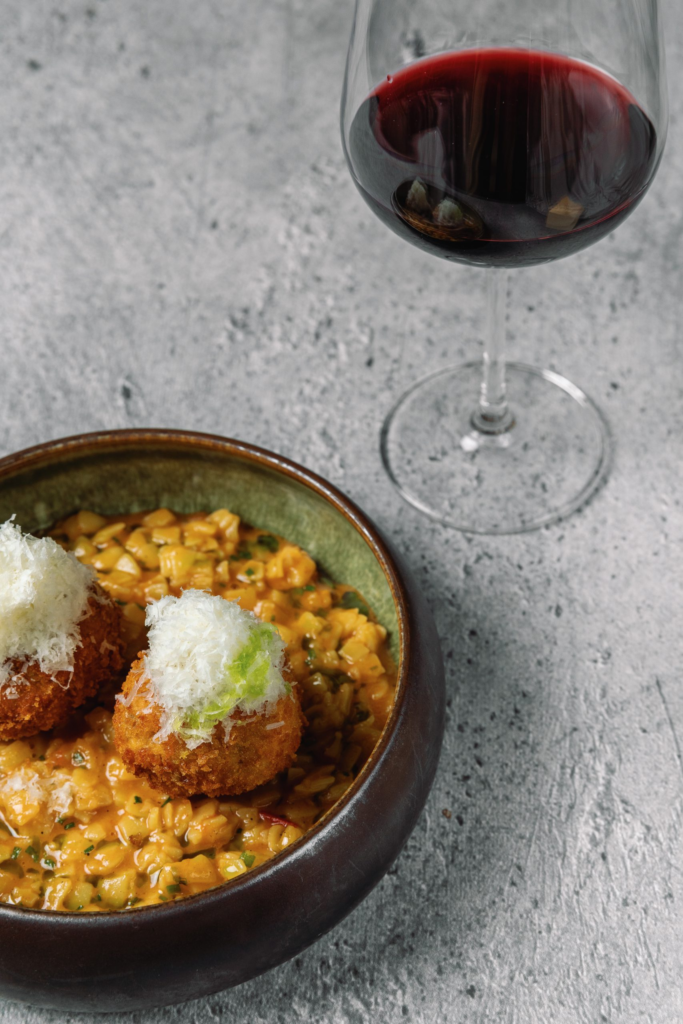
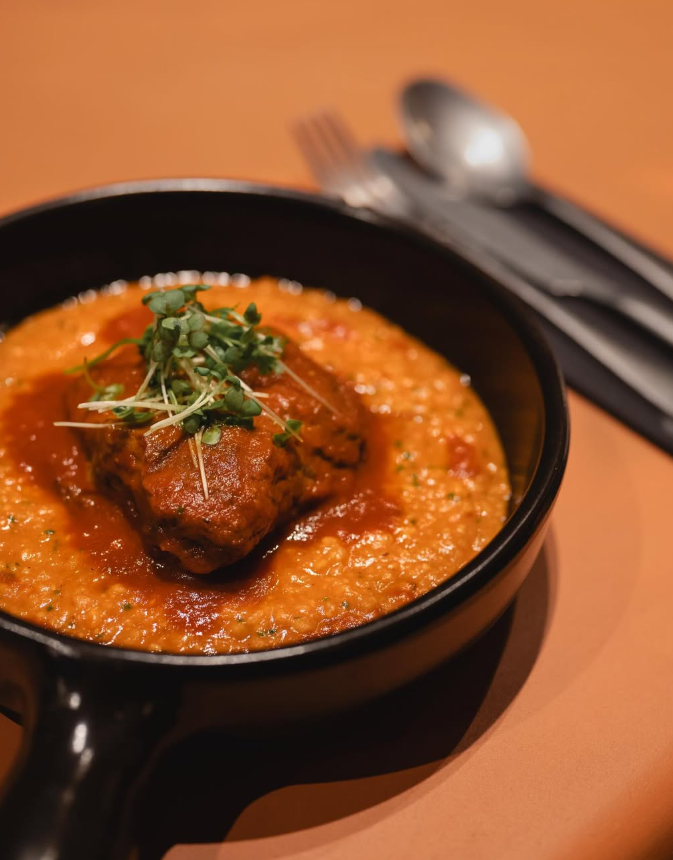
His dishes begin with the logic of the urban household table. Chicken meatballs arrive in a dense, carefully emulsified egg and lemon sauce, recalling Sunday lunches. Duck is paired with stifado style onions, topinambur cream, and aged vinegar. Trahana meets smoked eel, connecting inland grain cooking with the lake’s culinary history. Cabbage rolls filled with local mushrooms transform a familiar dish into something that can be found in fine dining restaurants. Can you think of anything better?
Averof 63, Ioannina, Tel.: +30 2651 083.500

photo: Nikos Kavvadas