 elc team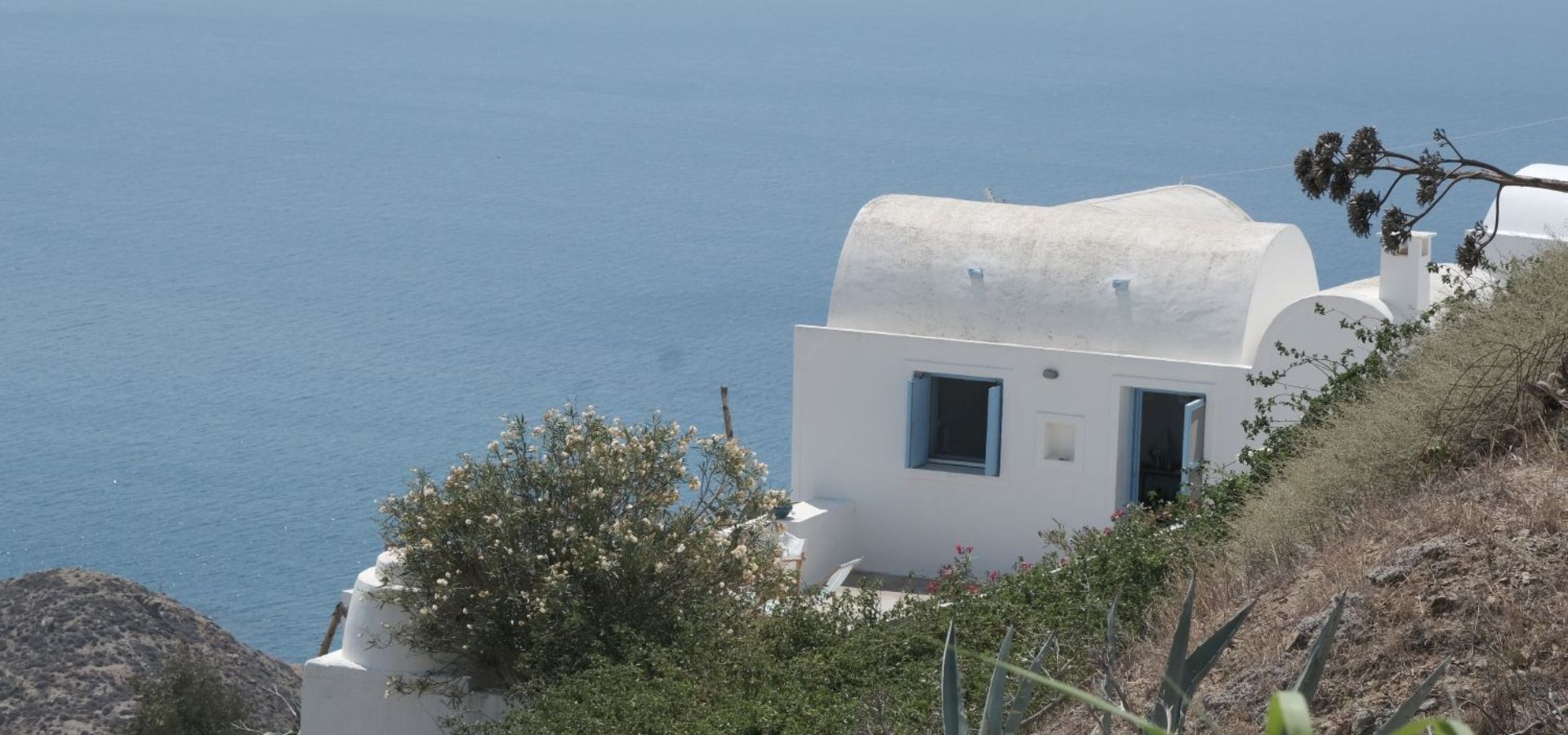
By Sofia Triantou
In its sun-scorched soil, forgotten recipes and old aromas grow. And there, among the sage bushes, you realize that tradition is not like a museum. It is life. And it is memory
Anafi, at the southeastern edge of the Cyclades, is not an island that tries to impress. It’s a quiet place, one that reveals itself slowly, only to those who truly observe it. At first glance, it may seem austere. But beneath its sun and rocks lies a world of scents, knowledge, and traditions that bloom when given the chance.
Each autumn, the harvest of wild saffron begins, the local “crocus.” The flowers are carefully hand-picked, their soft purple and bright yellow hues coloring both the conversations of locals and the island’s cuisine. From this flower, they make the famous saffron breads and the saffron cheese pie, dishes sprinkled with aroma and tradition, eaten for breakfast, lunch, and on festive days throughout the year.
Anafi is a botanical island. Savory, rosemary, sage, all grow abundantly on dry paths and slopes. These aromatic herbs are not mere flavorings: they’re part of a way of life. Local women dry them, tie them in bundles, preserve them in oil, or use them in healing infusions. Every plant has its use, its story, its time. And this rich mosaic of flora produces something unique: one of the most aromatic honeys in the Aegean. Anafi’s bees gather nectar from thyme, sage, lavender, creating a honey that’s kept like a talisman.
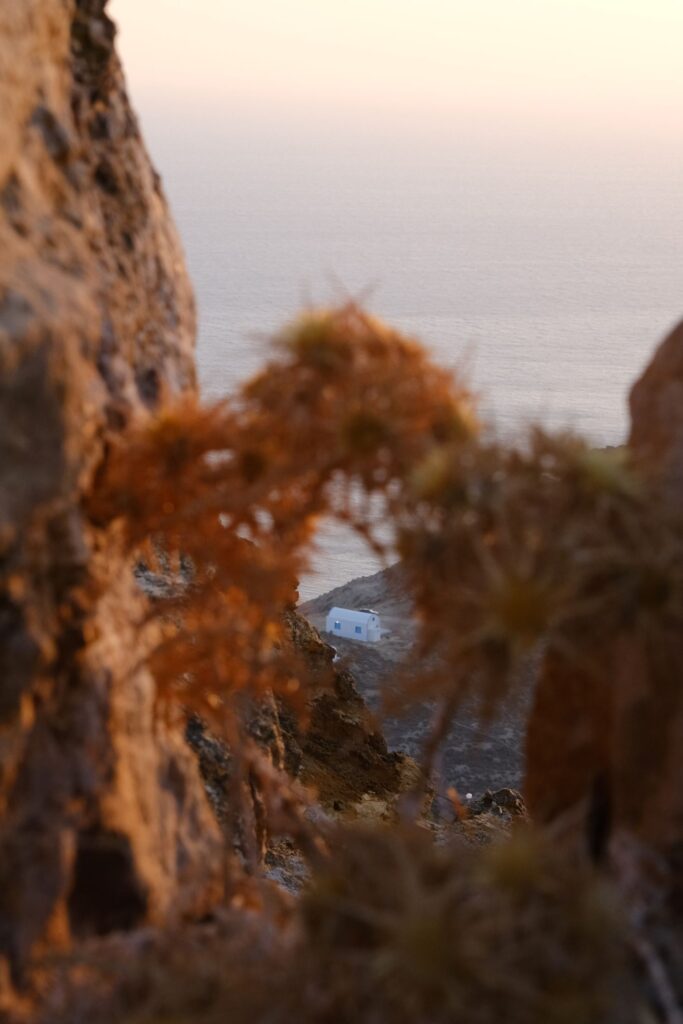
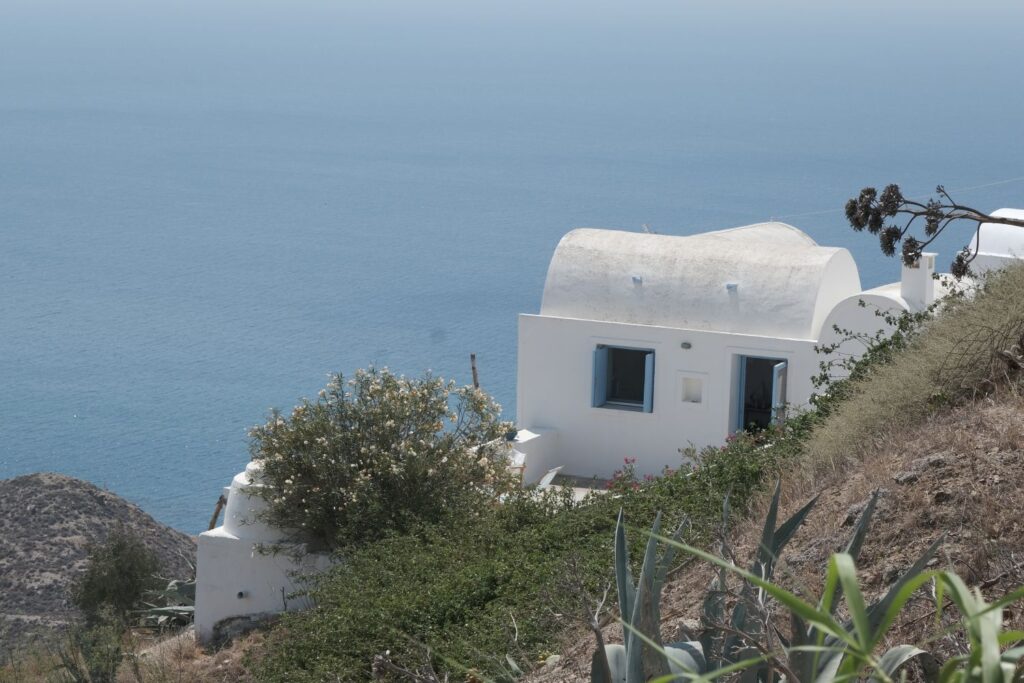
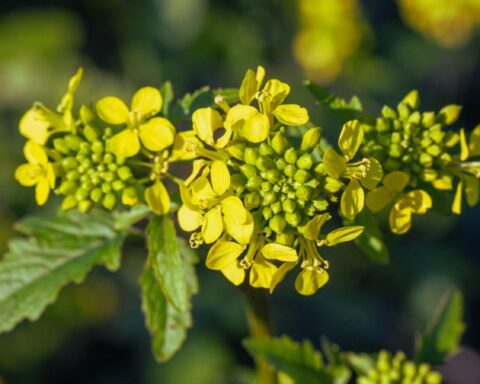
In winter, locals forage for “provatses,” wild greens that grow in the lowlands and are used in salads. Alongside them, you’ll find “yaloradiko,” a bitter green similar to Cretan stamnagathi. Locals also collect fennel, rock rose, sorrel, poppies, capers, and sea fennel.
Handmade pasta has a place of honor here. The women of the island still prepare “Anafiotika makarounia” by hand, laying them out on trays to dry in the sun. The thin-cut “hilopites,” often made with egg and milk, are stored for winter and served with oil, local cheese, and aromatic herbs.
Anafi is a small paradise for cheese lovers. “Xyali,” a soft cheese reminiscent of sour yogurt, is made from sheep’s milk. Boiled cheese, dry mizithra, kefalotyri, and “ladotyri” (cheese preserved in oil) are all made with care and knowledge. These cheeses accompany pasta, rusks, and the island’s traditional sweets.
Anafi’s sweet tooth comes to life in its festive confections. “Scaltsounia”, half-moon shaped pastries filled with nuts, sugar, honey, and cinnamon, are prepared during holidays. “Sesamomela,” the local version of pasteli, are made from sesame and honey, and shared during celebrations and feasts.
The island’s dry but fertile soil yields exquisite varieties: black-eyed peas, lentils, chickpeas. The local “Cycladic salad” includes sun-dried tomatoes, cucumbers, and native herbs, all dressed with olive oil, capers, and fresh bread.
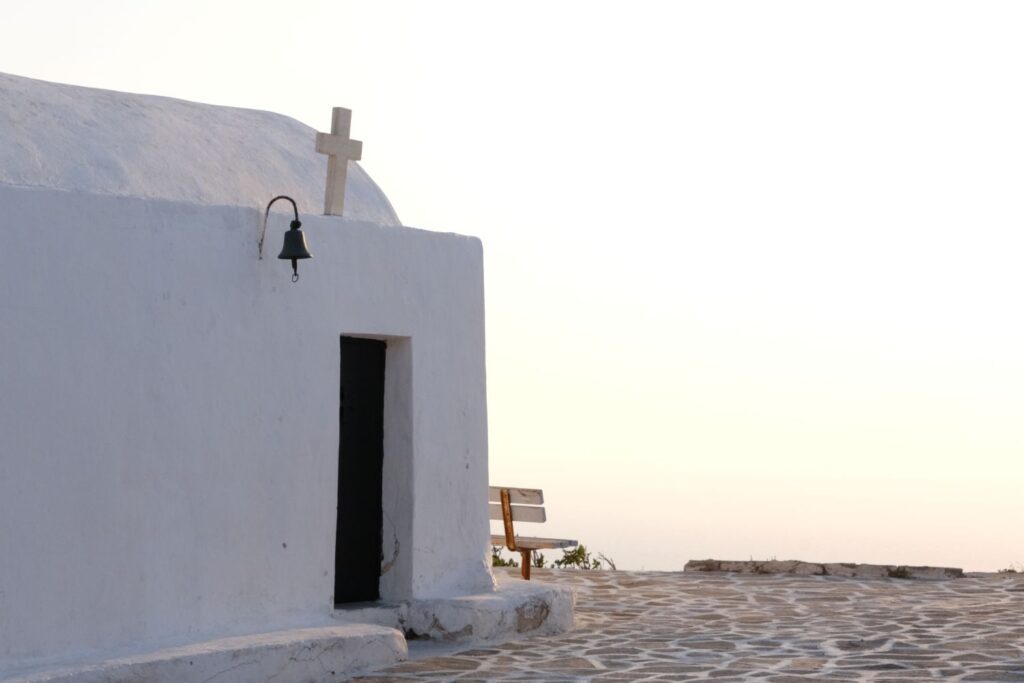
Though small, Anafi holds a powerful festive spirit. Every year on September 8, locals celebrate Panagia Kalamiotissa with a major feast at the monastery of the same name. Residents walk to the church, attend the service, and then dine together, goat stew, rusks, wine, and sweets.
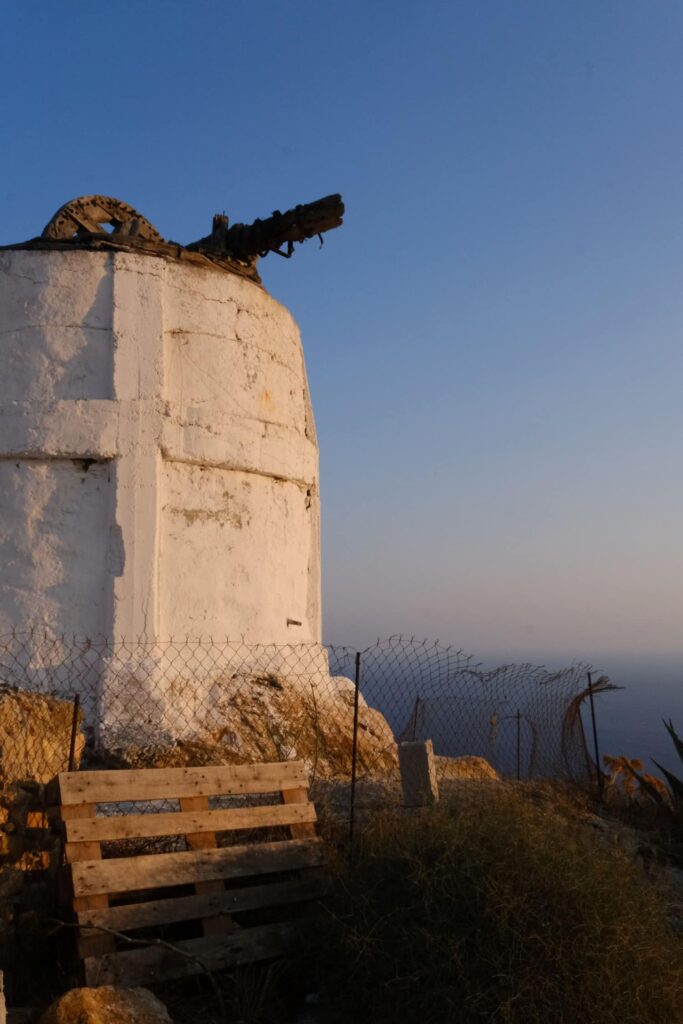
During Holy Week, vine branches are burned to scent the wood oven that will roast the Easter goat. Around the island’s chapels, festivals are held in honor of saints like Elias, Panteleimon, the Dormition of the Virgin, and Demetrios. Food is prepared collectively, flavors are shared, and the air fills with music, traditional bagpipes and drums echoing old rhythms into the night.
Anafi doesn’t appeal to those looking for something spectacular or cosmopolitan. It’s an island that asks to be lived slowly, like picking wild greens one by one. In its sun-drenched soil, forgotten recipes and ancient aromas bloom. And there, among the sage, you realize that tradition is not like a museum. It is life. It is memory.