 KATERINA PARRI
By Sofia Triantou
In the world of the Middle Ages, healing and magical thinking often coexisted within the same herbal preparation
Medieval Europe holds immense interest for those of us who study plants today. Not only because herbs formed a fundamental part of everyday healing practices, but also because through this knowledge we gain insight into daily life at the time and can better understand how medical knowledge has evolved.
Reading the remarkable text “Medicinal and Magical Herbs of Medieval Europe,” translated by Jarkko Kuisma from the notes of Bernat of Catalonia, I felt the urge to share this glimpse into a very different way of life.
As I read, I found myself thinking about how deeply people lived with herbs, in a way that today might feel almost magical. In reality, however, it was knowledge shaped through experience and a close relationship with nature. Plants were used to treat wounds, burns, fever, coughs, and many other conditions.
At the same time, these same herbs were embedded in a broader system of folk beliefs. Many believed they could protect against plague, evil spirits, sorcery, or even poisonous creatures. In the medieval world, healing and magical thinking often coexisted within the same herbal remedy.
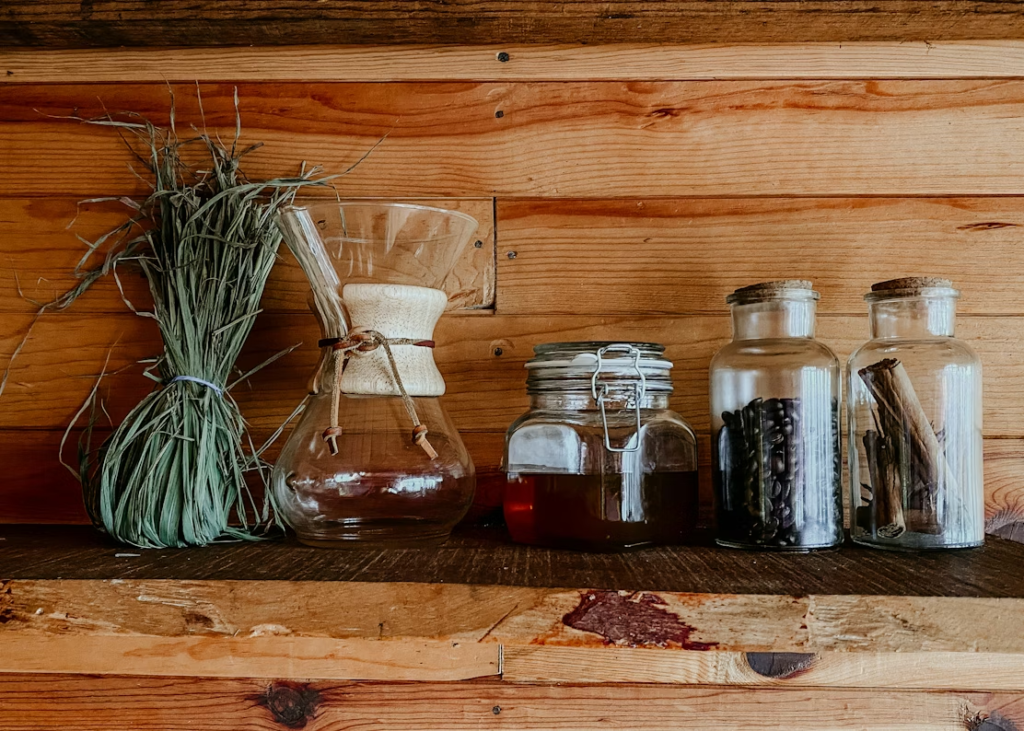
A central role in treatment was played by so-called medicinal potions. Here, it almost feels like a fairy tale. According to the text, such potions could enhance a healer’s abilities in both medical and surgical practices, as well as in wound care. An experienced healer could prepare several potions in a single day, while in other cases, these preparations were linked to more complex practices of herbalism or even alchemy.
The base of these remedies was usually a simple combination of herbs with a liquid or fatty substance. Herbs could be mixed with vinegar for burns, stings, or skin salves; with almond oil, walnut oil, or bay oil for ointments; or even with animal fat and wax for thicker preparations. For drinkable remedies, milk, water, or wine were commonly used. White wine appears as an antidote to poisons, while hydromel – a mixture of water and honey – was used for fever, cough, and stomach ailments. Another preparation, oxymel – made of honey, aged vinegar, salt, and water – was used for fever, cough, and snake bites. Even rainwater (remarkably) or boiled grape juice are mentioned as ingredients in these remedies.
The sourcing of herbs relied mainly on cultivation. Many of the plants mentioned in the text were grown in the gardens of monasteries and royal estates throughout medieval Europe. This cultivation was significantly encouraged when Charlemagne, through the Capitulare de Villis, ordered the systematic cultivation of medicinal plants across his empire. Gradually, many of these plants also found their way into the gardens of ordinary people. Where cultivation was not possible, healers gathered plants from the wild, though success depended heavily on local geography and environment.
The list of plants reveals that much of medieval herbal practice focused on treating wounds and burns. Arnica was used for bruises and injuries, centaury for wounds and sprains, while comfrey was considered essential for burns, fractures, and trauma. Similar uses are recorded for cypress, elm, plantain, hyssop, agrimony, and vervain. For burns, alder, barley, fig, pine, and thyme are also mentioned.
Equally common are plants used for respiratory conditions. Angelica is referenced for respiratory illnesses, cumin for fever and breathing issues, while licorice, mint, and thyme were also associated with coughs and respiratory problems. Mullein and horehound were considered helpful for coughs, while hyssop and southernwood were used for infections, respiratory conditions, and even snake bites.
The treatment of poisons and bites was also central to medieval medicine. Anise was described as a universal remedy for venomous stings, cumin was used for scorpion stings and snake bites, while garden cress was used for cough, parasites, and stings. Cypress was believed to counter spider venom and snake bites. Other plants in this category include juniper, lovage, mallow, oregano, and wild lettuce. Saffron was associated with the famous antidote of Mithridates and was therefore considered effective against all types of poison.
Particularly fascinating are the plants regarded as panaceas. Sage was described as one of the most important herbs of medieval Europe, encapsulated in the phrase: “How can a man die while sage grows in his garden?” Similar properties were attributed to garlic, mallow, nettle, and valerian.
At the same time, the text also refers to highly dangerous plants. Belladonna, hemlock, henbane, and mandrake appear as powerful substances used as painkillers or anesthetics, but also capable of causing hallucinations or death. Henbane, for example, was used as an anesthetic in surgical procedures, while mandrake was part of an anesthetic potion prepared in Bologna in the 13th century.
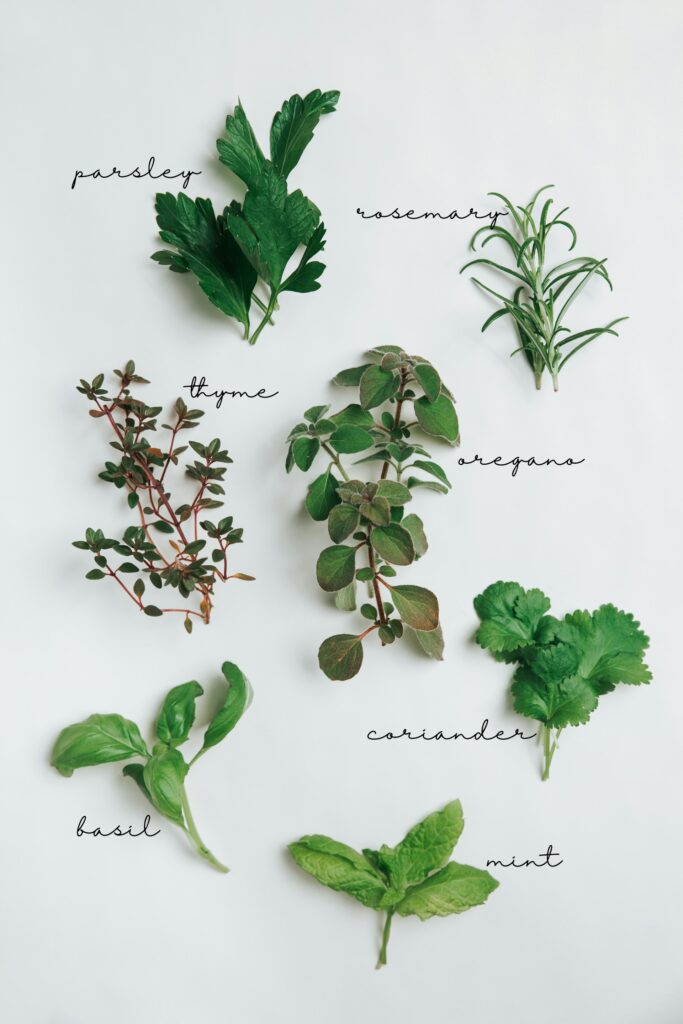
One of the most distinctive aspects of medieval herbal knowledge is the attribution of magical properties to plants. Angelica was believed to protect against witchcraft, cumin against the evil eye, while garlic was thought to ward off evil forces, vampires, and snakes. Juniper and rosemary were associated with protection against epidemics, while oregano was believed to guard against witches and demons. Many plants were also considered aphrodisiacs, including basil, lovage, mallow, mint, and sage.
References to monasteries are frequent, highlighting the crucial role of monastic gardens in preserving and transmitting knowledge about medicinal plants. Certain herbs were systematically cultivated in these spaces, while the work of scholars such as Hildegard of Bingen further contributed to the dissemination of botanical knowledge.
What emerges from this collection of plants is a world where medicine, tradition, and belief coexist. The same herbs could function as remedies, protective charms, or ingredients in magical potions. Through this synthesis of knowledge and belief, plants became one of the most essential means of care and protection for people in medieval Europe.