 elc team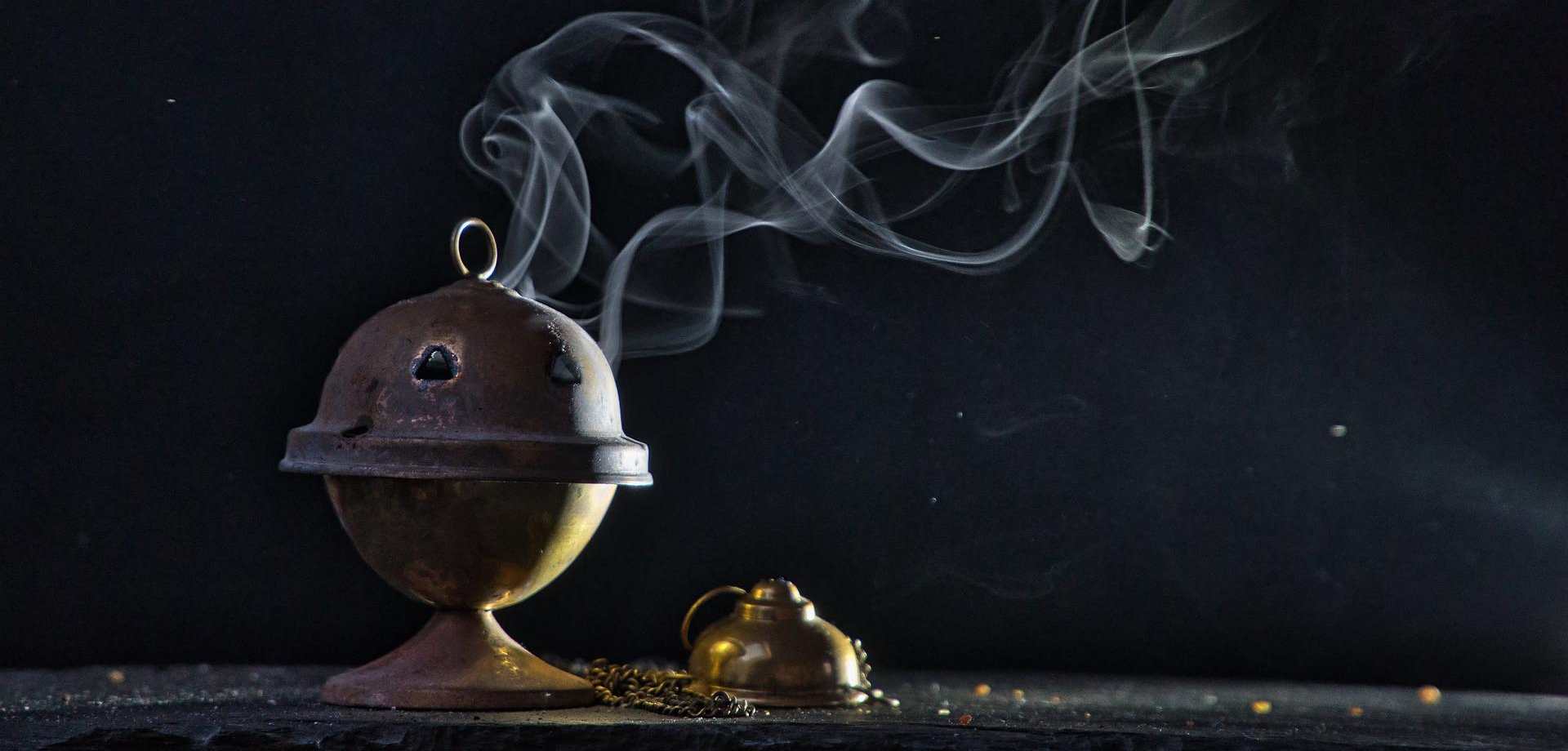
By Sofia Triantou
The use of incense dates back thousands of years, although the substances burned vary from place to place and from era to era.
Many times, when I read about the history of incense and perfumes, I find myself wondering what the ancient Mediterranean smelled like, and why incense burners were chosen as a means of speaking to the gods. What did the rooms of the ancient world smell like, despite the ever-present odors of daily life?
Incense and fragrance: these are the two defining elements that made incense both famous and essential. Incense refers to the solid material, while fragrance is its essence-without it, there is no result. Smell and aroma. Fire is the necessary element that transforms the solid substance into fragrance through smoke.
The historical use of incense goes back millennia, although the substances burned differ across regions and eras. Smoke with a sweet, warm scent was often the medium through which people communicated with the gods, expressing respect and devotion.
When the Magi brought frankincense and myrrh along with gold to the infant Jesus, their intention was to offer sacred substances to perfume both the home of the newborn and his body. Kyphi was a popular aromatic blend from Egypt, dedicated to Isis, but it was also used at home before sleep to help people rest peacefully. It was made from myrrh, frankincense, saffron, cinnamon, cassia, raisins…
It is also fascinating that shepherds in Crete would collect, from the beards of their goats after grazing, residues of resin from the shrubs of Cistus ladanifer to use as incense. In Crete, saffron-known today as krokos-was also commonly used in incense mixtures.
We continuously read that people used fragrances released from various burning materials in religious rituals, cosmetics, or for therapeutic purposes. Through the use of incense, they observed that aromas could influence mood and transform the surrounding environment. Incense helped people relax, concentrate, pray, and even heal. For ancient civilizations, it was also important that fragrance could mask the smell of death.
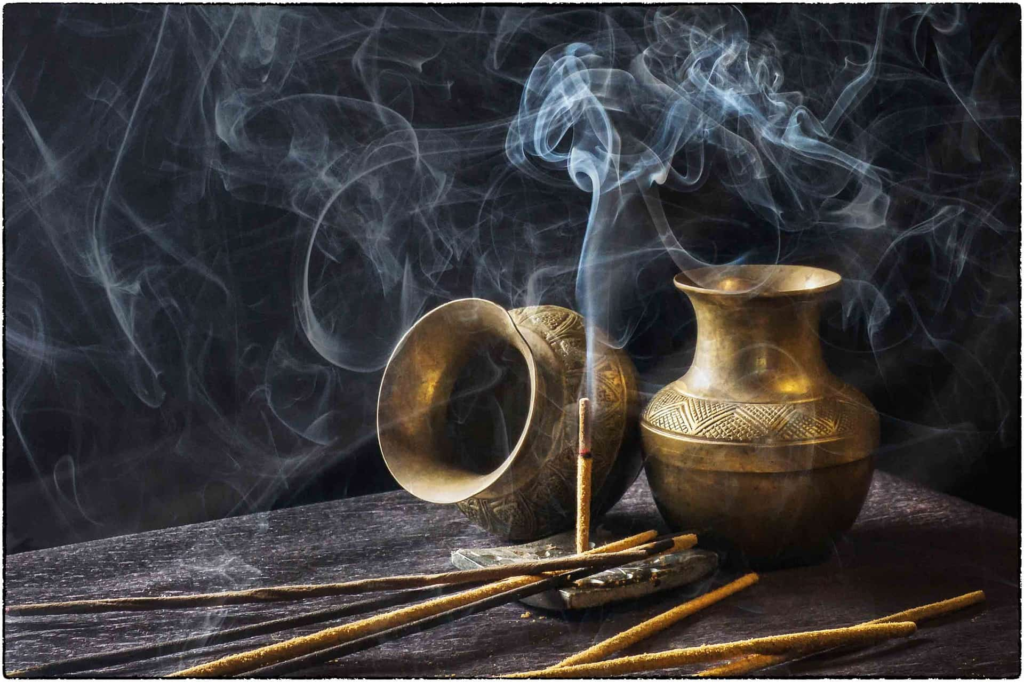
Greek literature records both the beneficial power of aromas and the different methods used to cleanse a space. Burning aromatic resins, or applying spices and fragrant herbs, aimed at disinfecting buildings while also maintaining pleasant scents.
From Euripides we learn that incense was part of the daily duties of servants in the 5th century BC, who cleaned homes and swept floors. Pliny the Elder describes various ways to scent the rooms of wealthy households. For example, water mixed with verbena was used on meat to make it more appealing and, after the meal, to purify the air.
The scent of the church became one of the elements through which the glory of God was conveyed. Light, color, and chanting also played an important role, yet scent remained central. One often hears of the sweet fragrance of Byzantine churches, especially that of Hagia Sophia, which left a deep impression on visitors-n impression that lingers even today.
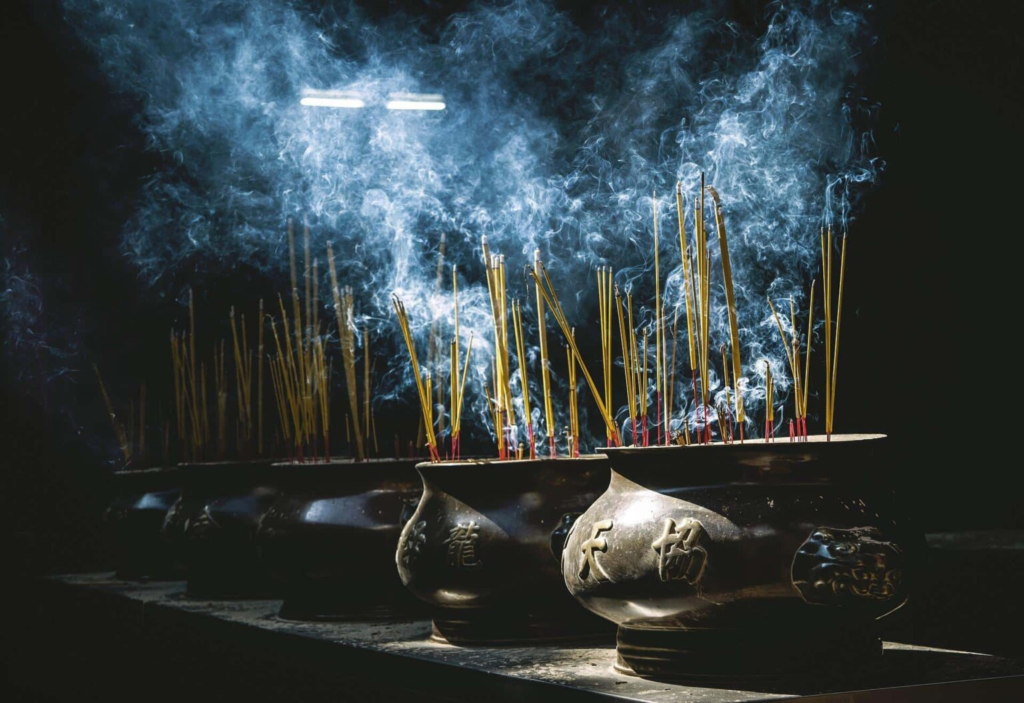
One of the most fascinating aspects of studying incense is the desire to recreate some of these ancient recipes. It offers us a brief moment to experience how ancient temples, homes, banquets, and sacred spaces once smelled. Frankincense, myrrh, sage, and even attempts to reproduce Kyphi have gained many admirers among fragrance enthusiasts and those drawn to the power of incense.
Scent your home with frankincense in winter, with sage in a new house, with myrrh at Christmas, and with mastic in autumn.