
 KATERINA PARRI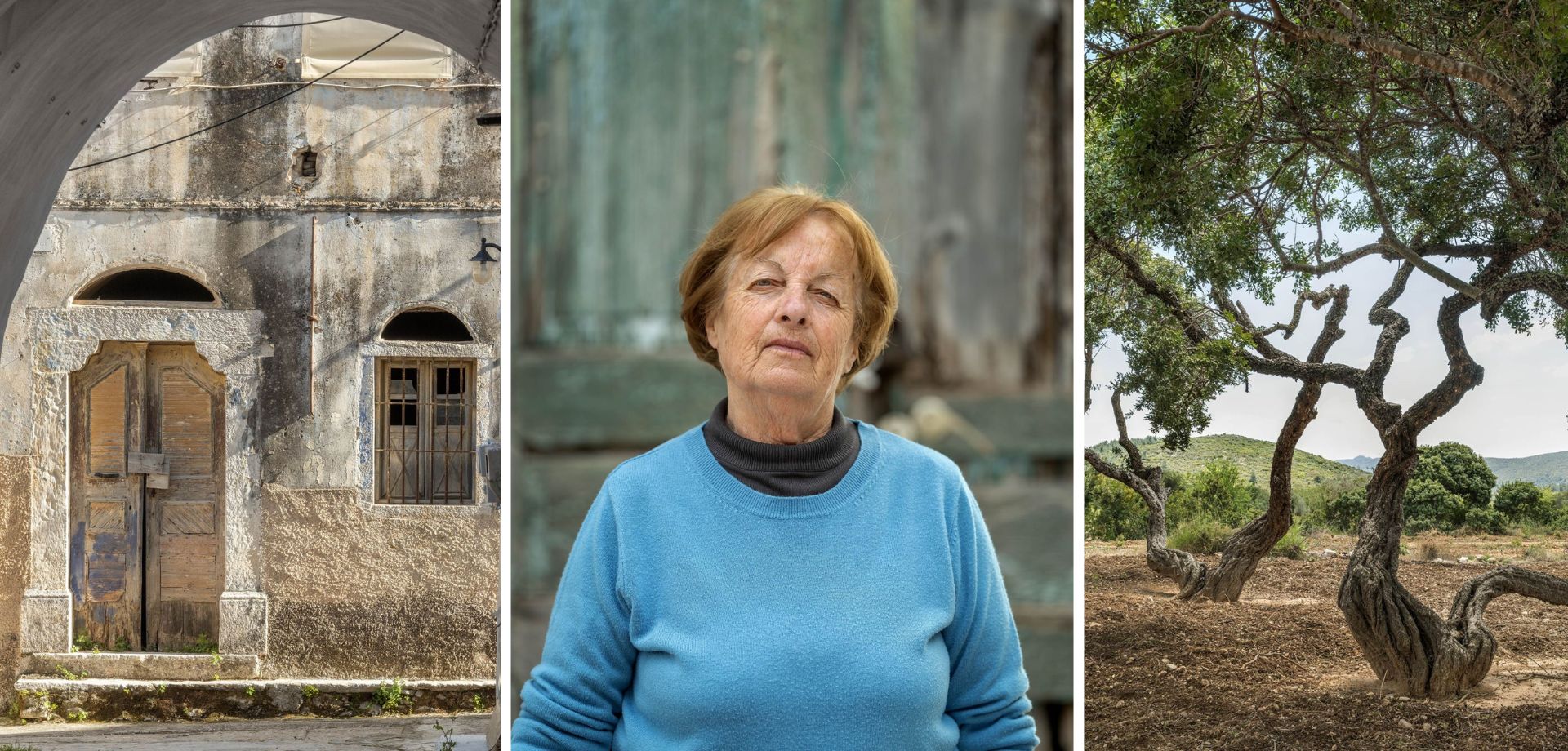
Kalamoti, one of the fortified medieval villages of Chios, stands as a rare living testament to the island’s layered history and its enduring relationship with the mastic tree. With its labyrinthine street patterns, austere stone architecture, and a community shaped by centuries of resilience, the village offers a unique lens through which to explore questions of heritage, identity, and the aesthetics of place. The Micheli Foundation’s new exhibition brings this singular environment into focus through the work of photographer Giorgis Gerolymbos, whose images, at once precise and deeply atmospheric, reveal the quiet harmony between landscape, architecture, and the people who inhabit them. Through aerial views, intimate portraits, and studies of the iconic mastic trees, the exhibition invites us to reconsider how historic settlements breathe, endure, and speak to the present moment.
For more than 40 years, the Micheli Foundation has supported the study of aesthetics, consistently highlighting timely issues that either fall squarely within its field of expertise or emerge through dialogue with architecture and the philosophy of art.
The case of the medieval village of Kalamoti in Chios is unique not only because it combines architectural and historical interest, but also because it encapsulates many contemporary concerns regarding the preservation and promotion of our cultural heritage and the ways we are called upon to manage it in the 21st century.
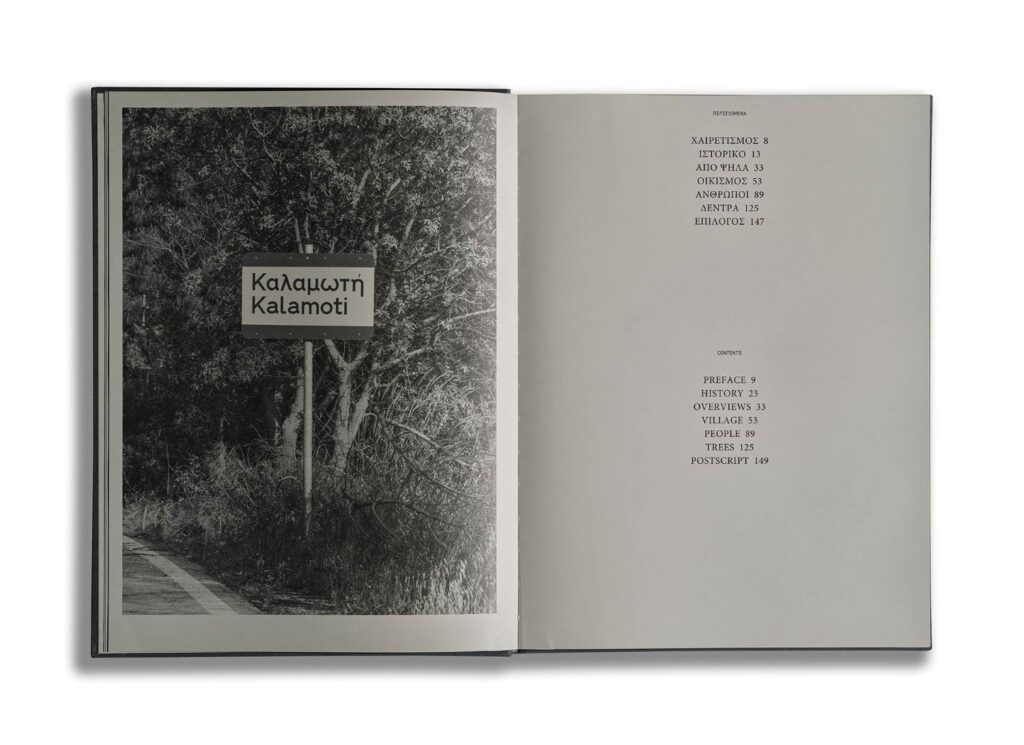
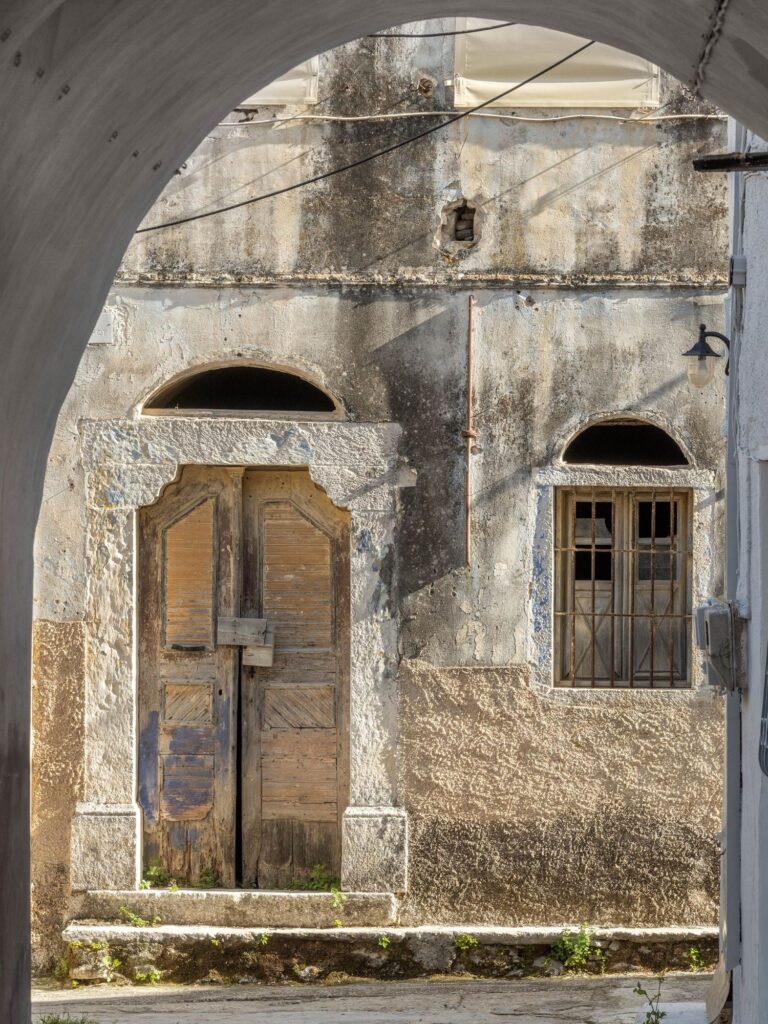

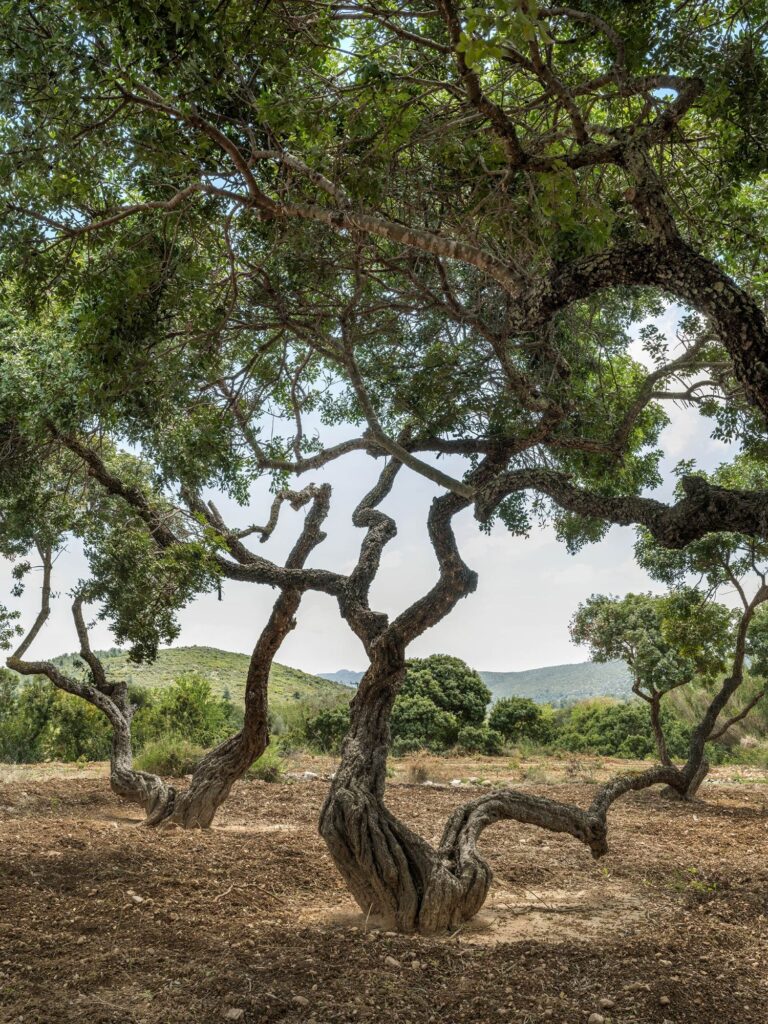

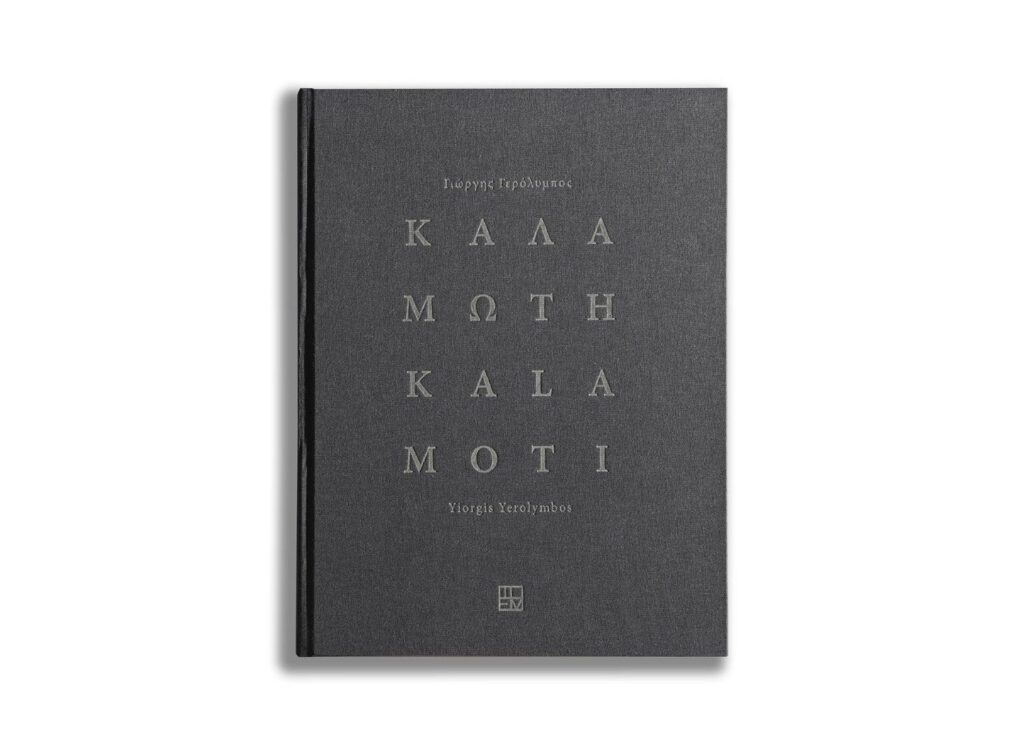
The album accompanying the exhibition presents the place through the distinctive eye of photographer Giorgis Gerolymbos, and is divided into four thematic sections, as are the photographs in the exhibition: from above (aerial views), the settlement, people, and trees. The aim of this publication is to spark a renewed, meaningful conversation between the academic community and society at large on the aesthetics of historic settlements and the imprint they leave on the present and the future.
[…] After spending a week walking the village up and down, from end to end — capturing its streets that sometimes lead to something unexpected and other times to nowhere, photographing the people who call this place home, flying high above it to record its layout, and finally focusing closely, from ground level, on the typology of the mastic trees — one effortless conclusion emerged in my mind: the tranquility I felt upon arriving here, I recognized in every image I saw through my lens. Tranquility in the planned geography of the village, tranquility in its quiet streets, tranquility in the faces of the people I met who allowed me to keep their image, and, finally, tranquility in the eternal trees I found before me — trees that grow nowhere else. I felt that these streets, these buildings and, above all, these people, like the mastic trees themselves, cannot be found anywhere else in the world. […] – Giorgis Gerolymbos
A few words about Giorgis Gerolymbos
Giorgis Gerolymbos (Paris, France, 1973) studied Photography in Athens and Architecture in Thessaloniki, completing postgraduate studies and a PhD in the United Kingdom. He is a Fulbright Foundation Fellow and was a member of the Greek participation at the Venice Architecture Biennale in 2012 and again in 2014.
From 2006 and for a decade, he served as the official photographer of the construction of the Stavros Niarchos Foundation Cultural Center, designed by Renzo Piano. In 2020, he was selected by the Louvre Museum to undertake the photography for the museum’s official book in Abu Dhabi, designed by Jean Nouvel.
His most recent book, Orthographies, was published by Yale University Press and was presented at MoMA in New York.
Info
Kalamoti: A Medieval Village of Chios
Photography by Giorgis Gerolymbos
Organized by the Micheli Foundation
79, Vassilissis Sofias Ave.
115 21, Athens, Greece
Exhibition Dates:
24 November – 22 December 2025
Opening Hours:
Tuesday, Thursday & Friday: 12:00–20:00
Wednesday: 11:00–16:00