 KATERINA PARRI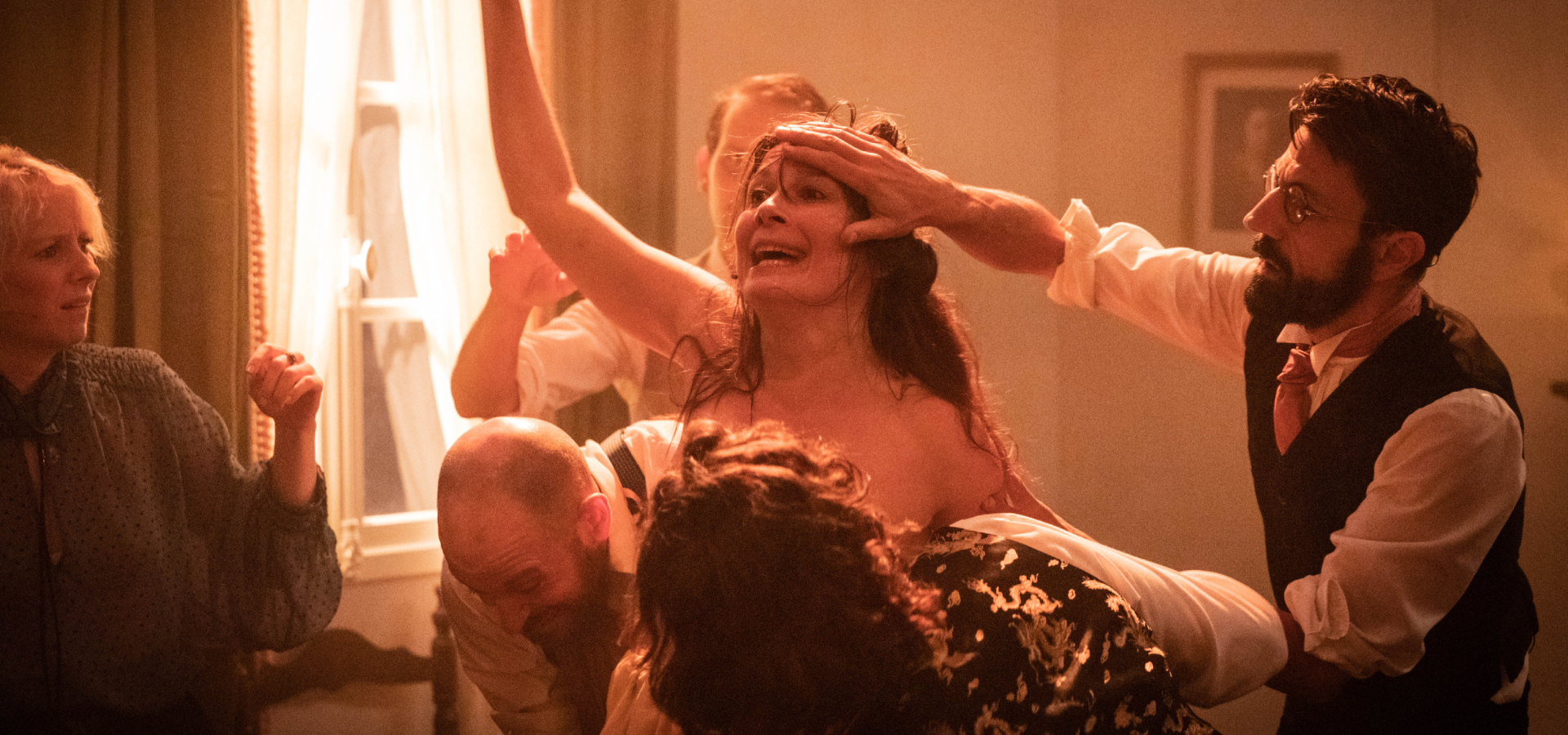
A requiem for love and humanity – Julien Gosselin’s The Past at Stegi
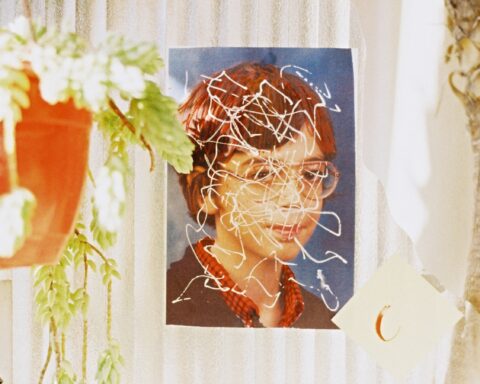
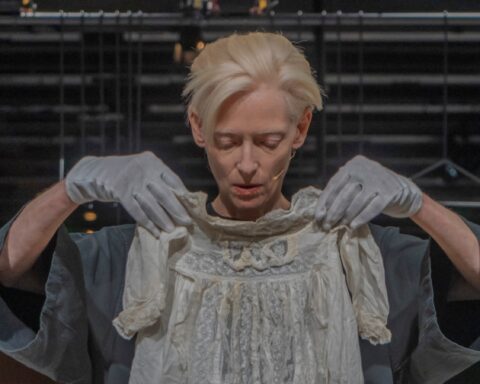
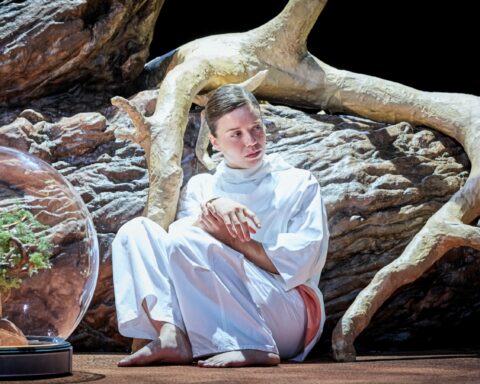
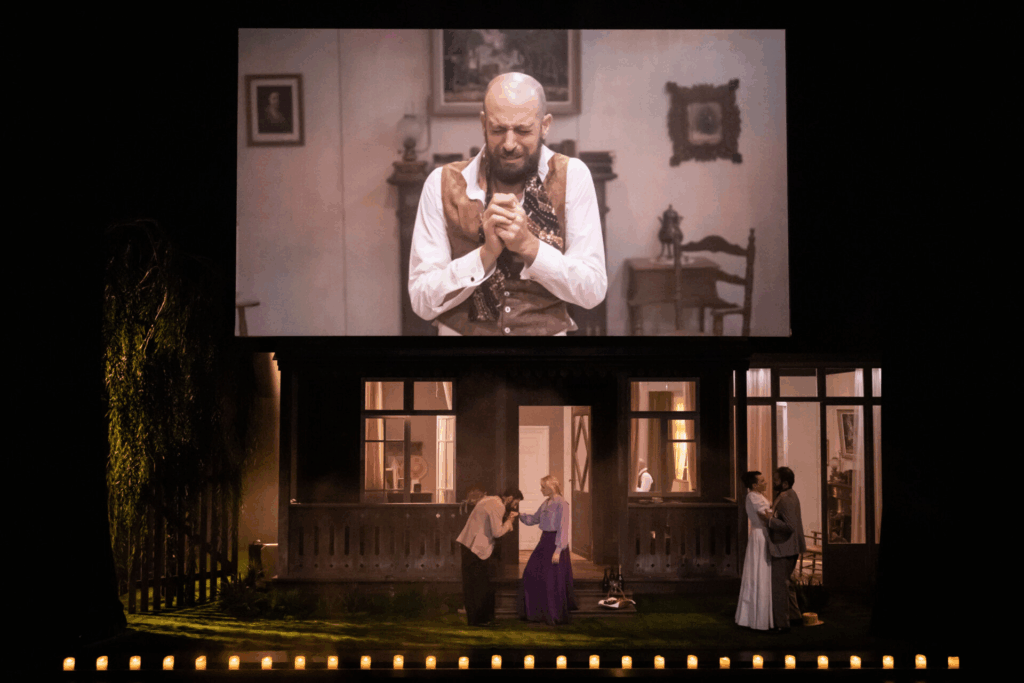
“The Past”, a production based on the writings of Leonid Andreyev, comes to the Onassis Stegi Main Stage for a limited run from October 16, adapted and directed by Julien Gosselin. An epic theatrical work unfolds like a postmodern requiem for the 20th century, for love and for humanism, featuring live cinematography and powerful performances by a seven-member ensemble. The production bears the signature of the acclaimed French director and current artistic director of the Odéon-Théâtre de l’Europe in Paris.
“The future is the past,” declares Julien Gosselin. In his Stegi debut, he invites audiences to embark on an epic search for lost time, humanism, and the belief in beauty with The Past (Le Passé). Since his very first productions- Michel Houellebecq’s The Elementary Particles and Roberto Bolaño’s 2666-Gosselin has been a director synonymous with celebrating literature on stage. Now 38, he draws his inspiration for The Past from the short stories of Russian author Leonid Andreyev (1871–1919). It is the first time he has staged a text from the previous century, as his work has until now been rooted in contemporary literary masterpieces. Gosselin sought a work that would highlight a society in decay at the dawn of the 20th century. As he puts it: “I wanted to tell a story of farewells. These people should not be killed by the weapons of the revolution. They should slowly fade away in the flow of events.”
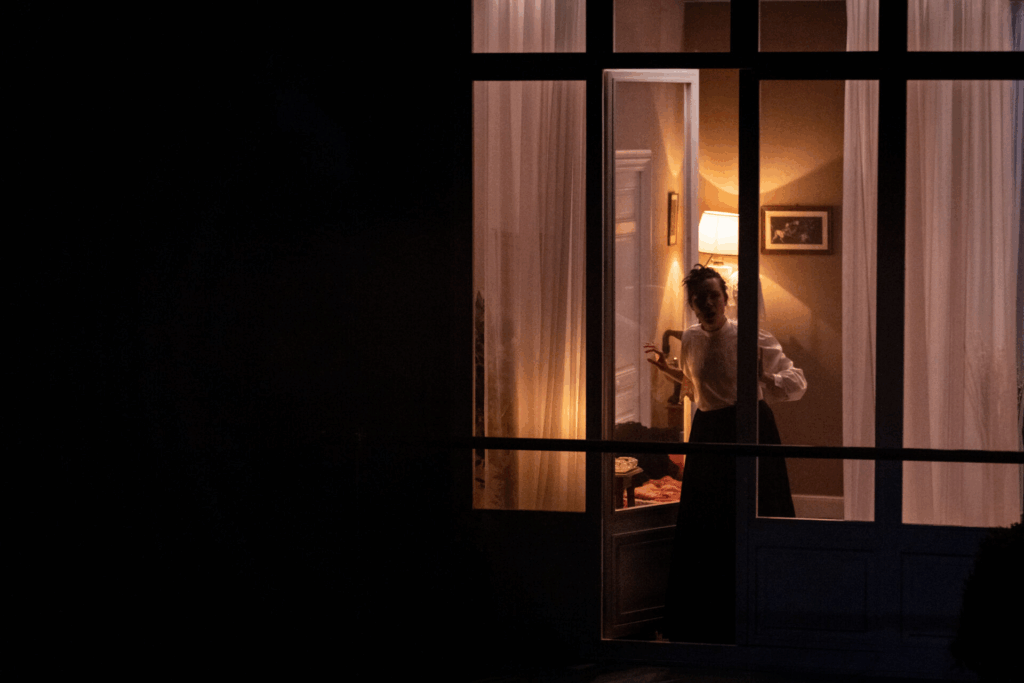
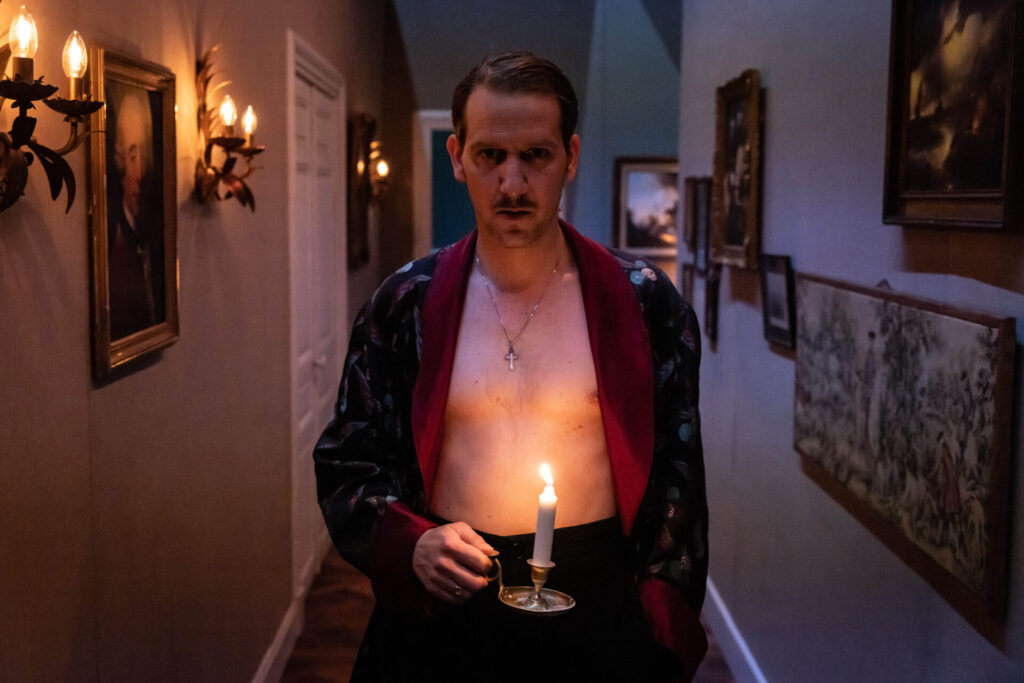
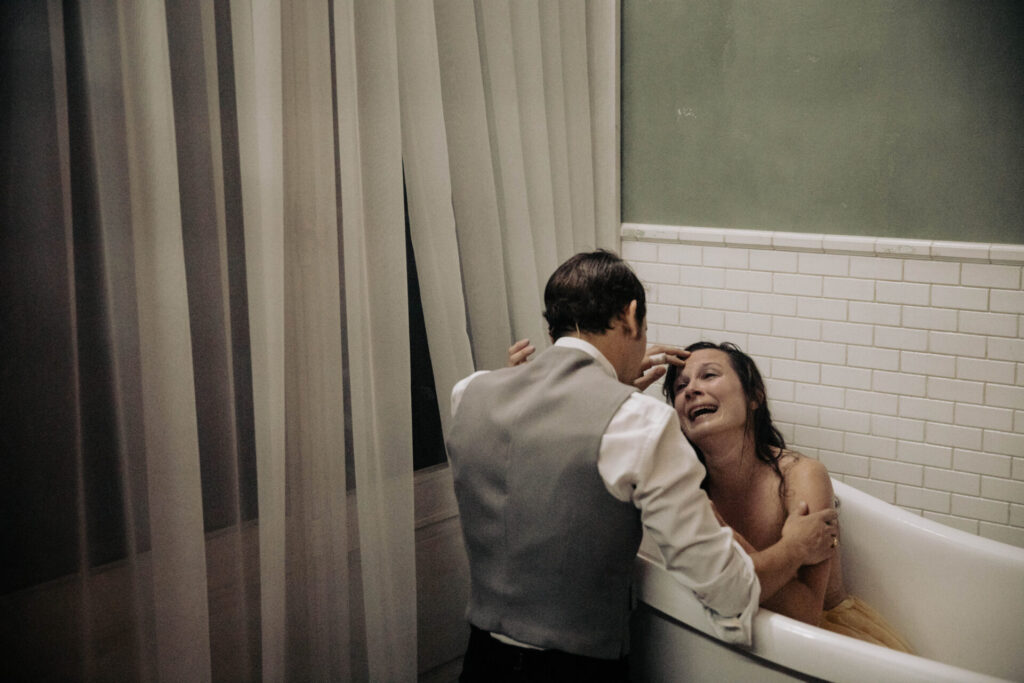
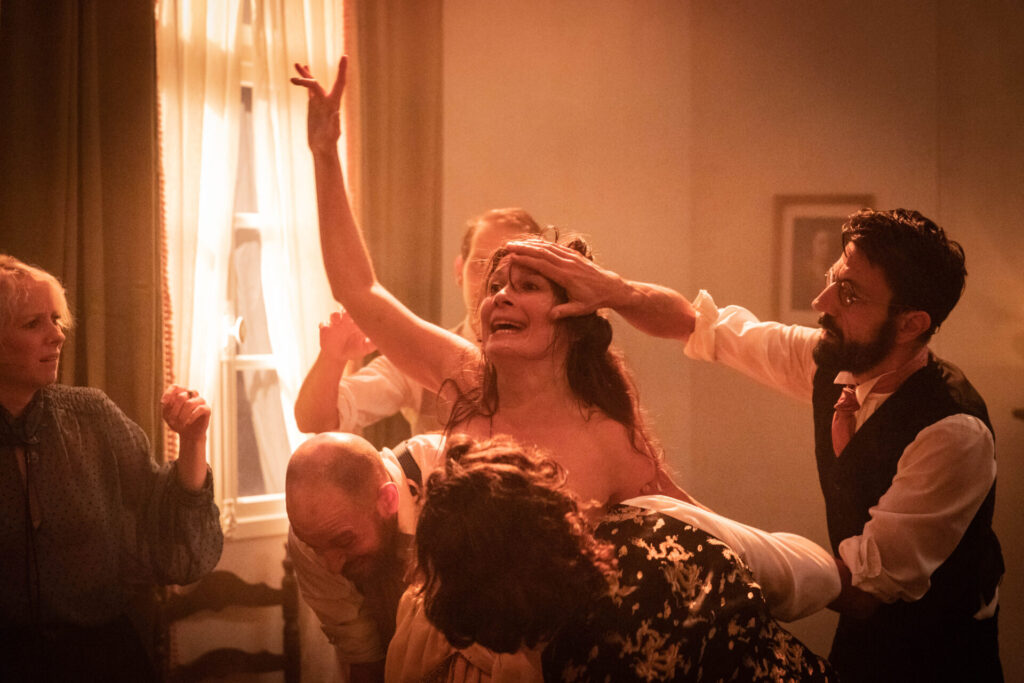
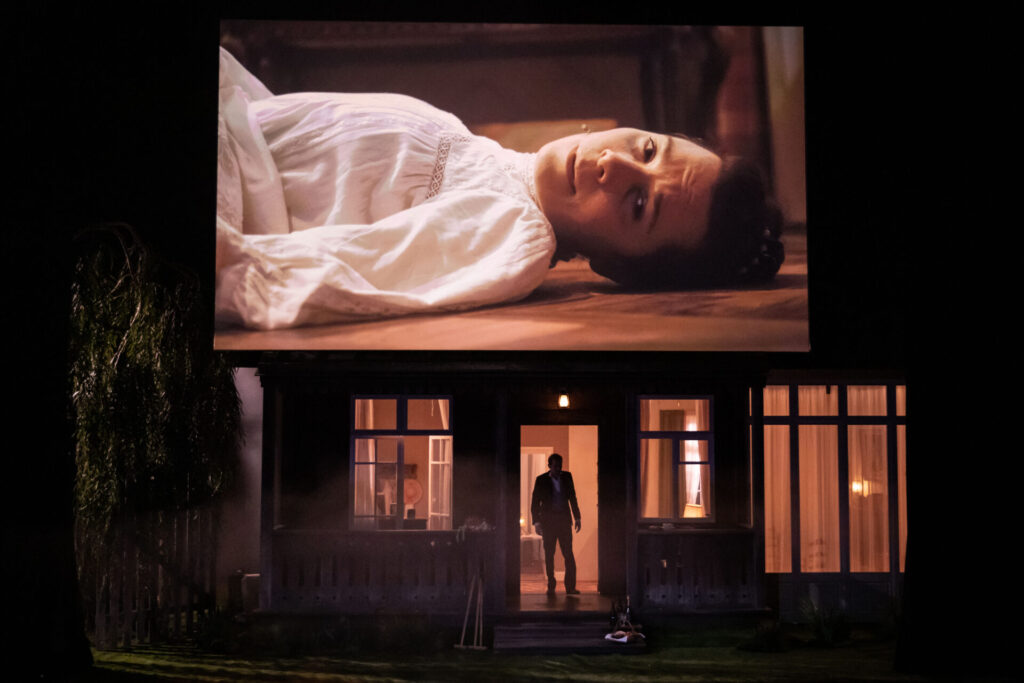
His goal: a “performance-tribute to the disappearance of theater and humanity.” The Past begins with a failed femicide and includes a shocking scene where the ideal of first love is stripped bare, along with a series of extremes in the name of love. And yet, the production is shaped as a work of art: period costumes and Tarkovsky-like cinematic scenes unfold by candlelight in a house that is built and collapses before our eyes-just like the relationships of its residents. Snow-filled landscapes reminiscent of Flemish Renaissance painter Brueghel coexist with live filming of the cast, whose performances radiate relentless intensity in a heart-wrenching farewell ritual to love-and therefore to humanity itself. Drawing on Andreyev’s Katerina Ivanovna as the play’s backbone, Gosselin interweaves excerpts from other Andreyev works, used as interludes or choral interventions, propelling us on a wild journey: into the abyss of human nature, the underbelly of society, the anxieties of theater, and the edge of nonexistence. A production with a storm-like narrative and a harrowing plunge into life, society, theater, patriarchy, loneliness, and existence today. A daring and demanding work that breaks form and fearlessly plays with genres, ideas, and certainties. No one leaves this experience unscathed.
Julien Gosselin in conversation after the performance: Sunday, October 19
Masterclass with Julien Gosselin: Saturday, October 18, 15:00–17:00 (book here)
More about Julien Gosselin
Julien Gosselin studied at the École supérieure d’art dramatique in Lille under Stuart Seide. In 2009, together with six fellow students, he founded the collective Si vous pouviez lécher mon cœur and directed Fausto Paravidino’s Gênes 01 (Théâtre du Nord, 2010), Anja Hilling’s Tristesse animal noir (Théâtre de Vanves, 2010), and Les Particules élémentaires, based on Michel Houellebecq’s novel (Avignon Festival, 2013; Les Ateliers Berthier, Odéon, 2014; revival at Théâtre de l’Odéon 6e, 2017). Other productions include Pascal Bouaziz’s Je ne vous ai jamais aimés (National Theatre of Brussels, 2014), Stéphanie Chaillou’s Le Père (National Theatre of Toulouse, 2015), and 2666, adapted from Roberto Bolaño’s novel (Avignon Festival, 2016; Les Ateliers Berthier, Odéon, 2016). After Aurélien Bellanger’s 1993 (Marseille Festival, with the 43rd class of the National Theatre of Strasbourg), he returned to Avignon with Joueurs, Mao II, Les Noms, based on Don DeLillo’s novels (Players, Mao II, The Names; later staged at Odéon’s Les Ateliers Berthier, 2018). This also inspired Vallende Man (L’Homme qui tombe), which premiered at Internationaal Theater Amsterdam, followed by Le Marteau et la Faucille (Printemps des Comédiens, Montpellier). In 2018, he received the 15th Europe Theatre Prize in St. Petersburg. In 2021, he collaborated with Groupe 45 of the National Theatre of Strasbourg on an adaptation of Krzysztof Kieslowski’s Decalogue, and directed Le Passé, based on texts by Leonid Andreyev (Odéon 6e, 2021). In 2023, he created Extinction, based on writings by Thomas Bernhard and Arthur Schnitzler, with actors from Si vous pouviez lécher mon cœur and Berlin’s Volksbühne. The work premiered at Montpellier’s Printemps des Comédiens before touring to Avignon, Berlin, Antwerp, and Paris (Théâtre de la Ville). Since July 2024, Gosselin has been director of the Odéon–Théâtre de l’Europe. In the 2025–2026 season, he revives Le Passé and will also stage Musée Duras with graduating students from the Conservatoire National Supérieur d’Art Dramatique.
More about Leonid Andreyev
Leonid Andreyev was born in 1871 in Oryol, Russia. He lost his father at a young age and endured a troubled childhood and adolescence. As a teenager, he would lie on railroad tracks just to test his limits. He was not insane, but he lived a mad life. His existence and his work revolved around transcending inherent boundaries. He often put his life at risk, attempted suicide multiple times, and died in 1919 of heart failure—said to have been caused by his childhood experience with the tracks.
In the early 1900s, his first publications caught the attention of Maxim Gorky, with whom he shared an intense but tumultuous friendship that ended in 1907. Each of his novellas is considered a small masterpiece, and at the time, every new work sparked scandal. Yet The Red Laugh and The Life of Vasily Fiveysky—both translated into Greek by Agra and Roés publishers—achieved huge success, their violent and imaginative descriptions pushing the limits of fiction. Out of some one hundred texts (novellas and short stories), nearly forty plays emerged. Each introduced a new form and energy. His works, translated mainly into German and English, were staged in Moscow and St. Petersburg by leading directors such as Stanislavski and Meyerhold, who revolutionized theater through their adaptations.
In 1905, Andreyev supported regime change, but gradually distanced himself from Bolshevik circles. He opposed the October Revolution of 1917 and died in self-imposed exile. His collected works were published in 1912, though his later writings remained unpublished. To this day, much of his oeuvre is out of circulation in Russia.
Info
Premiere: Thursday, October 16
Performance days & times:
Thursday – Saturday: 19:00
Sunday matinée: 14:00
Julien Gosselin in conversation after the performance: Sunday, October 19
Masterclass with Julien Gosselin: Saturday, October 18, 15:00–17:00
Duration: 4 hours & 20 minutes (with one intermission)
Ticket sales open: Saturday, September 20, 17:00
Language: French, with Greek & English surtitles
Suitability: Not recommended for children under 15.
Content warning: The performance contains nudity and multiple scenes of violence. Smoke effects and pyrotechnics are used. Due to loud music and intense sound throughout the performance, earplugs will be provided for the audience.
Venue: Main Stage, Onassis Stegi
Location: Onassis Foundation – Stegi