 elc team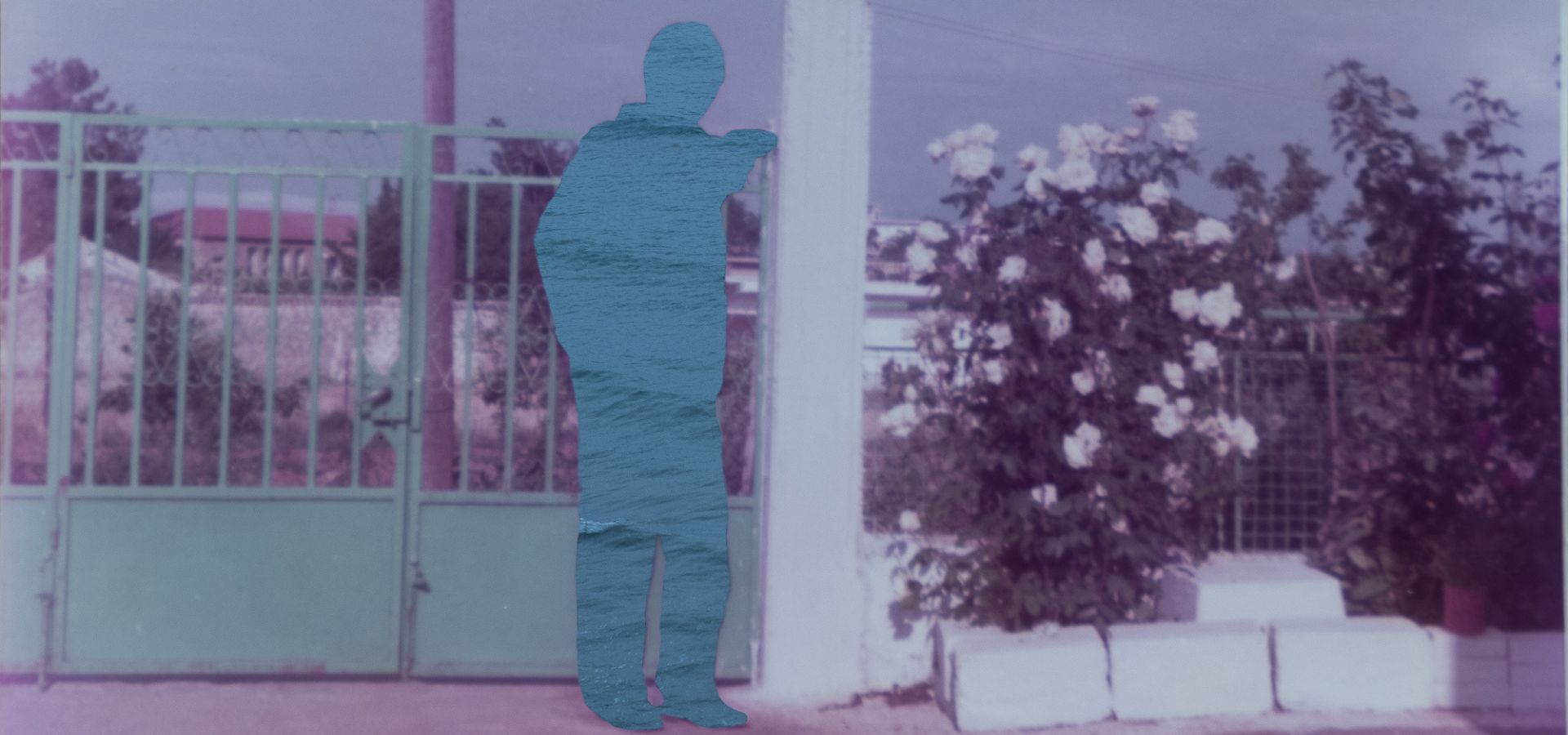
By Sofia Dalamaga
“I don’t try, through my photographs, to tell a dramatic story. It is a personal document of what remains of us when we turn into stardust.”
This is a first-person project. I never photographed my father.
To photograph people, you have to get close, and I was never able to bridge that gap. That distance.
I stand outside his room, holding my camera, which turns into a defensive mechanism between me and the absence. It becomes a means of exploring the void, as the process of emptying his room begins.
I enter his room and, at the same time, it feels like stepping into a time capsule. I am confronted with his scent, soaked into the walls. It becomes a bridge of reconnection between the visible and the invisible.
The last trace and imprint of him. A smell that lingers, mingling with the dust particles in the room.


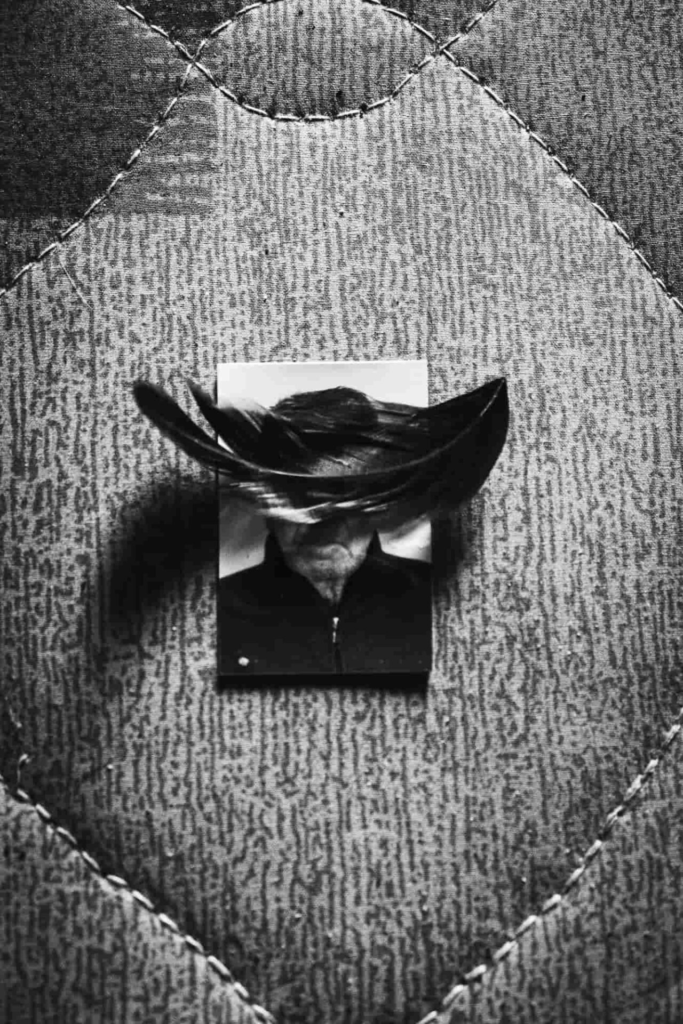
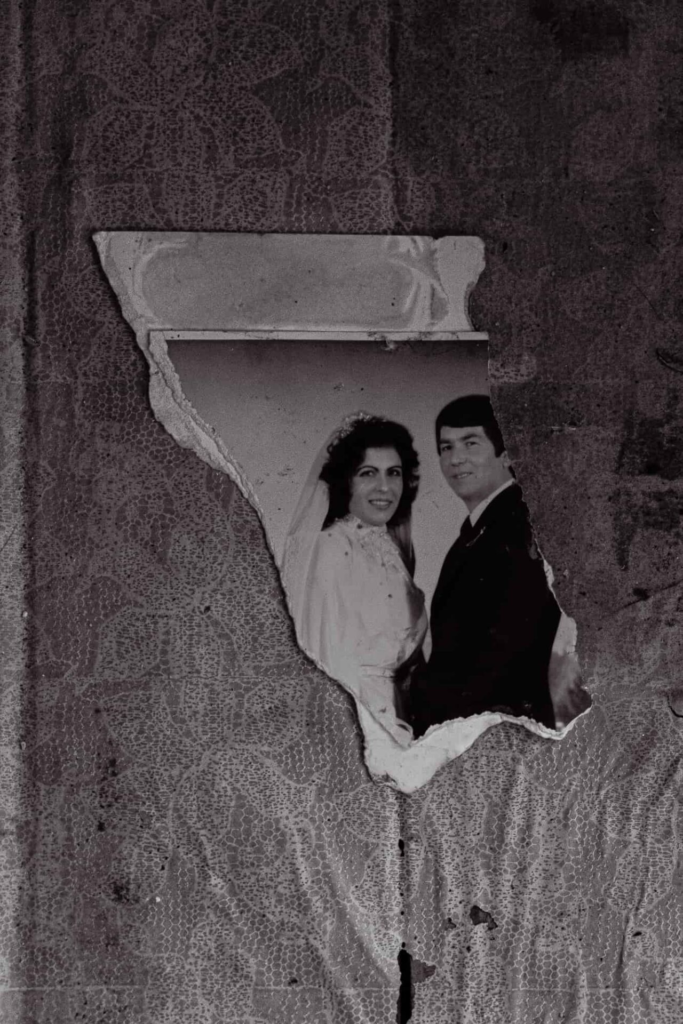

I do not try, through my photographs, to tell a dramatic story. It is a personal document of what remains of us when we turn into stardust. This series of photographs consists of self-portraits, traces of memory, my father’s notes, keepsake photographs, often with my own intervention in their original narrative, in an attempt to rewrite the story, to connect the past with the present, yesterday with tomorrow.
My father, born in 1946, in Thessaly, in the village of Tsouka, now called Fotino. Harsh years, as if taken from a black-and-white film of Italian neorealism. My father, whom I cannot remember the last time I called “dad,” was a customs officer and loved lists. Lists for shopping, income, expenses. Tucked into drawers, notebooks, jacket pockets.
Countless scraps of paper, in a hopeless attempt to maintain the control and order he was losing, as each cell of his mind deteriorated, collapsed, and vanished. As dementia progressed, the letters on the notes began to resemble autonomous dancers.
And photographs.

Altered, blurred, stained. Like memories. From the house. With friends. Of him as a young man. Posing like a narcissist, presenting the façade of someone tough, distant, untouchable. Photographs of him as a football player in the Meteora team. I remember you telling me that Olympiacos had asked for you and you didn’t go, you were afraid. There was probably no one to tell you: go on, don’t be afraid.
“There, they swallow the ball,” you used to say. I never told you, father, that it would have been better for the field to swallow you than for regret to do so.
The first symptoms began with hallucinations, he would see Meteora before him, the Meteora he longed for and never had the chance to say goodbye to. So I decided to place him there, to connect longing with place.


I oscillate between what is revealed and what disappears. Everything that emerges from the silence in the room, the particles of dust, the remnants of matter.
The absence of sound magnifies the void. Everything here feels like a whisper. As if everything has frozen. The skin. Time. Pain.
I don’t want to forget. I don’t want to lose my mind the way you did, father. That is why I embroider and spin memory through photographs.

Memory is the eccentric seamstress of this story. Memory is what threads its way through everything and everywhere.
— Virginia Woolf, Orlando