 KATERINA PARRI
By Sofia Triantou
Nature offers a range of ingredients you can use to create your own sleep tea
A good, high-quality night’s sleep prepares us for a productive day, which is why experts recommend sleeping 6–8 hours daily. However, with today’s fast-paced, demanding lifestyle and constant stress, many people struggle to sleep peacefully something that, in the long term, can lead to physical and mental health issues.
Fortunately, there are several herbs that can help, alongside daily exercise and a balanced diet, and may contribute to easing insomnia.
Nature provides a variety of ingredients you can use in your bedtime tea. Flowers, roots and herbal leaves can help you feel more rested and relaxed. Remember to use them carefully and consult your doctor for the best results.
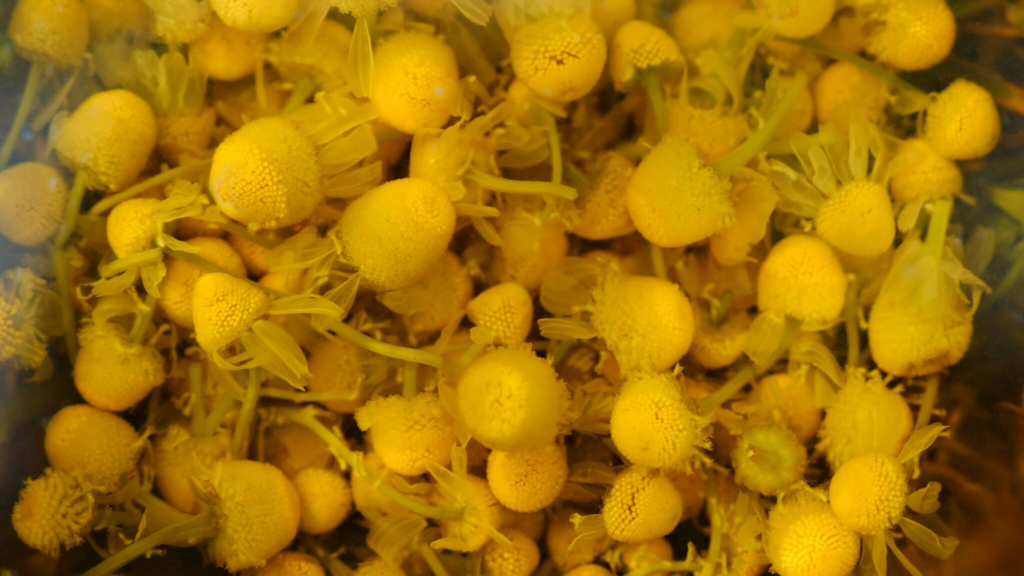
Chamomile (Matricaria chamomilla)
Chamomile has a long history of use in traditional medicine due to its calming effects on sleep. Chamomile flowers contain various bioactive compounds such as flavonoids, terpenoids and coumarins which are believed to contribute to their soothing properties. Apigenin is one of the main active compounds responsible for chamomile’s anxiolytic and sedative effects.
To make chamomile tea, you will need dried chamomile flowers, which can be stored for up to one year. Pour hot water over 2–3 teaspoons of dried flowers and let them steep for about 8 minutes.
Lemon Balm (Melissa officinalis)
Lemon balm, also known as “the herb of the heart” because of its ability to uplift mood, has been used for many years as a natural sleep aid. Lemon balm infusion is soothing, anti-stress and relaxing. It can help improve sleep quality. Prepare a lemon balm infusion about half an hour before bedtime.
Tip: Many sleep-supporting herbs are often consumed in combination for better results. For instance, an evening drink made of lemon balm, valerian and hops is an excellent blend to enjoy before sleep.
Fennel Seeds (Foeniculum vulgare)
Fennel seeds are calming and help support digestion, which is often disrupted by intense stress. If stomach discomfort is preventing you from falling asleep, fennel may help relieve these unpleasant symptoms.
To make fennel infusion, use 1 teaspoon of fennel seeds for 200 ml of water. Place the seeds in an individual teapot and pour hot water over them. After steeping for 10 minutes, enjoy.
Lavender (Lavandula angustifolia)

Lavender is a popular ornamental plant and, thanks to its essential oils, it is considered an excellent herb for sleep. In fact, lavender’s effect on sleep quality has not yet been conclusively proven. However, it may help with stress and unpleasant emotions at the end of the day.
A lavender flower pillow may support your efforts to improve sleep, as can a lavender infusion.
To prepare the infusion, place 1 teaspoon of lavender in an individual teapot, pour hot water over it, cover and let steep for 5 minutes.

Recipe
Sleep herbal blends are usually prepared by combining herbs and spices, nuts and roots, as well as other ingredients that promote sleep.
The relaxing properties of jasmine flowers are often used in China to create aromatic calming blends. In Europe, blends of lavender flowers and valerian root are popular for their sedative qualities, while chamomile and mint mixtures are common in the Middle East.
Here is a recipe you can make for a restful evening. Preferably use infusions made with whole dried leaves or flowers, rather than crushed herbs.
Ingredients
- 1 tbsp dried chamomile flowers
- 1 tsp dried calendula flowers
- 1 tsp dried linden flowers
- 1 tsp dried lemon balm leaves
- Optional: a slice of fresh lemon or orange and a little honey for extra flavor
Instructions
- Boil water to about 90°C.
- Place the chamomile, calendula, linden flowers and lemon balm leaves in a teapot.
- Pour the hot water over the herbs and cover. Let steep for about 5–7 minutes, allowing the flavors and active compounds to fully infuse.
- Strain the tea into your favorite mug. Add a slice of fresh lemon or orange and a little honey if desired.
Take a moment to breathe in and enjoy the fragrant steam rising from your cup. Beyond its wonderful flavor and sleep-supporting benefits, preparing and drinking your own sleep tea is an act of care and relaxation. The ritual itself preparing and steeping an infusion can gently guide your body into rest.
Small Tips
- Apply a few drops of sandalwood, myrrh or lavender essential oil inside your pillowcase, in an essential oil diffuser, or on your bath sponge before sleep.
- Gently massage the soles of your feet using rosemary oil before bedtime to relax and relieve tired feet.
- Spray your bed linens with rose water or lavender floral water it may improve your mood and your dreams.