 Deana Kartsagouli
Beaches, history and culture meet on our every visit to the Minoans’ island home.
Archaeological and historical sites, tradition, gastronomy, charming mountain villages and enchanting beaches; Crete has it all. And in spades! Which is why it’s best to come to terms with two things before you embark on your trip to Greece’s largest island: one, no matter how hard you try, you won’t be able to see it all in one trip. And two, no matter how many times you go back, there will still be more to see when the time comes to leave.
Chania
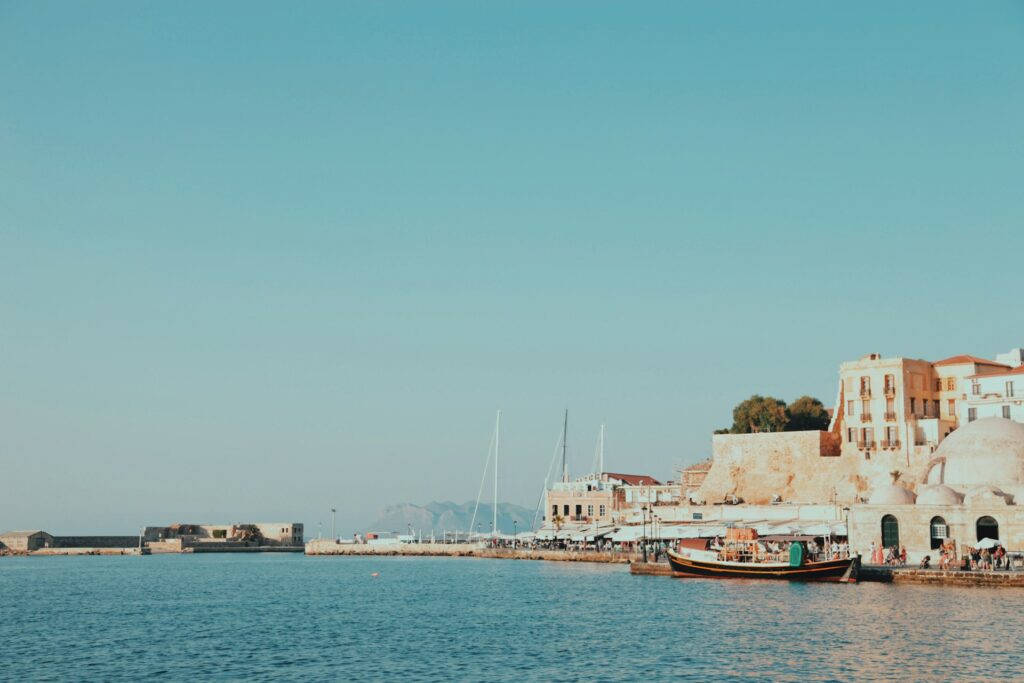
Most cultural events in Chania may take place in the Old Town, in the shadow of the city’s trademark: its imposing Lighthouse. But for almost two years now, the focus of visitors has shifted slightly to the east, to Halepas, the historic area which is home to the city’s brand new Archaeological Museum.
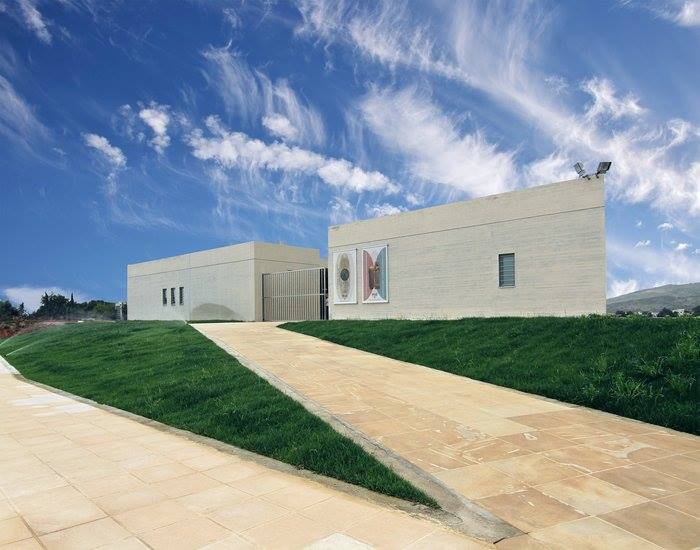
Built 98 metres above sea level, the building, which was designed by architect Theophanis Bobotis and consists of two discrete, minimal volumes, provides panoramic views over much of Chania and its seafront. During out visit, we admired exhibits dating from Palaeolithic through to Roman times.
The Monastery of Katholiko is one of the most interesting sights on the peninsula of Akrotiri and in the region of Chania. It is a ruined monastery built around the 11th century and is the oldest in Crete. To reach the ruined Monastery of Agios Ioannis Hermitis you have to follow the path that starts from the Monastery of Gouverneto. It can be crossed within 30 minutes on foot. A popular destination mainly because of the stone bridge about 1 km long that you have to cross just before reaching the monastery.

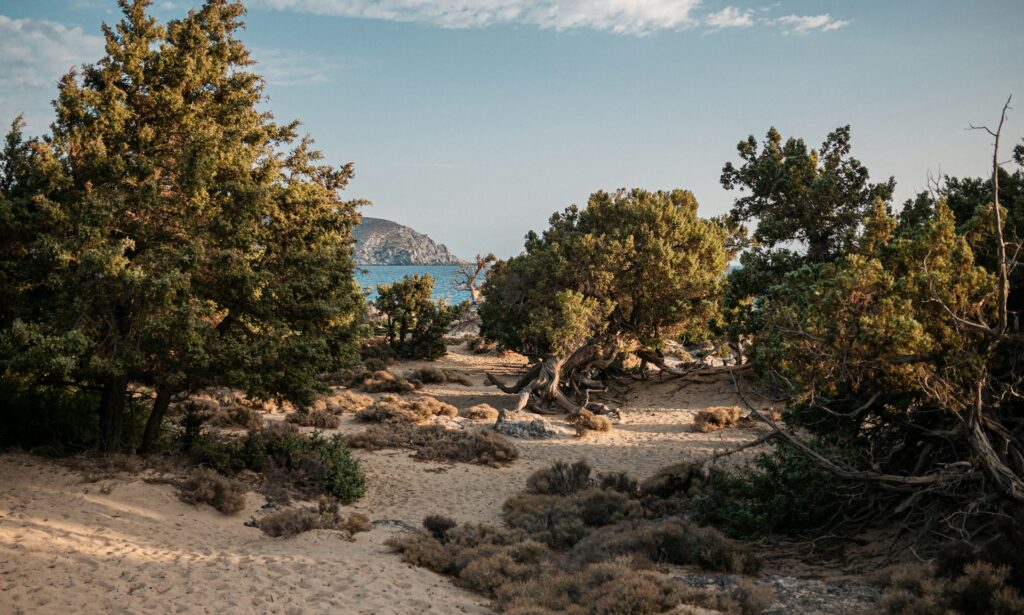
After the museum, it was time to hit the beach. Of course, you’re spoilt for choice in the prefecture of Chania, which is home to some of the most impressive, popular and busy beaches on Crete (Elafonissi, Balos, Falasarna, etc.). We opted to head for a stretch of coast some distance away from Chania town, in the island’s south-western corner. We recommend Kedrodasos, a honest-to-goodness oasis 74 km from the city. Having walked through the small forest of cedars (that’s what ‘Kedrodasos’ means), enjoying the shade they so generously provide, you come to a beach you will never forget.
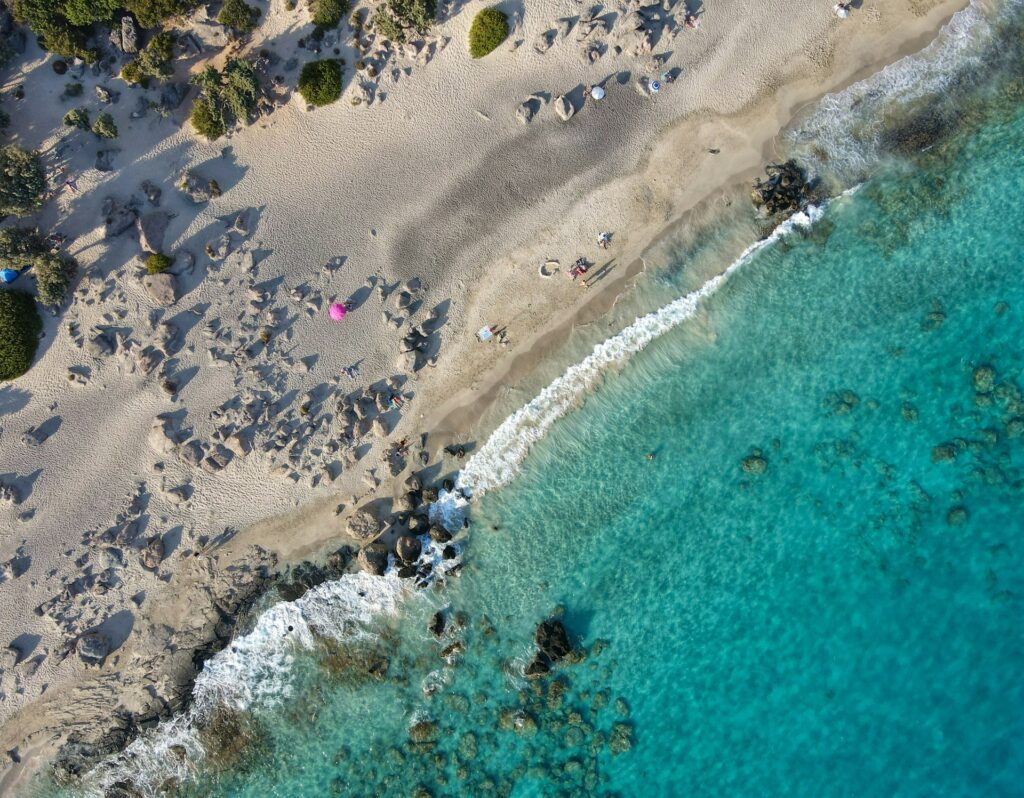
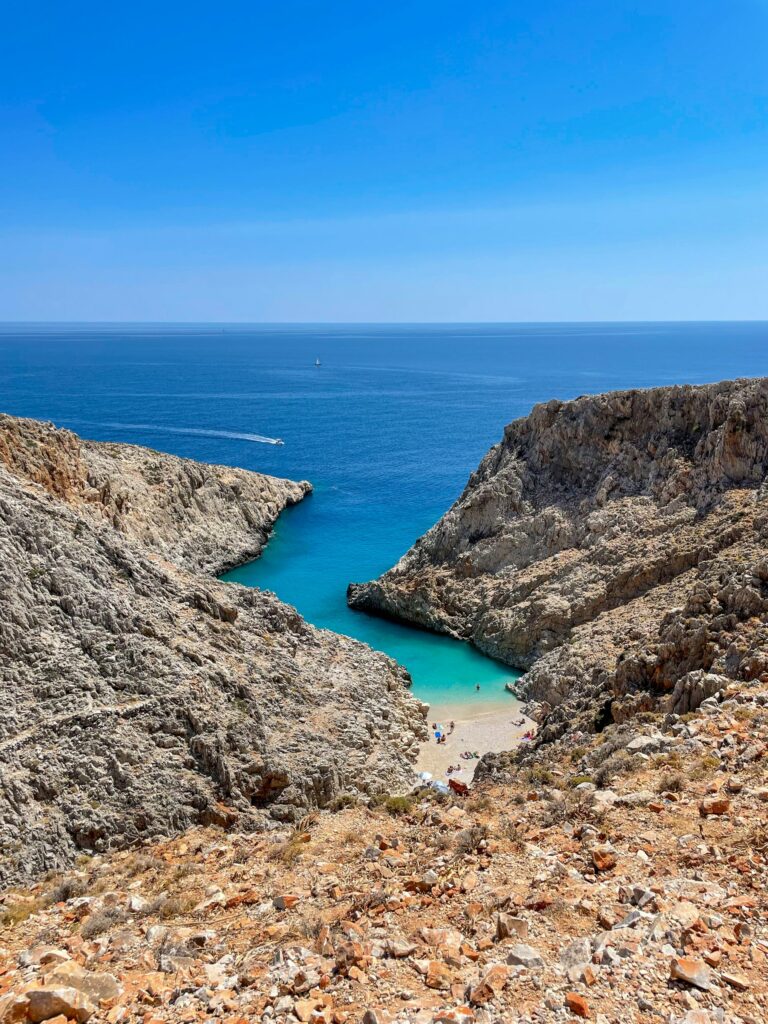
If you prefer something closer to home, but still adventurous, Seitan Limania beach is just the ticket, and just 22 km north-east of downtown Chania. After a 20-minute walk down the path leading to it, you will come to a small cove protected by two steep cliffs. Since the waters are reminiscent of some tropical paradise, we can only assume the beach got its name—which means “Devil’s Harbour” in a mix of Greek and Arabic—from the strong currents in the area.
Rethymnon
The most important archaeological site in the prefecture of Rethymnon is Ancient Eleftherna, which perches at 380 m above sea level on Mount Psiloritis. Open to visitors since 2008 and with a site museum operational since 2016, excavations have been ongoing in the area since 1985 and continue to unearth a constant stream of important finds. The Museum of the Eleftherna Archaeological Site—Homer in Crete is the first archaeological site museum in Crete. Though smaller, it is comparable to those at Olympia, Delphi and Vergina.
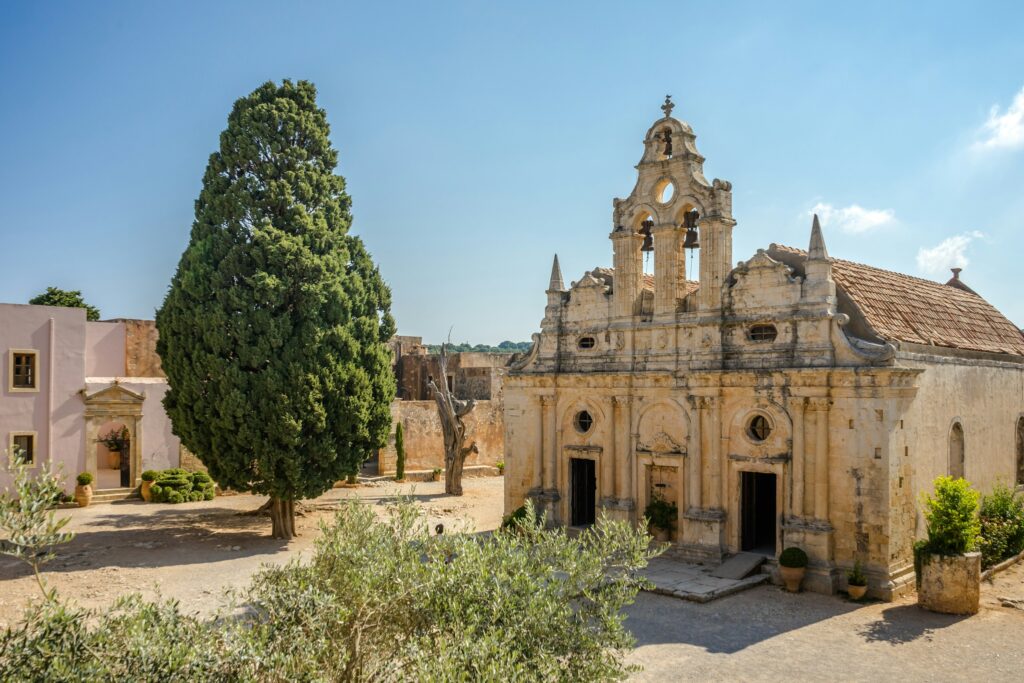
Over and above its antiquities, the site is also interesting for its natural landscape, while heroic Arkadi Monastery—and its famous monument commemorating a battle that took place there in 1866, during a revolt against the Ottoman Turks, and containing the skulls of the fallen—is just 12 km away.
Heading south, we come to famous Preveli beach, one of the most beautiful on the island. You get there on foot, choosing between a difficult-but-charming or easier-but-plainer path. The beach is backed by a dense palm forest, a gorge and a lagoon leading to the beach. We recommend a visit to nearby Preveli Monastery, an Orthodox monastery with a rich and glorious past, whose monks played an active role in all the uprisings seeking freedom for Crete down the centuries.
Heraklion
Of course, you have to visit Knossos—we’d recommend hiring one of the guides at the site, so as to make the most of your time there—, as well as the Heraklion Archaeological Museum but you shouldn’t miss Phaistos, either, which is 56.4 km away.
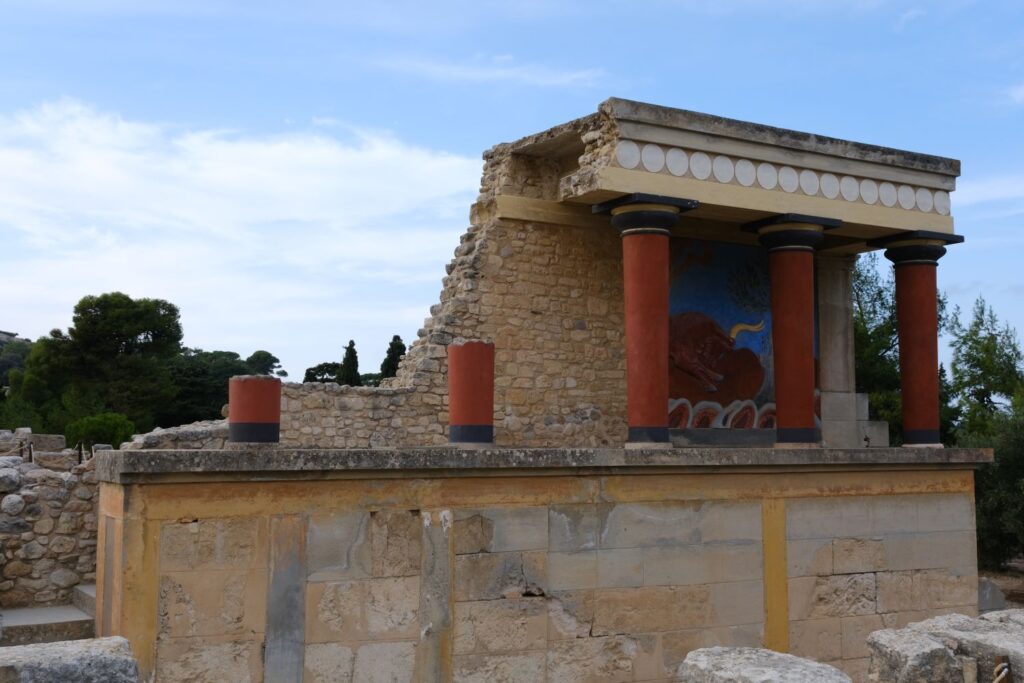
These—both palaces—are the two most important monuments of the Minoan Era, while a third—the ancient city of Gortyna—is located 15 km from Phaistos. If you decide to visit all of them on the same day, a rejuvenating dip at Matala, the beach where hippies made their home in the 1960s and 1970s, is a must.

Lasithi
Just 10 minutes from picturesque Sitia, we find the largest fortified monastery in Eastern Crete. Built in the 14th century, it was a centre for the arts and letters, but also played a key role in the Cretans’ struggles for liberation during both the Greek Revolution and the German occupation. But these are not the only reasons to visit. There is also rare architecture to admire, wines made from grape varieties both native and foreign to taste, and the cheeses and other products made by the monks themselves, which are as varied as they are fine, to sample. For a swim, Vai, the beach with the best-known palm forest in Greece, definitely gets our vote.
Remaining in Lasithi, there is another route well-worth taking at the easternmost tip of Crete: a trip to Kato Zakros. Driving down from Sitia, you will arrive at a pair of Venetian palaces and churches that simply have to be admired from up close. This is about as far from over-tourism as you can get, and it truly is an ideal spot for a relaxed and truly relaxing holiday.
Visit the ruins of the Minoan palace there, and enjoy the beautiful beach just a stone’s throw away. If you want yet another unforgettable experience, visit the beaches in the next village along, Xirokambos; with their azure waters and white sand, you’d be forgiven for thinking you were in the Caribbean.
Info
Archaeological Museum of Chania, 15 Skra Str. Chalepa, Chania 73133, Phone: +30 2821023315, www.archaeologicalmuseums.gr
Museum of the Eleftherna, Eleutherna Mylopotamou Rethymno Crete 74052, Phone: +30 28340-92501, www.mae.uoc.gr
Heraklion Archaeological Museum, Xanthoudidou & Hatzidaki Sts, Heraklion, Crete 710 02, Phone: +30 281 027 9000, www.heraklionmuseum.gr