 KATERINA PARRI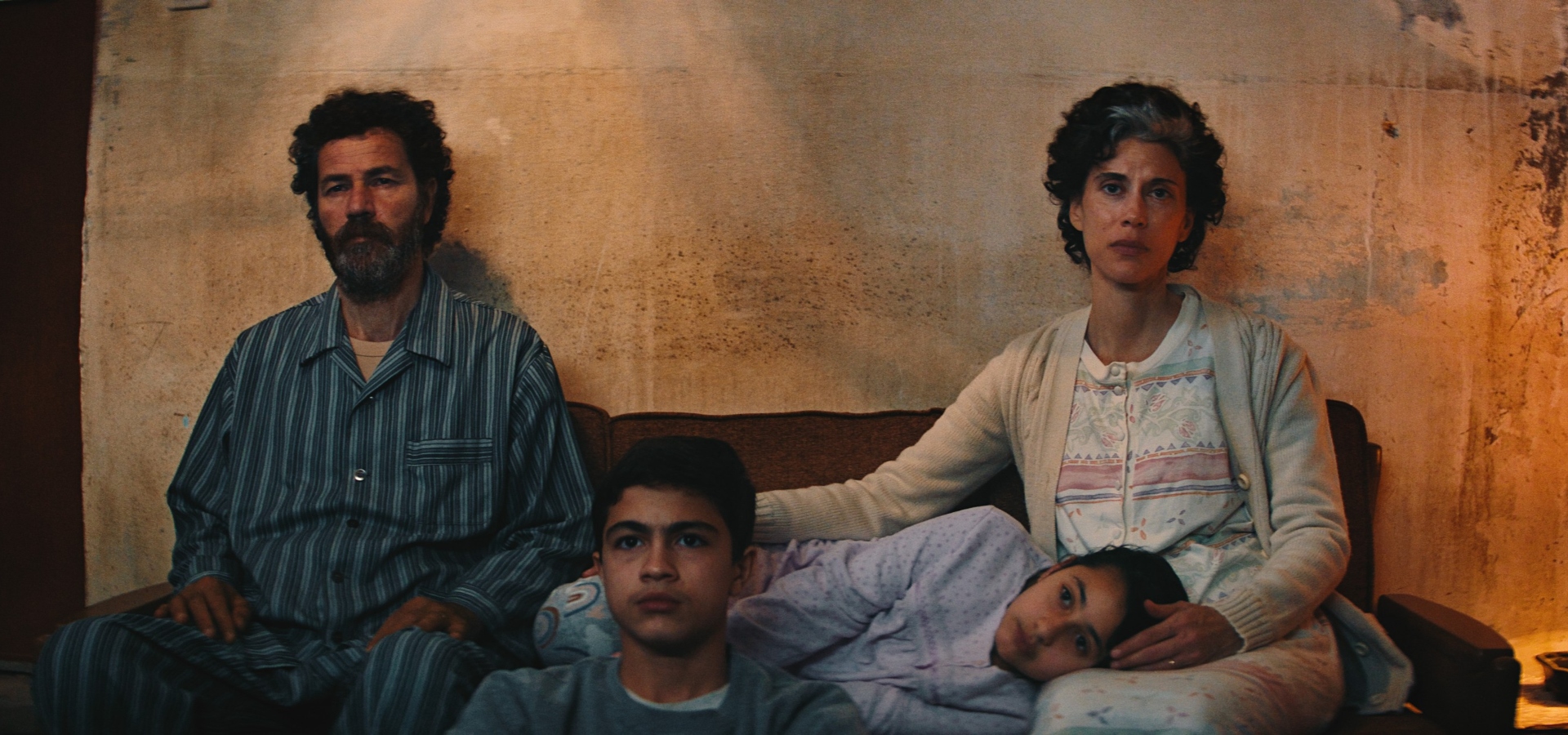
The 66th Thessaloniki International Film Festival presents a profoundly political tribute to the boundaries that define the fragile nature of human existence. Entitled Fragilities, the tribute is part of the expanded Survey Expanded section within Meet the Neighbors+, which showcases films from the wider region surrounding Greece. Each year, Survey Expanded adopts a different thematic focus, aiming to map, highlight, and project cinematic and artistic movements, social and geopolitical issues, while also discovering the most pioneering, innovative, and creative voices.
The films included in the tribute challenge systems of dominance and dissect pressing issues of our time – such as war, displacement from ancestral lands, life under occupation, censorship, and the interventions of authoritarian regimes.
Fragility itself becomes a political, even revolutionary act in an era of accelerated consumption. It is not only a thematic concern but an intrinsic quality of the artwork itself, as it resists dominant narratives, embraces a human rhythm of time, and reveals the cracks and silences that define our existence. The eleven films of the tribute address universal concerns such as the continuous negotiation of identity, the influence of family and cultural heritage, the violence of patriarchy, and the safeguarding of dignity and integrity.
Cinema, functioning as a magnifying mirror of society’s sweeping transformations, has long brought our vulnerable side to light. This tribute explores how social structures collapse under the weight of their own contradictions, while also reminding us that resilience – instinctively born as a survival mechanism – becomes the ultimate act of hope and resistance.
This year’s A-Catalogue, designed by Karlopoulos & Associates, is conceived as a “fragile” collectible object and includes texts by Orestis Andreadakis, Artistic Director of the Thessaloniki International Film Festival, Giorgos Krassakopoulos, Head of Programming, Dimitris Kerkinos, Head of Tributes and Survey Expanded, Gely Mademli, Publications Coordinator, Manos Lambrakis, playwright, dramaturg and translator, and the director duo Leda Vartzioti and Dimitris Tsakaleas. The A-Catalogue also features an extensive interview with Dennis Lim, curator and director of the New York Film Festival.

The Meet the Neighbors+ Competition Section features films from Southeastern Europe, the Mediterranean, and the Middle East – regions also targeted by the Festival’s Agora, its developmental and industry arm.
A total of 11 films will be screened as part of Fragilities:
The Eagles of Democracy (France–Sweden–Denmark–Germany, 2025), by Tarik Saleh, the final part of the director’s “Cairo Trilogy”, is a stylized thriller and arguably one of the most courageous political films of the year. Set in the Egypt of President Abdel Fattah el-Sisi, the film follows George Fahmy, the country’s most famous movie star, who is invited to portray the President in a propaganda biopic. What begins as satire evolves into a chilling political thriller, exposing the mechanisms of power while paying tribute to the art of cinema.

Dracula (Romania–Austria–Luxembourg–Brazil, 2025), by Radu Jude, centers on a young filmmaker experimenting with a limitless fake AI. Mixing old and new tales of Dracula, the film becomes a provocative, self-aware, and deliberately “imperfect” work that defies classification — a chaotic and witty reflection on myth, excess, and technology.
I Am Here, I Am Fine (Turkey–Germany, 2025), by Emine Emel Balcı, follows Filiz, a young middle-class mother suffering from postpartum depression who struggles with societal and familial expectations. Her encounter with Şule, a woman escaping an abusive husband, sparks a bond of empathy and solidarity that helps both women reclaim their agency. The film, premiering internationally in Thessaloniki, depicts with striking subtlety the vulnerability and quiet strength of women in contemporary Turkey.
Trust (Italy, 2024), by Daniele Luchetti, based on Domenico Starnone’s award-winning novel, explores the fragile nature of trust and the cost of ambition through the story of Pietro, a respected teacher whose past affair with a former student threatens to unravel his carefully built life.
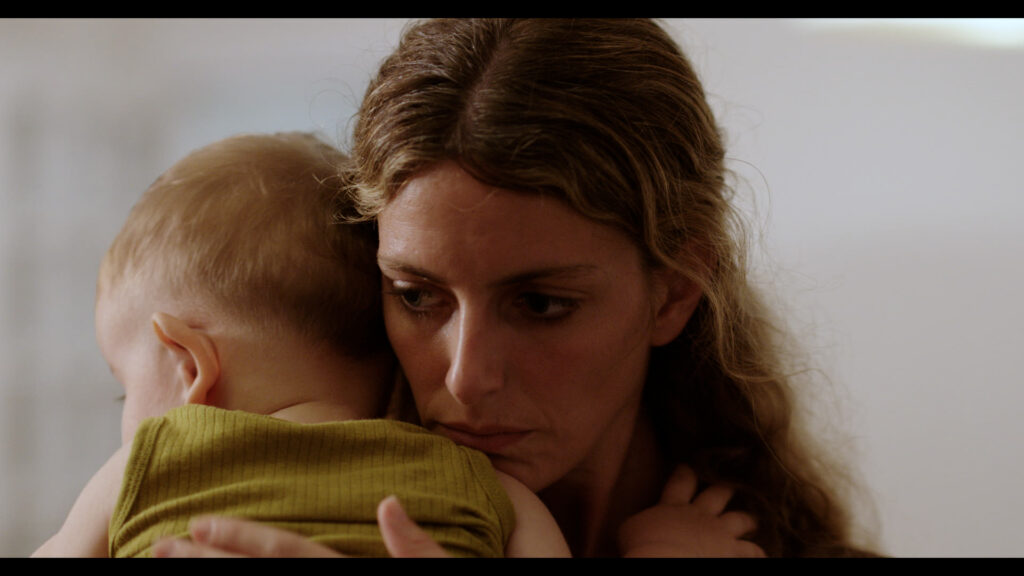
Awakening in the Dream (Armenia–USA–Mexico, 2025), by Christine Harutyunyan, set in the war-torn landscape of Artsakh/Nagorno-Karabakh, transcends realism to portray a poetic journey through trauma, loss, and spiritual endurance. Premiered at the 75th Berlinale.
Everything Is Fine (Hungary, 2025), by Bálint Dániel Sos, tells the story of Sándor, a widowed father facing a moral dilemma after a tragic incident involving his son. In a minimalist, black-and-white style, the film meditates on guilt, survival, and moral responsibility.
Everybody Loves Tounda (France–Morocco–Belgium–Denmark–Netherlands–Norway, 2024), by Nabil Ayouch, follows Tounda, a poor but independent singer raising her deaf son in Morocco. Her journey toward freedom and artistic recognition unfolds as a powerful hymn to resistance and female empowerment.
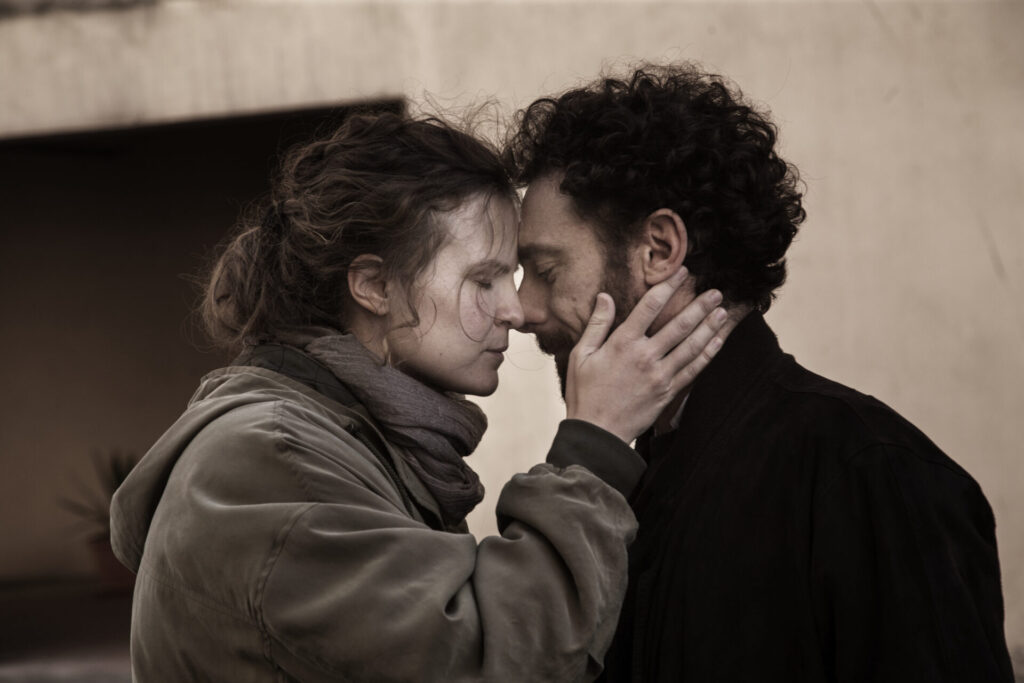
How Come It’s All Green Here? (Serbia–Croatia–Bulgaria, 2025), by Nikola Ležaić, is a deeply personal Balkan road movie about fathers and sons, heritage and loss, and the fragile transition into adulthood – a poetic reflection on generational and historical trauma.
In the Shade of the Orange Tree (Germany–Cyprus–Palestine–Jordan–Greece–Qatar–Saudi Arabia, 2025), by Cherien Dabis, traces the Palestinian tragedy across four generations, from the Nakba to the present day, weaving a powerful narrative of displacement, survival, and hope.
Dry Leaf (Germany–Georgia, 2025), by Alexandre Koberidze, follows a father’s search for his missing daughter through the Georgian countryside, in a lyrical road movie about absence, memory, and the passage of time.

Stepne (Ukraine–Germany–Poland–Slovakia, 2023), by Maryna Vroda, a poetic, award-winning film about loss, belonging, and the transformation of rural Ukraine, winner of the Best Director Award and the FIPRESCI Prize at Locarno.