 PEPI NIKOLOPOULOU
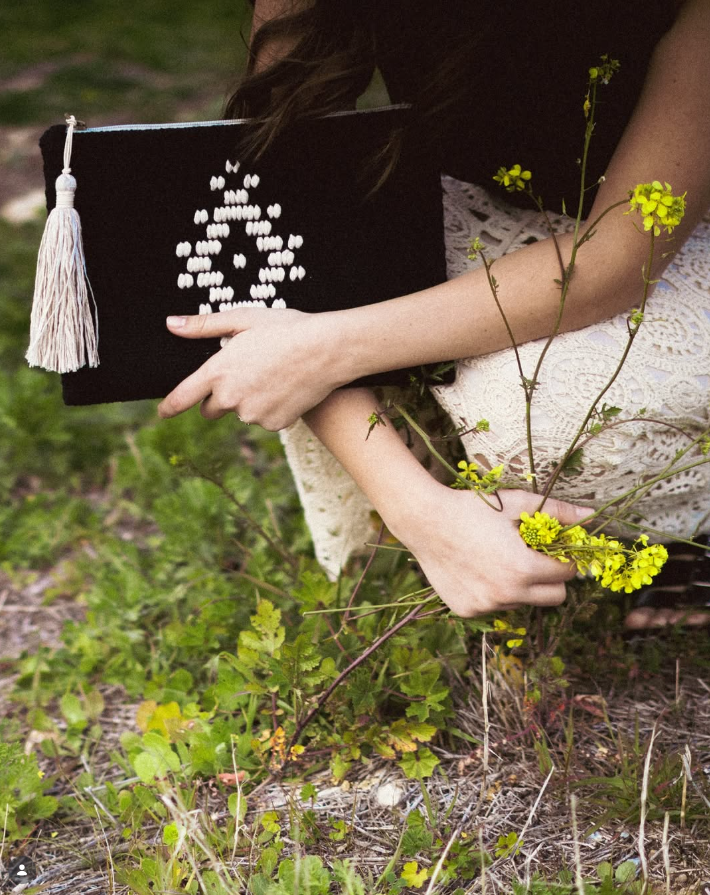
“Argalios” is a family-run craft based in Piraeus, creating handmade woven bags that bring Greek tradition into a contemporary aesthetic
In Piraeus, inside a home that holds six children and a life that never really slows down, Argalios began from something very simple.
It all started one Christmas, when Ilias and Katerina Politis gave their daughters a small loom as a gift. A toy that, as it turned out, carried within it an entire direction for their lives.
Katerina, drawing from memories of her grandmother and the tradition of weaving, began showing the children the first steps. Small woven pieces turned into little pouches, gifts for friends and teachers. And somewhere along the way, without any clear intention, something larger began to take shape.
“At some point, people started telling us: if this is so beautiful, why don’t you turn it into a business?” Ilias Politis recalls.
And so, in 2013, Argalios officially took form.
A workshop inside the home
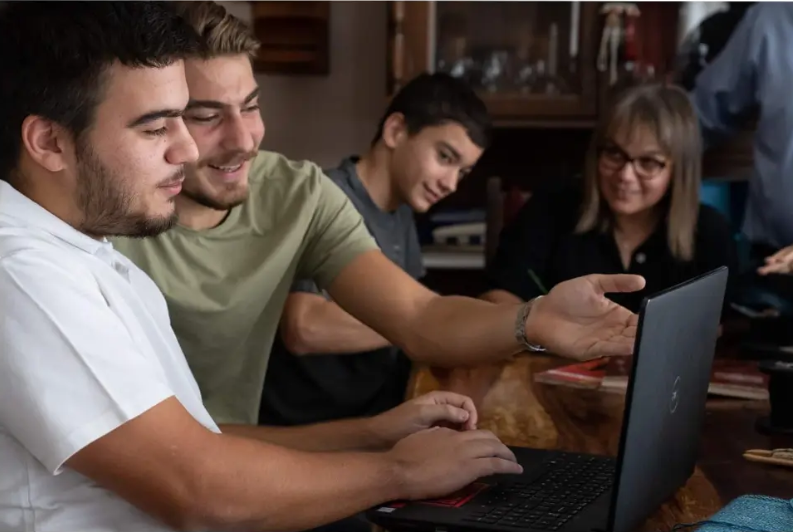
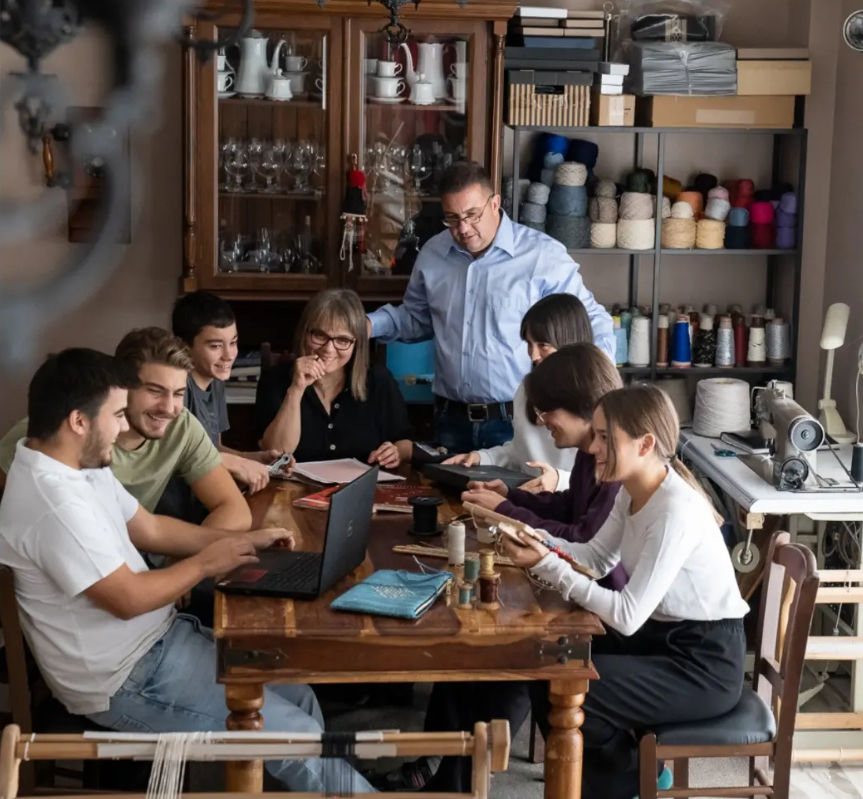
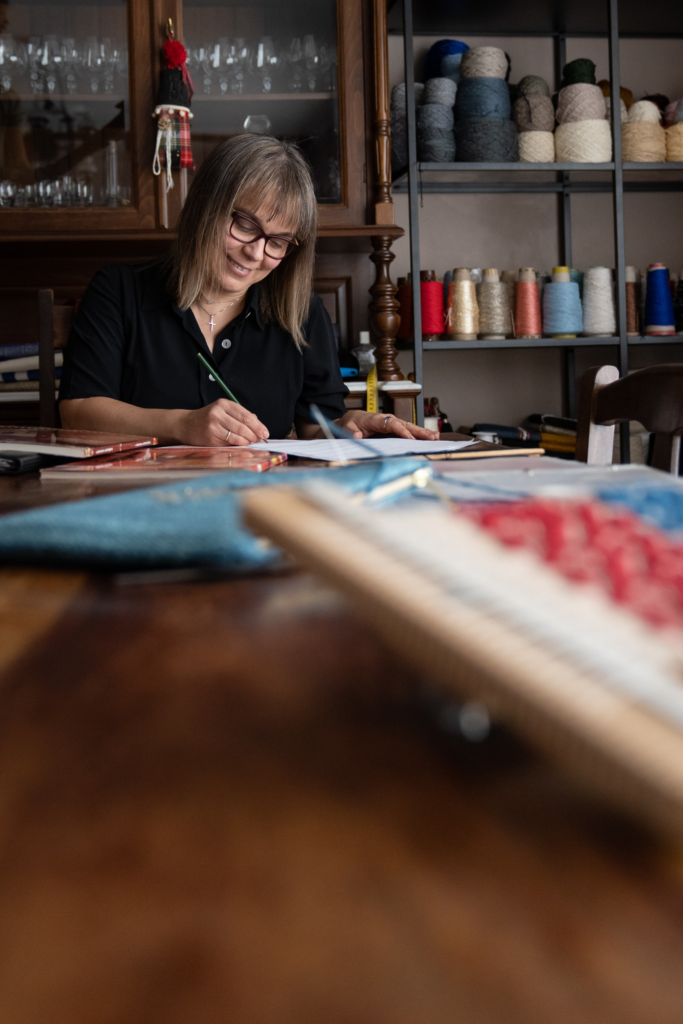
Production still takes place entirely at home, with three looms operating in the living space, while each member of the family has their own role.
Katerina designs and weaves, Ilias handles promotion, and their children – two daughters and four sons, aged between 19 and 28 – contribute across the board, from imagery to communication.
“We are the team,” he says simply. Decisions are shaped through discussion, often through disagreement, until they arrive at something that reflects everyone.
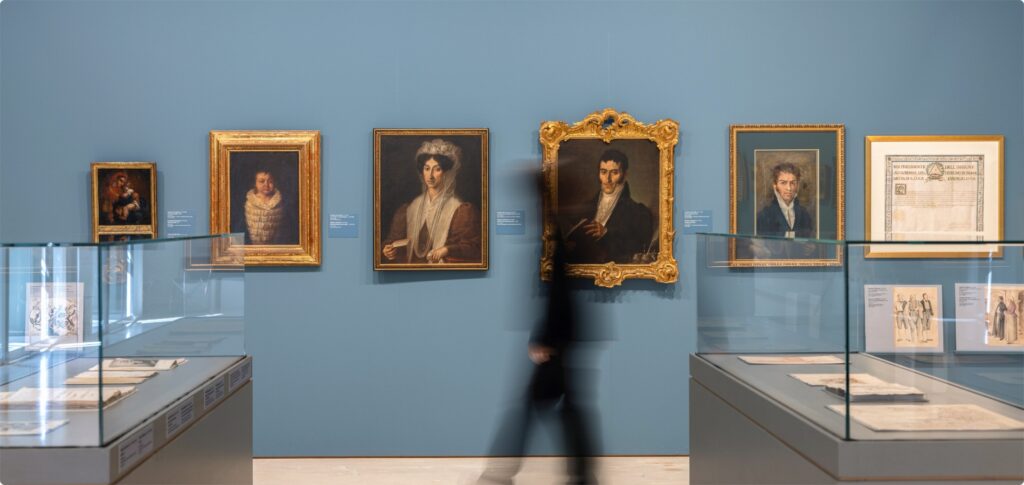
Their connection to art is no coincidence. Ilias Politis works at the Benaki Museum, while Katerina, before dedicating herself fully to Argalios, worked as an art conservator. A background that clearly informs the care, precision and overall aesthetic of their work.

Handmade, without compromise
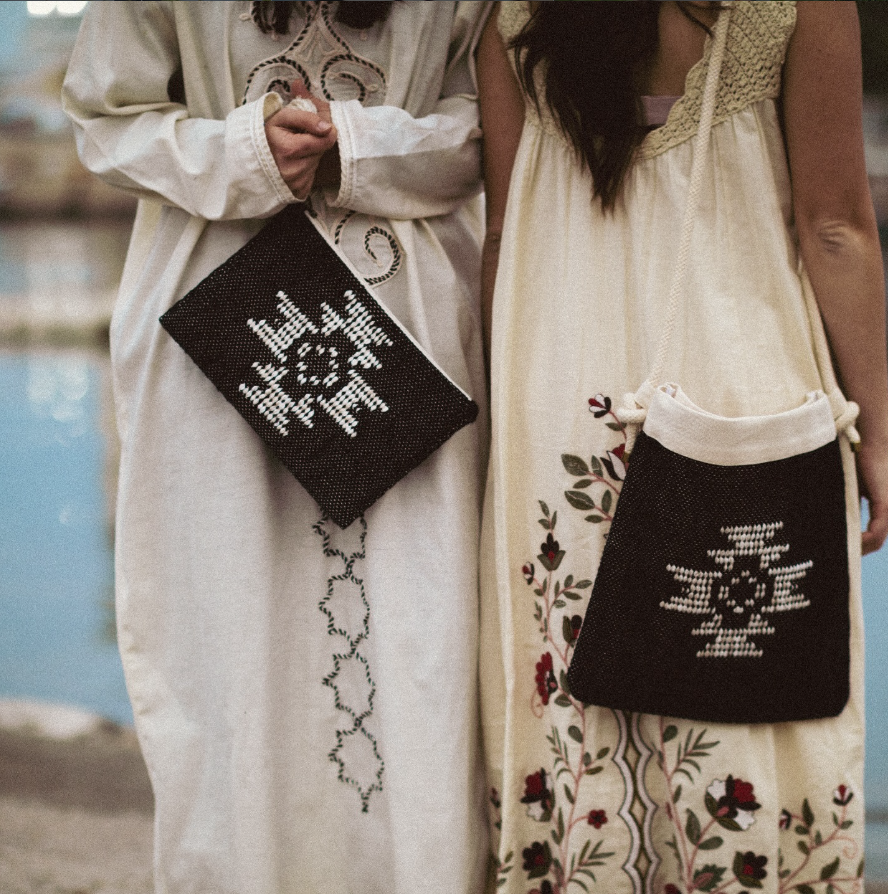
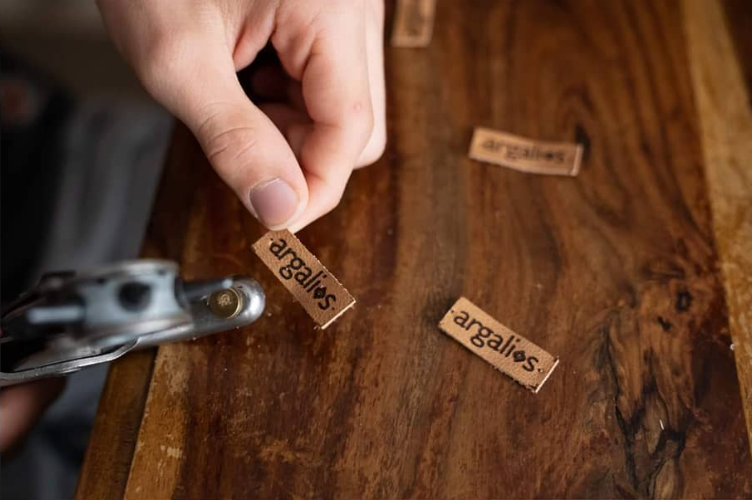
At a time when speed and mass production dominate, Argalios insists on a different pace. Each product is almost entirely handmade – from weaving to stitching. Only the zipper is applied by machine.
There is no large-scale production or stock. Most pieces are made to order, with carefully selected materials, even when that means higher costs.
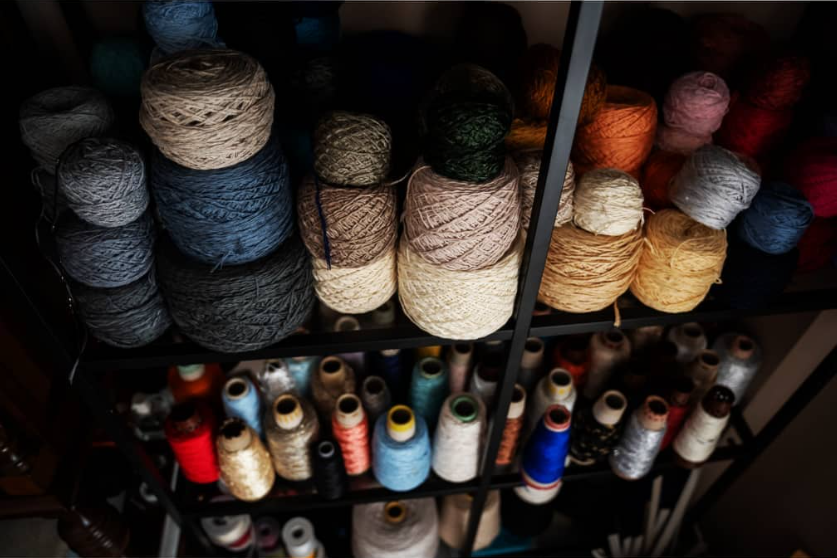
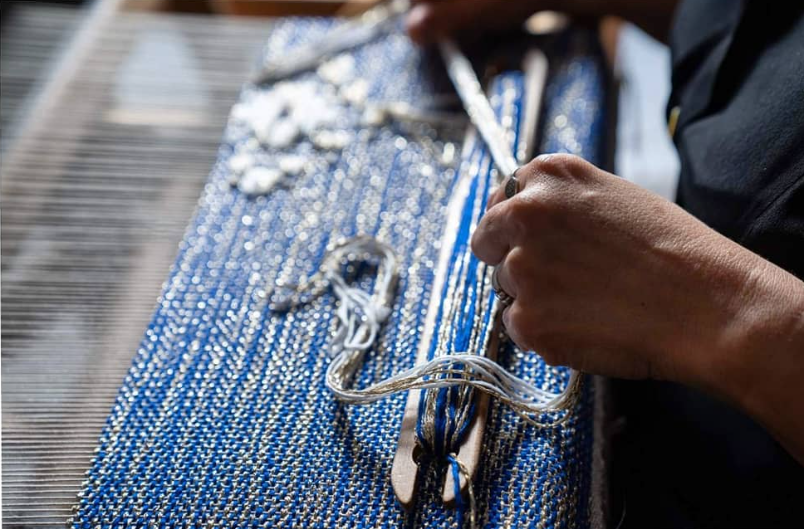
The process is slow and detail-driven: the idea, the selection of threads, the weaving on the loom, the hand assembly, the final composition.



As they describe it:
“The heart of the process lies in the loom. That’s where the design comes to life through traditional weaving techniques, with patience and respect for a craft passed down through generations.”
Tradition through a contemporary lens
Their designs draw inspiration from traditional Greek garments, textiles and patterns from across the country – from Thrace to Crete and Kastellorizo, from Skyros to Mani. What changes is how these elements are used.
“We want tradition to be something you can wear today,” he explains. “Not something that feels folkloric, but something alive – something a woman can carry in her everyday life.”

The result is a clean, understated aesthetic that preserves the essence of traditional motifs while placing them firmly in the present.
It is no coincidence that Argalios describes its work as an effort to “weave a piece of Greece for the whole world.”


From museum shops to the world
Argalios’ first steps were taken through museum shops, where their products stood out precisely for what they were: authentic, Greek, handmade.
“At a trade fair, surrounded by imported goods, our stand felt like it had landed from somewhere else,” recalls Ilias Politis.
Today, their presence extends to stores, hotels and collaborations, with exports reaching as far as Australia, while they are also reconsidering the development of their e-shop after a period of readjustment. Despite its steady course, Argalios is not a “success story” in the conventional sense.
“You don’t get rich doing this,” he says openly. “But we managed to put our children through their studies.”
Leaving this conversation, what stays with me is not only the image of the looms inside the home.
It is the way this family works – together, through disagreements, through participation, through care.
At the same time, there is no expectation that the children will continue what their parents started.
“Everyone has their own path,” he says.
And this is evident in practice: they encourage them to follow their own choices, to try things out, to leave, to return if they wish. What they pass on is not a business to inherit, but an example – that you can adapt, take risks, and keep going.