
 PEPI NIKOLOPOULOU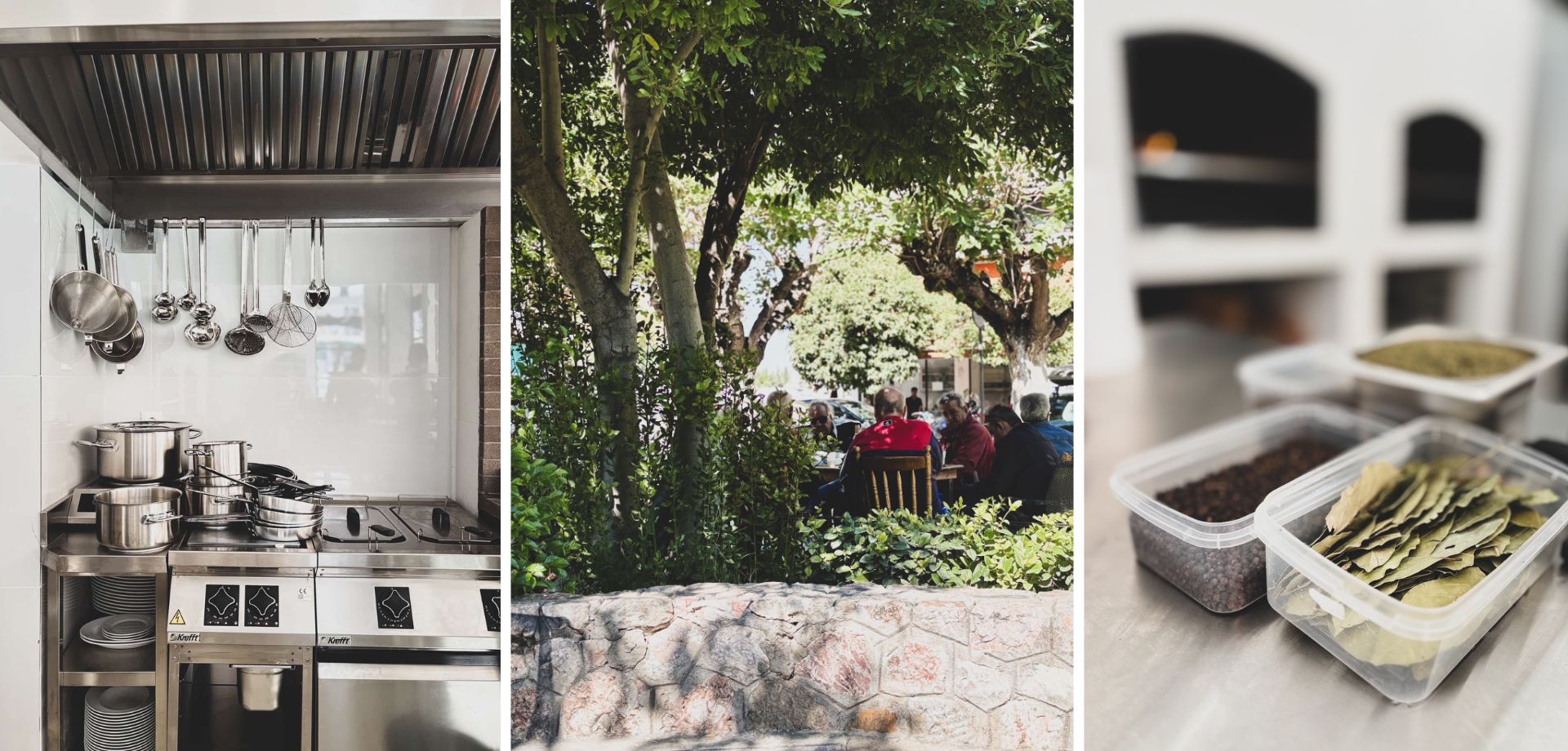
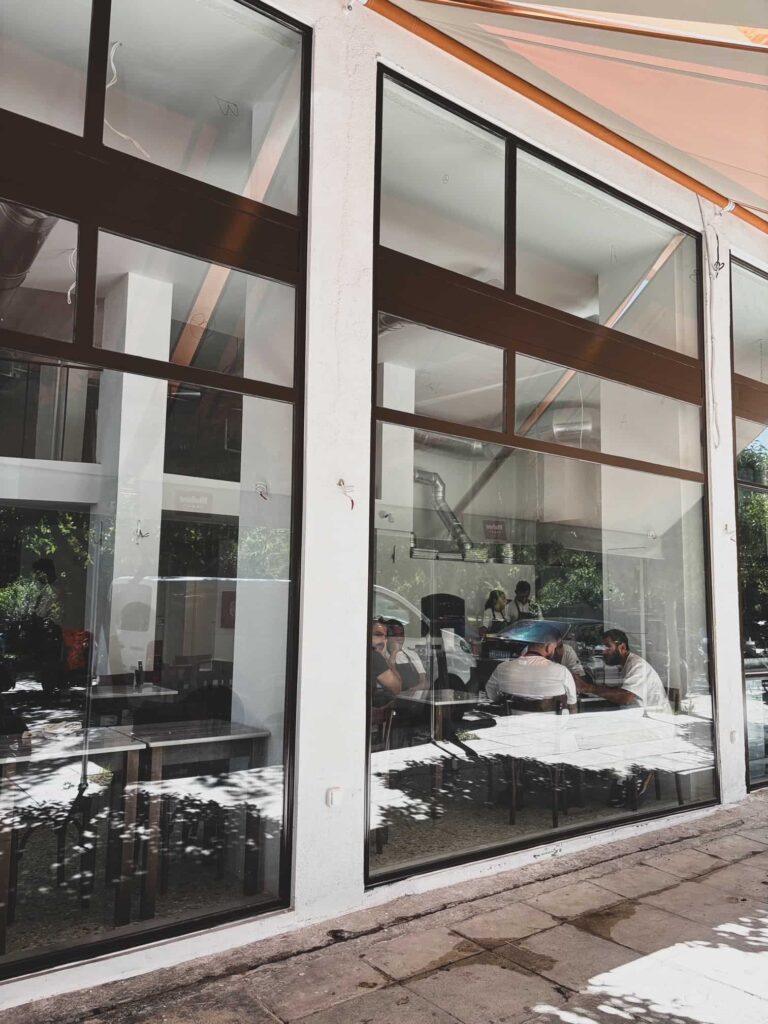
We met one morning, while the space was still under construction. Sunlight poured through the large glass windows of the square. We all sat around a table with a little cheese in front of us and let the conversation unfold – about what they’re creating, what brought them together, what they dream of, and the childhood flavors each of them carries to the table.
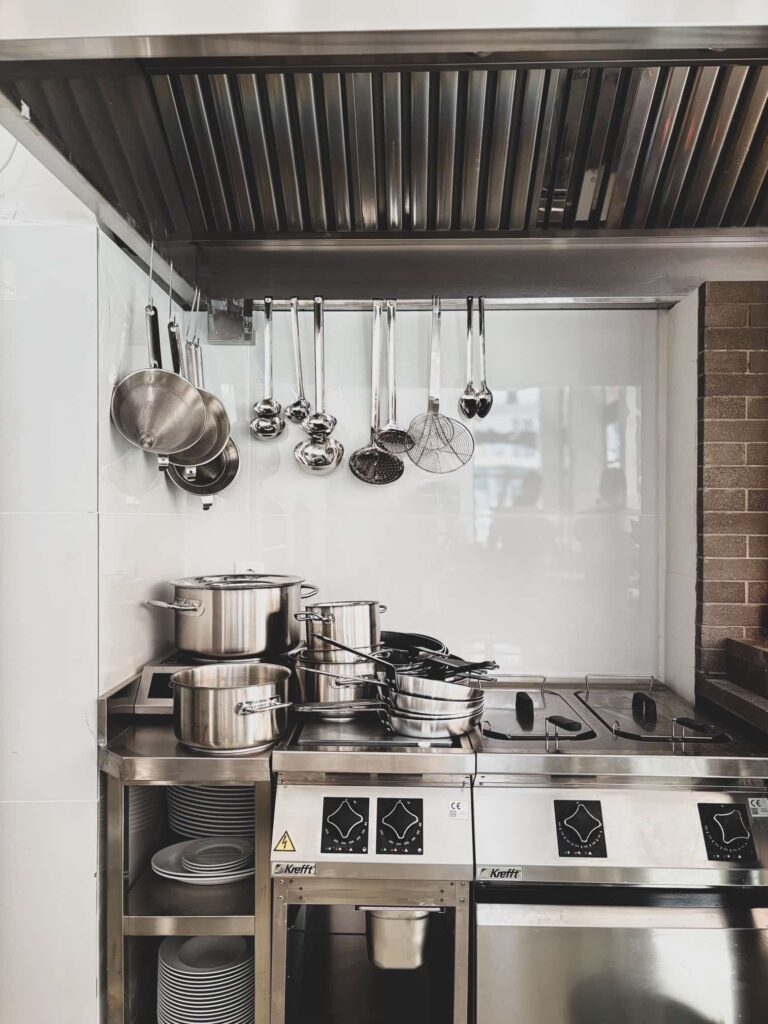
In Plyta Square – a lovely but still “undefined” corner of Athens – four acclaimed chefs, Periklis Koskinas and Marios Korovesis from Cookoovaya, and Yiannis Loukakis with Spyros Pediaditakis from Akra, join forces to create Plyta: something between a café, a grill house, and a refreshment hall.
An open place for everyone, built on the simplest of principles – that the obvious things should be done right.
It was one of those conversations that start off casually and, before you know it, they’ve built a restaurant.
“We don’t want to emphasize that there are four of us,” they say. “What matters is the neighborhood — we want to blend into it, not impose ourselves on it.”
The Square: Α shared place
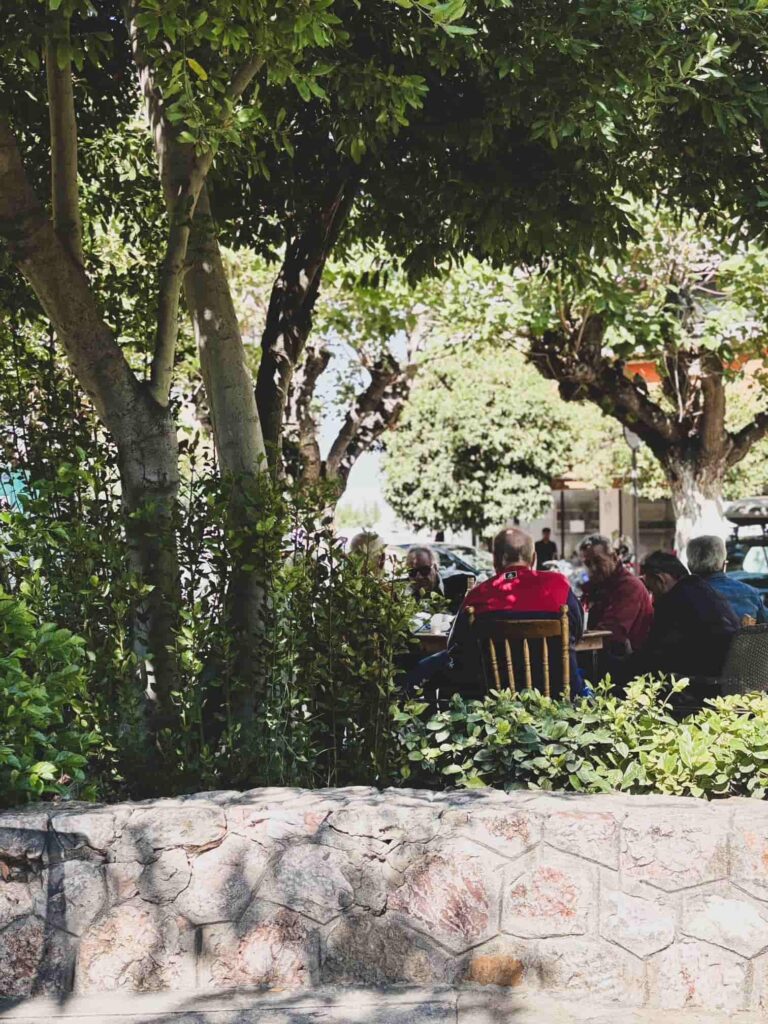
“This square reminds me of a square we used to go to when we were kids,” says Spyros Pediaditakis. “Agia Eleftheria Square in Heraklion, Crete. When we were fourteen or fifteen, we’d go there to skateboard – it was all marble, and of course we wrecked it. Yet the feeling this place gives me is the same: the memory of that square mixed with the memory of my grandmother’s food.”
His voice softens. “She used to make a pilaf with roasted onion and lamb, weighing everything by eye. Another dish – pork with fennel, zucchini, and carrot. And for dessert, kaimaki ice cream from the café’s old freezer. I remember being sent to buy two cones, one for my aunt and one for me, and because it melted on the way, I ate them both.”
Then Periklis Koskinas joins in: “This part of the square reminds me of the Upper Square in Corfu, in the Dendra area. When I was a kid there were these small refreshment stands that served only beer and fried cheese pies – six or twelve, the little triangles. My mother would take us for the Sunday procession, and afterward we’d sit there: the adults with their beers, us with our cheese pies. There was nothing else – and yet it was enough.”
In these stories, memory becomes the essence of Plyta: a place that wants to awaken something familiar, simple, and true. “It’s not just a taste,” adds Yiannis Loukakis later on. “It’s images, sounds, the bicycle, the square, the grandmother – all of it together.”
Marios Korovesis speaks with almost childlike tenderness about a flavor from his own past – ashure.
“It’s made with boiled wheat that my grandmother would pour into a glass and let it cool. On top she’d add water, pomegranate, dried fruits, nuts. A sweet made with whatever was around – nothing fancy, but a taste that was deeply comforting, deeply ‘home’.” He speaks of it the way he speaks of Plyta itself: something made of few, honest ingredients – memory, care, and truth.

Familiarity Without Pose – A Space Without Labels
Listening to them talk about squares, grandmothers, and childhood food, you realize that what they’re building is more than just another restaurant. It’s an attempt to rediscover a lost simplicity — that natural sense of togetherness born around a shared table. Memory, for them, is a compass. It shows them what they want to create today: familiarity without pose, a space where everyone belongs.
“We know better what we’re not,” says Periklis Koskinas. “We’re not a statement-restaurant, and we’re not a coffee shop. We’re what we say we are: a café, a refreshment hall, a grill house.”
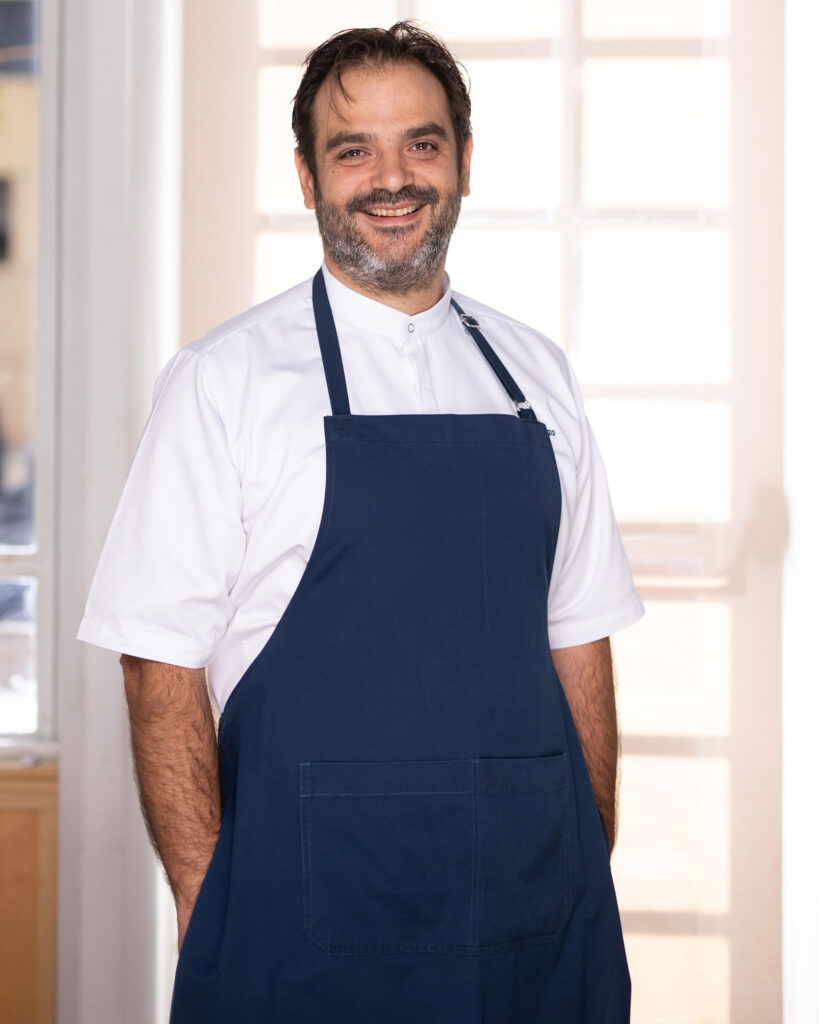
Their philosophy is clear: simplicity on the plate, generosity in the care. “Greens as they should be, fish as it should be – less fuss, more substance.” Menus won’t be set in stone; they’ll often be decided the same morning. “Someone might pay fifteen euros for something simple, another forty for something different. We want real options for every taste and every budget – not artificial price ranges.”
Plyta takes shape through the rhythm of the neighborhood. “This area has everything: retired judges, workers, young people. We want to see them all eating at the same table,” says Koskinas. For now, it will open on weekday evenings and weekend mornings, with the goal of slowly becoming like the old village cafés – “open all day, serving coffee, two eggs, a lunch dish, dinner, and a drink.”
Next door, they plan a small summer annex open from May to October: handmade ice cream “with real milk and fruit,” and proper toast “with our own bread and carefully chosen cheese.”
“We don’t sell the idea of ‘small Greek producers’ as a marketing claim,” they say. “For us, it’s just the obvious thing – everything that comes through the door should be clean, cared for, and honest.”
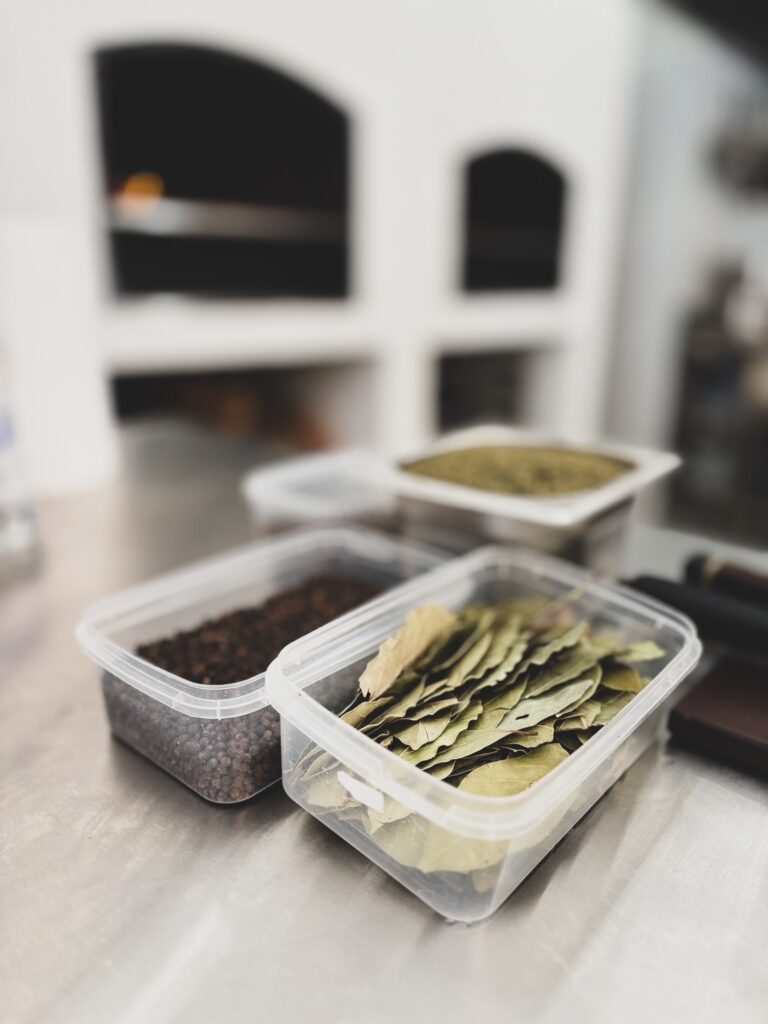
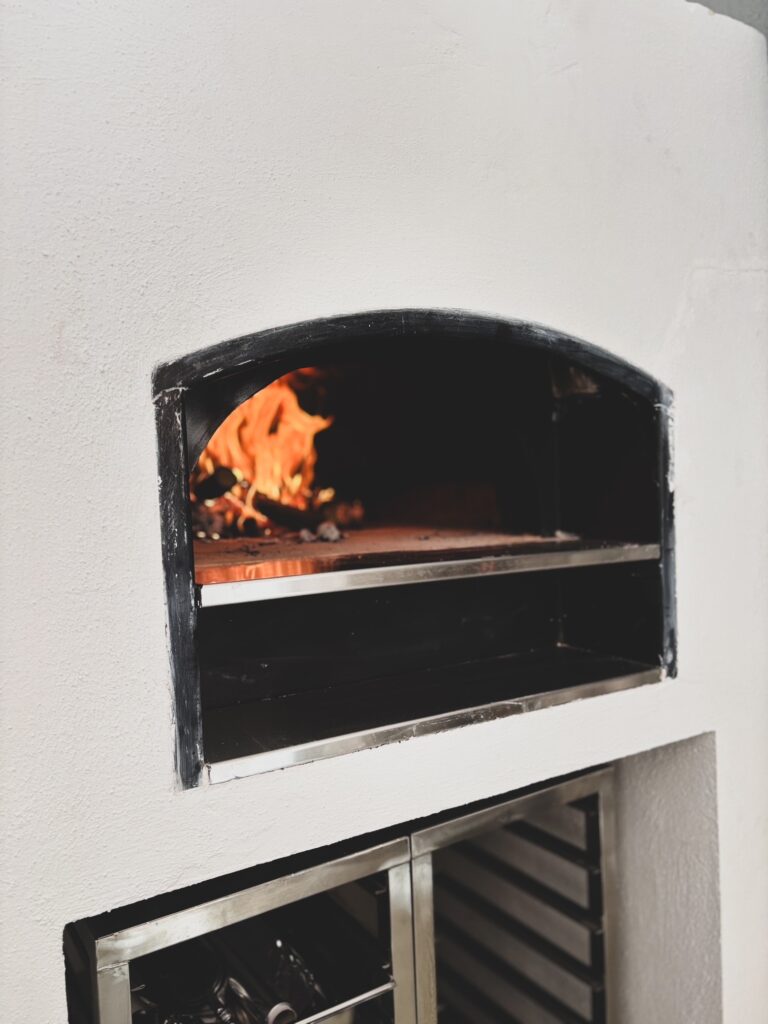
In the food, they bring back ingredients and cuts that “aren’t used much anymore”: pulses at the center of the table, forgotten fish, humble cuts of meat. “We’ll bake our own bread. The cheese might be a good aged Naxos arseniko, not the supermarket feta.”
And when they talk about feeding children, they speak with the responsibility of cooks who take that seriously:
“We won’t tell a kid, ‘Don’t eat toast, have quinoa and avocado instead.’ We’ll give them the toast they want – but done right, with good bread and cheese, without cheap powders or fake sugars.”


A Place for Everyone
“Here there are all kinds of people,” Koskinas continues. “A retired prosecutor, a laborer, a kid from the neighborhood. We want them all to sit at the same table.”
That’s why they resist labeling Plyta as “restaurant” or “tavern.” “The wine list won’t be strict — it will have something for every budget and every palate. We don’t care about setting a price range; what matters is that whoever comes feels taken care of.”
They laugh when I ask if Plyta aims to “square the circle.” “No,” they say, “we’re just doing the obvious things – but doing them right.”
And that, here, means creating a place where you can simply be: have two drinks without it being a bar, share a plate and leave, celebrate a birthday, ask for a boiled lobster because you trust the cook, or take a piece of pastitsio home “for your grandson after school.” “The neighborhood gives us the rhythm,” they tell me. “We just follow it.”
At the end of the day, one phrase stays with you: “We’re here to do the obvious – right.”
It sounds simple. But in a world that has forgotten how difficult simplicity really is, four chefs in Plyta Square are quietly reminding us – with honest food, clear intentions, and a square that’s about to become a meeting place again.

Plyta opens today, Monday, October 13.
Stay tuned – we’ll soon be sharing more details and exclusive photos from the space.