 KATERINA PARRI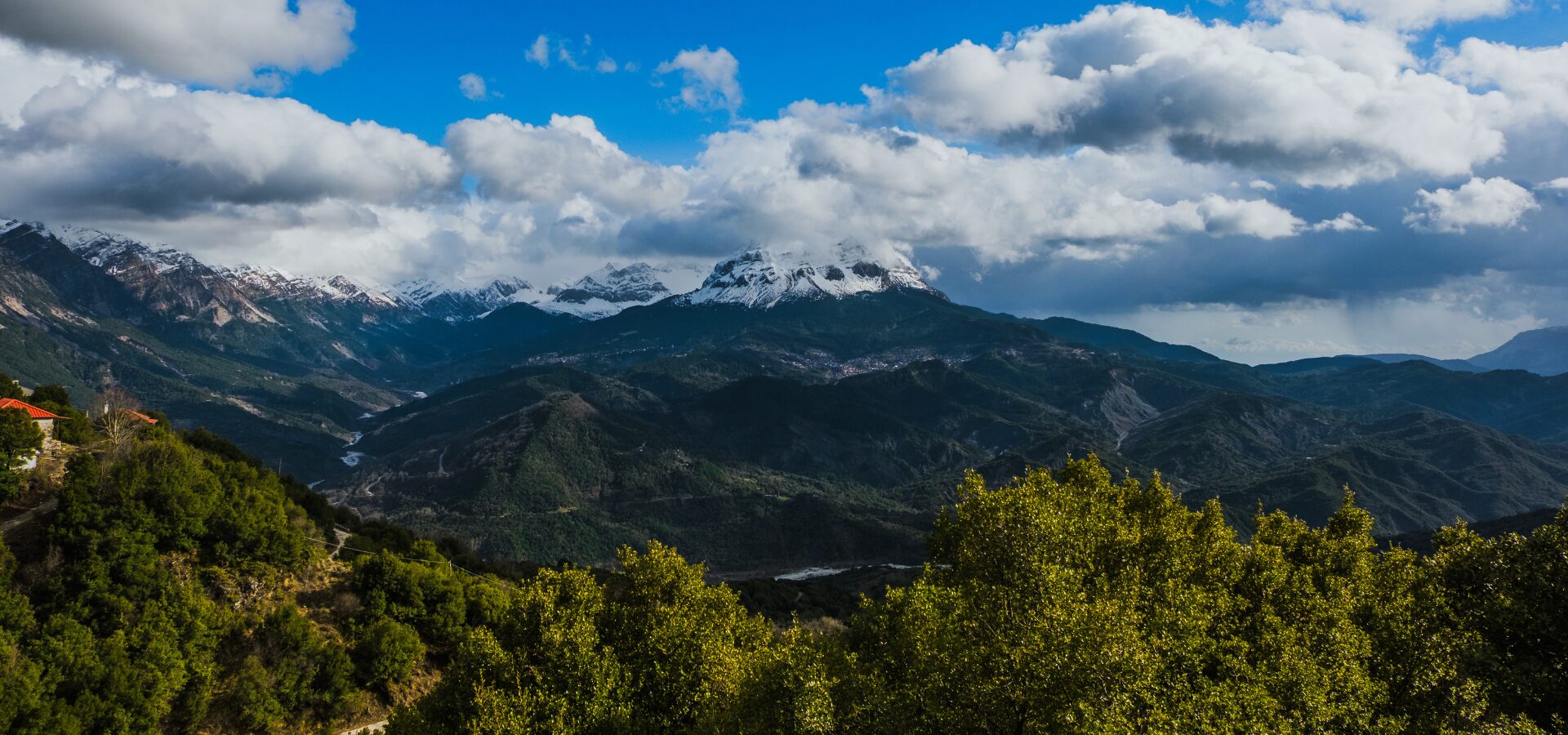
By Sofia Triantou
In the slow-burning fire, in the bread that rises on its own, in the scent of real milk and simmering trahanas, in the simplicity of things that need nothing more to be truly delicious
Before the sun rises behind the Athamanika peaks, in Tzoumerka, life in the villages awakens to the sounds of local roosters and scents that still, to this day, recall beloved times. Breakfast was never just a meal – it was a way of life, the beginning of a full day of hard work, always intertwined with this enchanting landscape.
I still remember my grandmother, before dawn, lighting the fire under the gastra-the domed clay oven-in the outer room of the house. That’s where everything began. The gastra was the heart of every meal: it started with kneading the bread, boiling milk with local flour into what was called kourkouti, and from there, each day would take shape.
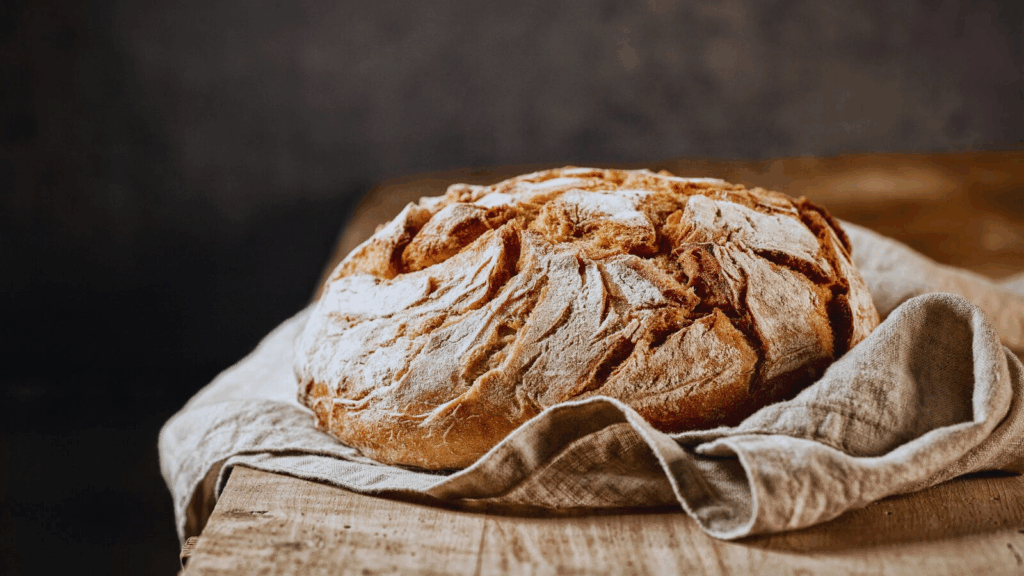
Bread and pies always came first. The dough, prepared the night before with sourdough starter, baked early in the morning, accompanied by a daily pie-sometimes with greens, sometimes with pasta, cheese, zucchini, milk, or trahana. Their aromas filled the house, mingling with wood smoke and the steam from the fire. Beside them, a little milk, cheese, eggs, wild greens, and potatoes from the family garden completed the scene.
In Tzoumerka, the pie was an expression of creativity and self-sufficiency. Every woman made her own, sometimes for the day, other times for the village feast. When the season called for it, they prepared the famous trahanopita-a pie made with trahana batter, cheese, and sheep’s butter, slow-cooked under the gastra. Every single dish, without exception, was made this way.
For me, trahanas is no longer just food-it is memory, inheritance. In mid to late summer, when the weather was stable and dry, women mixed flour with milk or yogurt, shaped small balls or flat patties, and laid them out in the sun on wooden boards or cloths. They would turn them every couple of days to dry evenly, and once the sun had done its work, they crumbled and stored them in cotton bags for the winter ahead. It was the quiet preparation for the cold nights to come.
In winter, trahanas simmered in the morning pot with a bit of water, milk, and butter, served with goat cheese-a humble but hearty breakfast that gave strength before the people set off to the fields or the flocks.
The more foresighted would gather walnuts, chestnuts, and apples in autumn to keep for the cold mornings. Each season carried its own fragrances, and every household tended to its needs accordingly.
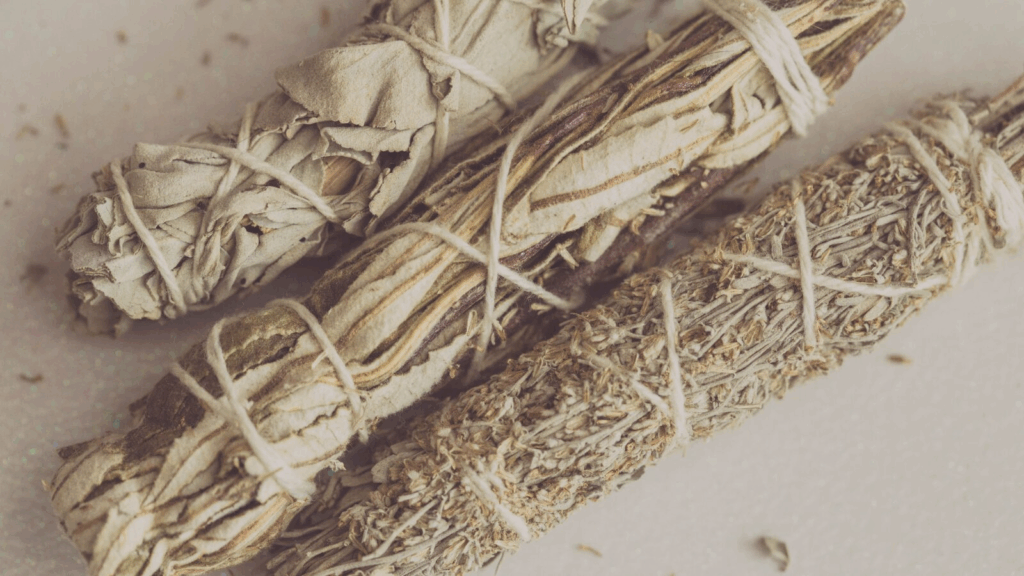
Herbs also had their place at the table. On the Tzoumerka mountains grew abundant sage, oregano, laurel, alisfakia, and mountain tea. Women would carefully pick them in spring and early summer, when the plants were still tender and fragrant, then dry them in the shade and store them in cloth bags for the whole year. The morning drink was usually a simple infusion-sage or mountain tea.
Everyday life in Tzoumerka left no room for luxuries. Breakfast was simple and nourishing—it had to sustain a person through the demands of the mountain. These flavors-homemade bread, trahanas, pies, herbs, milk—were the essence of a cuisine born out of necessity, yet one that has become a form of culture today. Every ingredient had its purpose, and nothing went to waste.
I have an unforgettable image of my grandfather making xynogalo (soured milk) the traditional way. I would always watch him with fascination. He strained the milk through cheesecloth and left it in a cool place for two or three days to sour naturally. Then he poured it into a wooden vessel-the karampa or ntoumpoulitsa-and with a special wooden paddle, he churned it vigorously until the butter separated. The remaining liquid, the xynogalo, we would keep and use in pies or drink fresh.
One of its uses was to warm it gently and strain it again in a cloth bag, removing the excess liquid until it became thick, almost creamy. That thickened xynogalo was used in blatsara or other Epirus pies, because it bound the cornmeal better and gave a richer taste.
Today, when I recall the mornings of my grandparents-the effort behind every simple ingredient-I realize that this is where the answer lies to what we have lost. I think of how precious this heritage is: the images, the flavors, the care, and the connection to nature. In the slow-burning fire, in the bread that rises on its own, in the scent of real milk and simmering trahanas, in the simplicity of things that need nothing more to be truly delicious.
I will end by saying that I miss that authenticity and purity of flavor-from beloved Tzoumerka.