 elc team
Dio Horia presents the group exhibition Weak Signal, bringing together works by Maja Djordjevic, Petros Efstathiadis, Elias Kafouros, Katelyn Ledford, Eva Papamargariti, Ally Rosenberg, Emily Ludwig Shaffer, and Aleksandar Todorovic.
The exhibition runs from April 2 to May 16, 2026.
Weak Signal explores the relationship between digital culture, data systems, and the ways contemporary artistic production can be understood within this condition, a condition in which images increasingly function as signals within broader technological environments. In a world where more and more images are produced, circulated, and analyzed through technological infrastructures and algorithmic frameworks, the image no longer operates solely as a means of representation but also as a component of wider processes that organize information and experience.
The term operational images, introduced by artist and theorist Harun Farocki, describes images that are not primarily produced to be seen by humans but to function within systems of computation, surveillance, or automation. These are images read by machines, generating data and participating in decision-making processes. Within such an environment, the image shifts from representation to operation, from an object of viewing to part of a broader technological infrastructure.
The exhibition proposes a reading of the artistic image within this evolving ecosystem. The works do not necessarily engage directly with technology nor share common intentions; however, when viewed together, they form a field in which the transformation of the image becomes perceptible, within a world increasingly shaped by data, computation, and digital networks.
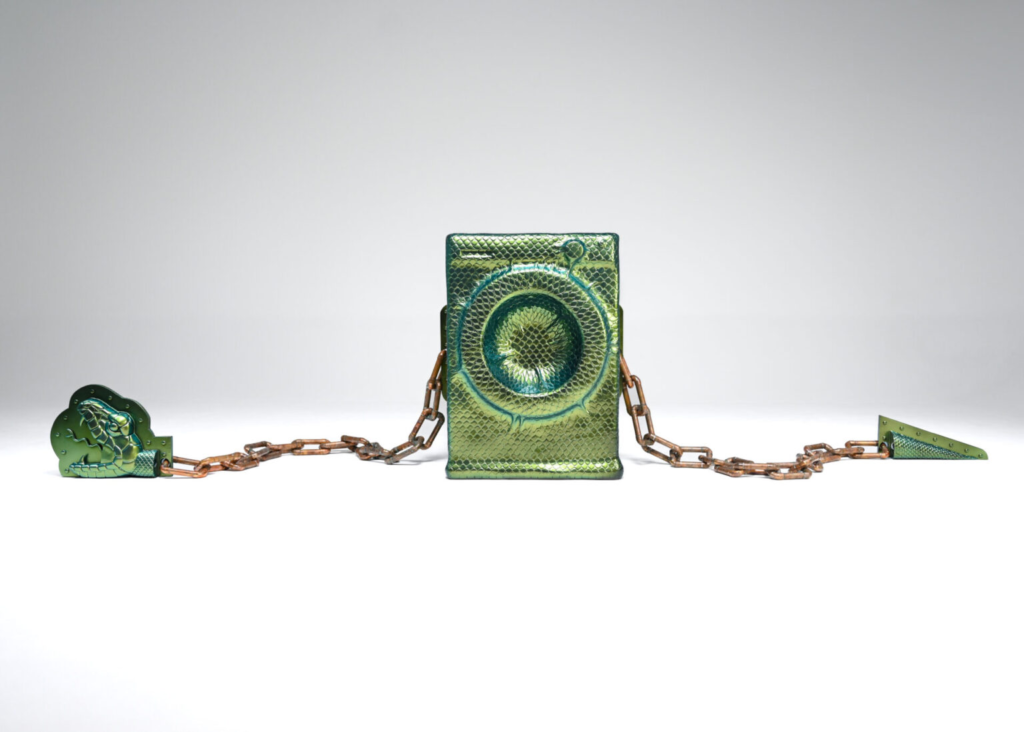
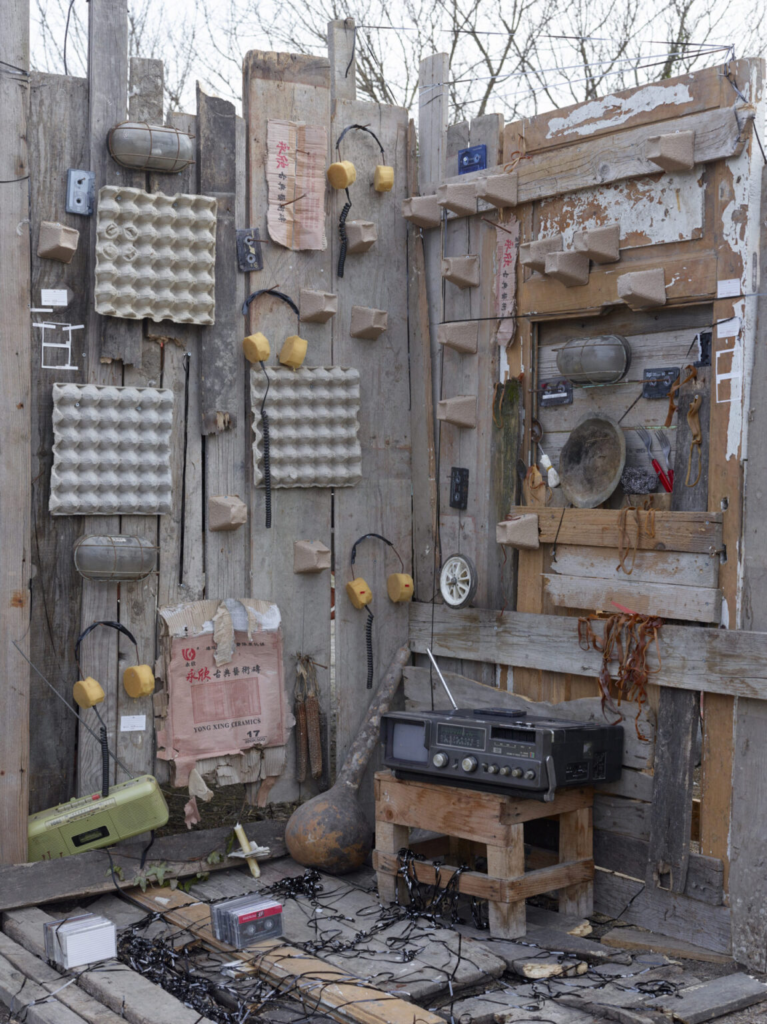
The works move between physical and digital spaces: hybrid bodies, avatars, synthetic landscapes, artificial forms, and constructions resembling mechanisms or staged environments. Painting, video, sculpture, and installations come together to create forms and images that feel like fragments of a world where the digital and the material are no longer clearly distinct.
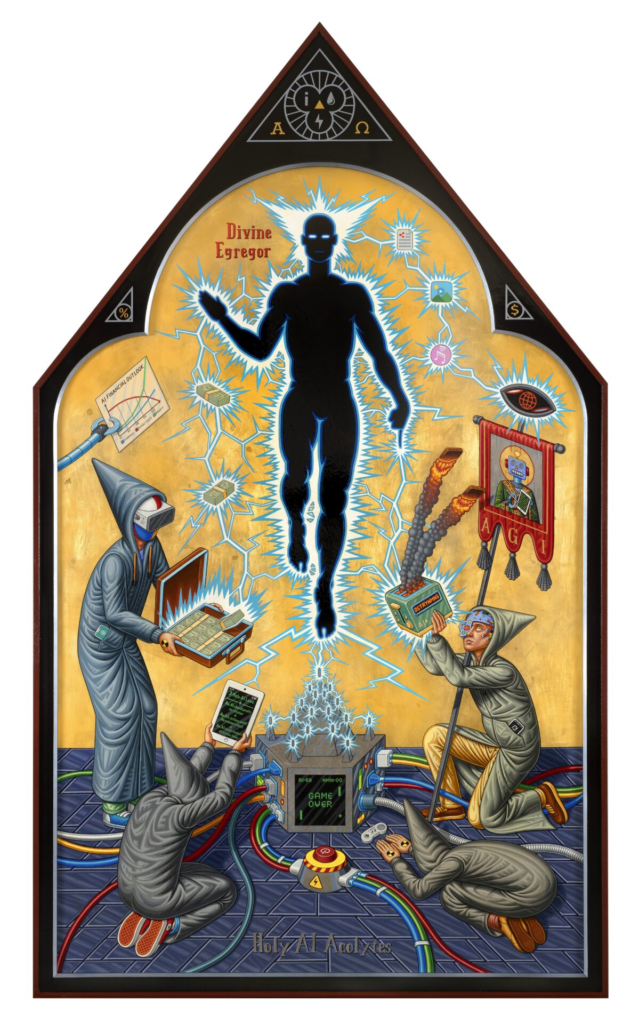
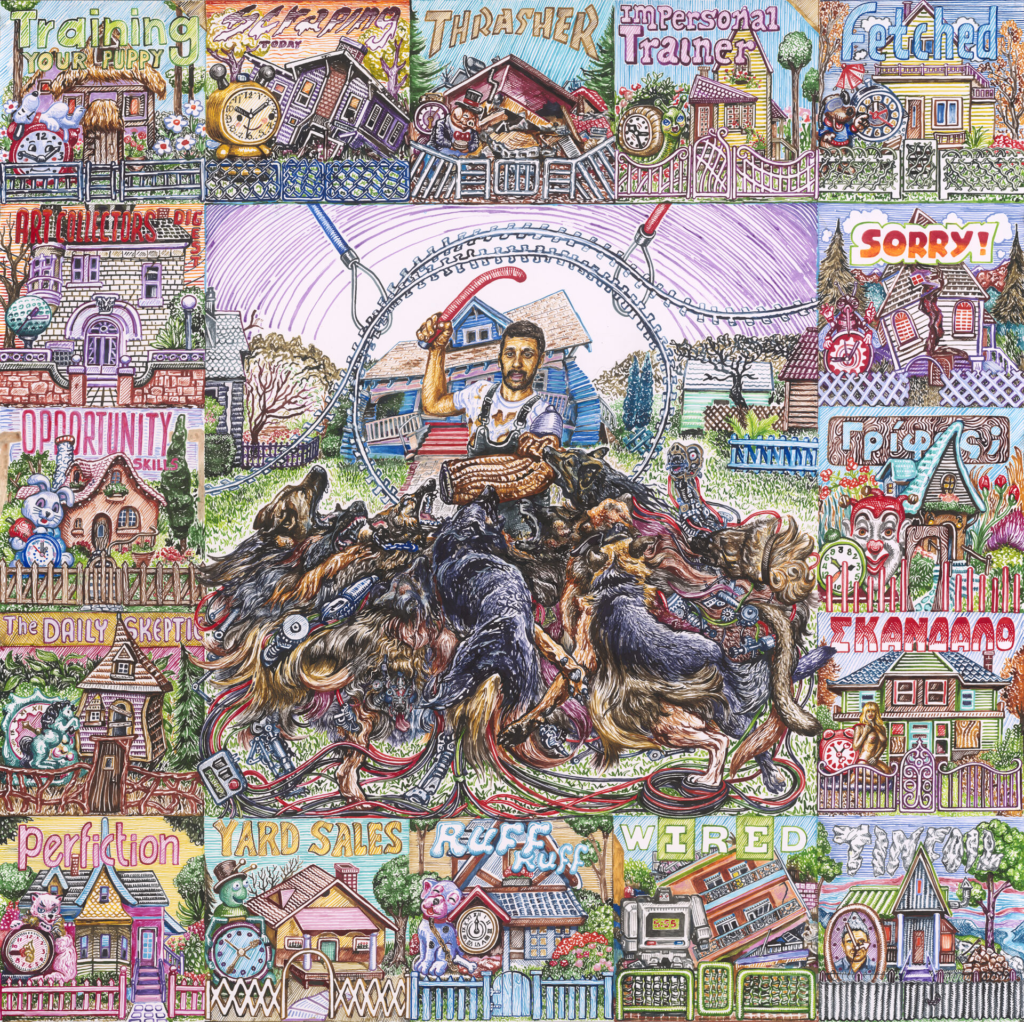
In this context, the artwork can function as a space of negotiation: between the human gaze and algorithmic processing, between experience and simulation, between the materiality of the world and the abstract logic of data. Through diverse artistic practices and media, the exhibition creates a space where these tensions become visible and tangible.
The exhibition title, Weak Signal, refers to a faint signal barely perceptible within systemic noise. In data theory and the analysis of technological and social change, the term describes early indications of potential shifts before they become fully visible. Within the exhibition, it operates as a metaphor for those subtle tensions and fractures through which we begin to perceive the transformations of a world increasingly structured by algorithmic and technological systems.