 elc team
vanishing landscapes is an interdisciplinary research programme focused on the fragile lagoon of Aitoliko (Messolonghi). This initiative will culminate in a four-day public programme on-site in March 2025. Using the museum of artist Vasso Katraki and her early works that document the lagoon and the fishing families that lived in the area as a starting point, artists and researchers will engage with the vulnerable ecosystem. They will listen to the calls of migratory birds, observe the lake, and document the threats, shifts, and changes in this highly delicate landscape. The March programme will open this research to the Aitoliko community, highlighting the environmental challenges the area faces and discussing the role a peripheral museum can play in addressing interconnected ecologies rooted in place, providing solace in a rapidly shifting economic, ecological, and cultural landscape.
As part of the Vanishing Landscape project, we have invited a diverse group of contributors—Nuno da Luz, Yiannis Papadopoulos, Campus Novel, Cinema Fulgor, Dulcinea Compania, and hiboux ARCHITECTURE—to create a series of site-specific contributions that explore the region’s delicate ecosystem and its cultural contexts. These contributions will take various forms, including a sound walk, a three-day workshop for fine arts students, and a film programme that encourages reflection on rural cinema and the ways in which we can come together around film far from urban centers.
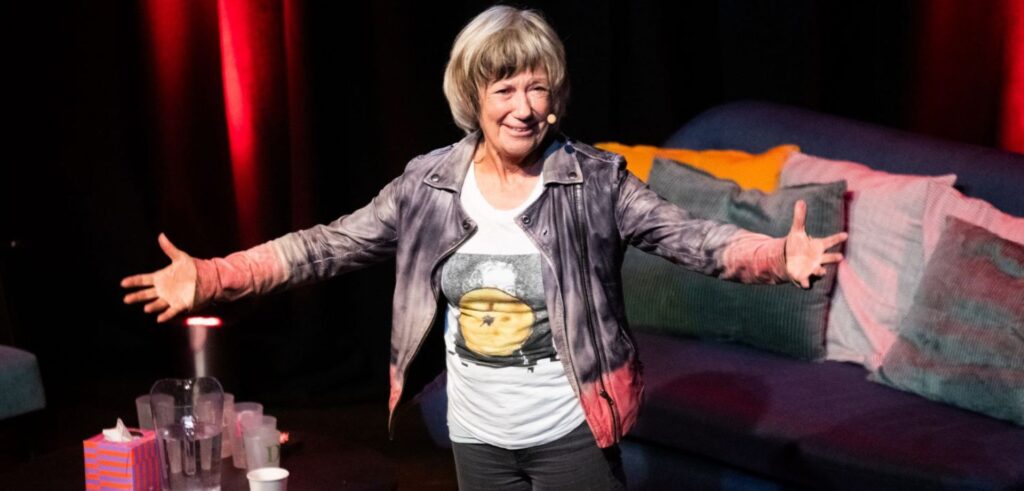
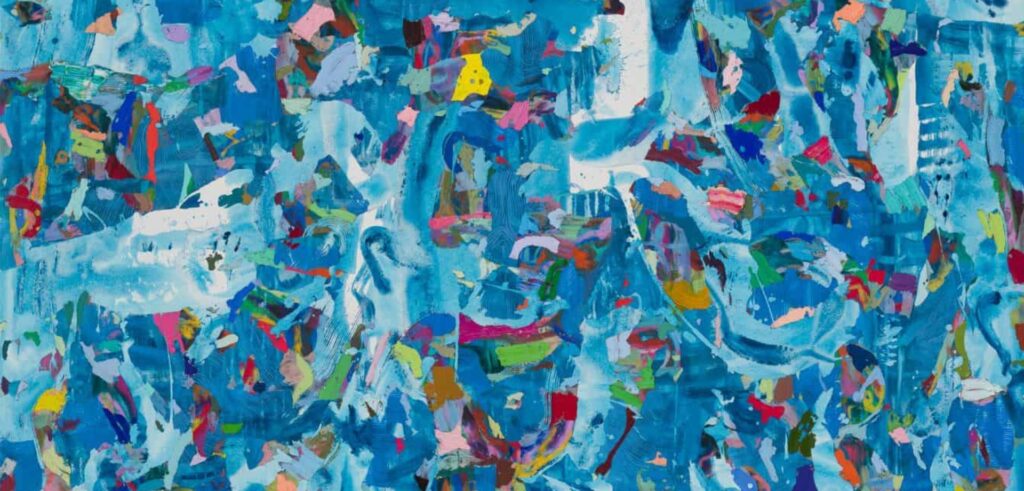
The programme will feature diverse contributions from an incredible lineup of artists and researchers. Nuno da Luz will present Skylarking in two forms: a 72-hour listening station blending environmental and real-time sounds, and an interactive bird watching experience inviting participants of all ages to mimic bird calls and explore the shared origins of music and speech. Campus Novel will bring their screening lecture performance, A place like you and me, which challenges dominant narratives while exploring the thresholds of transformation and sensory potential. Hiboux ARCHITECTURE will reimagine the museum’s spaces with installations crafted from local materials, weaving the lagoon’s textures into the building itself.
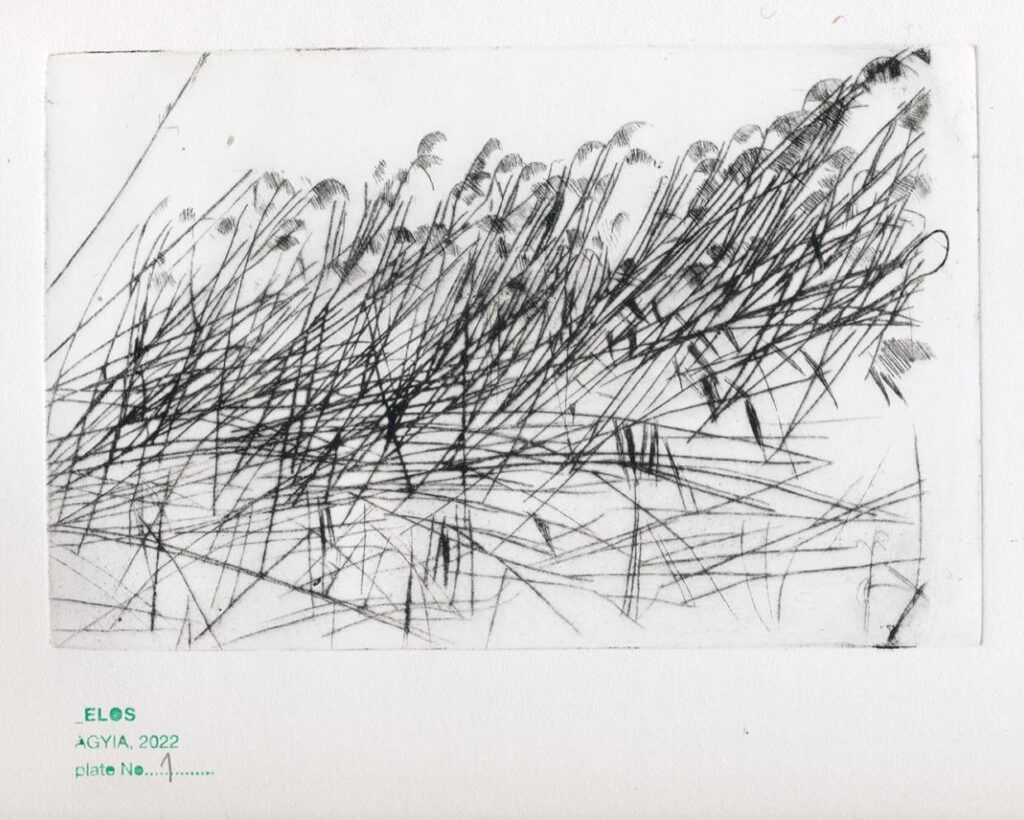
Yiannis Papadopoulos will lead People descended from Trees and Deer, a three-day workshop for Fine Arts students connecting artistic methodologies with the region’s unique natural environment through printmaking. Dulcinea Compania will guide children and their caregivers through a playful and imaginative theatrical tour of the museum, where stories emerge from water and stone. Finally, Cinema Fulgor will present a film programme encouraging reflection on rural cinema and fostering a sense of community through screenings in Aitoliko.
Vanishing Landscapes is part of the Transformative Territories: performing transition through the arts European cooperation programme.
A few words about Aitoliko
According to the 2011 census, Aitoliko has a population of 4,012 inhabitants and is located 10 km north-west of Messolonghi (just a 15-minute drive away), in the middle of the Aitoliko-Messolonghi lagoon: a vast habitat that holds the lion’s share of the precious ecosystem created by the estuaries of the Acheloos and Evinos rivers.
Thus, in addition to its own picturesque charm, the city of Aetoloakarnanese is fortunate to be surrounded by five wetlands that are teeming with life, including endangered species, and are therefore under the international protection of the Ramsar Convention. At the same time, the area is still considered a prime fishing ground (although not as good as in the past), where bream and mullet thrive. According to the 2011 census, Aitoliko has a population of 4,012 inhabitants and is located 10 km north-west of Messolonghi (just 15 minutes by car), in the middle of the Aitoliko-Messolonghi lagoon: a vast habitat that has the lion’s share of the valuable ecosystem formed by the estuaries of the Acheloos and Evinos rivers.
Thus, in addition to its own picturesque charm, the Aetoloakarnanese town is fortunate enough to be surrounded by five wetlands that are teeming with life, including endangered species, and are therefore under the international protection of the Ramsar Convention. At the same time, the area is still considered a prime fishing ground (although not as good as in the past), where bream and mullet thrive.
Info
Vanishing Landscapes
Location:
Contributors:
Curation: Maria-Thalia Carras, Eirini Fountedaki, Manto Psarelli, Foteini Salvaridi
Project Coordinator: Foteini Salvaridi
Interested in joining the event? Fill in the Form of Interest to receive more information about the programme, practical details on how to get to Aitoliko, and accommodation options.