 KATERINA PARRI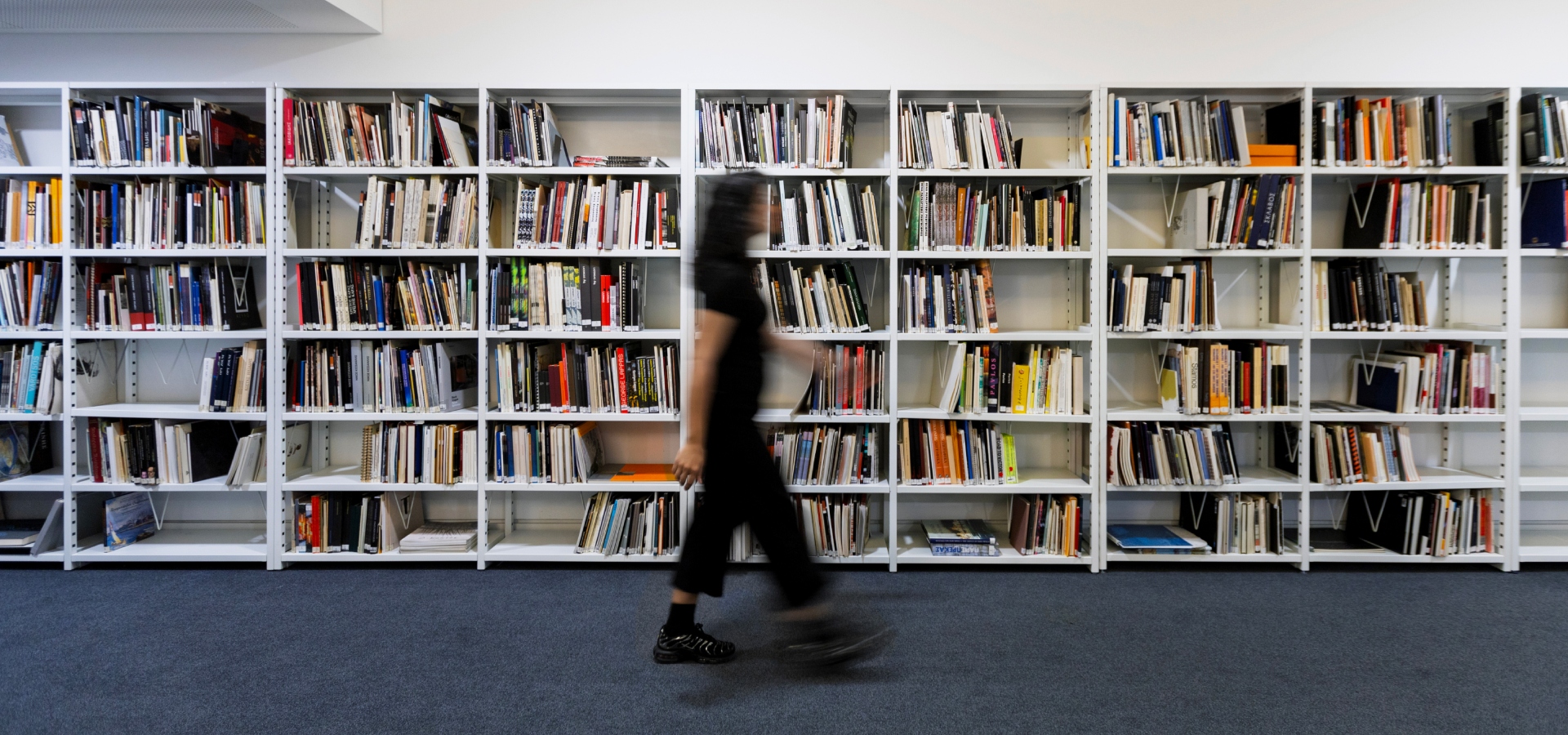
By Katerina Parri
“Welcome to the press conference which I think all of us here at EMST consider perhaps the most important one since the first we held in 2022, when we announced the Museum’s new program,” began Katerina Gregos, Artistic Director of the National Museum of Contemporary Art, Athens (EMST), as she presented the initiatives that have been carried out and are being implemented through the Recovery and Resilience Facility (RRF/NextGenerationEU).
At yesterday’s press conference at EMST, all the “works” of the Museum were presented in detail—those that, as the Artistic Director pointed out, may be less visible but are nonetheless structural, strategic, and of long-term impact. These include the artists-in-residence programs in Greece and abroad, the International Curators Visiting Programme, the Mentorship Program for Greek artists, the digitization of the Artistic Archive, and the educational Museum Kits and art therapy initiatives. Each was analyzed with data and figures, while their reasoning and objectives were highlighted: “Why we did all these things, what we expected, what results we achieved, and what we hope to build upon in the future, based on the foundations we laid,” as Gregos noted.
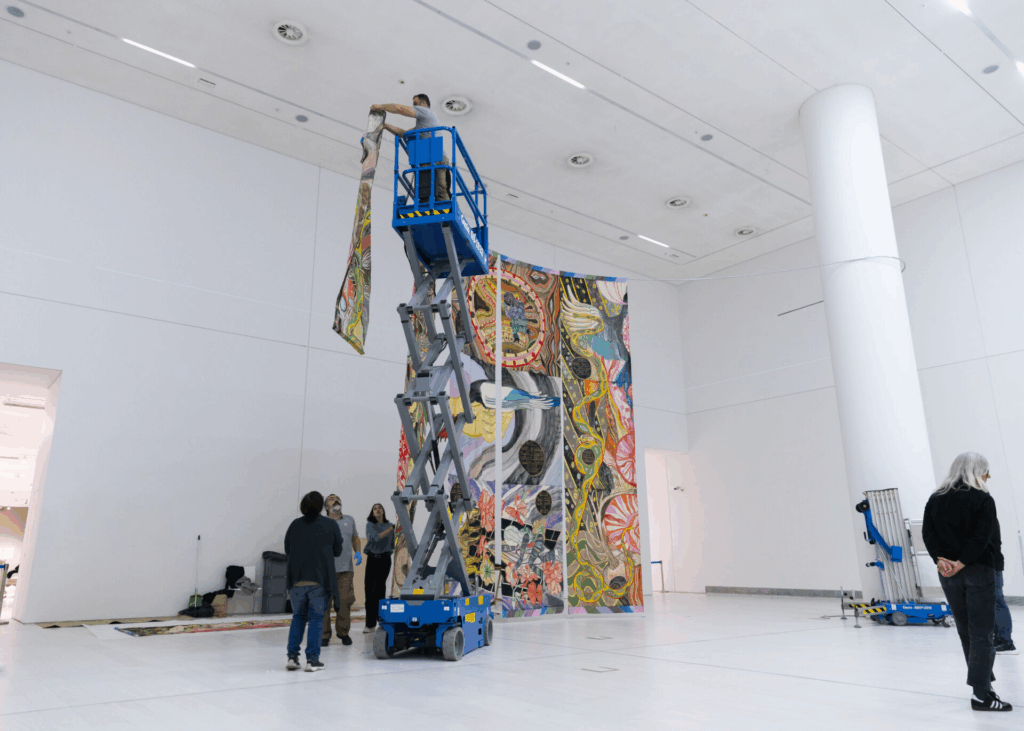
Installation view at EMST
Photo: Erato Stylianoudaki

Photo: Paris Tavitian
The three main strategic pillars of EMST were: harnessing digital technology, strengthening inclusion, and fostering knowledge exchange and international outreach. More specifically, 27 leading curators traveled to Athens and met more than 350 Greek artists through the International Curators Visiting Programme; 8 Greek artists have already participated in residencies with major international institutions; 17 international artists have been hosted in Athens through the Residency Program for Greek and foreign artists; and 18 Greek artists collaborated with 9 internationally acclaimed artists and curators through the Mentorship Program.
The EMST Artistic Archive-comprising more than 18,000 items, from manuscripts and artworks to photographs and sound recordings-is now available through a new digital platform. Meanwhile, the installation of new ERP (Enterprise Resource Planning) and CRM (Customer Relationship Management) systems has upgraded and streamlined the Museum’s internal operations.
The impressive EMST PLAY Museum Kits, which were showcased up close, are traveling and bringing contemporary art to the public through experiential learning. In the Art Therapy Program for individuals with mental health challenges, 48 participants have so far attended twelve weekly two-hour sessions, centered around the observation and discussion of works from the exhibition Why Look at Animals? Justice for Non-Human Life and the creation of artworks in a safe, supportive environment. The ultimate goal is to establish a permanent framework for cultural prescription. It is worth noting that Katerina Gregos received the 2025 Nancy Regan Award for the Arts for curating this pioneering exhibition.

Photo: Eleni Giokali
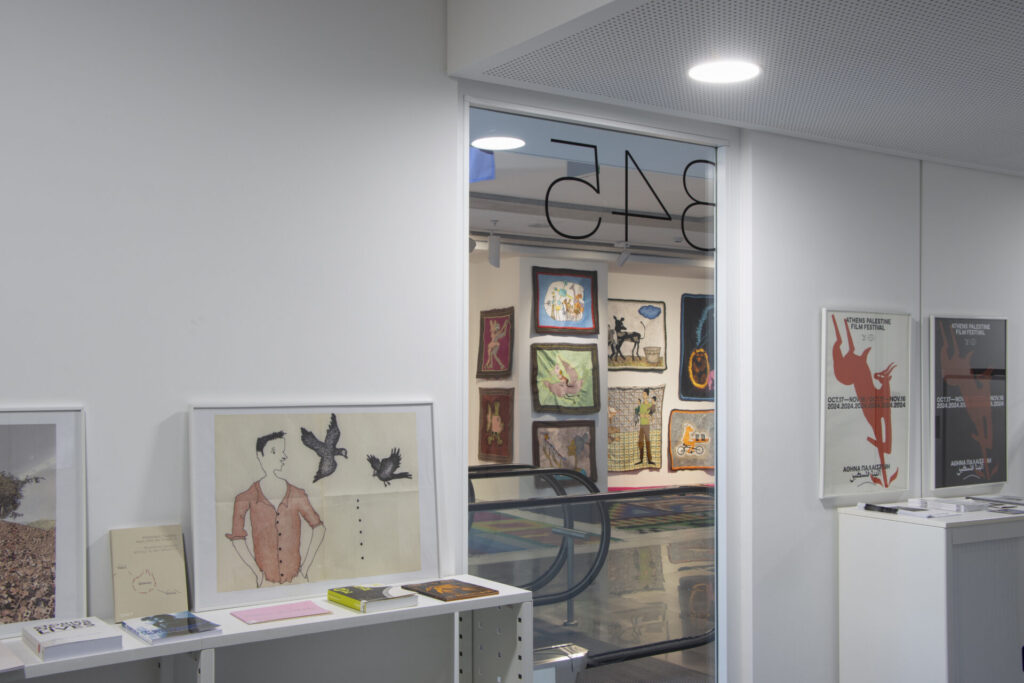
Two more major developments include the brand-new EMST Shop-an artwork specifically designed by artist Philip Metten in the Museum’s foyer-and the opening of the EMST Library, which for the first time offers public access to a valuable archive. With 20 reading stations, the Library is dedicated to contemporary Greek and international art, holding a collection of more than 10,500 book titles, periodicals, and audiovisual material, and will continue to expand (Opening hours: Tuesday–Friday, 9:00–16:30).
According to a statement by Minister of Culture Lina Mendoni:
“The projects and initiatives implemented by EMST with RRF funding are living proof of how state resources can be used with vision, planning, and transparency. Through the International Curators Visiting Programme, the residencies and mentorships, and the creation of the digital archive of Greek artists, the Museum has substantially enhanced the international profile of Greek contemporary creativity, offering new global opportunities for our artists. At the same time, through socially oriented initiatives, such as the ‘Museum Kits’ and the art therapy program, it has tangibly demonstrated that art can become a tool for inclusion, cohesion, and improving people’s daily lives. The digitization of 13,000 items, the opening of the library to the public, and the new shop are part of the Museum’s strategic digital and operational transformation, making it even more accessible, outward-looking, and sustainable. I would like to sincerely thank Artistic Director Katerina Gregos for her dedication, as well as the Museum’s president, board, and staff, who have worked with commitment and professionalism. Their work honors Greek culture, strengthens Athens’ position as an international cultural metropolis, and opens new pathways for the future of contemporary art in our country.”

Photo: Jan Kempenaers
Gregos concluded by stressing that all these targeted actions are not immediately perceptible to visitors to the Museum, “but their aim is to shape a future ecosystem where contemporary Greek culture will be even more visible, accessible, and competitive in a world where, as we all know, contemporary culture plays a crucial role in a country’s prestige, tourism, and urban identity, and where contemporary art museums function not only as exhibition venues but also as spaces of learning, dialogue, and social engagement.”
As presented, here are the detailed actions carried out and currently being implemented through the Recovery and Resilience Facility (RRF/NextGenerationEU):
PROMOTION OF CONTEMPORARY VISUAL ARTS PRODUCTION: OUTREACH – NETWORKING – COLLABORATIONS
International Curators Visiting Programme (ICVP)
From 2023 to 2025, EMST designed and implemented the International Curators Visiting Programme (ICVP), bringing to Greece 27 leading international curators from renowned museums, biennials, and contemporary art centers through specially designed, tailored programs. The aim of the initiative is to highlight the work of contemporary Greek artists and strengthen their presence on the global art stage, building bridges between the Greek art scene and major museums, exhibitions, and institutions abroad.
Through the EMST ICVP, studio visits and meetings with 353 Greek artists of all generations and ages were organized, leading to significant collaborations already, with many more expected.
To support and enhance the program, a digital archive of Greek artists has been created and continues to grow. This evolving contemporary art portal currently includes over 260 artist portfolios from all generations and is constantly being enriched. The ultimate goal is to establish a dedicated microsite that will serve as a valuable tool for showcasing and mapping contemporary Greek artistic creation.
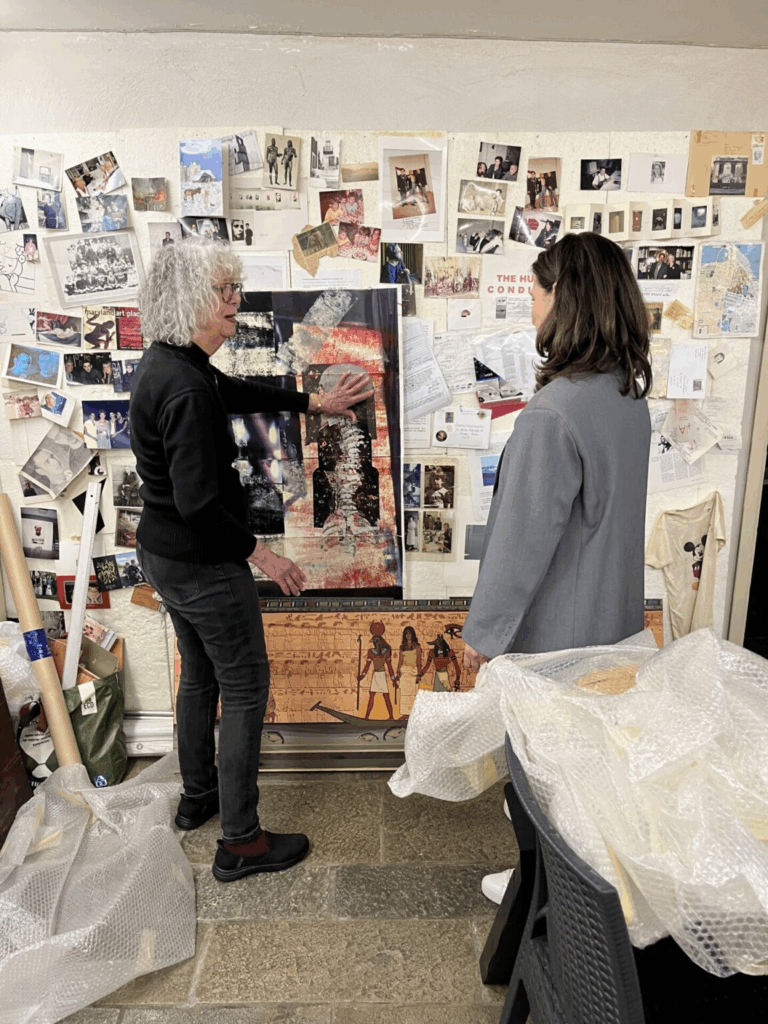
EMST International Curators Visiting Programme, 2025
Curators who participated in the Programme:
- Zeina Arida – Director of MATHAF: Arab Museum of Modern Art, Doha, Qatar
- Issa Al Shirawi – Head of International Exhibitions at Qatar Museums, Doha, Qatar
- Branka Benčić – Curator, art historian, researcher, and writer, Director of the Museum of Modern and Contemporary Art MMSU MoMCA, Rijeka, Croatia
- Hiuwai Chu – Chief Curator at the Museum of Contemporary Art of Barcelona (MACBA), Spain
- Ivet Curlin – Art historian and curator, member of the curatorial collective WHW (What, How & for Whom) based in Zagreb, Artistic Director of Skulptur Projekte Münster 2027
- Mario D’Souza – Curator and writer, Director of Programmes at the Kochi Biennale Foundation, India
- Giulio Feltrin – Founder of Arper Feltrin Foundation, Milan, and of Villa Filanda Antonini Artist Residency, Treviso, Italy
- Zoe Gray – Director of Exhibitions at BOZAR (Palais des Beaux Arts), Brussels, Belgium
- Kati Kivinen – Exhibition Manager at HAM Helsinki Art Museum, Finland; co-curator with Blanca de la Torre of the 3rd Helsinki Biennial 2025
- Joao Laia – Artistic Director of the Contemporary Art Department, Porto City Council, Portugal
- Maximilian Lehner – Curator, writer, and researcher, Institute of Contemporary Arts and Media at KU Linz, Austria
- Mihnea Mircan – Curator and writer, Director of Plan B Foundation, Cluj, Romania
- Catherine Nichols – Curator of the 18th Lyon Biennale, Chief Curator at Hamburger Bahnhof – National Gallery of Contemporary Art, Berlin
- Nora O Murchú – Artistic Director of Transmediale, Berlin
- Ayca Okay – Curator, 2nd Commagene Land and River Art Biennial, Kahta, Turkey
- Melanie Pocock – Artistic Director of Exhibitions at IKON Gallery, Birmingham, United Kingdom
- Grazia Quaroni – Art critic and museum curator, Director of Collections at Fondation Cartier pour l’art contemporain, Paris, France
- Filipa Ramos – Lecturer at the Arts Institute of HGK/FHNW, Basel, Switzerland; Artistic Director of LOOP Video Festival, Barcelona
- Gabriela Salgado – Director of The Showroom, London, United Kingdom
- Margriet Schavemaker – General Director of Kunstmuseum Den Haag, Fotomuseum Den Haag, KM21, and Escher in The Palace, The Hague, Netherlands
- Rainald Schumacher – Curator of the Deutsche Telekom Art Collection, Berlin, Germany
- Sarah Theurer – Curator at Haus der Kunst, Munich, Germany
- Christel Tsilibaris – Curator and Coordinator of Curatorial Programmes at BOZAR, Brussels, Belgium
- Philippe Van Cauteren – Artistic Director of S.M.A.K. (Stedelijk Museum voor Actuele Kunst), Ghent, Belgium
- Marta Weiss – Senior Curator and Curator of Photography at the Victoria and Albert Museum (V&A), London, United Kingdom
- Sandrine Wymann – Curator and Director of La Kunsthalle Mulhouse, Centre for Contemporary Art, France
- Joanna Zielinska – Chief Curator at the Museum of Contemporary Art Antwerp (M HKA), Belgium
Curators scheduled to visit Athens in the next two months:
- Marta Dziewanska – Curator, KANAL – Centre Pompidou, Brussels, Belgium
- Luigi Fassi – Artistic Director, Artissima, Turin, Italy
- Henry Meyric Hughes – Member of the curatorial team, Manifesta 16, Germany
- Susanne Pfeffer – Director, MUSEUM MMK FÜR MODERNE KUNST, Frankfurt, Germany
- Alain Servais – Collector, Servais Collection, Brussels, Belgium
- Nilüfer Şaşmazer – Curator, Arter, Istanbul, Turkey
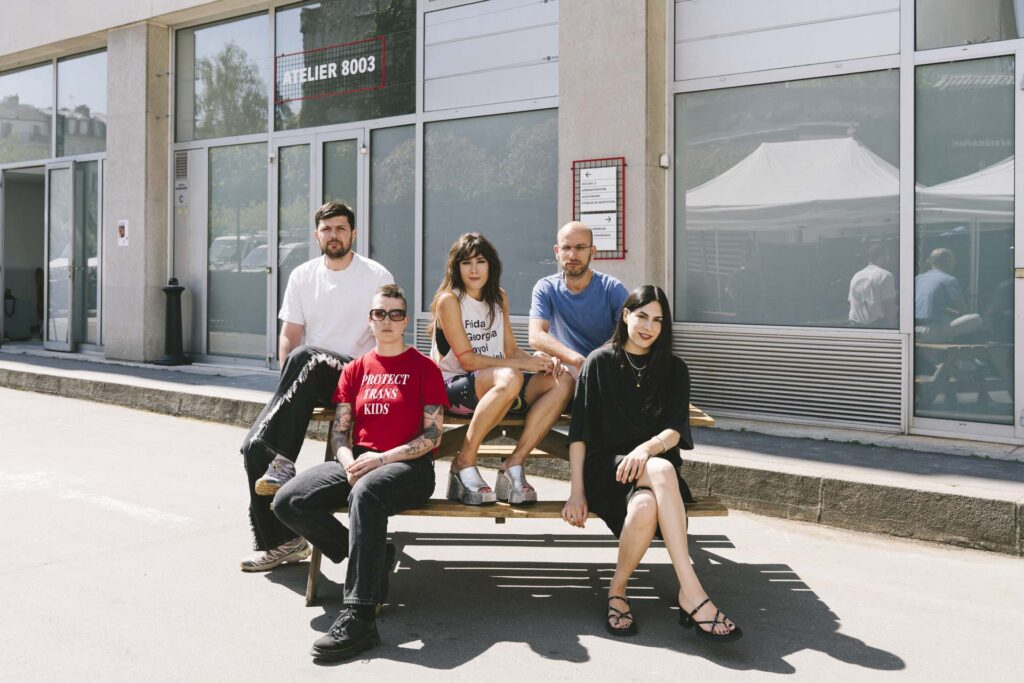
Eight Greek artists who, through EMST, carried out residencies abroad:
- At Künstlerhaus Bethanien, a renowned international residency programme in Berlin: Margarita Athanasiou and Valinia Svoronou.
- At Cité internationale des Arts, a historic and multicultural artists’ residency in Paris: Lito Kattou, Sophia Kouloukouri, Vera Chotzoglou, Konstantinos Doumpenidis, and Kosmas Nikolaou.
- At WIELS Contemporary Art Centre, a major European contemporary art hub in Brussels: Alexandra Sinopoulou.
At the same time, EMST hosted 17 international artists in Athens, offering them a unique opportunity to engage directly with the Greek art scene and become familiar with the country’s contemporary creative practices, as well as professionals in the visual arts field. During their stay, the artists participated in workshops, museum and exhibition visits, and cultural events, while also exploring aspects of Greek history and culture that informed works realized during or after their residency. They were also able to network with Greek peers, curators, and cultural institutions. This experience not only enriched their own creative practice but also allowed them to carry the knowledge of their participation abroad, enhancing Greece’s international visibility and creating bridges of cultural dialogue.
Seventeen artists who carried out residencies in Greece through EMST:
Kasper Bosmans, David Brooks, Marcus Coates, Claudia Comte, Mark Dion, Hadassah Emmerich, Celine Gillain, Joana Hadjithomas & Khalil Joreige, Mikhail Karikis, Bouchra Khalili, Kira Lillie, Philip Metten, Susan Meiselas, Nikolay Karabinovych, Penny Siopis, Grace Schwindt, Emma Talbot.

Durational performance throughout the museum building
Photo: Eleni Giokali
Mentorship Programme
The EMST Mentorship Programme is a strategic initiative designed to support and advance emerging Greek visual artists, selected through an open call. It brings together 18 participating artists with 9 internationally acclaimed artist-mentors from abroad, each with extensive experience in the global art world. The programme offers meaningful opportunities for knowledge exchange, the development of artistic practices, and the enhancement of the international visibility of the participants’ work.
The programme includes in-person meetings in Athens as well as regular online mentoring sessions over the course of approximately one year. It will conclude with a two-day event at the Museum, serving both as a review of the collaboration and as a presentation of the results and experiences. EMST created the Mentorship Programme with the aim of offering a tool for strengthening and showcasing Greek contemporary art internationally, fostering the ongoing connection between the Greek art scene and the global field of art and culture.
Artist-Mentors and their participants:
- Iván Argote: Anestis Ioannou, Dimitrii
- Candice Breitz: Nicolas Cilins, Sophia Dona
- Saskia Bos: Chrysanthi Koumianaki, Giorgos Papafygos
- Hera Büyüktaşcıyan: Catriona Callagher, Athina Koumparouli
- Marcus Coates: Nikos Arvanitis, Kosmas Nikolaou
- Mikhail Karikis: Zoi Chatzigiannaki, Akrivi Koukouli
- Michael Landy: Natalia Manta, Alexandros Georgiou
- Julian Rosefeldt: Maria Mavropoulou, Marilena Aligiazaki
- Penny Siopis: Irini Vourloumi, Esmeralda Momferratou
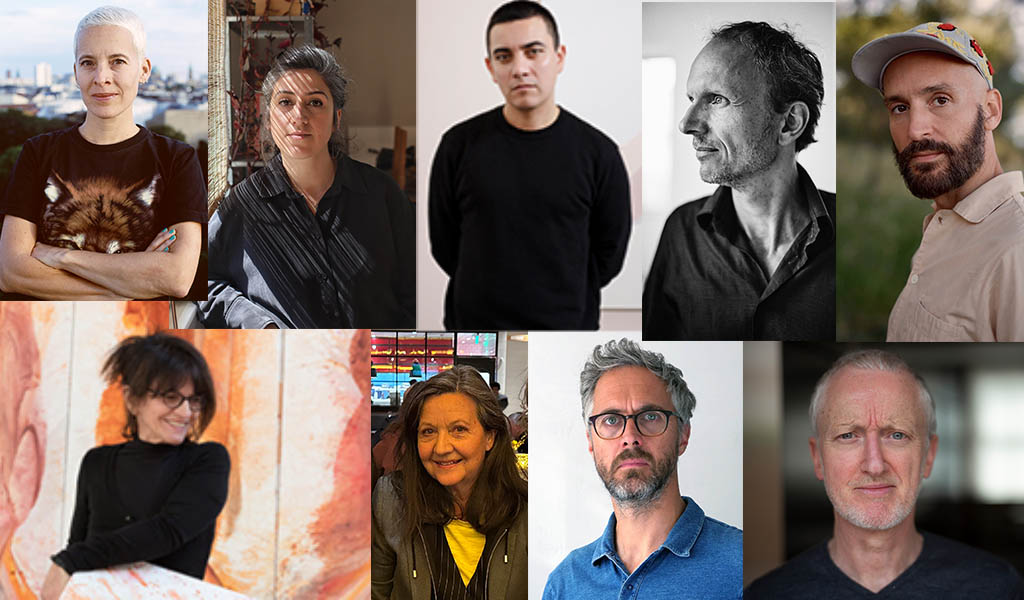
EMST Mentorship Programme, 2025
Museum Kits – EMSTPLAY
The educational approach of the National Museum of Contemporary Art, Athens (EMST) is based on participatory and experiential methods that encourage active engagement with art, aesthetic experience, self-expression, and the development of critical and creative thinking. The primary aim is meaningful communication and a deeper understanding of the world through art.
Within this framework, the EMSTPLAY Museum Kits were created—specially designed “suitcases” that travel to individuals or institutions without easy access to the Museum. Their content encourages experimentation with the tools and language of contemporary art, providing information about the Museum, selected works from its Collection, as well as proposals for hands-on activities. Through this experience, participants become familiar with contemporary art and develop a new perspective on the world around them.
Today, EMST offers 18 Museum Kits—15 in Greek and 3 in English—addressed to a wide audience: senior citizens’ centers, nursing homes, day centers, schools, museums, cultural centers, libraries, festivals, as well as institutions abroad through embassies and cultural organizations. Interested institutions can book the kits via the dedicated platform.
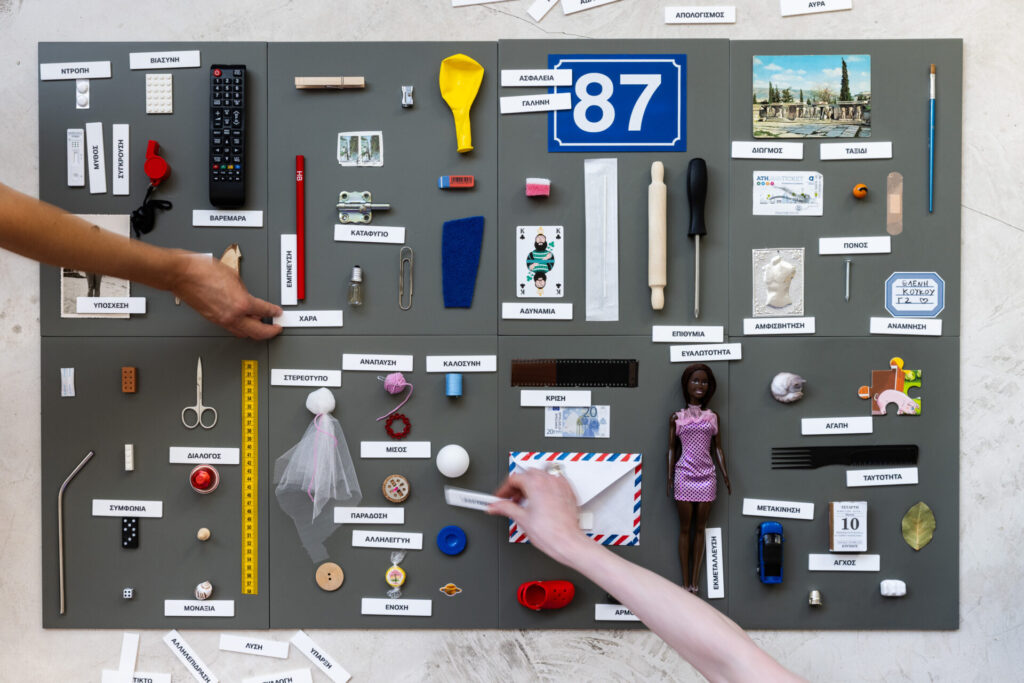
Photo: Paris Tavitian
Art Psychotherapy at EMST for People with Mental Health Challenges
The National Museum of Contemporary Art, Athens (EMST) is participating in the pilot actions of the Ministry of Culture’s “Cultural Prescription” initiative, in collaboration with the University Research Institute of Mental Health “Kostas Stefanis” (EPIPSY).
As part of the programme, an innovative art psychotherapy initiative has been developed for individuals with mental health disorders. It consists of twelve weekly two-hour sessions, centered on the observation and discussion of works from the exhibition Why Look at Animals? Justice for Non-Human Life, and on the creation of artworks in a safe, supportive environment.
The programme has been designed on the basis of a scientific study by a ten-member EPIPSY team, under Professor Nikos Stefanis, with systematic evaluation and supervision to ensure therapeutic effectiveness and to develop tools for integration into the national e-prescription platform (IDIKA).
So far, 48 individuals have participated, from organizations such as the Panhellenic Association for Psychosocial Rehabilitation and Work Reintegration (PEPSAEE), the Society for Regional Development and Mental Health (EPAPSY), and the Pangrati Mental Health Centre (KPSY Pangrati).
The ultimate goal is the establishment of a permanent framework for cultural prescription, highlighting the essential role of culture in supporting mental health.
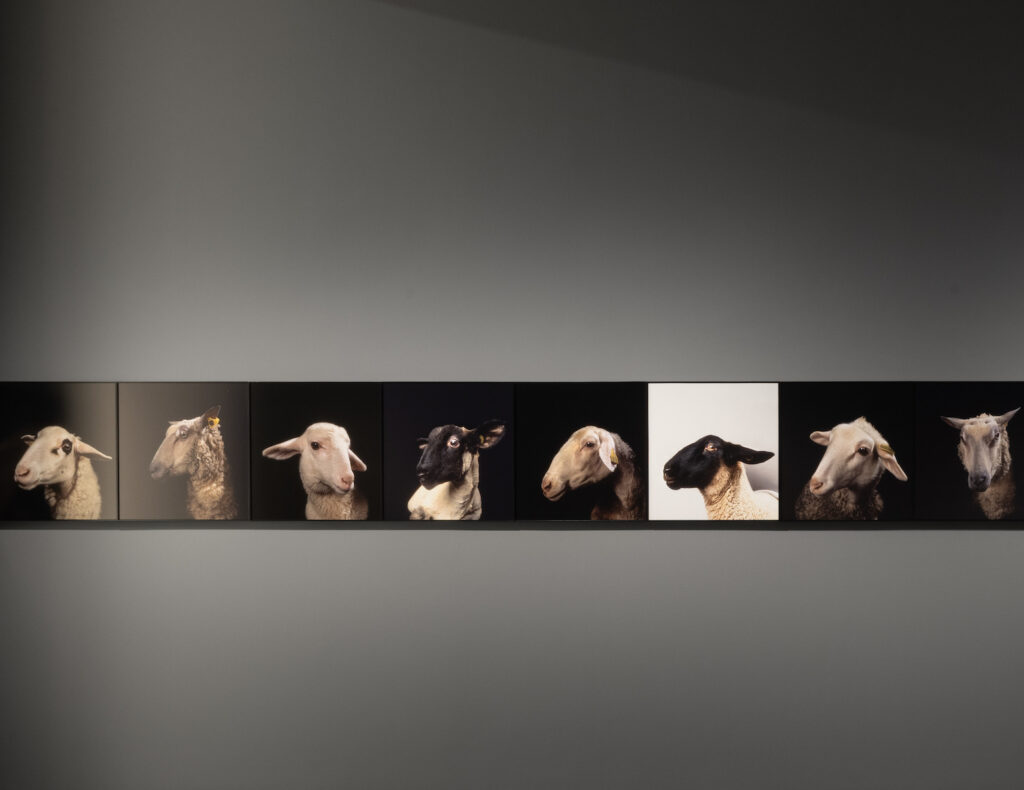
Installation view at EMST
Photo: Paris Tavitian
Installation of Management Systems (E.R.P. & C.R.M.)
EMST has entered a new digital era by installing two state-of-the-art systems that improve both its internal operations and its relationship with the public: ERP (Enterprise Resource Planning) and CRM (Customer Relationship Management).
With ERP, the Museum can now monitor its finances in real time, such as ticket revenues or shop sales, while also managing its store inventory more efficiently, thanks to automated stock updates. At the same time, the CRM system makes it easier for visitors to purchase tickets online, receive e-tickets and reminders, and enables schools to book educational programmes in a simpler and more organized way. Through these tools, EMST enhances operational efficiency, provides improved services to the public, and ensures its sustainable growth.
NEW Shop at EMST
The new Shop at EMST was created to enrich the visitor experience and complete the transformation of the Museum’s entrance. It was designed by artist Philip Metten as part of the Residency Programme, who conceived an original pavilion-shop in dialogue with the architecture of the building.
The design is based on the artist’s distinctive diagrams—a formal language reminiscent of the ancient Chinese puzzle tangram—that he consistently applies throughout his practice. The Shop at EMST offers items designed especially for the Museum—jewelry, bags, notebooks—inspired by its exhibitions and Collection, as well as limited-edition small artworks by contemporary Greek artists. In addition, the shop features the Museum’s current and past publications, including exhibition catalogues, monographs, and theoretical texts, offering visitors a carefully curated selection.


Opening of the EMST Library to the Public
As of Thursday, September 25, the EMST Library opens its doors to the public for the first time, with regular opening hours (Tuesday to Friday, 9:00–16:30), offering visitors the opportunity to explore the Museum’s rich Artistic Archive.
The EMST Library is a dedicated space focused on contemporary Greek and international art, with a collection comprising more than 10,500 book titles, 450 periodical titles, and extensive audiovisual material. Its subjects range from art history and theory to philosophy, museology, and criticism, with particular emphasis on exhibition catalogues from Greece and abroad, as well as monographs on artists from the Museum’s permanent collection and temporary exhibitions.
The collection is continuously enriched to support the Museum’s exhibition and research activities. On the first floor, visitors will find a reading room with 20 seats, along with a room accommodating up to 8 people for group meetings and collaborative work. The Library operates as a reading room only and does not provide lending services.