 elc team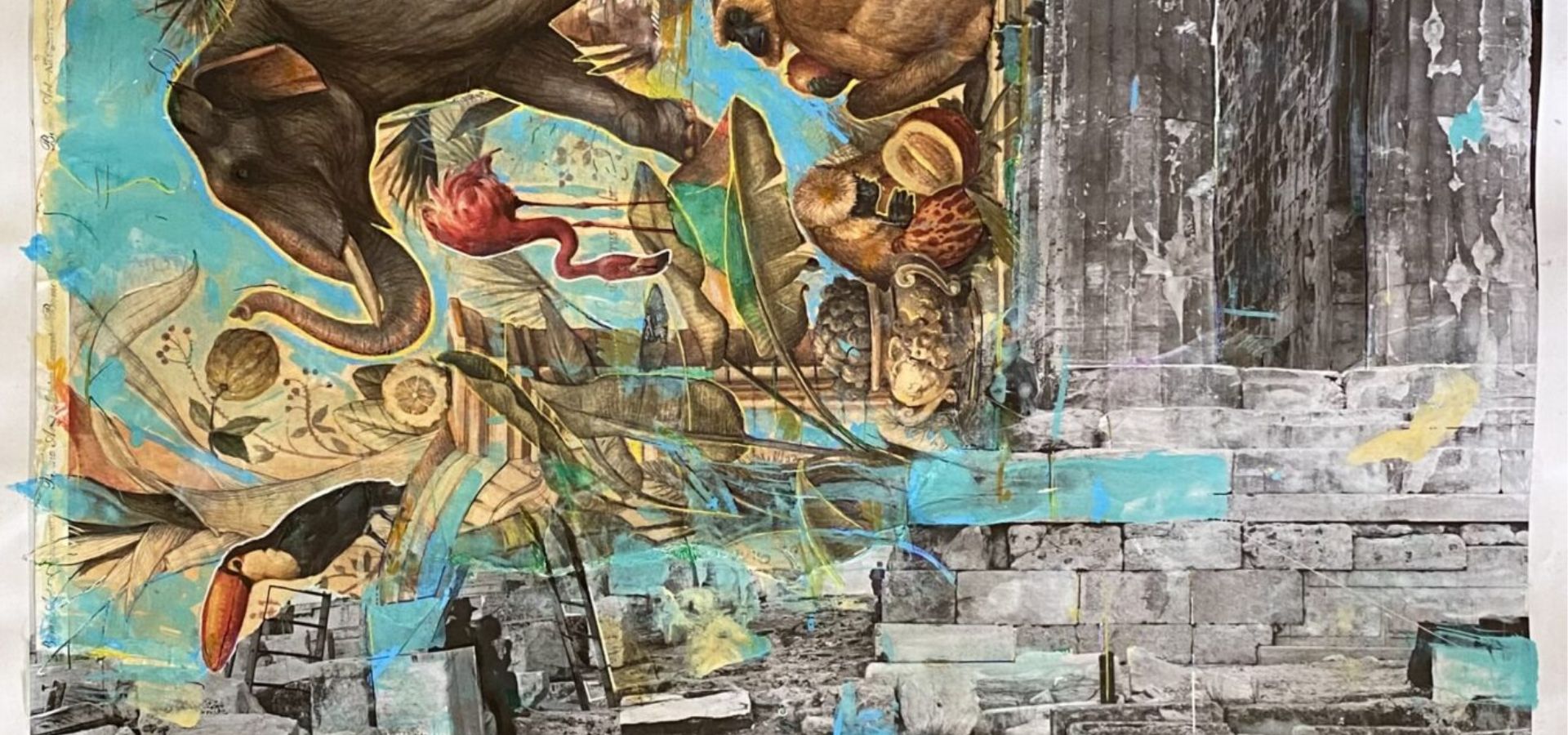
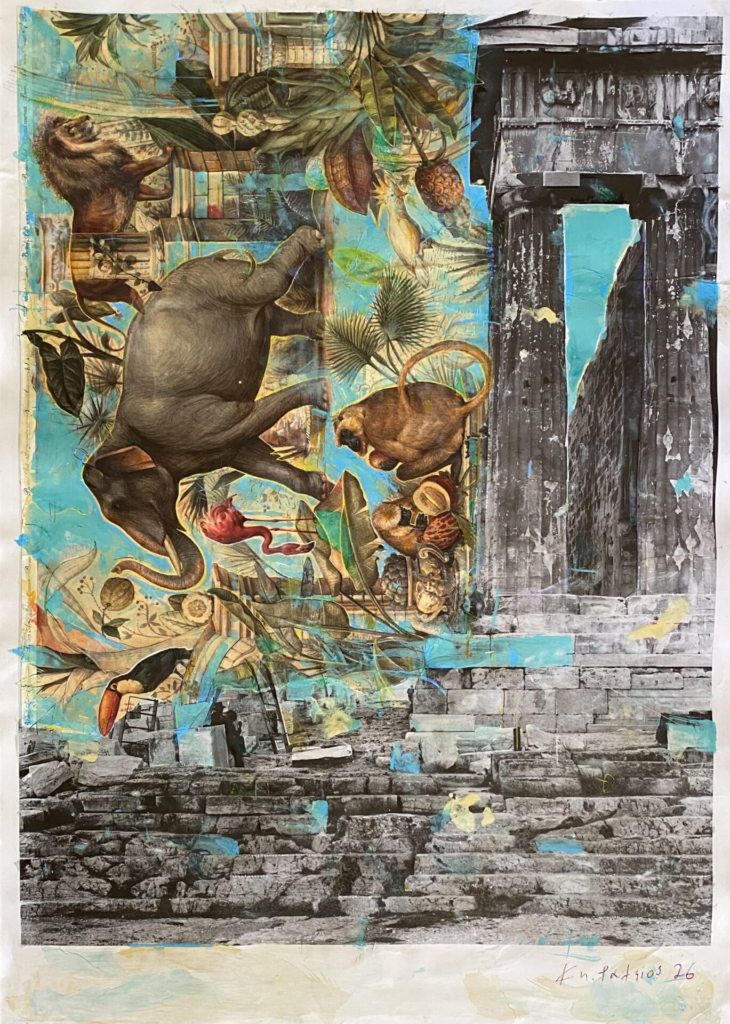
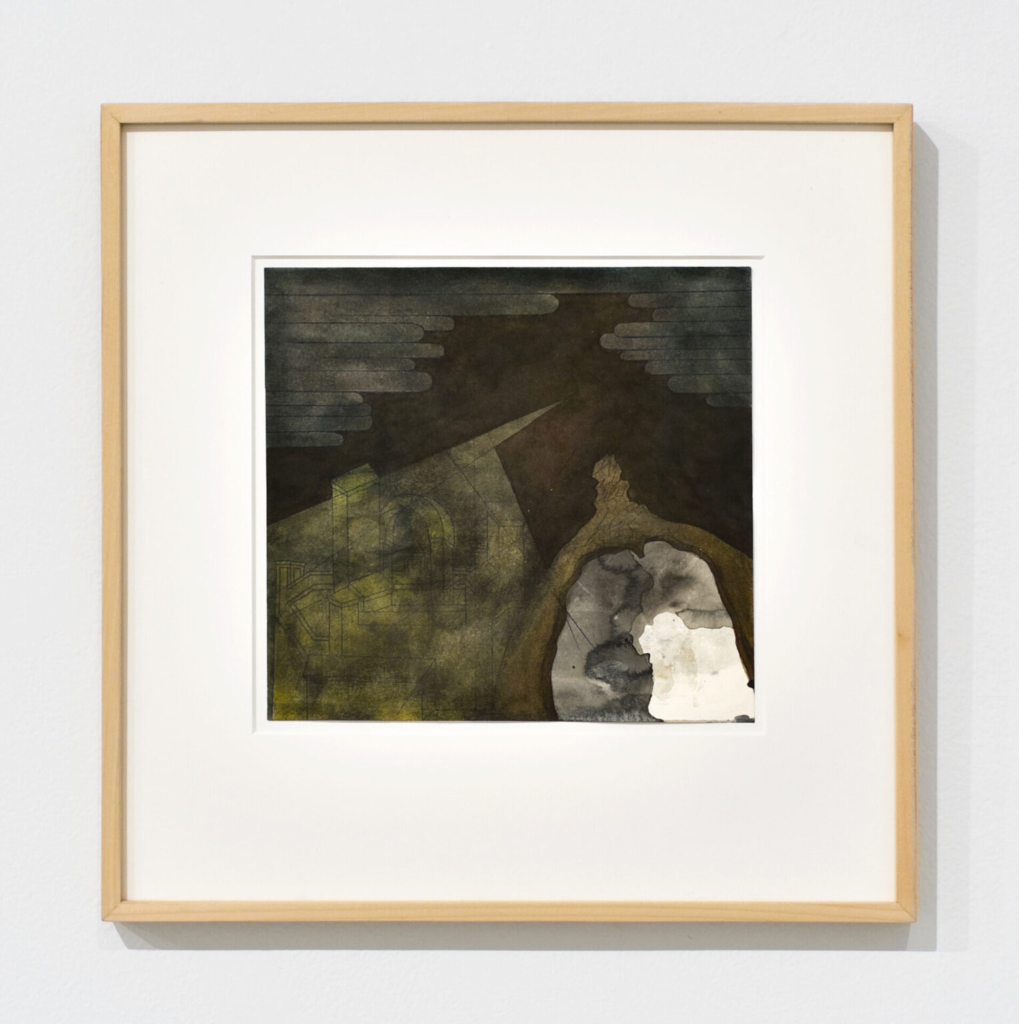
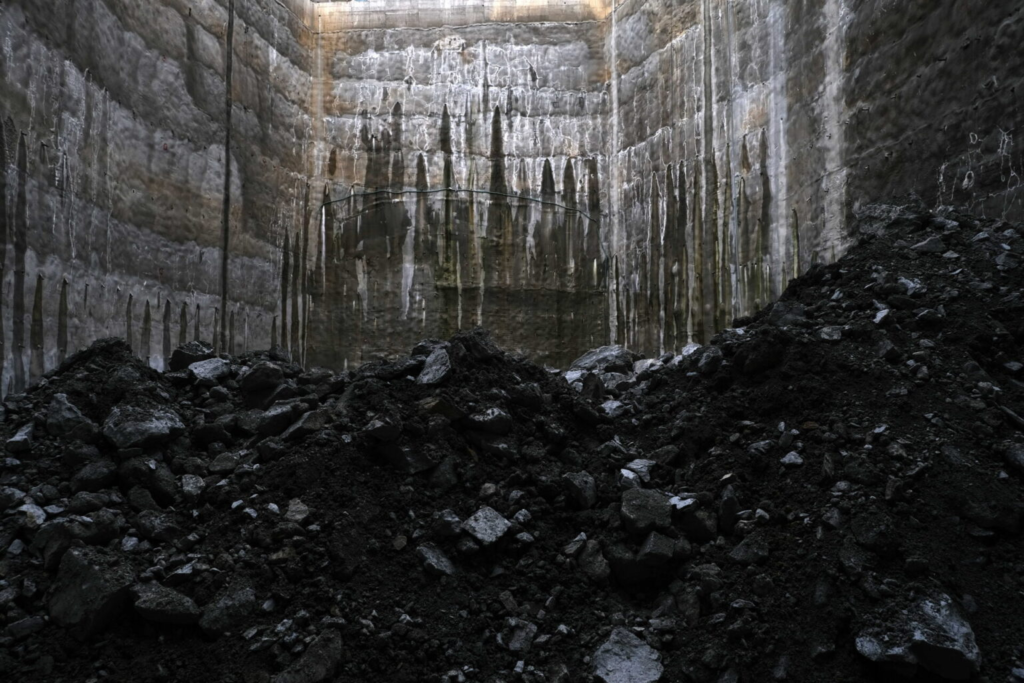
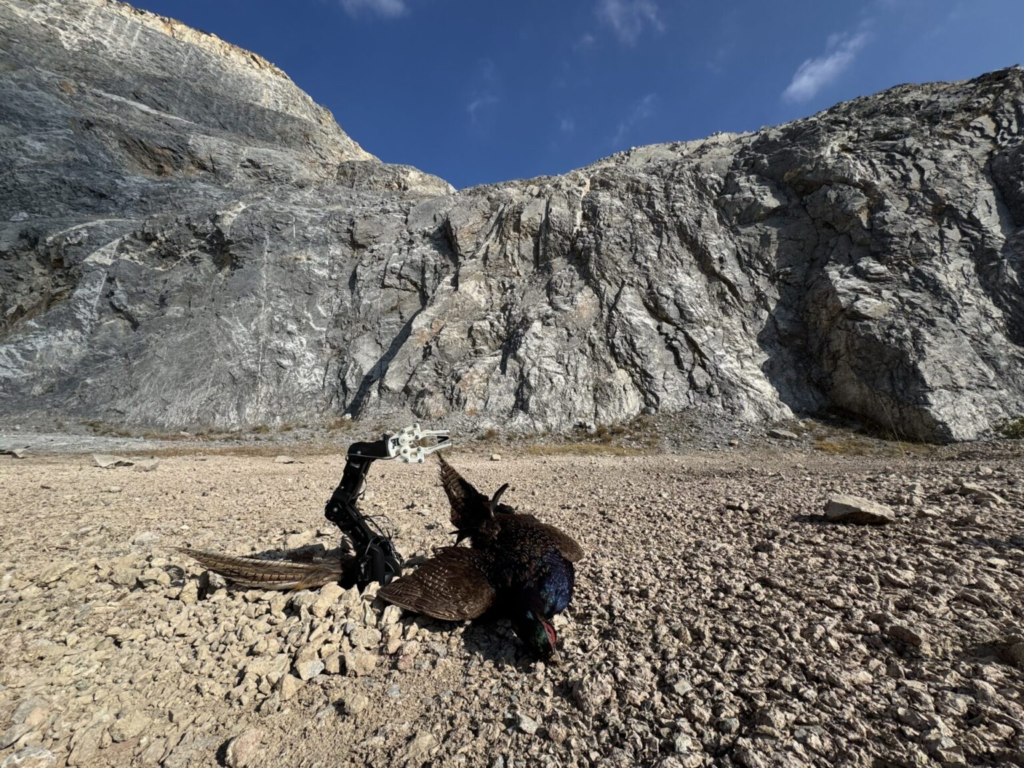
The group exhibition GAIA explores the concept of Earth as a mythological, natural and cultural entity. It unfolds through two parallel narratives that intersect within a shared field of reflection: humanity’s relationship with the natural world and the consequences of the ever-intensifying disruption of that relationship.
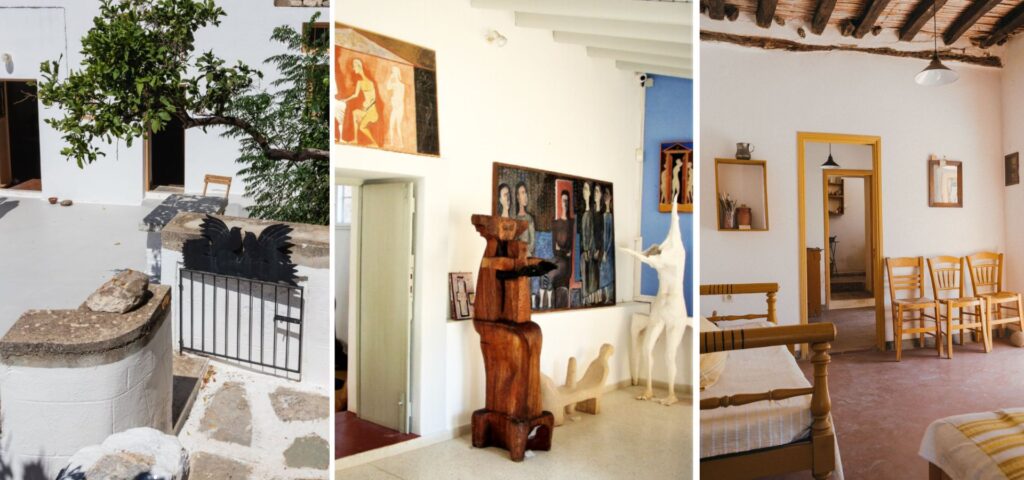
This is the second temporary exhibition presented by the Gaitis–Simossi Museum in 2026. Curated by Yiannis Bolis, it is organised with the support of the General Secretariat for the Aegean and Island Policy and the Municipality of Ios.
The exhibition opens on 1 August 2026 at 7:30 pm and will remain on view until 19 October 2026.
The exhibition takes as its starting point Gaia (Earth), the primordial deity of Greek cosmogony. In Hesiod’s Theogony, Gaia emerges alongside Chaos and Eros as one of the universe’s first creative forces. She gives birth to Uranus, the Mountains and Pontus, while her descendants personify the elements, forces and rhythms of the world. As the archetypal figure of the Great Mother, Gaia transcends the boundaries of Greek mythology, appearing in the myths of many different cultures as a symbol of the inseparable unity of life, nature and creation.
Gaia also evokes a time when human beings related to the natural environment in profoundly different ways, a goddess whose origins disappear into the depths of time, embodying and governing the elemental forces of nature.
The exhibition unfolds at the threshold between two parallel narratives that shape the way we perceive the planet and its future. The first is familiar and clearly recognisable, even if its ultimate consequences remain impossible to predict. It tells the story of a fractured world in which one of the many relationships humanity has profoundly disrupted is its relationship with nature. It is a relationship marked by the wounds of human intervention and indifference, the reckless exploitation of natural resources, the loss of biodiversity and the far-reaching transformations brought about by climate change. This is the first narrative, a story that has reached a critical point over the past few decades.
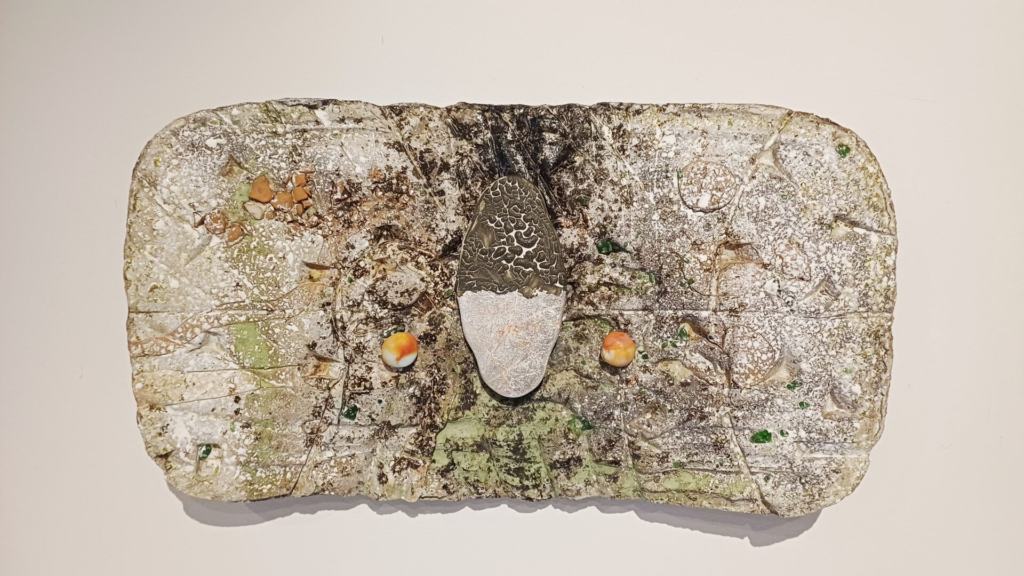
The second narrative presents Earth as an unpredictable, relentless and uncontrollable system, governed by its own laws, behaviours and responses to humanity’s continual assaults. It is a story still unfolding, its outcome and consequences uncertain. The idea of Earth lies at the heart of the works on view- works that symbolically evoke primordial and transcendent forces, ancient myths and contemporary realities; that reflect the traumatic experience of the “unnatural” and paradoxical separation between humanity and nature; that engage with themes of birth, life and death, violence and destruction; and that ultimately point to the urgent need for a new environmental consciousness, greater self-awareness and a different path forward.
The choice of the Cyclades -and Ios in particular- as the setting for the exhibition adds another layer of meaning to its theme. The islands are a landscape where the presence of Earth is felt directly through their geological formations, rocky terrain, intense light and the constant encounter between land and sea. From the prehistoric civilisations of the Aegean to the present day, the Cyclades have shaped a distinctive relationship between people and the natural environment- one rooted in memory, survival, creativity and transformation. Here, Gaia is not only a figure of mythology but also a lived reality, inscribed in the landscape itself and embedded in the cultural identity of the place.

Info
Gaitis–Simossi Museum, Ios
Exhibition dates: 1 August – 19 October 2026
Opening: 1 August 2026, 7:30 pm
Curator: Yiannis Bolis
Supported by: General Secretariat for the Aegean and Island Policy and the Municipality of Ios.