 PEPI NIKOLOPOULOU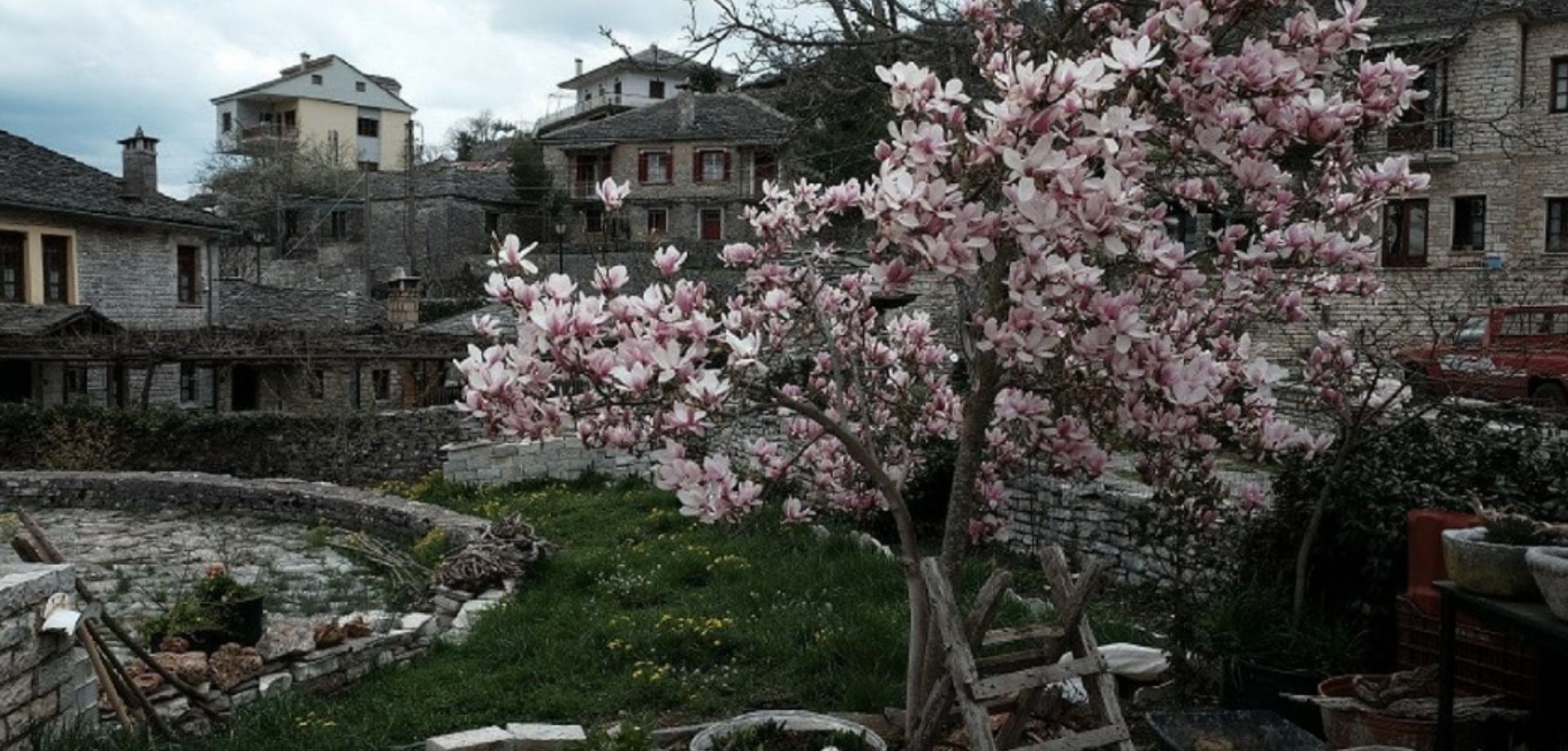
Stone-built villages, breathtaking nature, unforgettable hikes, and flavors of Epirus that will stay with you forever
46 stone-built mountain villages, nestled together in one corner of Greece, capable of impressing at any season, whenever one chooses to visit. Zagorohoria is a circular region that seems to embrace you with its beauty, charm, and sense of adventure. Its name comes etymologically from the Slavic “Za Gora” (For the Forest), meaning “behind the mountain” or, more accurately, “the place beyond the mountain.” From the very first encounter, this place captivates you and leaves you longing to return, always in search of its unexplored corners.
It’s been 18 years since I first visited, back then with my beloved friends, after our trip to the Scottish Highlands—those days when we still printed our photos and wrote the date and destination on orange envelopes. Now, with new favorite companions and digital means of capturing memories, I have returned. Different needs, more people, higher expectations, and a deeper desire to explore this magical land. Our base for this trip: Papigo.
Here are four experiences worth living in this enchanting region.

Hiking – Countless, thrilling routes
Since we stayed in Megalo Papigo, a visit to nearby Mikro Papigo—just 3 kilometers away—was a must. The day was sunny, and we walked up and down the road, making frequent stops along the way. The highlight was about halfway, in the rocky stream with its famous swimming pools: the Ovires. These large, natural pools attract swimmers in the summer—I can imagine that, after Samothraki, swimming here would be an equally unforgettable experience. The stream originates from the western edge of Mount Tymfi (Lapathos) and flows between the two villages, Mikro and Megalo Papigo.
You can either continue along the paved road or choose the little path next to the river, leading to a charming stone bridge—the Loli Bridge—built in 1854 by Anastasios Lolis.
Hiking in the area is a rewarding experience, with several notable routes around the village, traditional trails across Zagori, and the famous Vradeto Steps.
Here are some of the most remarkable routes:
- Mikro Papigo – Dragon Lake: 3 hrs (one way)
- Mikro Papigo – Gamila Peak: 5 hrs (one way)
- Monodendri – Mikro Papigo (via Vikos Gorge crossing): 7 hrs
- Kleidonia Bridge – Papigo Bridge: 2.5 hrs
- Ano (Old) Kleidonia – Megalo Papigo: 2 hrs
- Kapesovo – Vradeto: 1.5 hrs (round trip)
- Vikos – Voidomatis Springs: 1.5 hrs (round trip)


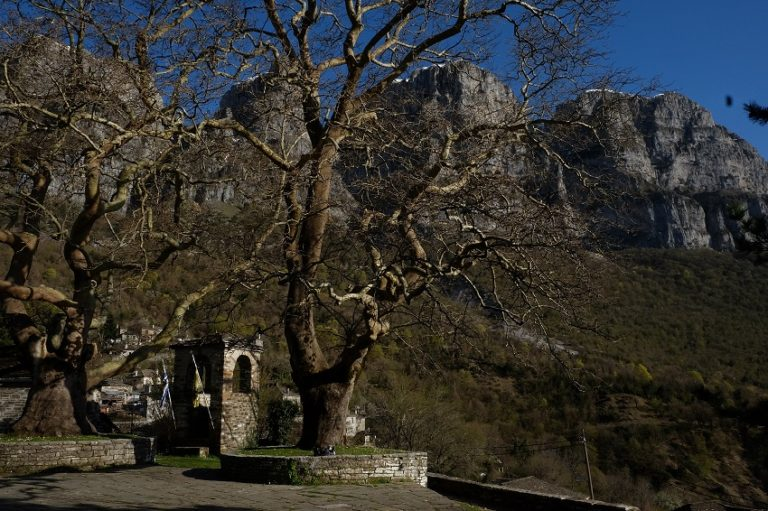
From Mikro Papigo, near the Church of the Archangels—an excellent example of local architecture—begins the area’s most iconic hiking trail: Dragon Lake / Astraka refuge / Gamila Peak. It takes 2.5 to 3 hours for experienced hikers, or 4 to 5 hours at a gentler pace, even doable by children aged 7–8. Unfortunately, we couldn’t take this route this time due to limited time.
We also visited the village of Vikos, which offers one of the most stunning viewpoints of the gorge. Vikos Gorge is listed in the Guinness Book of Records as the deepest gorge in the world and lies at the heart of the Vikos–Aoos National Park. It stretches for 20 kilometers, and in many places, its depth exceeds 1,000 meters. One particularly interesting—albeit tiring—route starts from Vikos village and leads to the Church of the Dormition of the Virgin, built in 1738. It’s a narrow dirt path that takes about half an hour to descend, but the destination is more than worth it. We didn’t manage to go all the way this time, but we made it partway.
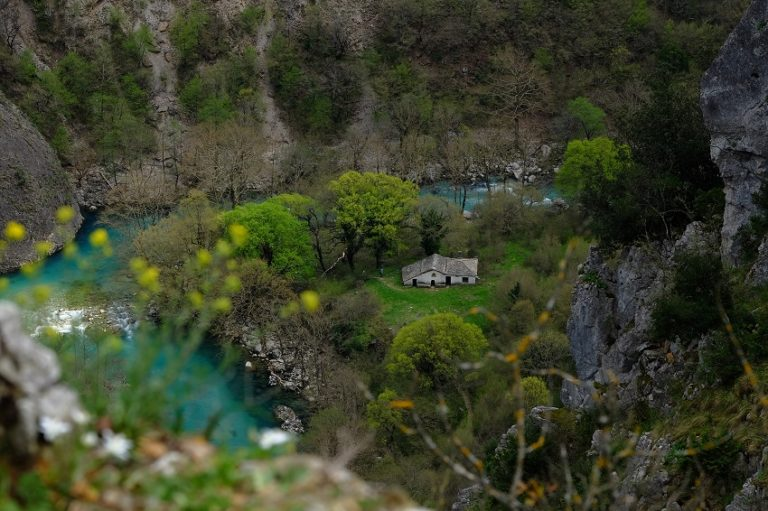
Visiting Monodendri and Vitsa
A few days before our trip to Western Papigo, I made a note of two must-visit villages, each for different reasons:
Monodendri, known for its amazing pies and cultural landmarks, and Vitsa, famous for its two outstanding tavernas.
In Monodendri, you’ll find the famous traditional pies of Epirus, but beyond its picturesque appearance, beautiful hiking trails, and spacious shaded square, the village is home to one truly exceptional site: the Monastery of Agia Paraskevi, founded in 1412. From its stone terrace, you can enjoy a breathtaking view of Vikos Gorge. Access is easy—just follow the cobbled path from the central square for about a kilometer. You’ll likely meet the kind, hard-working nuns who create handmade crafts and icons.

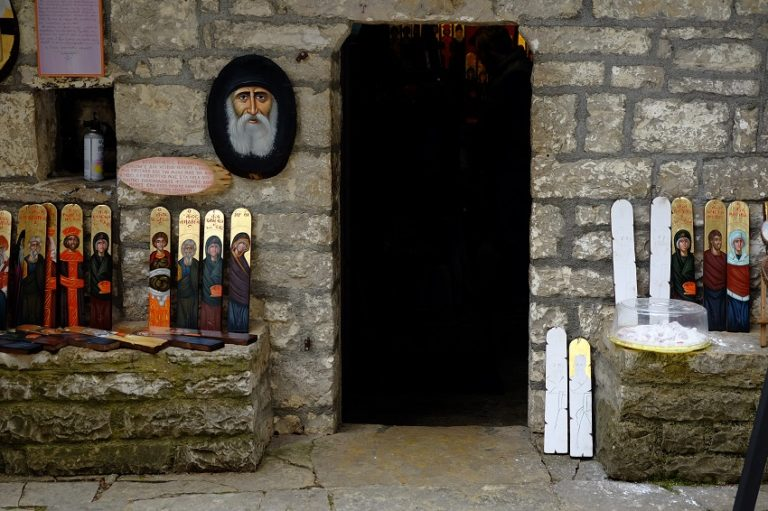


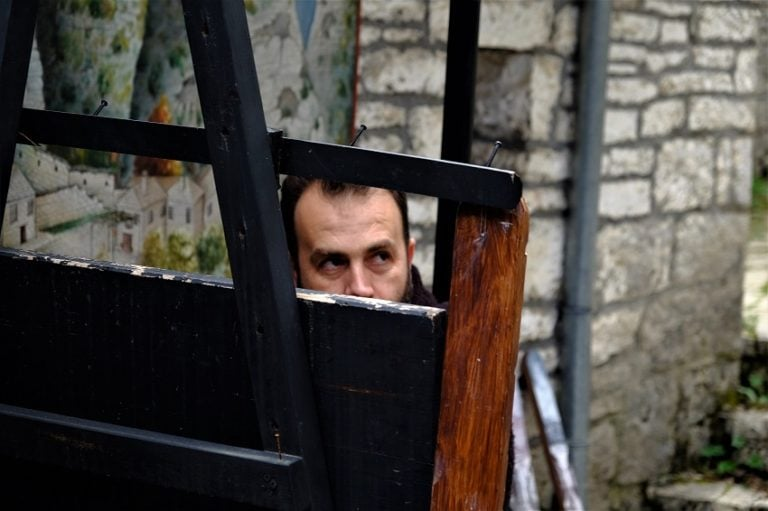
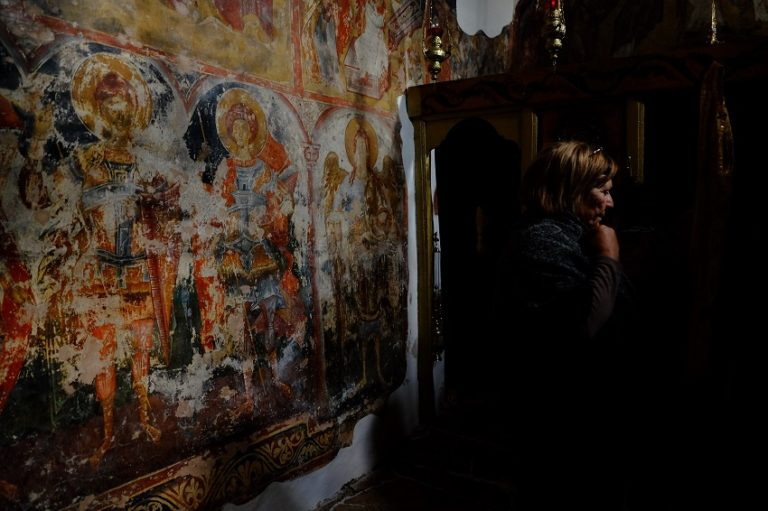
Monodendri also houses a crafts school and the Rizarios Exhibition Center. The village’s elementary school is located in the house of the Rizaris brothers, who also financed the restoration of Saint Athanasios Church—now the landmark of Monodendri’s main square.
In Vitsa, the two restaurants not to miss are Kanella & Garyfallo, located on a curve of the main road entering the village, and Riza, which recently moved from its original location in Elati. Both serve authentic Epirotic cuisine—traditional recipes with a modern twist. We tried the “batsaria” (also known as “blatsara”), a crustless pie with wild greens, along with superbly cooked and flavorful meats.
Coffee & Dessert in Papigo with Views of Astraka Peaks
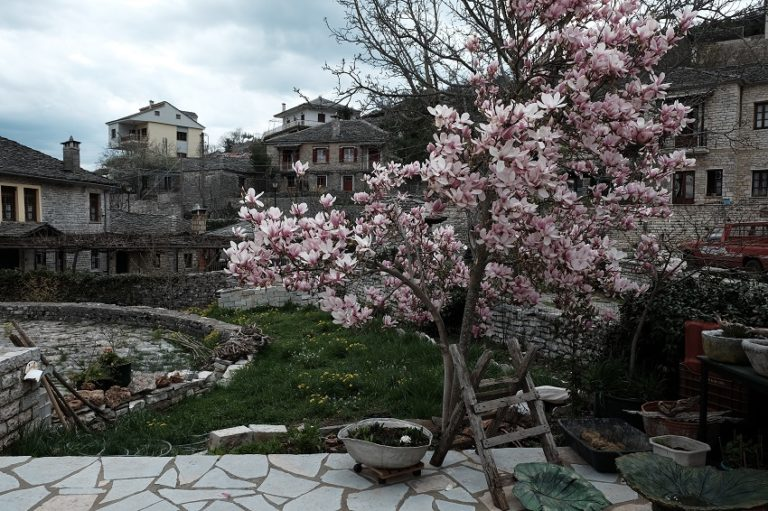
No matter the angle, Papigo is enchanting. Despite its small size, it feels lively—every corner hides a little gem: a charming café, a boutique, or a traditional pastry shop. Many of the preserved stone houses were built in the 18th and 19th centuries by renowned craftsmen from Konitsa or Tzoumerka.


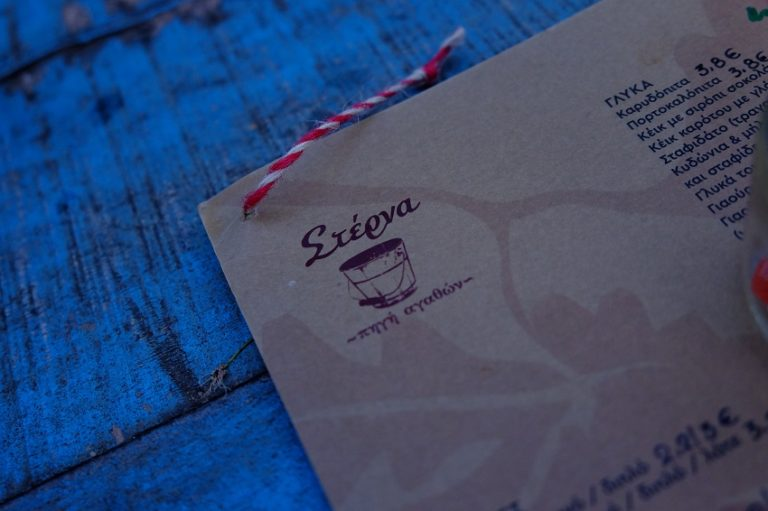
It feels like a miniature mountain town nestled safely in the arms of Mount Astraka and the towering peaks of Tymfi—offering culinary surprises in every direction. I especially loved Sterna, with its floral melamine dishes, delicious orange pie, selection of teas, and a quaint little shop full of goodies. It’s tucked away beside the Church of Saint Blaise in a fragrant flower garden.

On the opposite corner, the bustling Bimtsa café seemed to be the go-to gathering spot for both locals and visitors—we never managed to find an empty table!
Of course, there’s also Koulis Café, boasting the best view in the village. It’s perfect for an afternoon coffee, a beer, or a glass of wine as the sun begins to set.
Our time in Papigo was limited, and we only had dinner there on Holy Saturday—but we got lucky. We tasted the dishes of Nikos and Ioulia Tzoumani, and I wholeheartedly recommend their cooking. Sadly, we didn’t get a chance to try the Astra restaurant, although I’ve read glowing reviews.
Rafting on the Voidomatis River
Years ago, I went rafting solo in Austria and still remember it as a magical experience. I had been waiting for the right moment to share something similar with the girls—and so, we dedicated our last day to the river.


The Voidomatis is a calm-flow river—ideal for beginners. It’s a tributary of the Aoos River, about 15 kilometers long, and its waters are among the cleanest in Greece. One reason is its location within the Vikos–Aoos National Park, a protected area since 1973 due to its rich biodiversity.
Many companies organize rafting trips here, and we managed to find spots with Active Nature. The launch point was the Aristi Bridge, located between Papigo and Aristi. Children from around 4 years old can participate, as long as they can sit on the raft’s sides and hold a paddle.
We put on our wetsuits, life vests, and special water shoes, left our clothes in the team’s vehicle (which would meet us at the end of the route), and set off with excitement.
The journey was spellbinding. The turquoise waters, the cool air brushing our faces, the towering trees lining the riverbanks, and the natural formations that reminded us how nothing in nature is random—it all blended into an unforgettable 1.5-hour experience.
The elegant single-arched Kleidonia Bridge marked both the end of our adventure and one final thrill: a small artificial dam that required everyone, especially the kids, to stay seated as we navigated the descent. A perfect finale.