
 Pepi Nikolopoulou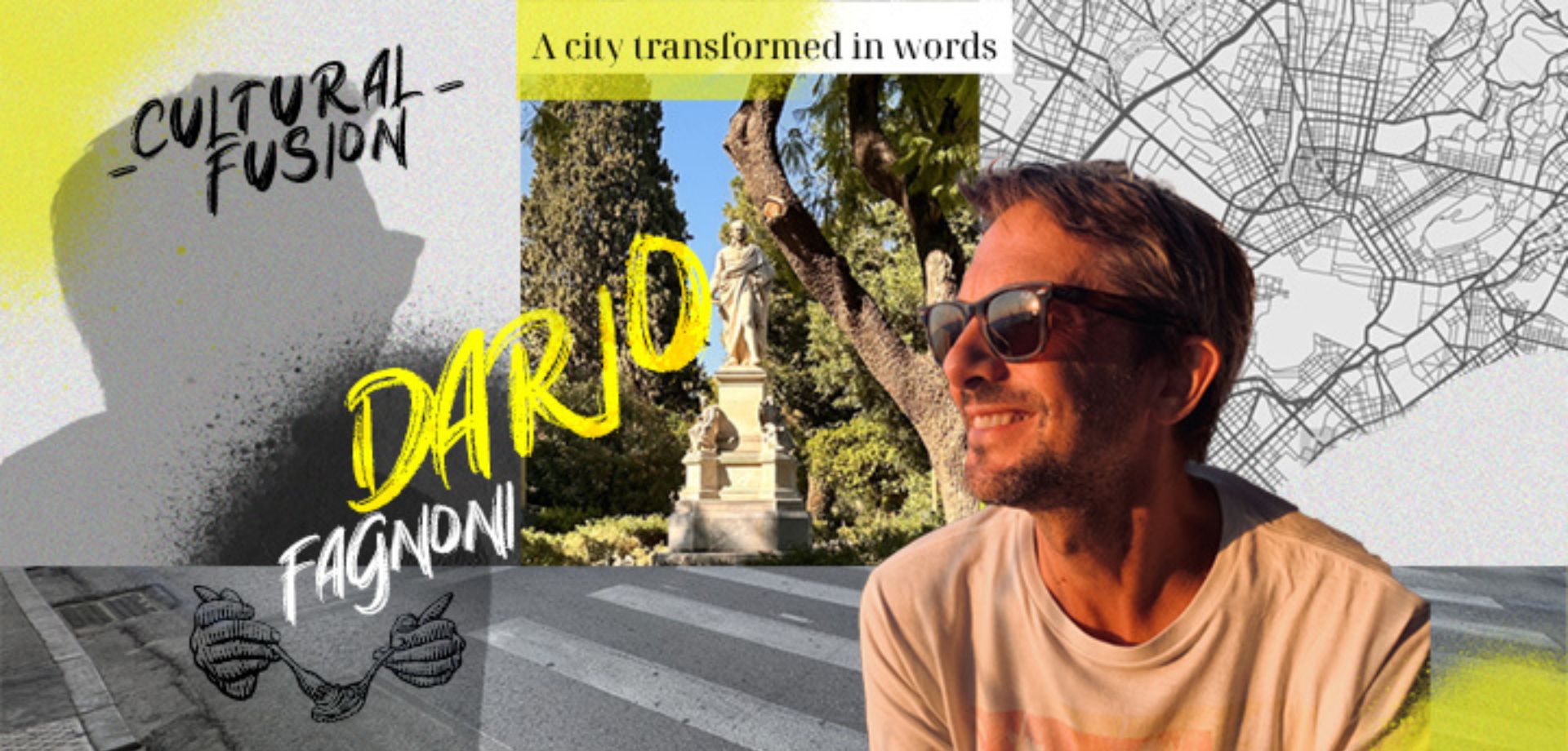
From Milan to Athens, with espresso, pasta, and chaos—this is life, Italian-Greek style. Dario Fagnoni blends heritage, heart, and food into one soulful story.
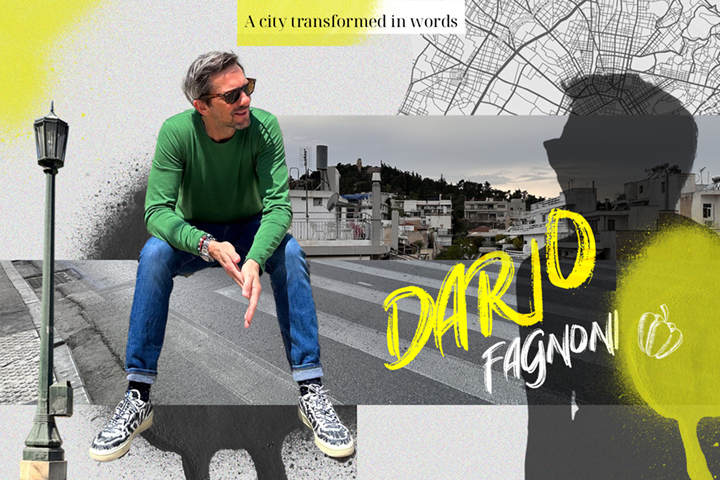
Born in Greece to Italian parents who followed a holiday impulse and never looked back, Dario Fagnoni grew up between two cultures, two languages, and two identities—each shaping his approach to life and cuisine. Today, as the founder of Facce Strane, a restaurant with Mediterranean heart and Italian roots, he invites Athens to taste not just pasta, but a life story told in olive oil, music lyrics, and spontaneous adventure. In this interview, he shares memories of growing up on the islands, lessons from his family’s culinary legacy, and why Greece feels more like home with every passing year.
Between Two Homelands
You were born and raised in Greece. Can you give us a glimpse into your family’s story?
In the early 1970s, my parents came to Corfu on vacation. They loved it so much that they decided—without much hesitation—to stay here for good. Classic story. That’s how they opened the first Italian restaurant in Greece, in Athens, just behind the Moni Petraki Monastery.
What’s your earliest memory of Greece, and how do you think growing up here shaped your identity as an Italian?
I’m not sure it’s the very first, but it’s definitely one of the strongest ones from when I was a child—before I even started school. My parents and I were on a dinghy in the Sporades when a storm hit and threw our boat onto Lalaria Beach in Skiathos. Back then, the beach wasn’t accessible by land. My dad made a fire out of some driftwood to dry us off. We slept under the overturned dinghy that night. At dawn, a shepherd spotted us, tossed us some fresh cheese, and went to get help.
What does the idea of “homeland” mean to you? Do you still visit Italy?
I visit Italy very often—our home is in Milan, just a short flight from Athens, so everything’s easy. To me, homeland is a combination of many things: language, family, roots, culture, traditions, history, education, a place that holds your personal experiences and relationships. I have two homelands—some aspects feel stronger on one side, others on the other. While many people return to their roots as they grow older, I find myself feeling more and more connected to my Greek identity, even though I technically don’t hold Greek citizenship.
Facce Strane: A Name, A Flavor, A Vibe
How did the idea for Facce Strane come about? Is there a story behind the name?
It’s a lyric from a Jovanotti song, L’ombelico del mondo, that I was obsessed with at the time. I liked how it would look in the logo, the menu, everything. But if I ever open another restaurant, I’ll choose a name that Greeks can pronounce more easily!
How do you bring Italian culture to your table, and how do Greek customers respond to it?
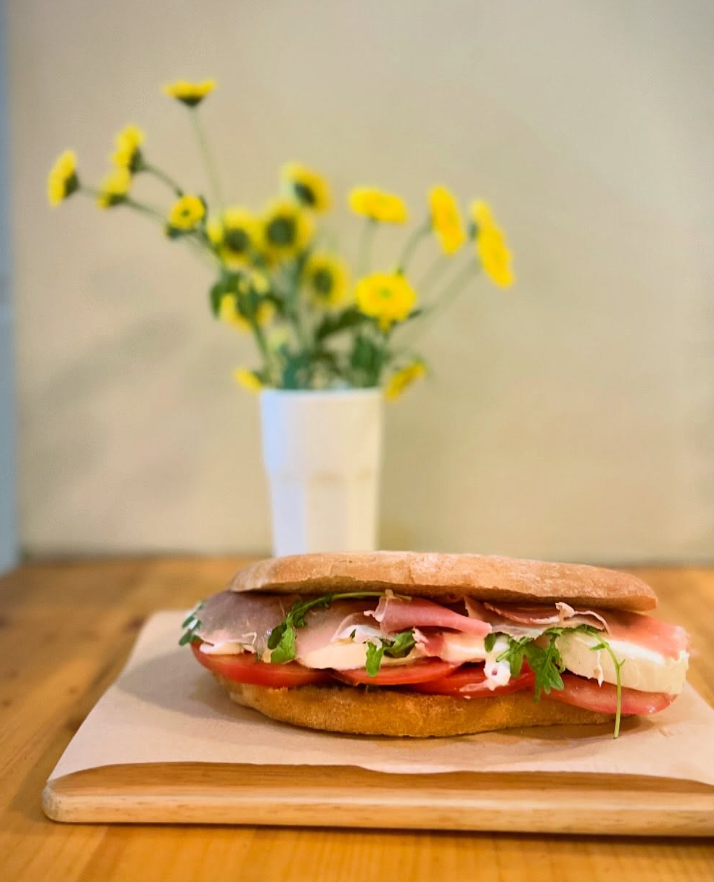
Greeks are very familiar with Italian cuisine. Back when I worked at my father’s restaurant, people used to argue about things like whether carbonara should be made with cream or egg—most had traveled less and tried fewer international dishes. I remember at Ciao, the café we had in Kolonaki Square, customers would always return the thick, classic Italian hot chocolate and ask for more milk. Things are very different now. People are curious, open to trying new and authentic things.
If you could describe Greece and Italy with one dish from your menu, what would it be and why?
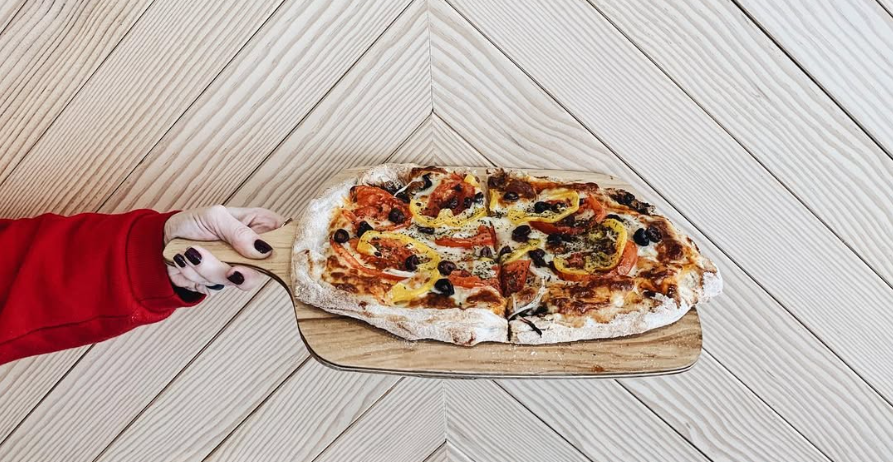
It would be a single dish that beautifully blends both cuisines: spaghetti aglio, olio e peperoncino—with olive oil, garlic, and chili flakes. Our version includes zucchini and fresh basil. Simple, delicious, Mediterranean ingredients.


Living Between Worlds
What’s the question Greeks ask you most often about Italy, and how do you respond?
The number one question is: “Where should I eat in Milan?” Italy is a favorite destination for Greeks—it’s not exotic, it feels close. And Greece is probably the number one summer destination for Italians, so the two cultures mingle a lot. People also ask about the North-South divide and whether Northerners and Southerners actually like each other!
When friends visit you from Italy, what do you suggest they do in Athens? Can you describe your ideal day in the city?
Every time friends visit, they drink espresso freddo nonstop, eat souvlaki and dakos (not in Monastiraki!), and enjoy tsipouro with meze. I take them to the National Gallery, the garden of the Megaron Concert Hall, and to Lycabettus Hill. What I love most about Athens is that everything feels possible—there’s no set plan. Oh, and they absolutely love the food trucks at dawn!
What advice would you give to someone thinking of building a life in a different country?
That’s probably something my parents should answer! I never really made that move myself—though at one point I thought about it seriously. Living in another country isn’t that hard, especially when the cultures are quite similar. The key is to start speaking the language early and try all the local dishes. The younger and freer you are, the easier the transition.
If you had to define Greece in five words, what would they be?
Love. Tradition. Sea. Chaos. Family.

Info
Facce Strane
Leoforos Vasileos Alexandrou 5-7, Athens, Greece 11528
Tel: 21 0725 4500
www.instagram.com/faccestraneathens/
Wow, really interesting. Looking forward to visiting soon!