
 elc team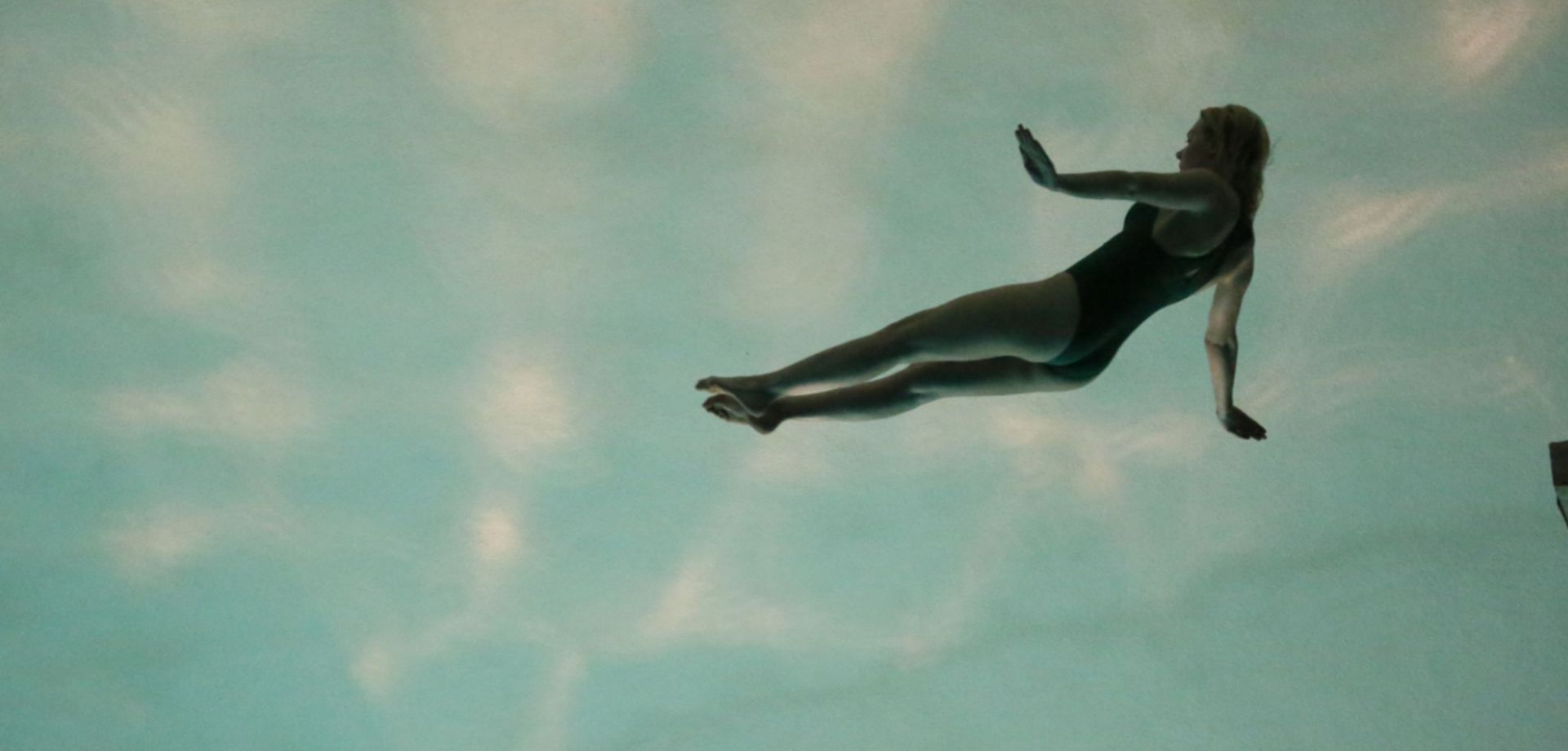
On May 15th, Weirdwave brings to cinemas the new film by Leos Carax, It’s Not Me.
Renowned French auteur Leos Carax, the visionary behind modern cult classics like The Lovers on the Bridge, Holy Motors and Annette, returns with an unexpected and deeply personal cinematic experience: the medium-length black-and-white film essay “It’s Not Me”. The film premiered at the Cannes Film Festival and closed the 13th Athens Avant-Garde Film Festival, receiving enthusiastic acclaim.
In this new autobiographical film by the maverick Leos Carax, the acclaimed French director—beloved by critics and cinephiles alike—traces an impressive 40-year career. A medium-length cinematic essay on power, politics, and image-making, It’s Not Me is a distinctive self-portrait of the great French filmmaker. The film reflects on his experiences, influences, and cinematic work, while also serving as a tribute to the late Jean-Luc Godard.
A few words about the plot
In just 41 minutes, Carax invites us on a poetic deep dive into his creative universe—a cinematic self-portrait without a mirror, as he calls it. It’s Not Me was originally conceived as part of an exhibition at the Centre Pompidou, which had asked the filmmaker a deceptively simple question: “Where are you, Leos Carax?” The exhibition was never realized, but Carax responded with an audiovisual work that stands on its own.
Through a rich collage of archival film footage, political images, family albums, home videos, graphic overlays and his own cryptic narration, Carax constructs a Godardian-style film essay about power, politics, image-making—and cinema itself.
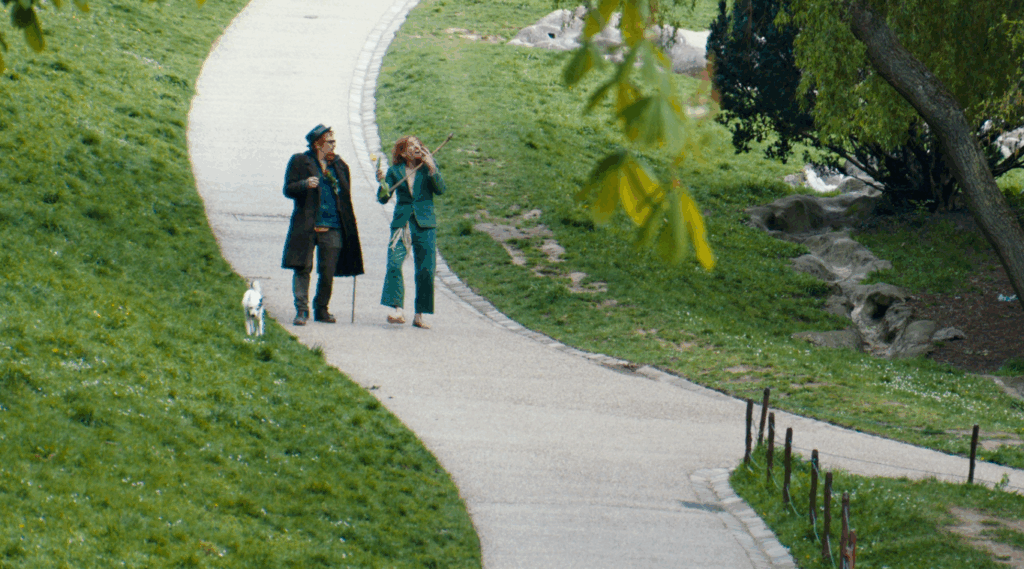
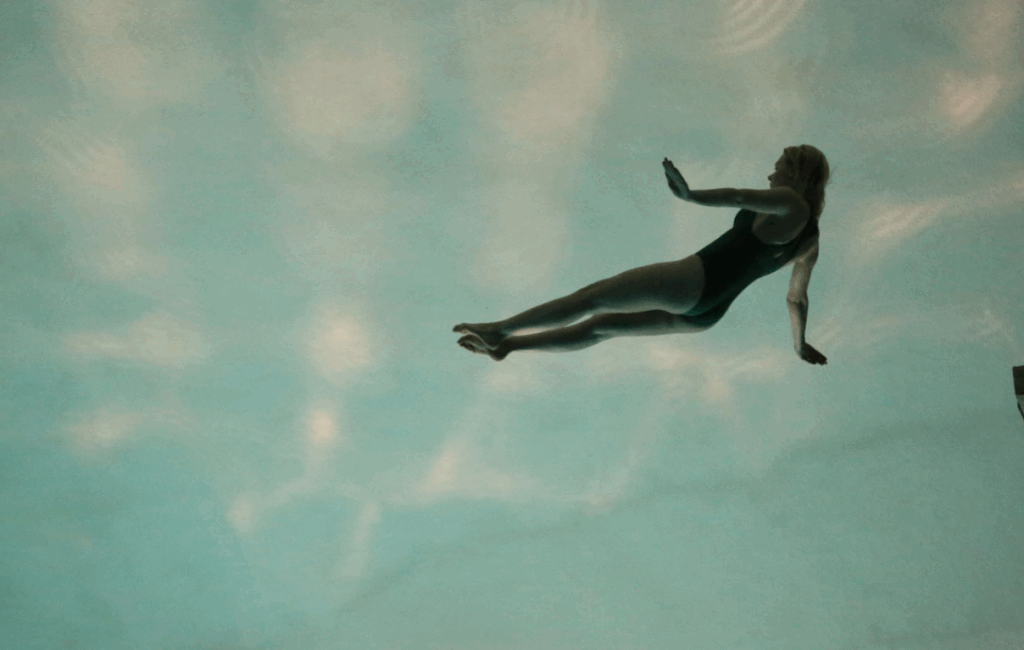
The film is a tribute to the late Jean-Luc Godard, but also a reflection on Carax’s personal influences, collaborators, memories, and obsessions. Intercut with fragments from his own films, It’s Not Me is both playful and deeply meditative—a cinematic confession that mirrors his unique artistic temperament.
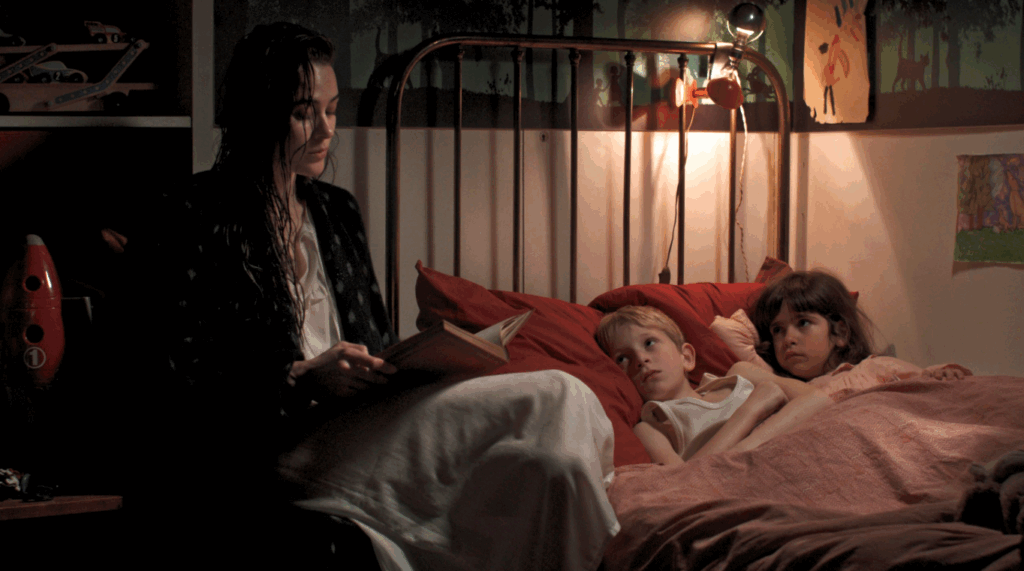
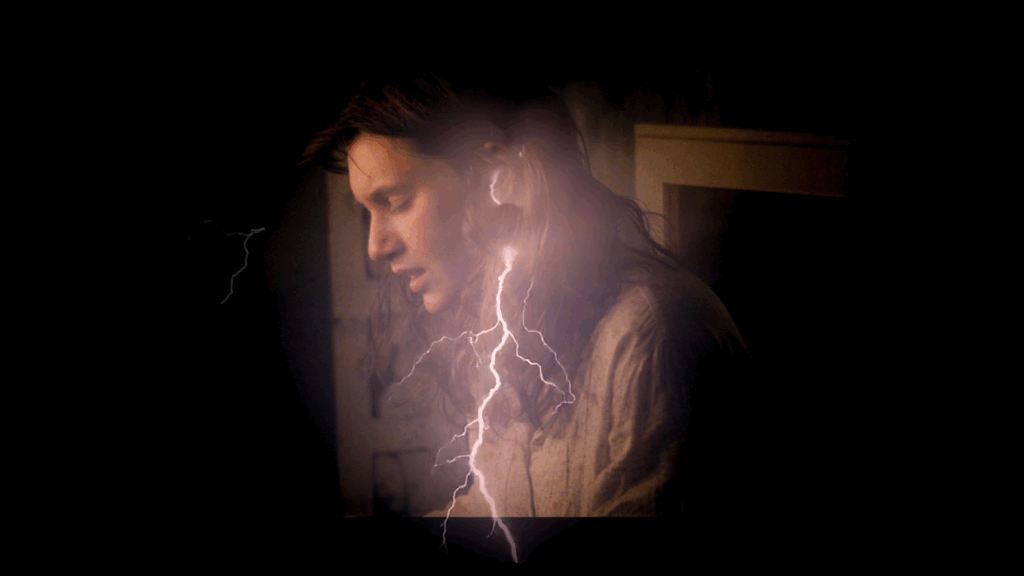
We encounter beloved actors, past collaborators, his daughter, even his dogs, alongside controversial political figures such as Trump, Assad, and Netanyahu, as Carax explores the dangers of modern spectacle and our increasing blindness to both fascism and everyday beauty.
“It’s a portrait of myself without a mirror. Seen from behind. I revisit old friends, old loves, collaborators. My daughter. My dogs. All those who invited me on a journey… Thinkers, rebels, artists. All those who made it possible for a new island to emerge from the sea— one where absurd rules don’t apply, and where you can breathe.” — Leos Carax
A rare glimpse into the mind of one of cinema’s most enigmatic artists. An eccentric, profoundly personal film made for the big screen.