 KATERINA PARRI
By Sofia Triantou
The herbs you need to create the most delicious meals to warm you up during the cold season
Hearty stews, fragrant soups, wonderful traditional pies with greens, and spicy dishes that warm the body will certainly be on the menu throughout the season.
As you prepare for the cold days and the comforting meals you want to cook, make sure you have stocked the essential ingredients you will need for winter cooking. Herbs are key to enhancing flavor and turning every meal into a delight. Their aromas invigorate the body, soothe, strengthen, and help relieve mental fatigue and stress.
Let us introduce the essential herbs that will help you create the most delicious winter meals.
Rosemary could not be absent from winter moments, as it is closely associated with the festive Christmas season, not only for its taste but also because it decorates our holiday tables. Rosemary is a flavorful Mediterranean herb with a strong aroma that pairs beautifully with winter vegetables. It roasts very well without becoming bitter, which is why it is a familiar ingredient in focaccia bread. Try pairing it with garlic. Add it to homemade bread and enjoy it dipped in a warm winter soup. Create the wonderful blend “Herbes de Provence”, which consists of oregano, thyme, marjoram, and rosemary, and add it to vegetables and meat dishes.
Another excellent combination often used in winter pasta sauces includes parsley, oregano, marjoram, and thyme. Thyme has antioxidant, antiviral, antibacterial, and anti-inflammatory properties, making it effective in relieving cold symptoms. Combine it with a facial steam to help alleviate nasal congestion.
Marjoram, the gentle lady of herbs. In older times, people believed marjoram nurtured love. It was added to food to bring kindness and affection. Women placed marjoram around their homes for its sweet fragrance. Young girls would place it under their pillow at night, believing it would reveal their future husband. Today, even if we hold on to the romance just a little, marjoram beautifully perfumes vegetables, salads, and our kitchen counters.
Chives grow all winter long and their leaves have a mild onion-lemon flavor. You will find them in lovely fresh bunches at organic markets. They are excellent for garnishing all winter soups and are rich in vitamin C, as well as calcium and iron.
We also do not overlook the bright green leaves of cilantro, a favorite culinary herb for many due to its spicy, fresh taste. It is best to buy it fresh and in small quantities, as its leaves wilt quickly, and it should never be stored in the freezer because it loses its flavor. Also remember to keep some coriander seeds on hand. Chewing the seeds freshens the breath, especially after eating garlic.
Sage can fill your home with the warmest and most comforting aromas. Since the Middle Ages, people have added sage to their food for its valuable properties. It is said to have been used even to prevent the plague. Sage appears in many culinary traditions and is also associated with wellness, known for supporting memory and the immune system.
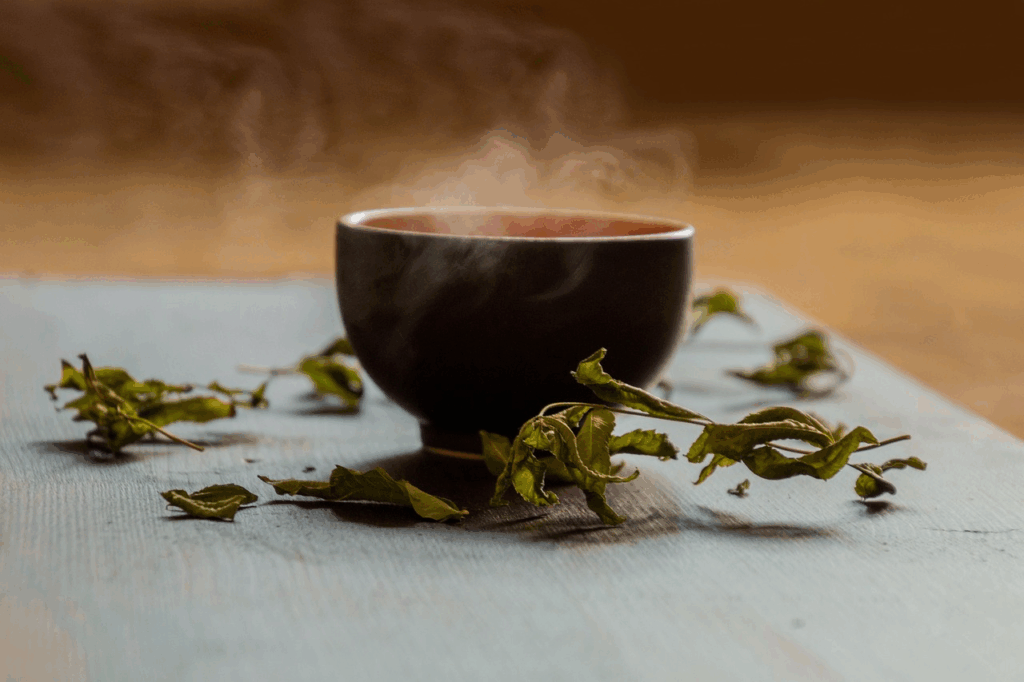
Winter Herbal Tea
Enjoy an herbal tea during your warm meal. Simply pour hot water over the herb blend, cover for five minutes, and strain.
Basil
Mint
Lemon balm
Rosemary
For fresh leaves, use 3 teaspoons per cup of water. If you prefer a stronger flavor, simply add more sprigs.
Wishing you a warm winter in the company of herbs.