
 ZOE LYMPERIS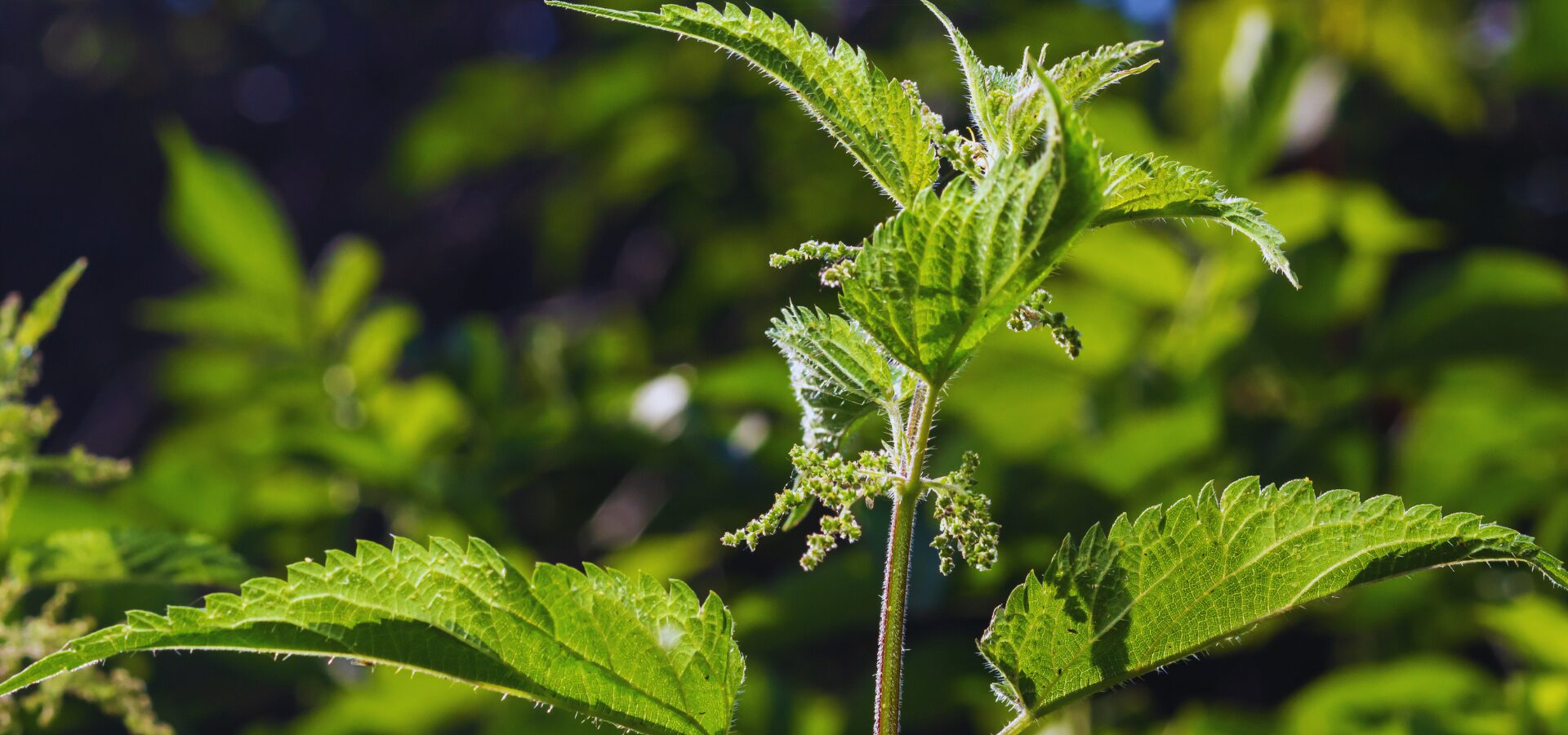
By Sofia Triantou
A lyrical exploration of wild Greek greens and their deep cultural memory, from Theophrastus, Dioscorides, and Galen to the lived wisdom of grandmothers in the fields
When I go out to gather wild greens, sow thistle, nettles, wild artichokes, sorrel, I enjoy these wonderful conversations, because I’m never truly alone. I hear their stories, their beneficial properties, and old recipes. Their history begins two and a half thousand years ago, when people sourced a large part of their food directly from the land. Greens were knowledge. And this knowledge, I would say, is one of the most important fragments of continuity in Greek culture.
The first to offer us an organized look at plants, wild and cultivated alike, is Theophrastus, Aristotle’s student. In Enquiry into Plants and On the Causes of Plants he does more than make a list of herbs; he tries to understand how plants live, how they bloom, when they are planted, which are wild and which are cultivated, which are used for food and which for medicine. At one point he describes cabbages, radishes, celeriac, leeks and onions, and then returns to the “herbs” and wild greens, noting that some are edible while others are so bitter that “no one should bother eating them.” Within that sentence lies an early form of ethnobotany: people trying, rejecting, distinguishing. Quite interesting for us botanists.
A few centuries later, Dioscorides, a physician of the 1st century CE, writes De Materia Medica, one of the most influential botanical works in history. There, wild greens appear not only as foods, but as substances with specific properties. Purslane, sorrel, wild cabbage, wild celery and wild artichoke are described in detail: whether eaten raw or boiled, how they are boiled, when they are combined with vinegar or flour to make a poultice, when one drinks the “washings,” their broth, instead of eating them as food. To us today these may seem like unnecessary details; to him, they were the map of daily bodily care.
In the 2nd century CE, Galen takes this even further. In On the Capacities of Foods, his major work on the qualities of foods, wild greens become part of a whole system of “dietetics.” They are not just something found in the field and eaten, but foods with specific “warmth” or “coolness,” with the power to thin or thicken the body’s humors, to lighten or burden the function of the stomach. He notes that over time the importance of wild plants in daily diet diminished, and that in some places they were remembered mostly in periods of scarcity or famine. This alone is a small commentary on the history of abundance and forgetting.
And yet, if we follow the line from Theophrastus to Dioscorides, from Galen to the Geoponica of the 10th century, we see that wild greens persist. The Geoponica, a Byzantine collection of agricultural knowledge, discusses irrigation, vineyards, trees. but between the lines the greens appear again: how herbs are steeped in vinegars and wines, how they shape flavour, how they help preserve cheeses and vegetables.
When I read these sources and then think of cooking a simple pumpkin filled with boiled greens for a Greek table, I feel that this dish is one of the most refined things we can eat today. In antiquity, greens such as purslane, charlock mustard, sorrel and sow thistle were eaten raw, blanched, or cooked with legumes and grains. Sometimes they were served with vinegar, other times with oil or brine, to balance their flavour and nature.
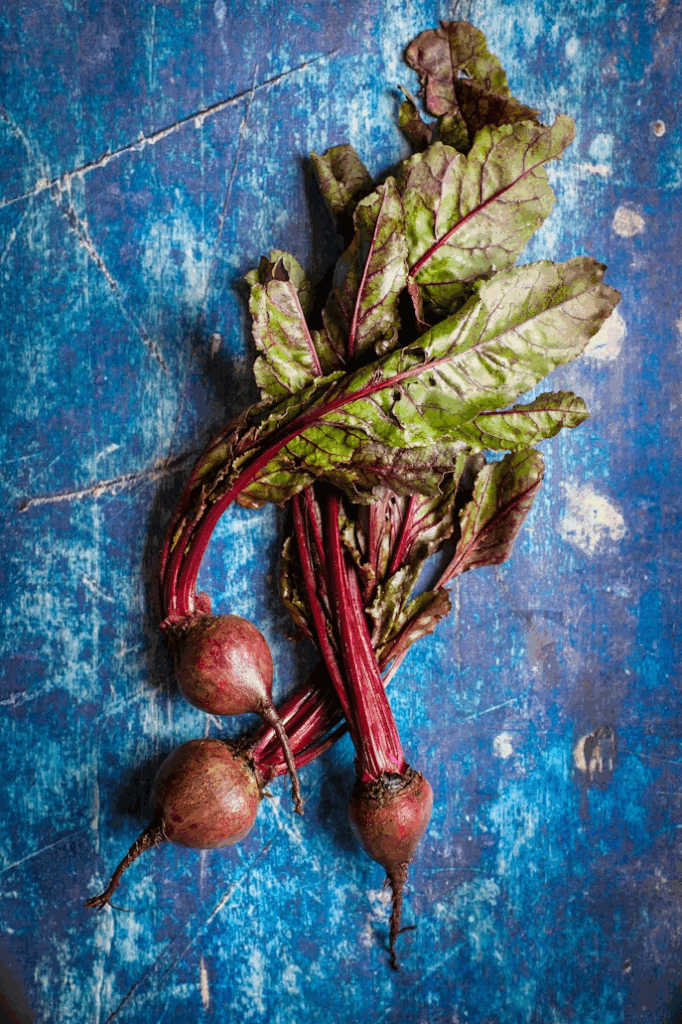
Today, when we talk about seasonal greens, we often forget how important this knowledge is. Recognizing a green in its sprout form in January and knowing when it will be tender, when it will turn bitter, when it should not be touched at all, this is experience accumulated through generations. This is exactly what impressed Theophrastus: in one book he deals with shapes, leaves, roots; in the other with the “causes,” that is, how climate, soil, and season change the behaviour of plants. If we think about it, this is not far from what a skilled forager does on a Greek mountain.
As a botanist who works with tradition yet lives in a modern reality, this bridge moves me deeply. On the one hand I have the texts, the editions of Theophrastus, the compilations of Dioscorides, the translations of Galen and on the other, my grandmother showing me how to pick the “good” greens before putting them in the pot. And between the two there is a shared language of thought that shows just how precious these plants have always been.
Today we know that wild greens are not merely a taste of tradition but a truly beneficial food. They are rich in fibre, minerals such as calcium, potassium and magnesium, and natural antioxidants that help the body manage daily stress. Their bitter compounds gently “awaken” digestion, while their freshness and seasonality make them a clean, vibrant choice on our plate.
Sow thistle, sorrel, purslane, nettles and charlock mustard are among the most beloved Greek wild greens. To enjoy them, blanch them for 2–3 minutes and serve simply with olive oil and lemon. It is the ideal way to keep their flavour and properties intact.

