
 elc team
By Sofia Triantou
The use of cayenne, garlic, ginger, and thyme to relieve cold symptoms dates back centuries across many different cultures around the world.
The common cold is usually treated with decongestants, antihistamines, cough suppressants, and antipyretics. Alongside these medications, herbs have traditionally been used for centuries to help reduce the symptoms of the common cold.
Certain herbs are naturally suited to easing cold and flu symptoms such as cough, sore throat, and nasal congestion. The use of cayenne, garlic, ginger, and thyme goes back centuries in many different cultures worldwide.
Cayenne Pepper
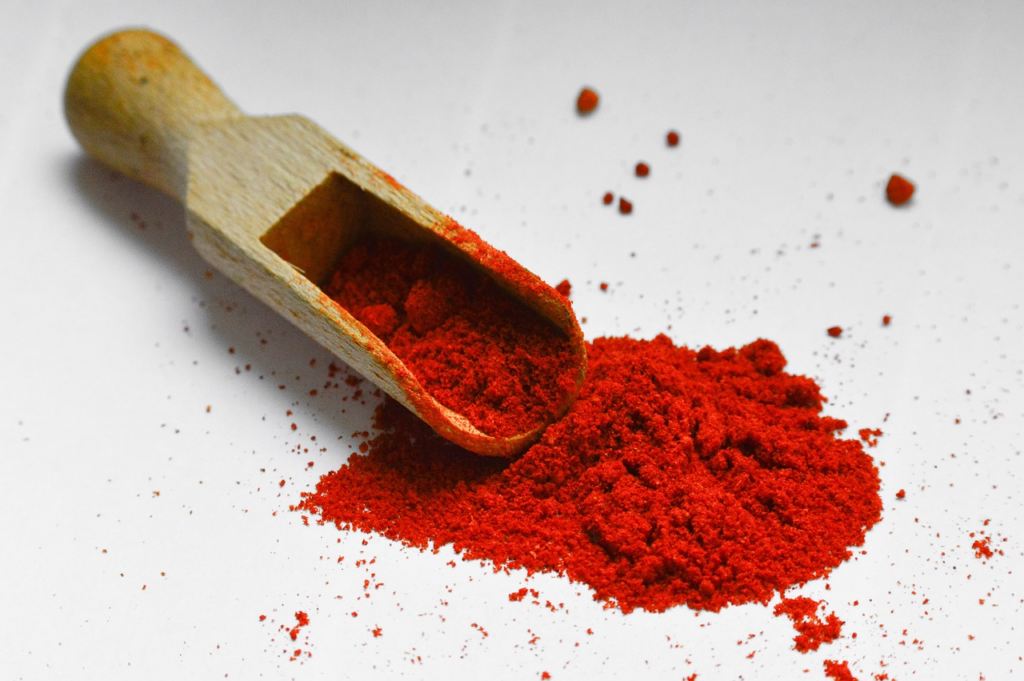
Cayenne pepper comes from the city of Cayenne, the capital of French Guiana-the city after which it was named. It was first cultivated in Mexico more than 7,000 years ago. Christopher Columbus introduced it to Europe in the 1400s.
Cayenne is used to stimulate the circulatory system, increase appetite, aid digestion, boost energy levels, clear the sinuses, and induce sweating.
Because cayenne can cause stomach irritation in some people, it should be used in small amounts. For those accustomed to cayenne or who do not suffer from digestive issues, it can be mixed into tomato juice to relieve cold symptoms. Drink only ½ to 1 cup three times a day.
Garlic
Garlic is one of the oldest known cultivated herbs. Some records show that garlic was cultivated in China over 4,000 years ago. The Egyptians believed it prevented illness and promoted strength and endurance. Greek athletes consumed it before competitions, and Greek soldiers before battle.
Garlic is used to combat bacteria, viruses, and parasites. Add garlic to meat broths and tomato soups during a cold.
Thyme

Thyme was burned as incense in ancient Greek temples and was considered highly valuable for its powerful medicinal properties. In ancient Rome, it was burned as a deodorizer, and Roman soldiers bathed in it for vitality. In more modern times, thyme was used during World War I to treat wounds because of its antiseptic properties.
Throughout history, thyme has been used to relieve colic, melancholy, and sore throats. Today, it is traditionally used to ease coughs, colds, sore throats, and nasal congestion.
You can prepare thyme as an infusion combined with mountain tea by adding 1 teaspoon of thyme and 1 tablespoon of mountain tea. Pour over 1 cup of boiling water, cover, and let steep for 8 minutes. Strain the herbal mixture and add honey to enhance its effectiveness before consuming.
Ginger
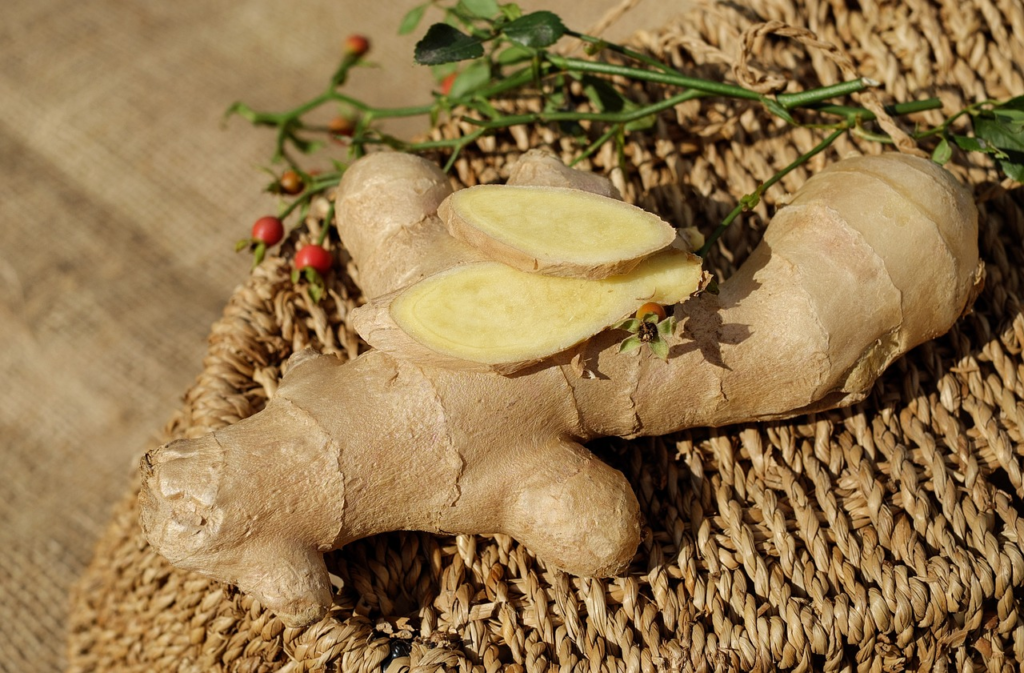
Ginger was first used in ancient civilizations in southern China. It was one of the first spices exported from Asia.
Ginger is best known for its effect on the digestive system and its ability to soothe the stomach, relieving nausea and indigestion. It can also be used topically as a counterirritant and is known to increase circulation and relieve cold and flu symptoms by clearing the sinuses and inducing sweating to reduce fever.
A ginger decoction with honey and fresh lemon juice is a staple remedy for the common cold.
Lemongrass
One of the favorite herbs you can try is lemongrass, which may help relieve cold and flu symptoms. It is traditionally consumed as a warm tea at night. This infusion is rich in antioxidants that help reduce cold symptoms.
Another way lemongrass can help is by placing a linen pouch filled with finely chopped lemongrass leaves in a bathtub.
Facial Steam Bath

A productive cough can be improved with steam.
Fill a large bowl with herbs such as eucalyptus, thyme, or rosemary and hot water, which can help relieve congestion. Lean over the bowl and place a towel over your head to trap the steam for about 10–15 minutes, once or twice a day.