 Deana Kartsagouli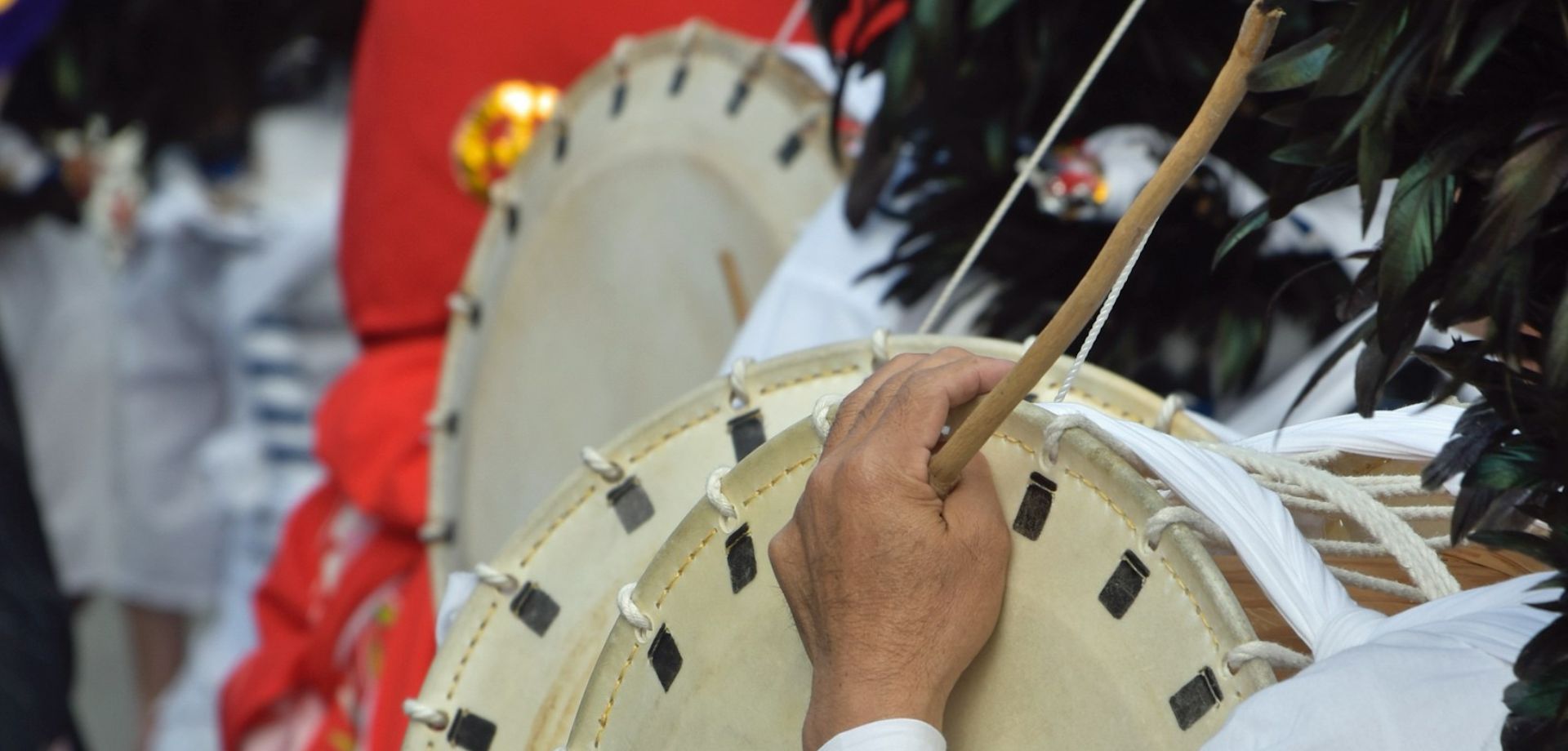
From Kozani and Ioannina to the Peloponnese and Crete, Greeks celebrate the “Apokries” in their own unique ways, with traditions passed down through generations
A celebration deeply rooted in the traditions of every Greek town and village, Apokries (carnival) is one of the most joyful and entertaining times of the year. They last for three weeks and culminate just before Clean Monday, which marks the beginning of Lent. The Greek word “Apokria” comes from the practice of gradually abstaining from meat, while the corresponding Latin term “Carnival” (Carnevale) carries the same meaning, deriving from the words “carne” (meat) and “vale” (farewell). The most distinctive feature of this period is dressing up in costumes. People wear masks and disguises, creating an atmosphere of joy and fun. Depending on the region, the participants are known by different names, such as “Koudounati” “Kamouzeles” and “Mouskari”, but the most commonly used terms are “maskarades” and “carnavali”.
In every corner of the country, local customs add a unique touch to the festivities, featuring masquerades, dancing, music, and Dionysian rituals, which have remained almost unchanged to this day. Greek Carnival is rich in unique traditions, varying from place to place and keeping old customs alive. So, let’s take a journey through different parts of the country and discover how this special season is celebrated.

Bourani, Tyrnavos
In Tyrnavos, the “Bourani” stands out for its intense Dionysian character. Essentially, it is a celebration of the phallus, symbolizing reproduction and fertility. Participants parade through the streets holding phallic symbols made of wood or clay, singing suggestive songs and consuming plenty of wine. This custom originates from ancient festivals in honor of Dionysus and is celebrated on Clean Monday (first day of Lent).
Ghost of Harmaina, Amfissa
In Amfissa, the custom of the “Ghost of Harmaina” is based on an old local legend about a young man, Konstanti who, devastated about the death of his beloved Lenio, took his own life. Not being allowed to be properly buried he is destined to roam the streets in perpetuity. On the final weekend of Apokries, a giant ghost, accompanied by fairies, goblins, and other mythical creatures, roams the streets of the town, creating an atmosphere of mystery and fantasy.
Genitsari and Boules, Naoussa
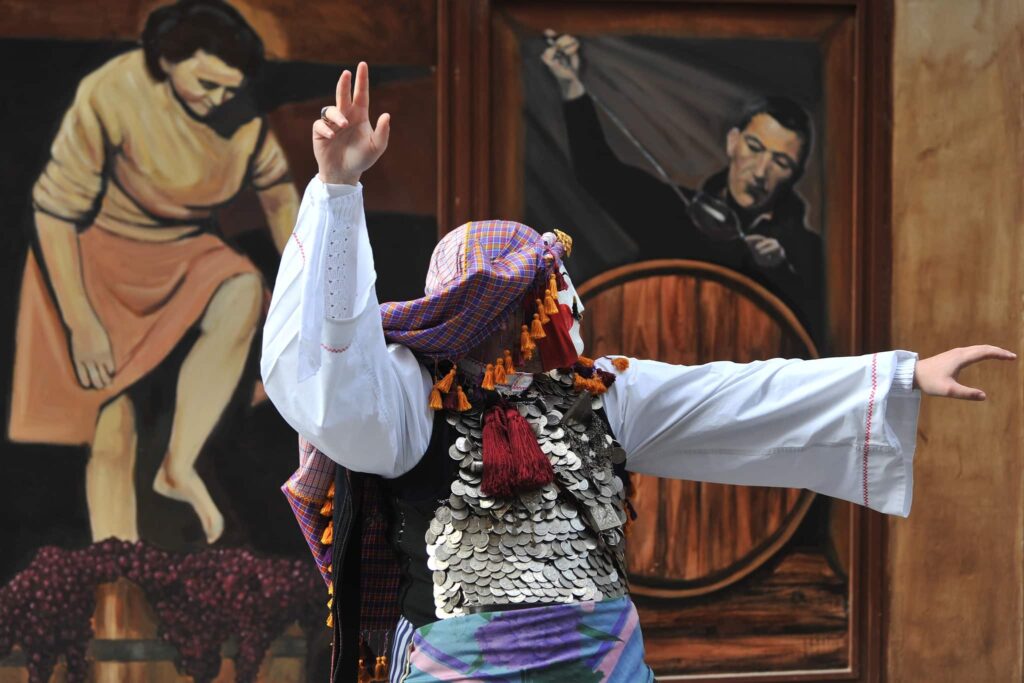
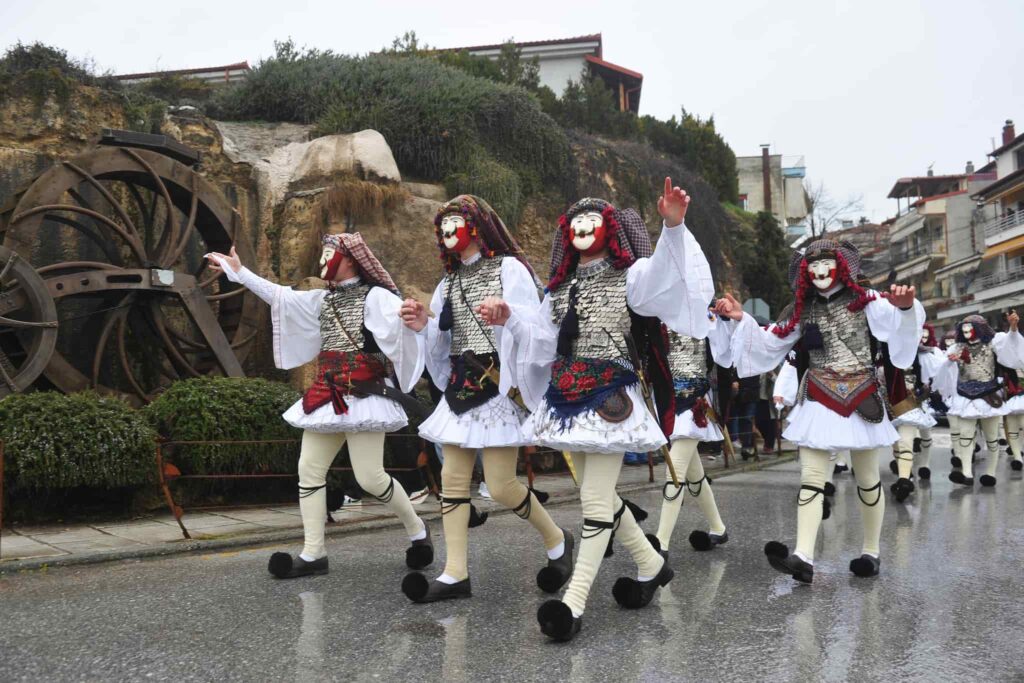
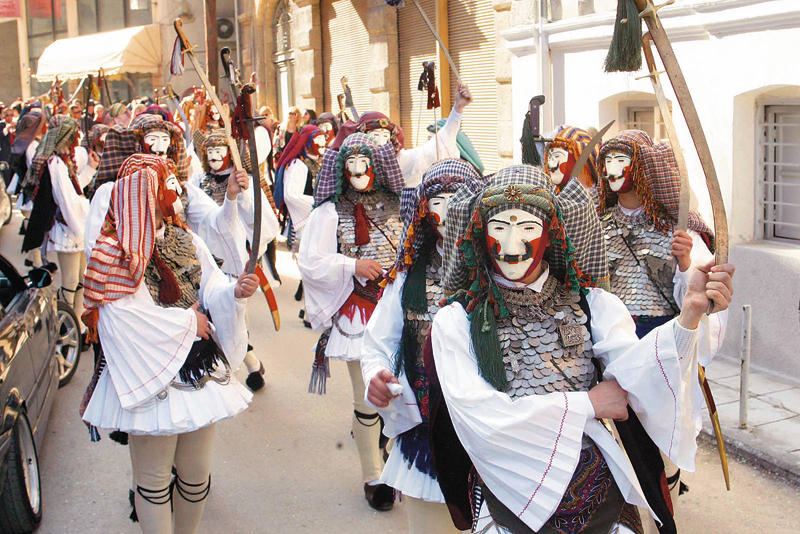
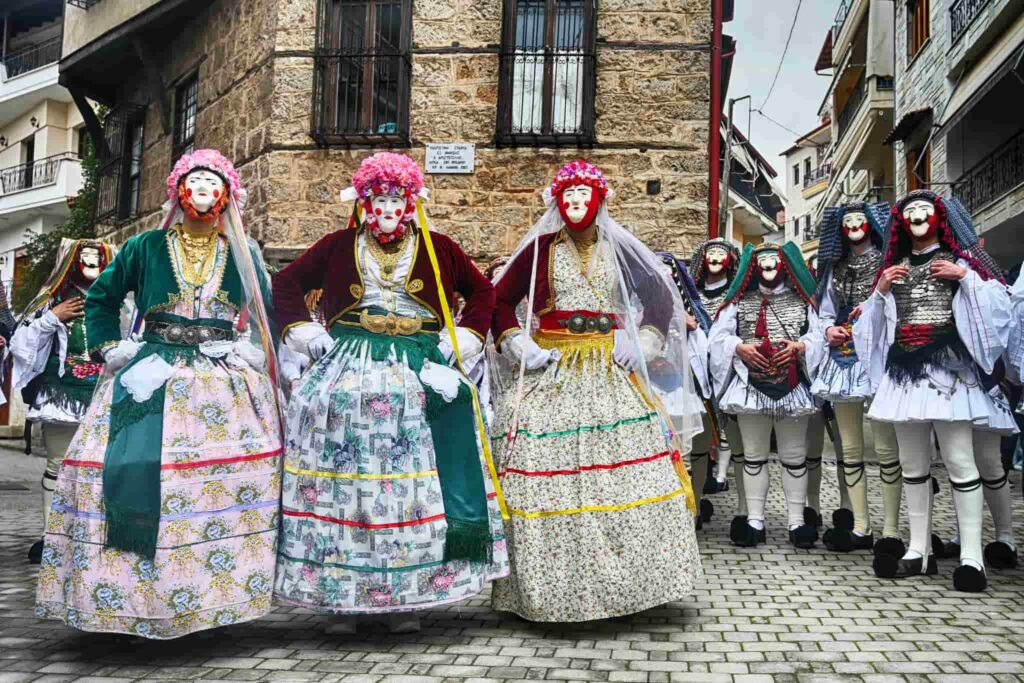
In Naousa, the “Genitsari and Boules” is one of the most impressive traditions of Apokries. Dancers, dressed in traditional fustanella skirts and elaborate masks, parade through the streets accompanied by the sounds of zournas (type of traditional wind instrument) and drums. The custom revives an old tradition linked to resistance against the Ottomans, while also incorporating Dionysian elements. A distinctive feature is the greeting of the Genitsaroi, which, unlike a typical handshake, keeps the hand steady while the entire body bounces. It has become customary to refer to those wearing the men’s costumes as Genitsaroi and the one in the women’s costume as Boula.
Fanoi, Kozani
In Kozani, the “Fanoi” (large bonfires) are lit in neighborhoods across the city, marking the start of the festivities. People gather around the fires, singing carnival and satirical songs, celebrating until dawn. The songs are very profane and are sung late at night, at the hours when, in the old days, women and children had already returned home. The lead singer sings specific songs that are performed only during the festive Twelve Days of Christmas and on Cheese Sunday (the last Sunday of the Greek Carnival), while the attendees form a circle around him and the fire, rhythmically repeating his words while clapping their hands. The bonfires symbolize purification and the renewal of nature.
Flour Wars” (Alevromoutzouromata), Galaxidi
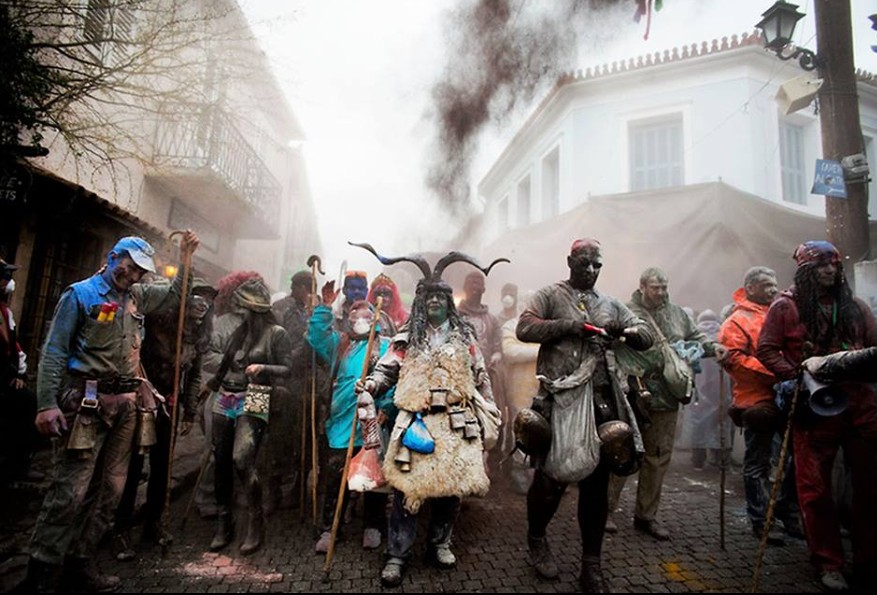
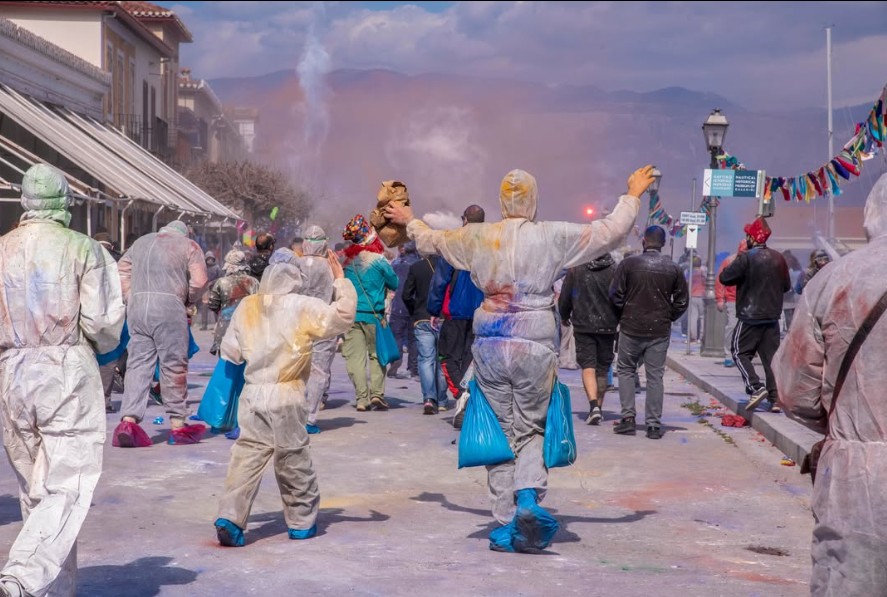
In Galaxidi, the “Flour Wars” (Alevromoutzouromata) is a tradition with roots in the Ottoman era. Participants engage in a unique “battle” using flour, indigo, and soot, filling the streets with color and laughter. This tradition attracts numerous visitors each year who take part in the joyful and carefree celebration.
Vlach Wedding, Thebes
In Thebes, the “Vlach Wedding” reenacts a traditional wedding of the Vlach people, including all stages from matchmaking to the ceremony. The custom begins on Tsiknopempti (the last day before Lent that eating meat is allowed) and culminates on Clean Monday, with feasting, singing, and dancing that keep the spirit of tradition alive.
The Old Men, Skyros
Every year, on the island of Skyros, the people dress up as an old shepherd that, as legend has it, lost all of how sheep due to bad weather. He and his wife wore all of the dead sheep skins and went to town to inform the people of the tragedy. The “Geros” (old man) costume is both elaborate and symbolic. He wears a white woolen shepherd’s trousers, loose-fitting from the knee up, along with white socks secured below the knee with black garters. His feet are adorned with leather-laced sandals, and over his shoulders, he wears a black cloak, turned inside out to expose the shaggy fur lining. Beneath the cloak, he attaches rags to his back, forming a hunched appearance. Around his waist, he fastens two to three rows of bells, which can weigh up to 50 kg. These bells vary in size, design, and sound, creating a distinct, rhythmic clamor as he moves. The transformation is completed with the “moutsouna”, a mask made from the entire skin of a small goat, worn with the fur facing outward.
Tzamales, Ioannina
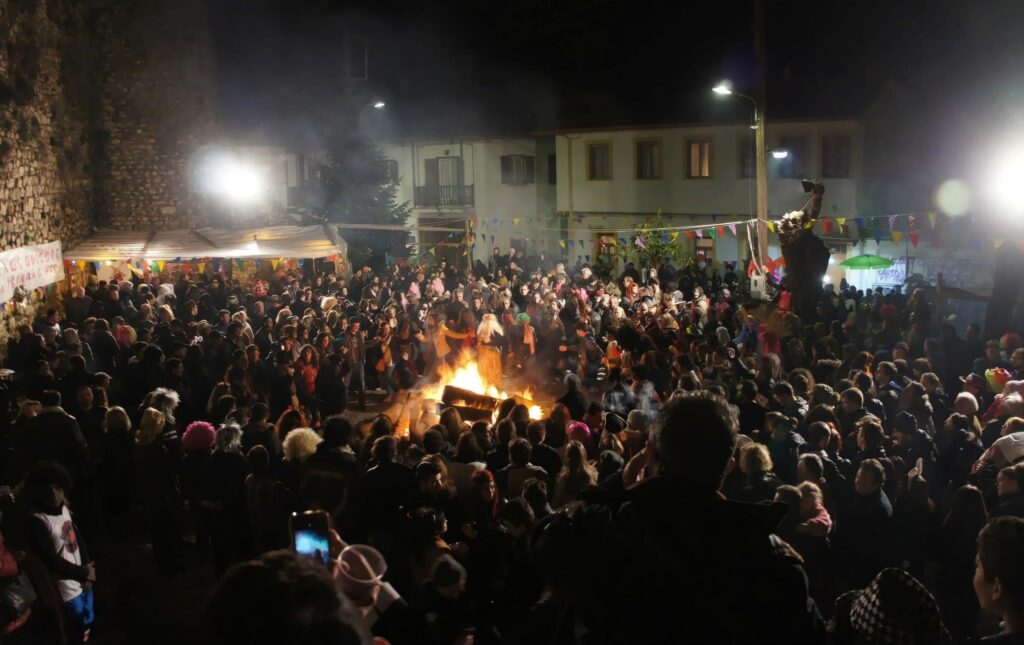
In Ioannina, the “Tzamales” are massive bonfires lit in the neighborhoods on Carnival Sunday, around which celebrations with dancing and wine take place. This ancient folk custom, deeply rooted in the belief in fire’s purifying power, is revived every year throughout the city’s districts. At the heart of each celebration, a large circle of fine sand, measuring 4 – 6 meters in diameter, is prepared.
Within this circle, huge tree trunks are carefully arranged and set ablaze immediately after the Sunday evening prayer service. These fires burn throughout the night, lasting until the morning of Clean Monday, as people gather around for a lively all-night feast. The festivities include dancing, singing, traditional clarinet music, plenty of wine, and steaming hot “fasolada” bean soup—a staple of the evening. The joyous atmosphere brings together young and old. During Ottoman rule, the oppressed people of Ioannina were granted special permission from the local authorities to hold this tradition. The dance around the fire became a silent yet powerful expression of their longing for freedom.
Kaina, Chania
In Kaina, Chania, the Camel tradition resembles folk theater, with a handmade structure that mocks passersby, while the party lasts until evening. The “Camel Parade” begins at one end of the village, making its way through the main square, playfully teasing the gathered crowd. People of all ages dress up in handmade costumes, joining the camel’s lively procession as it moves toward the heart of the festivities. “Donkeys” accompanying the “camel” add to the spectacle. Many of the revelers wear sheepskins and animal hides, with bells hanging from their outfits, creating a noisy and vibrant atmosphere. The celebration carries on until nightfall, with the sounds of traditional musical instruments keeping the energy levels high.
Koutrouli’s wedding, Methoni
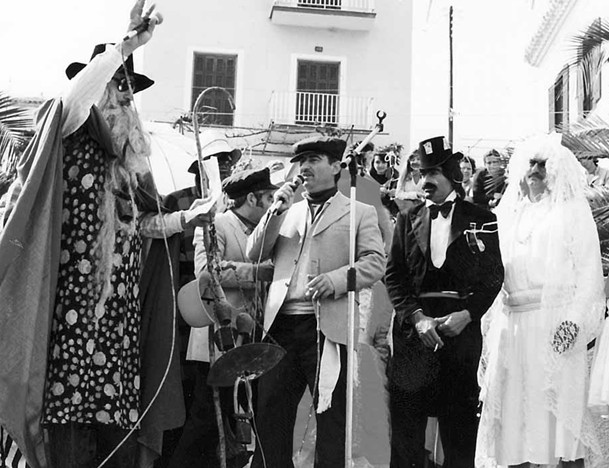
Finally, in Methoni, the carnival wedding of Koutroúli is revived, a custom dating back to the 14th century. The event begins with the “Pre-wedding Feast,” while Carnival Sunday brings the presentation of dowries and the wedding ceremony of the newlyweds, two men, surrounded by relatives and friends. The celebration continues with traditional songs and dances.