 PEPI NIKOLOPOULOU
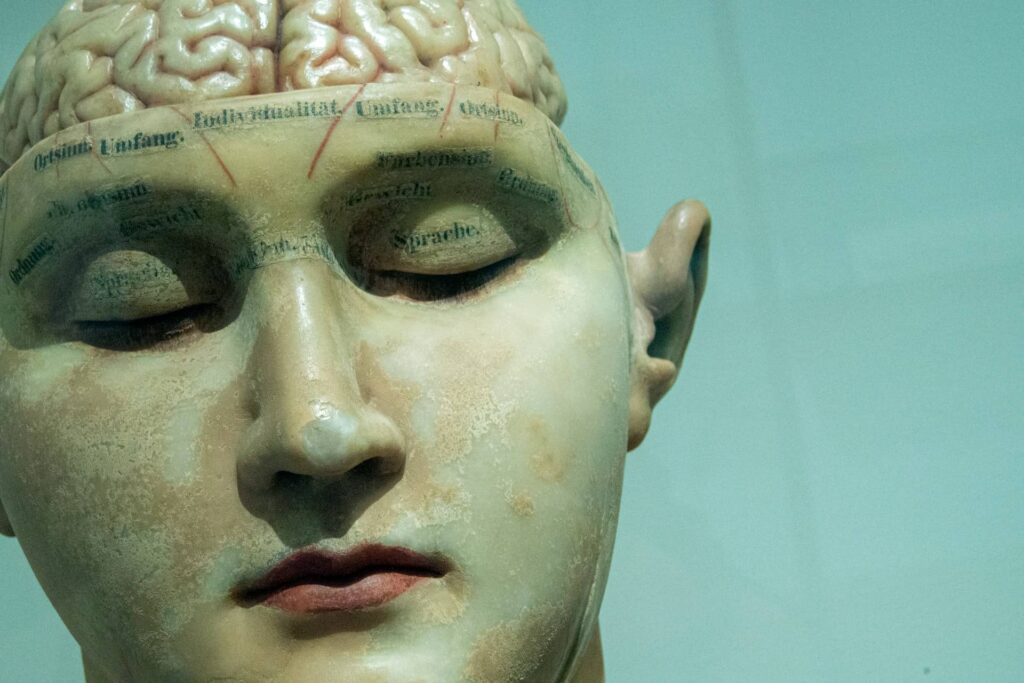
The word “brain rot” has been named Oxford University Press’ Word of the Year for 2024, reflecting the cultural and social impact of the overconsumption of low-quality online content. The term is defined as “the deterioration of a person’s mental or spiritual state”, particularly due to exposure to content that is considered irrelevant or not thought-provoking.
More specifically, the term is often used to describe excessive consumption of content that is considered superficial, repetitive or ‘dumb’, such as videos, memes or reality shows, but also to express obsession with a show, game or phenomenon to the point of ‘mental exhaustion’. Although the term has no medical basis, it is used to describe a feeling of mental fatigue or reduced mental clarity due to a lack of mental challenge, excessive stress or fatigue.
The word won the title in a public vote that attracted more than 37,000 entries, beating rivals such as “demure“, “dynamic pricing“, “lore“, “romantasy” and “slop“. Although widely used by younger generations, the word was first recorded in 1854 in Henry David Thoreau’s Walden, which condemned the simplification of thought in modern society.
A meditation on nature, simplicity and self-sufficiency based on Thoreau’s experiences during his two-year stay in a cabin he built on the shores of Walden Lake near Concord, Massachusetts.
Today, the phrase takes on a new meaning in the digital age, suggesting the negative effects of consuming low-quality content online, as is often reported on social media platforms. The choice of the word reflects a growing concern about mental health and the quality of the online environment.
Some of the earlier winning words are “Rizz” (2023), a term from online culture used to describe one’s charm or ability to attract others on a romantic level; “Goblin mode” (2022), which refers to a low-stress lifestyle with an emphasis on comfort and a disregard for social expectations; “Vax” (2021), a term that highlights the dominance of the vaccine debate during the pandemic.
In 2020, the pandemic, social changes and political developments led to a list of important words such as “lockdown” and “social distancing“, so no word monopolised the prize, while the term “climate emergency” reflected the growing concern about climate change in 2019.