 elc team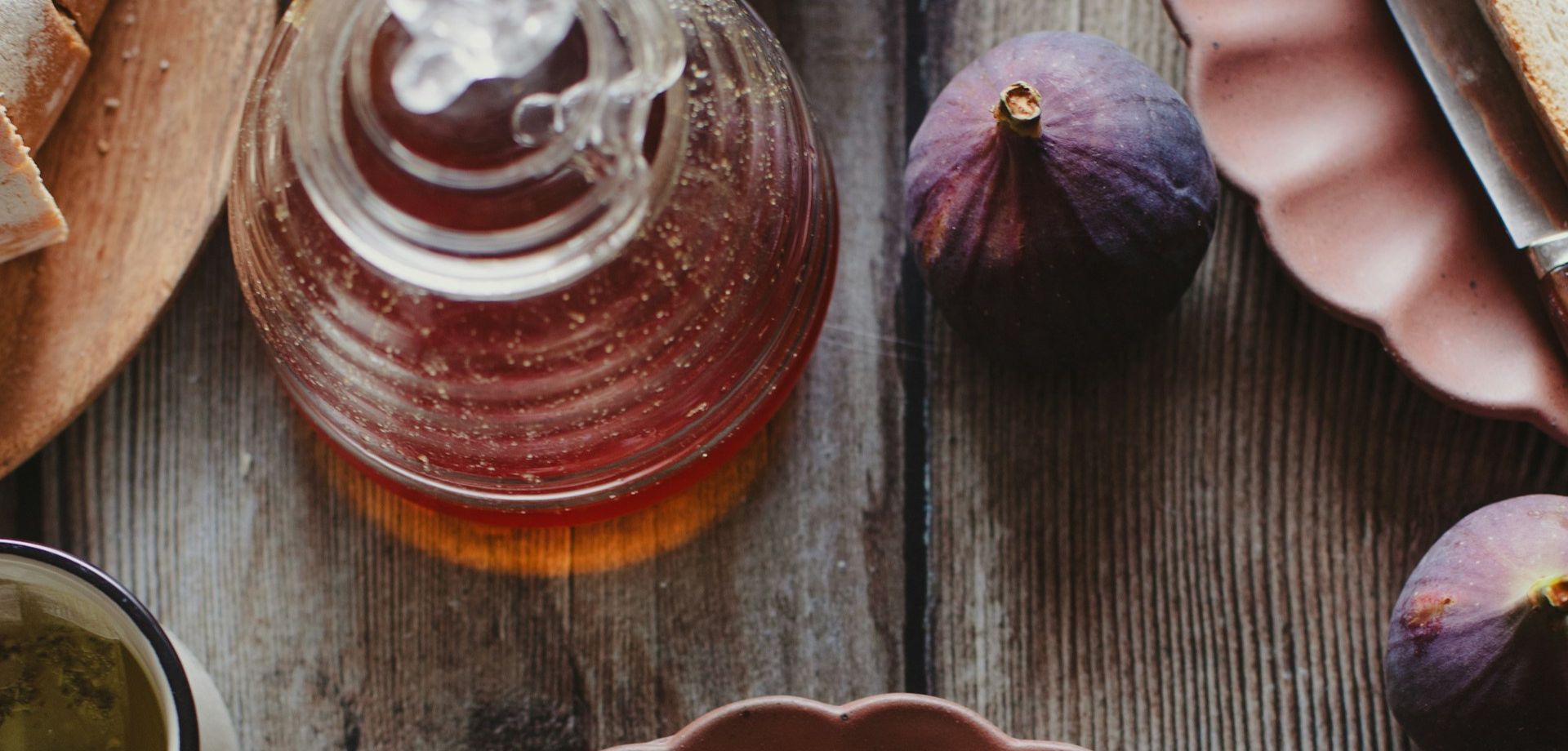
By Sofia Triantou
A local breakfast of bread, honey, pies, cheeses, fruits, and herbs is not just nourishment — it is an expression of culture
The Greek breakfast has a history that traces back to antiquity. In classical times, it was known as akratisma. Simple, almost austere, yet essential: barley or wheat bread dipped in akratos wine (undiluted wine). Alongside it were the gifts of the land: dried figs, almonds, walnuts, and other nuts, olives, and cheese. When abundance allowed, the table was enriched with legumes such as lentils, broad beans, and chickpeas, served as purée or gruel. For sweetness, they used honey-the only sweetener of the era-while fresh or dried fruits like figs and grapes completed the diet. Akratisma was not rich in variety, but it was rich in nutritional value. It gave strength for the day ahead, deeply tied to the land and its memory.
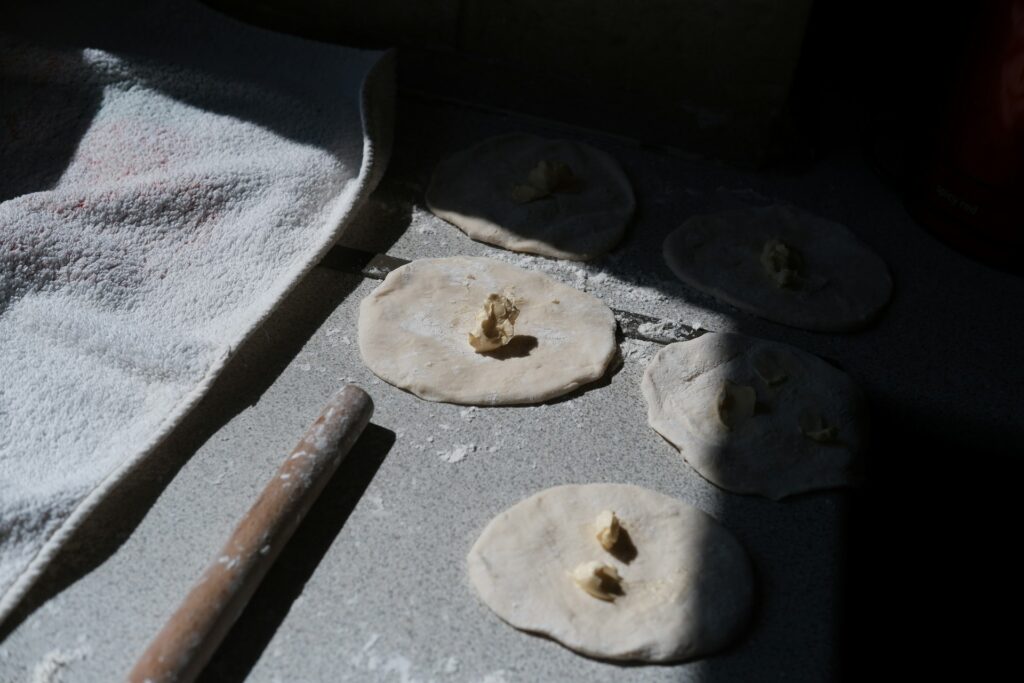
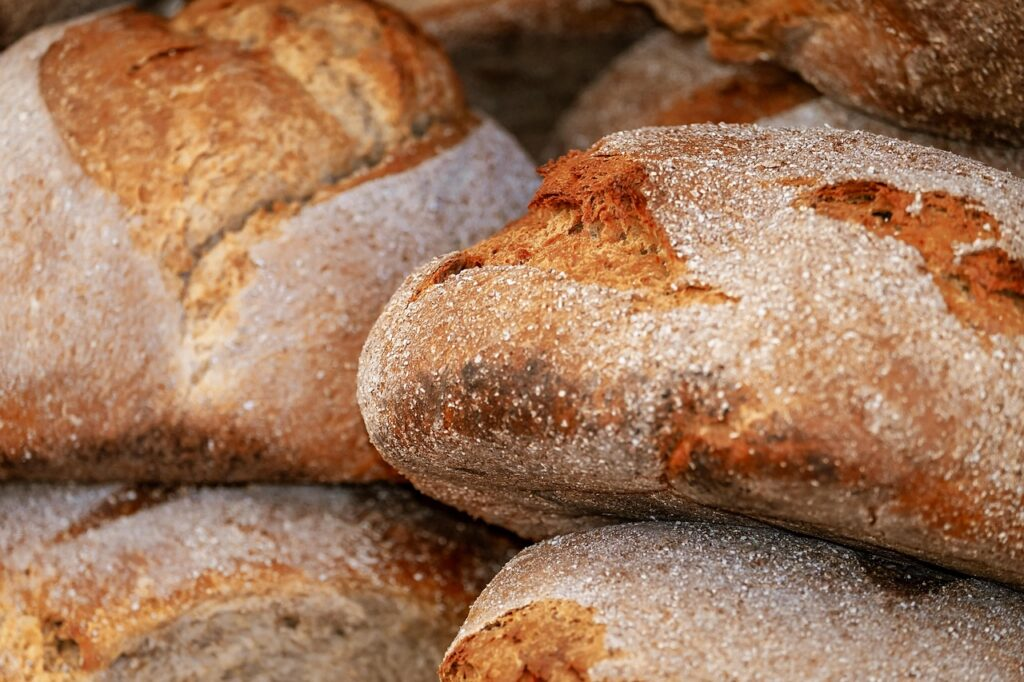
In more recent times, the Greek breakfast kept the same modest self-sufficiency. In the villages of Epirus, Thessaly, and Macedonia, the day began with pies: wild-greens pies, cheese pies with local cheeses, or bougatsa that warmed cold mornings. On the islands, the table held rusks, olives, fresh fruits, and local cheeses. Trachanas with freshly grated feta, hot and nourishing, was a staple in winter, while yogurt with honey and nuts remained a constant choice in almost every household. Freshly baked bread, always present, was paired with cheese, homemade jams, or spoon sweets.

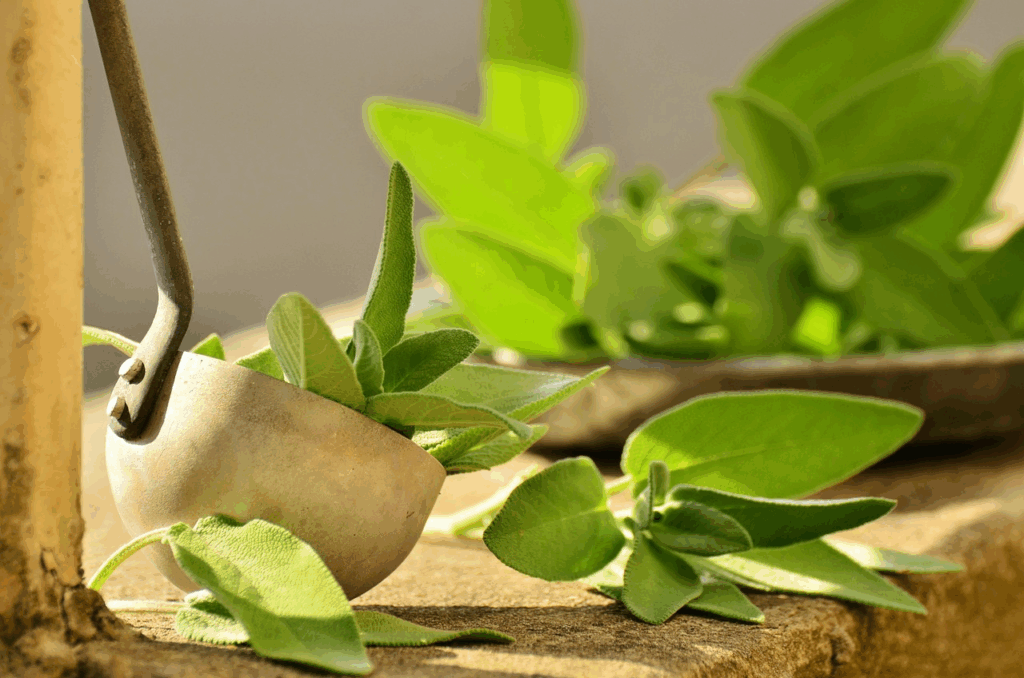
Above all, there were the herbs. A cup of mountain tea, sage, or pennyroyal was the most characteristic way to start the day. It wasn’t a trend-it was tradition. It was our daily contact with nature, the secret bridge connecting humans to the cycle of the seasons. The Greek breakfast was always simple, self-sufficient, and authentic. It never needed foreign recipes to stand tall; the land and its offerings were enough.
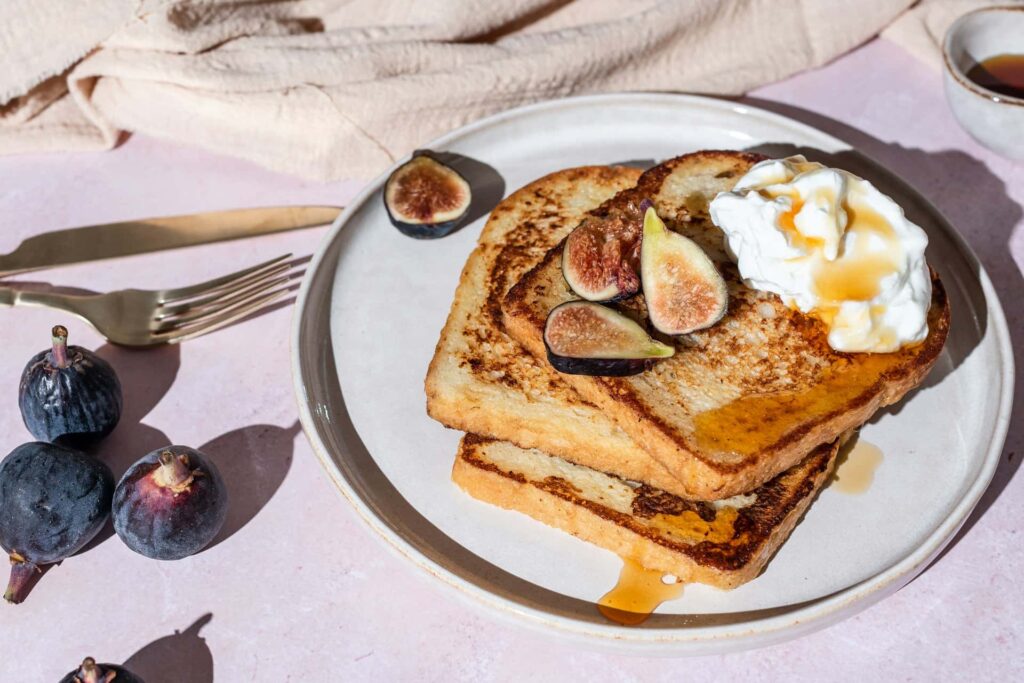
And yet, today, the picture has changed. A breakfast that could be served anywhere is not Greek. Hotel buffets often feature choices that might as well belong to any city in the world: “modern” flavors, international trends, dishes that dazzle with their fashion but say nothing about the soul of the place. Instead of trachanas with grated feta, eggy bread, traditional pies, Epirus’ wild-greens pies, Crete’s kalitsounia, or Macedonia’s bougatsa, one finds foreign pastries: French croissants, poached eggs, German sausages, crispy bacon, pancakes, and waffles with Nutella. Instead of mountain tea, sage, dittany, or chamomile, there is black or green tea-drinks with history, yes, but not ours. The Greek breakfast doesn’t need flavors foreign to its identity; it has its own voice steaming in every cup of herbal tea.
Greek breakfast is not merely a meal-it is memory, identity, culture. Pies are not just food; they are a way of life and an expression of self-sufficiency. Greece holds a true treasure of products: trachanas, yogurt, thyme honey, PDO cheeses, rusks, handmade pasta, spoon sweets, seasonal fruits, herbs. These are not just ingredients; they are part of tradition, small narratives composing the story of the land.
And this is what touches the visitor. Travelers do not come to a place to taste the familiar but the authentic. They come to savor the true, the different, to feel that the land speaks through their plate. A local breakfast-bread, honey, pies, cheeses, fruits, and herbs-is not just nourishment; it is an expression of culture. Every cup of mountain tea, every bite of freshly baked bread carries memory and conveys history. The Greek breakfast is part of our cultural continuity, like monuments, language, or customs. When it fades behind borrowed habits, it is not only a dietary practice that disappears-it is a weakened link in the chain of our culture.
Its revival is not nostalgia but duty. Culture is not preserved only in grand works but also in the small gestures of everyday life. Greek breakfast is one of them. And it is our responsibility to pass it on to new generations, to teach them what it means, to keep it alive. Because if it disappears from our table, it will vanish from our memory. And the loss of memory is always the loss of culture itself.