 Deana Kartsagouli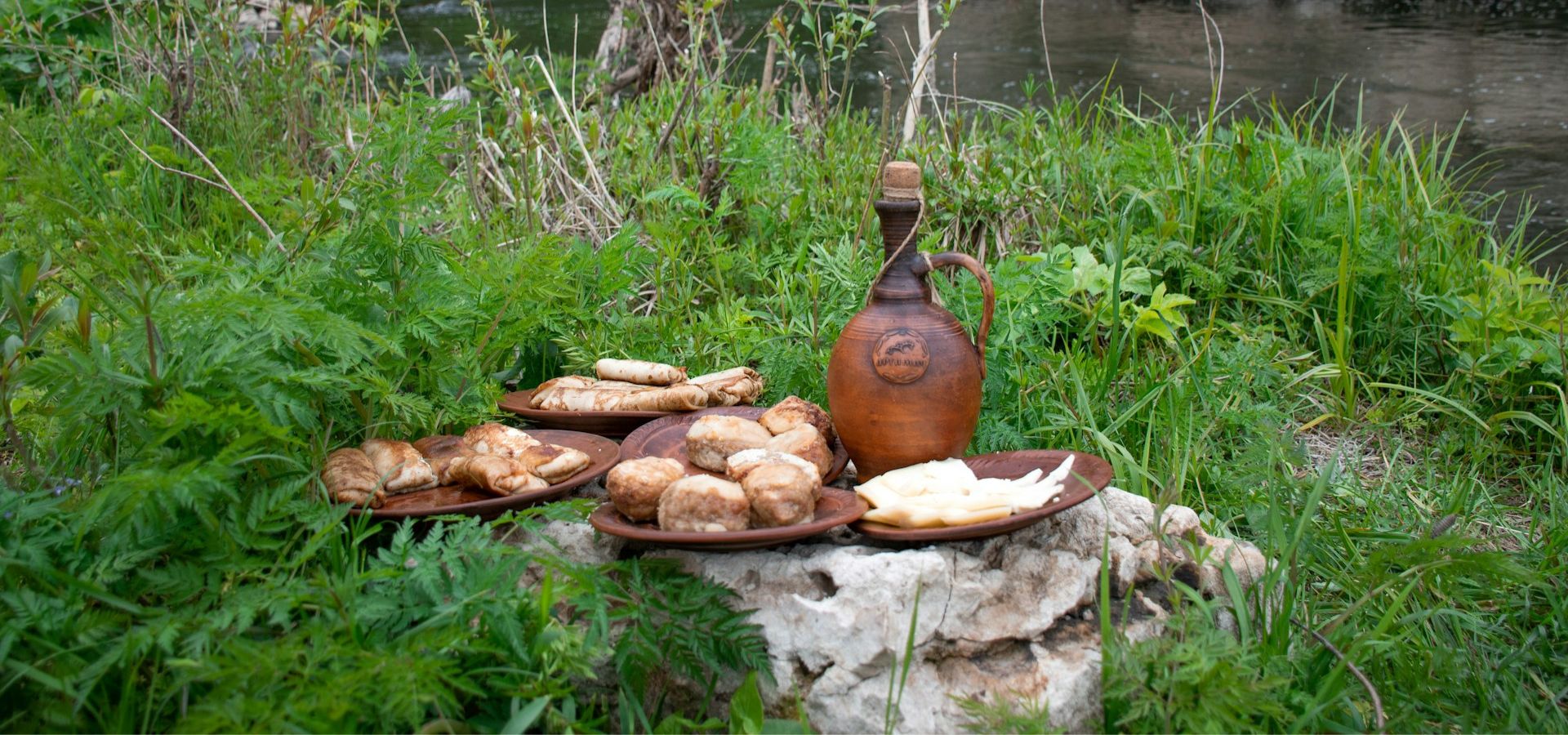
Tzoulamades, tyrozoumo, hand-made pasta with myzithra, pork skewers sausage and everything that we eat during the three weeks of the Greek carnival
Even though not as famous as the one in Rio de Janeiro, nor characterized by the elegance of the Venetian mascheranti, the Greek carnival (called “apokries” in Greek) is steeped in tradition and local charm.
Its roots can be traced back to the Dionysian mysteries and Bacchic rites of antiquity, but in the modern era, Apokries, have, in essence, meant abstinence from meat. It is a three week preparation for Lent and Easter, Orthodox Christianity’s most important celebration.
In older times, before the convenience of modern refrigeration, this period was a practical necessity, a final chance to consume the abundance of seasonal eggs, milk, and livestock.
As we can only extract from this, food is an important element of the whole festive period. From the sausages and other pork delicacies to the hand-made pasta, the cheese and egg dishes, this is what people eat during “Apokries”.

The Prelude: Preparing for what’s to come
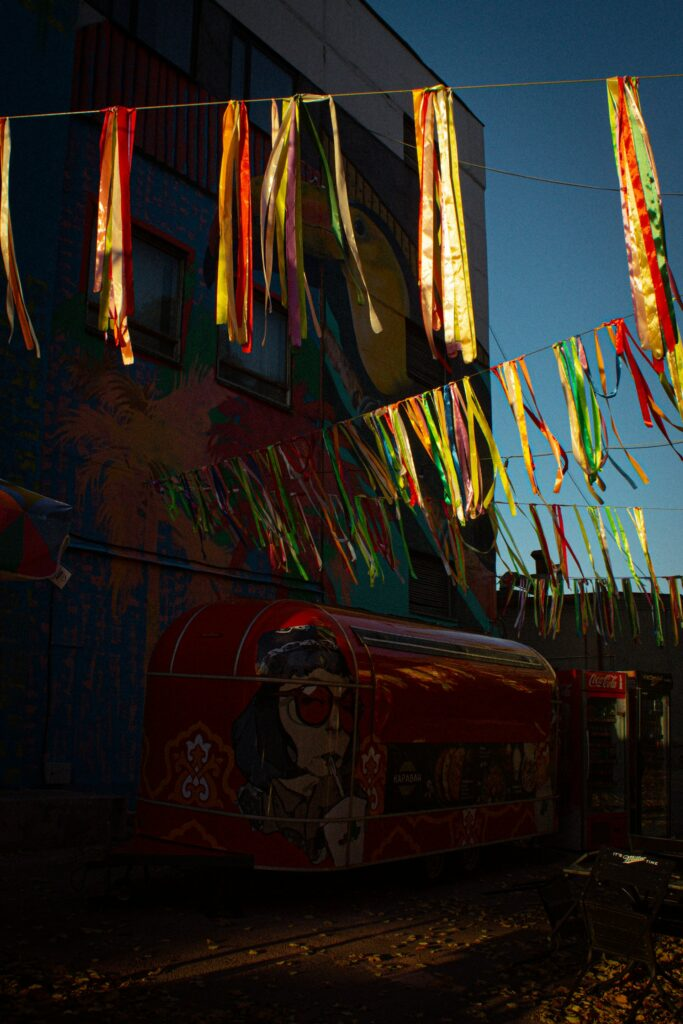
The first week of Carnival, Prophoni, is merely a warm-up, a time of subtle preparation. Historically, the name refers to the “preaching” or announcing of the Carnival’s arrival. In these early days, the psychological shift toward celebration begins, but the dinner table remains almost the same.
The time is also called the “Apolyte” week, a name suggesting a sense of release, as even the customary year round fasting on Wednesday and Friday is waived. Families gather to enjoy the first festive meat dishes of the season, often simple stews or roasted poultry, without the intense pressure of the weeks to follow.
Kreatini: A time when all carnivores rejoice
The atmosphere changes drastically during the second week, known as Kreatini, or Meat Week, when meat consumption reaches its peak before we abstain from it for 50 days.
The most festive day of this week is Tsiknopempti, or “Smoky Thursday”, during which the entire nation is covered in “tsikna”, the heavy aroma of roasting meat, especially pork. It is the tradition throughout Greece, for friends and family to gather in large groups and eat anything off the grill, the barbecue or the open-fire spit. Certain areas however have their specific customs.
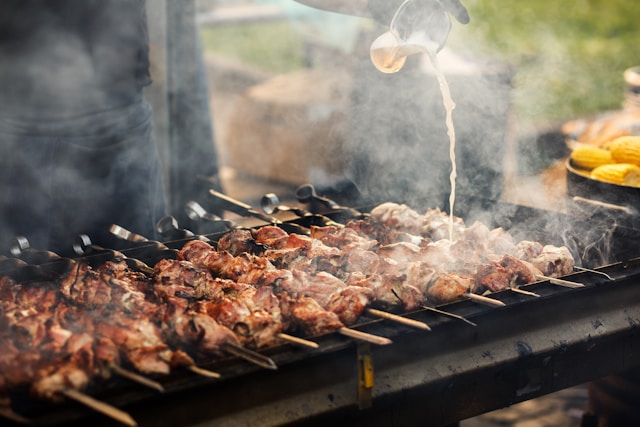
In the city of Thessaloniki for example, shopkeepers set up grills on the sidewalks to cook soutzoukakia (long meat patties in tomato sauce) and pork skewers, sharing them with every passerby.
In the Peloponnese and Central Greece, families prepare traditional sausages flavored with orange peel and herbs, or “syglino,” a smoked pork delicacy preserved in its own lard.
In many households, this week also features “rosto,” a beef or goat leg slow-cooked in a dense tomato sauce with garlic, cinnamon, and cloves, almost always served over thick, handmade pasta.
Even the desserts during Meat Week can take a savory turn. In the Messara region of Crete, the “Tzoulamas” is the star. A rich pie made with chicken or lamb livers, rice, raisins, nuts, and spices, all encased in buttery phyllo that masterfully balances sweet and salty notes.
Tyrini: Pasta, cheese and everything dairy
After having gone through all that meat consumption, it is time to take care of the byproducts from the animals. The third week, Tyrini (Cheese Week), begins, with the goal is to consume all dairy, cheese and eggs and not let them go to waste before they, also are taken off the menu.
Pasta or “macaroni” -the hand-made ones that contain eggs and milk-, is so central to this week that in many regions, Apokries is affectionately called “Macaronou”
In Mani, the signature dish is “Tsouchti,” thick pasta tossed in burnt butter and dry myzithra cheese, topped with fried eggs. A very tasty and easy to make dish that we recommend year round -make sure to choose a good dry myzithra to really bring out the simple genius of the recipe.
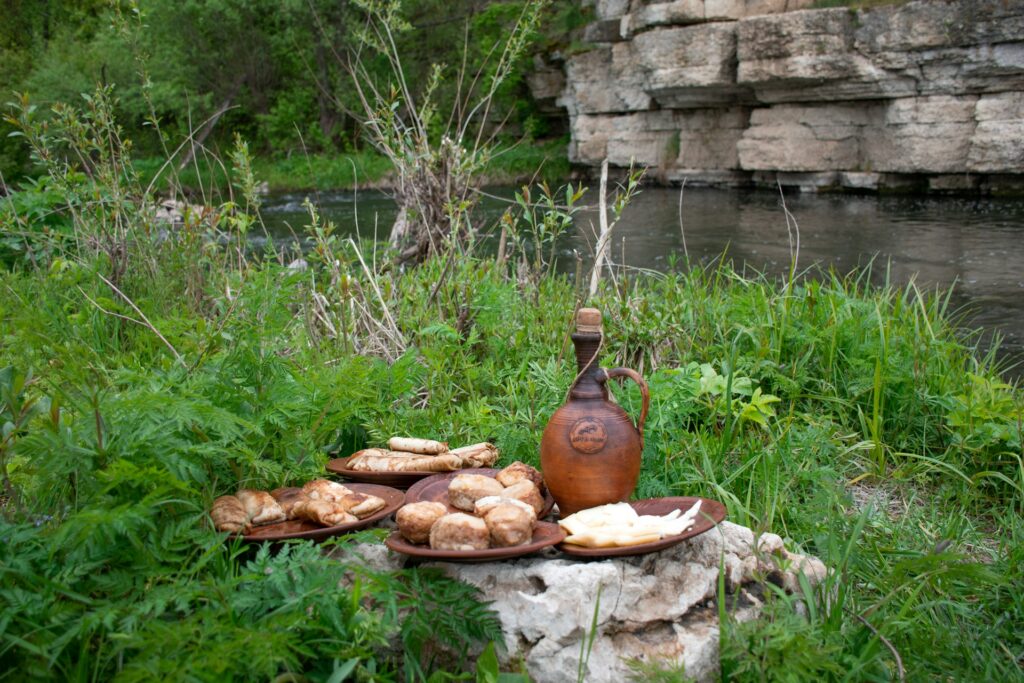
In Euboea, the locals hand-roll “Kourkoumbines” or “Gogkes,” small pasta nuggets that are sizzled in oil or butter until crisp.
On the island of Astypalea the islanders make “Makaronia Tarachta,” handmade tagliatelle cooked in a broth of butter and fresh “chlori” cheese until the liquid becomes a velvety sauce.
In Northern Greece and Thessaly, “Makaronopita” is a staple, a juicy pie where pasta and feta are baked between layers of rustic phyllo.
This is also the week of the “Avgopita” in Roumeli, a rich pie dense with fresh eggs and milk.
Even the Ionian Islands contribute to Tyrini with the elegant “Pastitsio Dolce,” a Venetian-inspired creation where savory pasta is hidden inside a sweet-salty biscuit crust.
Symbolic rituals and the spirit of forgiveness
Not only about eating, Tyrini is also the time to forgive and forget, to gather with loved ones and prepare for the cleansing, both of the spirit and the body, that begins with “Kathara Deftera” (Clean Monday). It is a period of deep symbolism, often being carried out through food.
On Syros and in Ioannina, the custom of “chaska” involves dangling a boiled egg from a string, while everyone tries to catch it with their mouths without using their hands. The symbolism behind it is that you seal your mouth for Lent with an egg on the final Sunday of Apokries and you open it again with the red egg of Easter. In Aetoloacarnania, eggs are placed in the fire for divination, where a “sweating” egg predicts health and a cracked one warns of illness.
The final Sunday of Tyrini is also the Sunday of Forgiveness. In Karpathos and Arcadia, families gather for a communal meal of “Tyrozoumi,” a pungent broth of seasonal greens and fresh myzithra.
Before the first spoonful, old grudges are settled and forgiveness is sought, ensuring a clean spirit for the fast ahead. In Sochos – in the municipal of Lagada, near Thessaloniki known for its carnival which is one of the most primitive and unique in the country-, young people offer oranges to the elderly, as a gesture of respect and reconciliation.
Loukoumades, galaktoboureko and everything sweet
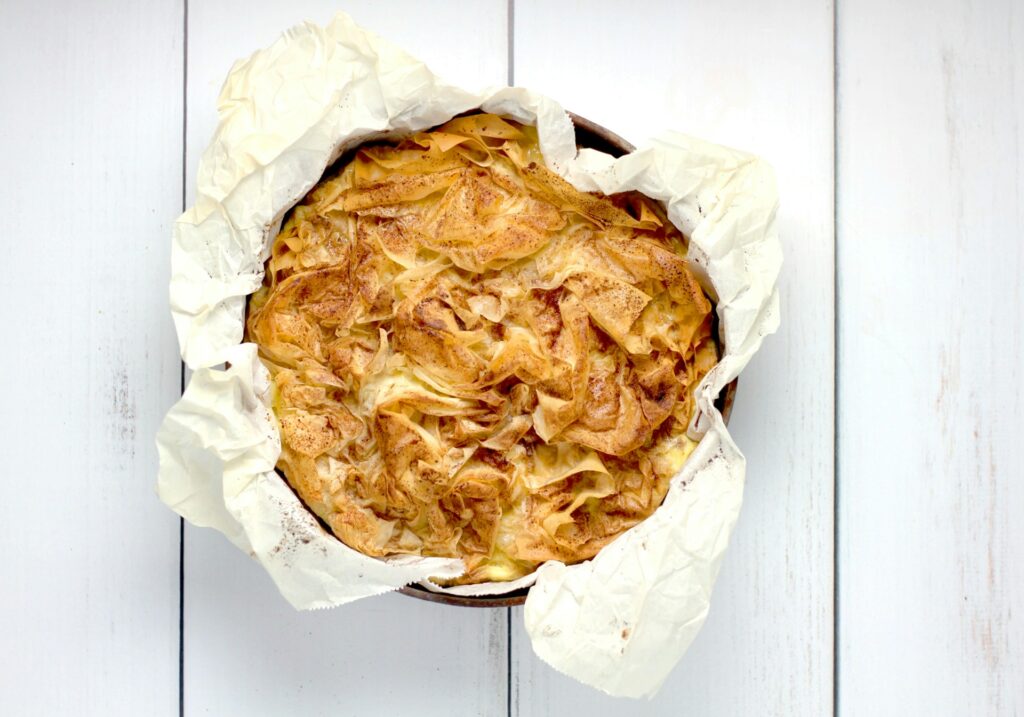
No celebration is complete without the fried and syrupy treats that provide the necessary energy for Carnival dancing until the early hours. From the honey-drenched “diples” of the Peloponnese to the mastic-scented “rafiolia” of Paros and the “galaktoboureko” of the mainland, the sweets of Apokries are a final farewell to all indulgences not allowed during Lent.
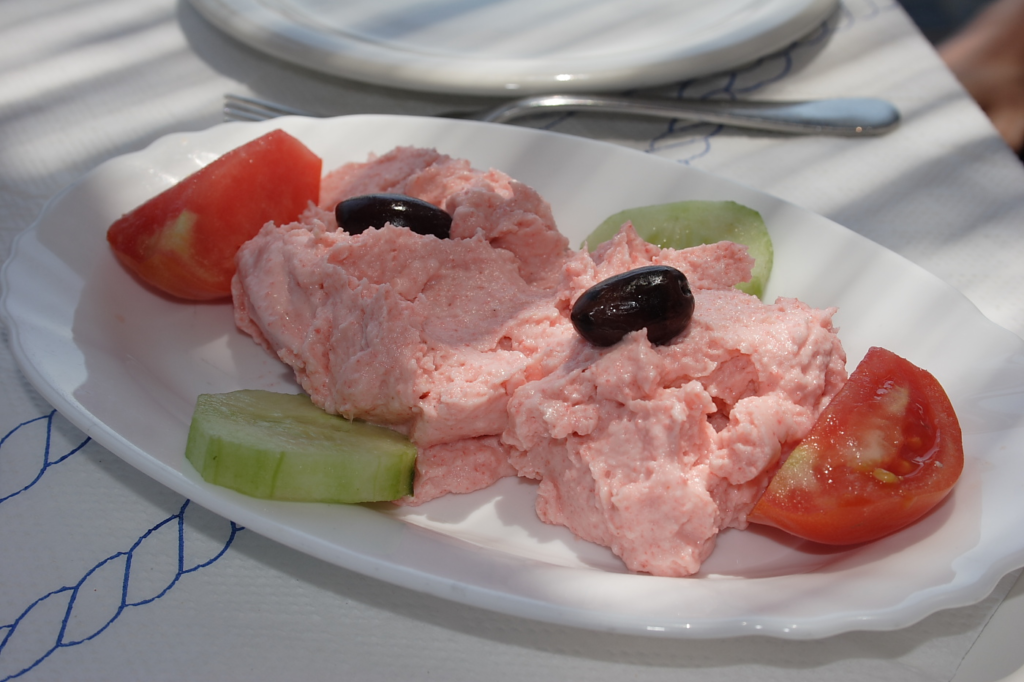
Before Clean Monday, the heavy pots are scrubbed diligently to remove every trace of fat and to give way to the simple, sesame topped “lagana” (flat bread eaten only on that day), the store-bought halvah, the taramasalata and all that comprise the delicacies of the first day of Lent.