 KATERINA PARRI
A docudrama telling the story of director Mona Achache’s mother, with actors portraying real life characters
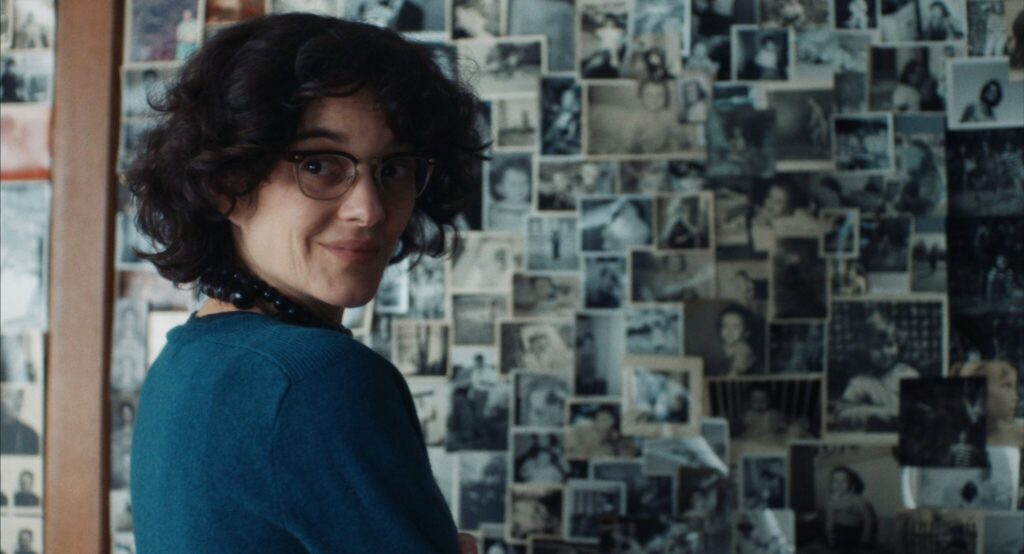
Mona Asace’s documentary “Little Sad Girl”, starring Marion Cotillard as the director’s mother, the renowned writer and photographer Carole Asace, who committed suicide in 2016, will be released on 21 November.
A daughter tries to solve the mystery of her mother’s suicide by discovering thousands of photographs, letters and recordings.
The true story of director Mona Assas, who uses cinema to reconnect posthumously with her famous mother, Carole Assas A deeply personal and artistic quest by the French filmmaker, who recalls the complex life of her late mother.
After her mother’s death, Mona Achache discovers thousands of photos, letters and recordings, but these buried secrets make her disappearance even more of an enigma. Through the power of filmmaking and the beauty of incarnation, she brings her mother back to life to retrace her journey and find out who she really was.
The film premiered at the Cannes Film Festival (2023) and Marion Cotillard received a nomination for Best Actress at the César Awards.
Official entry, Cannes Film Festival, Nomination for Best Actress, César Awards.
Cotillard’s performance captures Carole with authenticity, reflecting her strength and sensitivity, and allowing the audience to witness a moving journey through the trauma passed down from generation to generation and the lasting effects of emotional wounds.
The narrative begins with Carole’s suicide in 2016 and continues with her daughter’s quest to reconstruct her mother’s life in order to understand the impact of her life’s difficulties on their relationship.
The film is about mental health, mental legacies, loss, memory and family relationships, and of course the mother-daughter relationship, and that’s exactly why it’s relevant to all of us. The references to literary figures such as Jean Genet and Marguerite Duras give the film a deep inner tone.
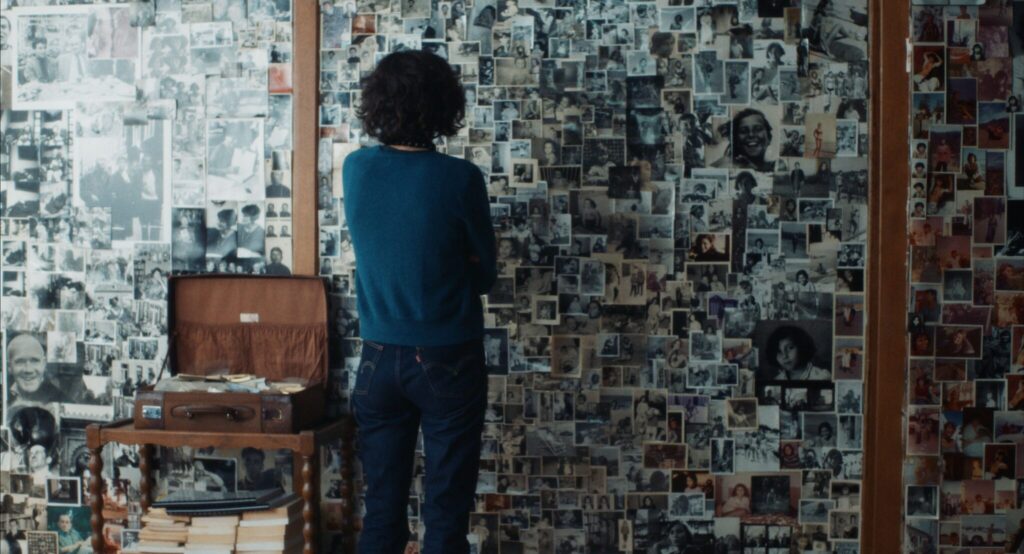
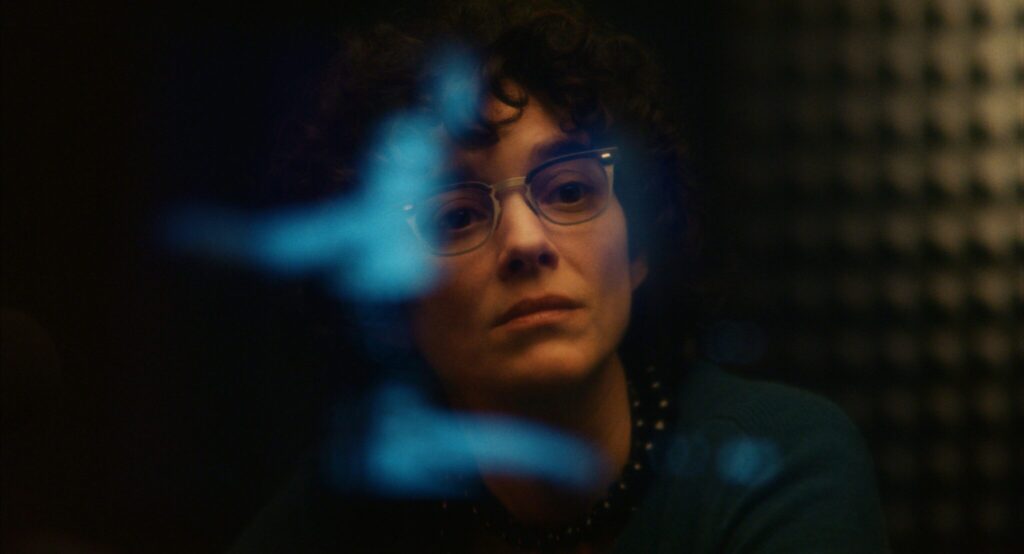
The director managed to transform the French actress into her mother, even insisting that Cotillard stay in the role after the shoot and drink her tea loudly, just like her mother.
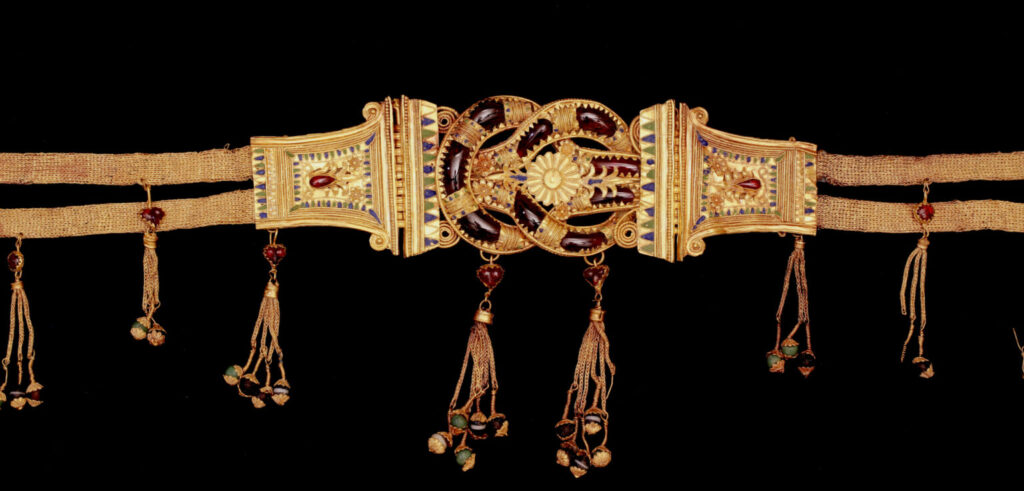
The gradual transformation of the actress into Carole Assassin is also documented in the film itself: at the beginning, Cotillard remains in her underwear and the director has her wear her mother’s clothes, glasses and jewellery, while at the end we see her wearing contact lenses to change her eye colour, a wig and Assassin’s perfume. Then we see her listening to Carole’s recorded voice and imitating it. And then she meets real friends of the author.
Using cinema as a vehicle, Mona Assas traces not only her own relationship with her mother, but also Carole Assas’s pathological relationship with her own mother, the writer Monique Lange, about whom she even wrote a book.
Her film is a kind of “psychological archaeology” in which she tries to piece together her mother’s life, her relationship with men and the abuse and manipulation she herself experienced.
Speaking about the mother-daughter relationship, Marion Cotillard says: “If a pathological state persists in a family for years and you don’t put all your energy into healing it, into facing the trauma and the fear and saying, ‘Stop! I don’t want this to happen again’, then it will be repeated over and over again…”.