 elc team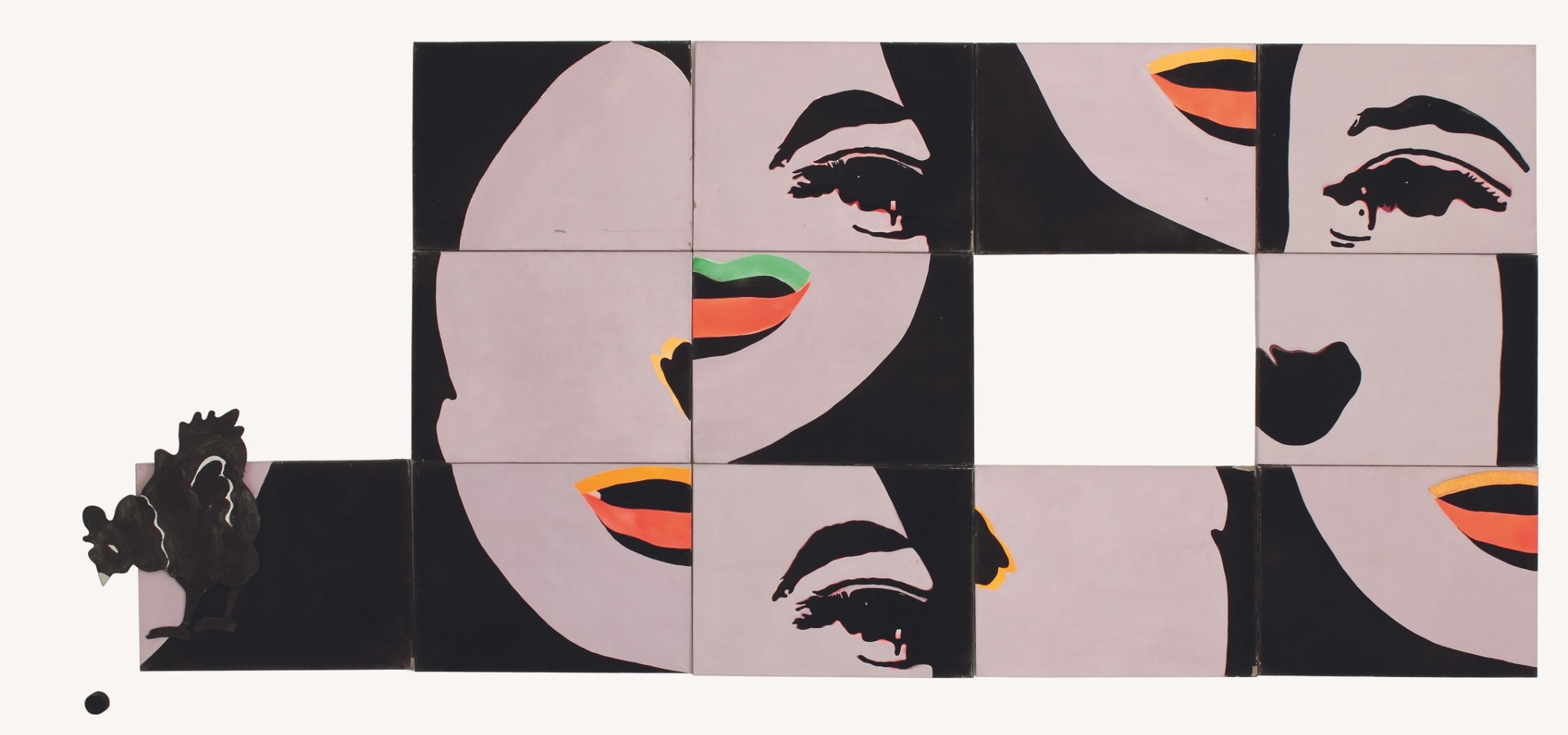
Two new exhibitions at MOMus – Museum of Contemporary Art in Thessaloniki explore European Pop and the visionary world of Martial Raysse through film, painting, and new forms of realism.
With echoes ranging from the Côte d’Azur in France and the broader post-war European scene to the other side of the Atlantic and the rise of consumer society, the two new exhibitions at the MOMus – Museum of Contemporary Art in Thessaloniki – titled “Martial Raysse. Sinéma” and “European Pop. The Battle of Realisms and Narratives” – bring together artists who, since the 1960s, were already searching for new visual languages.
Presented simultaneously in the same space, the exhibitions function both as a foundation and as a continuation of one another, unfolding through pop aesthetics, film, painting, color, humor, and multiple forms of realism and artistic sensitivity.
Both exhibitions will be open to the public from February 11 to April 12, 2026 (opening: February 18, 2026, at 19:30) and form part of MOMus’s 2026 production cycle, aiming to reframe the international character of its permanent collections.
“Martial Raysse. Sinéma”
February 11 – April 12, 2026
MOMus – Museum of Contemporary Art (within TIF-HELEXPO, Thessaloniki)
Opening: Wednesday, February 18, 2026, 19:30
The world of Martial Raysse (born Golfe-Juan, France, 1936), one of the most inventive figures of post-war European art, unfolds between dream and reality.
Continuously devoted to art and to the renewal of his media, materials, and practices, Raysse experiments relentlessly. Beneath his paintings, photography often lies transformed; he moves from painting to cinema and back again from cinema to painting.
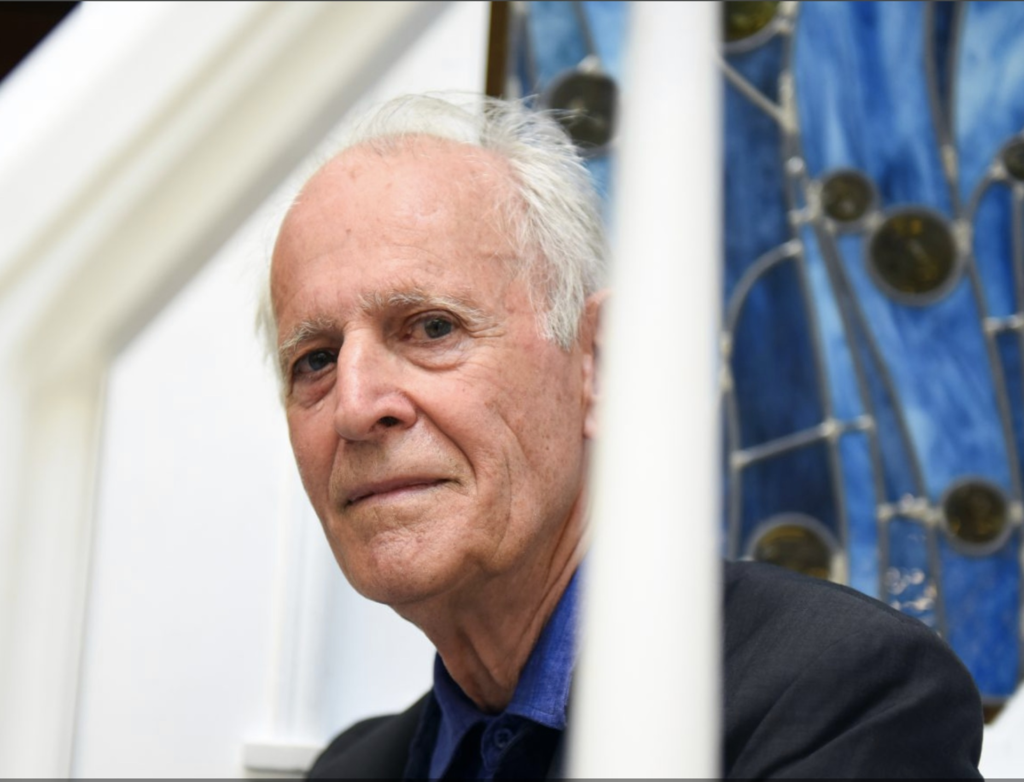
At the core of the exhibition “Martial Raysse. Sinéma” is his lesser-known body of work in film and video – where his artistic practice intersects with experimental cinema through the use of color, materiality, and everyday life as fields of exploration. A remarkable self-taught craftsman, constantly attentive to the emerging technologies of his time, Raysse fully embraced the vast possibilities offered by this pioneering audiovisual medium from the earliest days of color television.
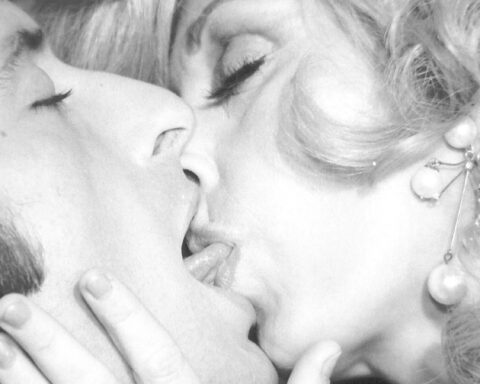
The human figure, landscapes, mythology, humor, and the social and consumer reality of the 1960s – shaped by advertising, pop culture, and mass production – are ever-present, alongside multiple technical effects within his personal chromatic language, the so-called “Martialcolor,” which reflects both the intensity of pop art and the spectacular excess of cinematic Technicolor. Film and video, surpassing traditional modes of production, become new ways of painting.
The exhibition invites visitors to discover how the artist extends his visual and conceptual research through moving images, presenting films and videos created between 1966 and 2008. Balancing poetry, provocation, and formal freedom, his cinematic works reveal a cohesive and strikingly contemporary body of work, in which every image – still or moving – participates in a broader reflection on representation and our relationship with reality.
“Cinema, for me, is like a seismographic recording of all the images that pass through my mind,” Raysse once stated.
For the first time in Greece, these groundbreaking moving-image works shed light on an unknown facet of a pioneering artist, highlighting the intersection of painting and motion — where video and film become material, gesture, and tools for redefining contemporary visual culture.
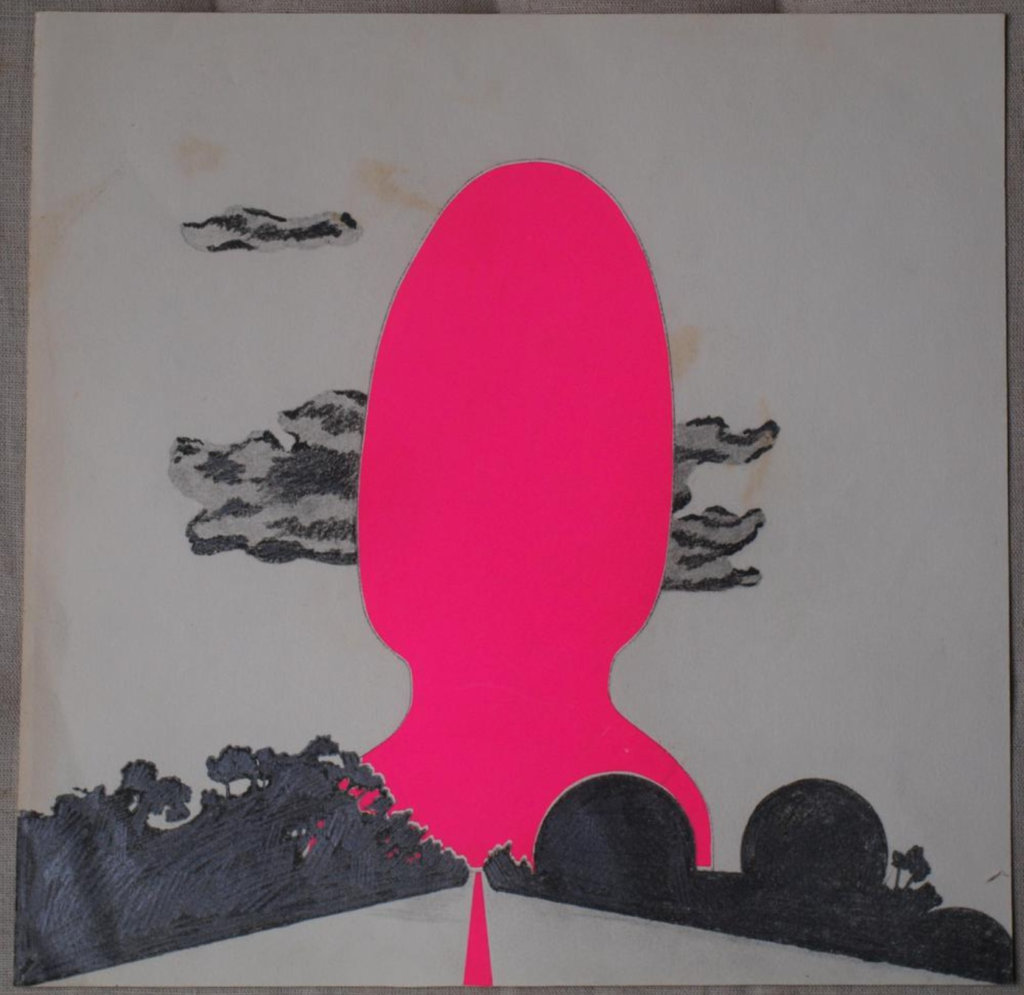
Black stone, phosphorescent paper, and collage on paper, 26.7 × 27.2 cm
Martial Raysse Endowment Fund
At the core of the exhibition lies his lesser-known body of work in film and video, where his art intersects with experimental cinema through color, materiality, and everyday life as fields of exploration. A largely self-taught technician with a keen eye on emerging technologies, Raysse fully embraced the possibilities of audiovisual media from the early days of color television.
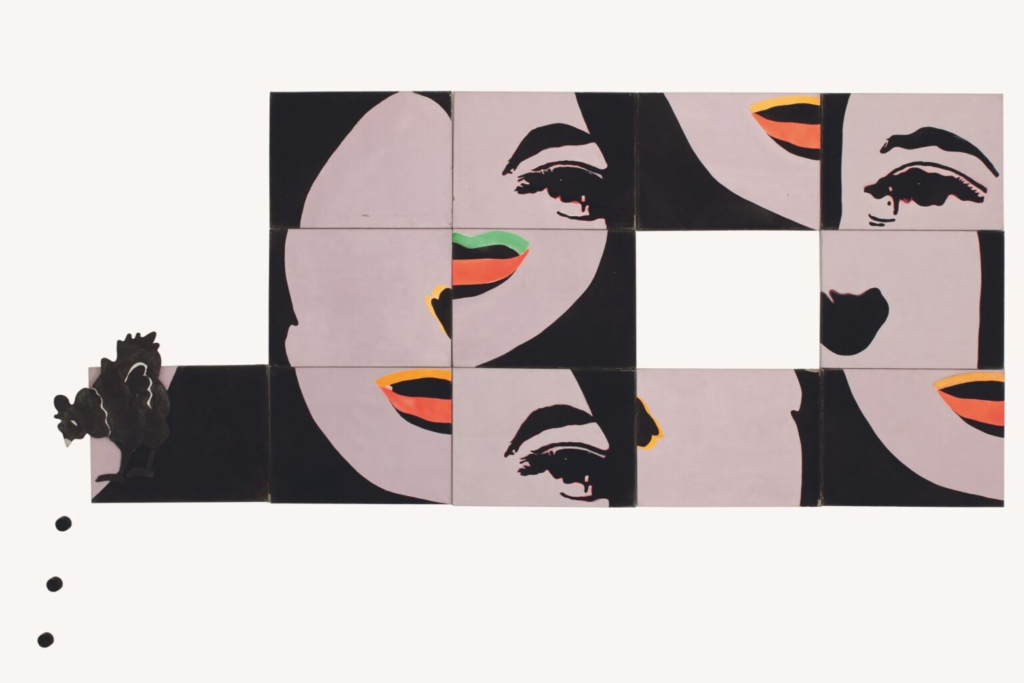
Oil and acrylic on canvas, 150 × 360 cm
Donation of Alexandros Iolas
MOMus – Museum of Contemporary Art
(Collections of the Macedonian Museum of Contemporary Art & the State Museum of Contemporary Art)
Human figures, landscapes, mythology, humor, and the consumer culture of the 1960s – influenced by advertising, pop culture, and mass production – appear alongside technical effects and his distinctive chromatic language, “Martialcolor,” reflecting both pop art intensity and Technicolor spectacle. Film and video become new ways of painting.
Co-organized with: Fonds Martial Raysse
Curator: Thouli Misirlouglou
Assistant Curator: Thodoris Markoglou
“European Pop. The Battle of Realisms and Narratives”
February 11 – April 12, 2026
MOMus – Museum of Contemporary Art (within TIF-HELEXPO, Thessaloniki)
Opening: February 18, 2026, 19:30
How do we understand the human figure, society, and the role of art in social change? After the dominance of abstraction in art up until the 1950s, recognizable imagery and figuration returned in the 1960s and 1970s, offering alternative narratives. At the heart of this renewed need for realism and expressive representation – in a world increasingly distancing itself from art’s fundamental impulse to depict human existence – many artists began to challenge the traditional values of both society and the art world.
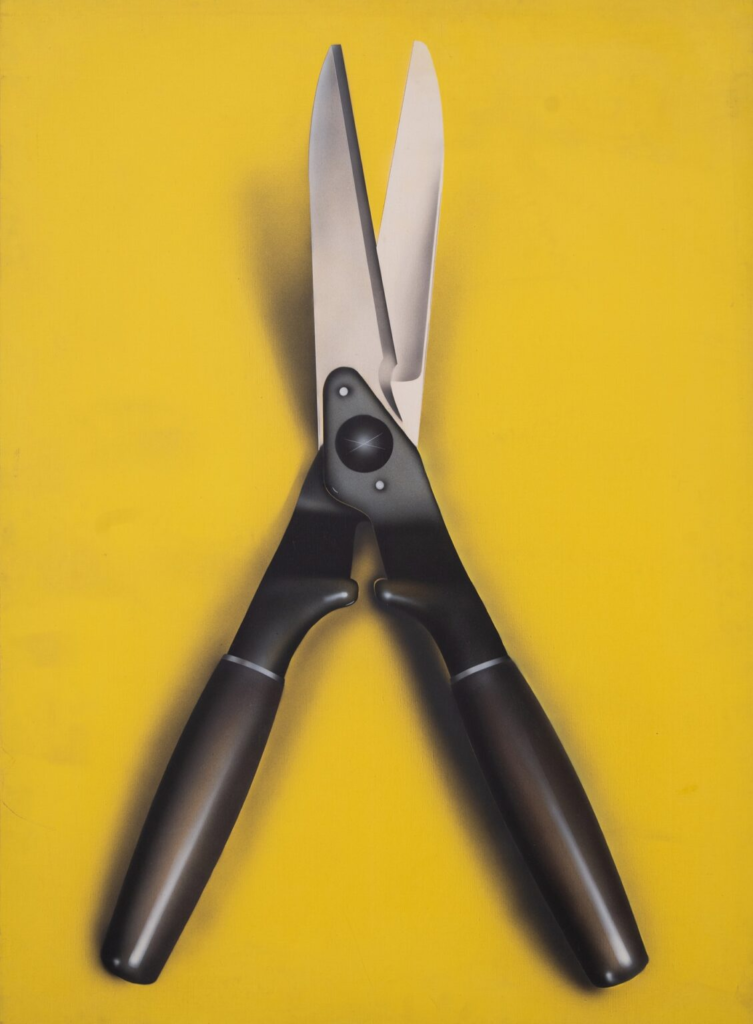
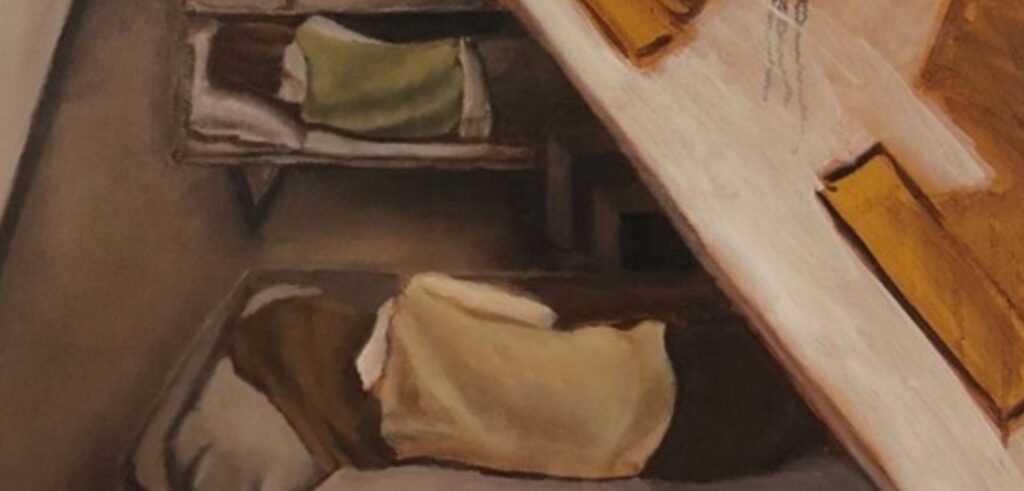
Oil on canvas, 110 × 81 cm
Private collection of Anastasios Garipis
I prefer this response
New narratives emerged, portraying moments of everyday life, commenting on social and political issues, acknowledging the influence of advertising, mass culture, and the media, and reflecting the speed, contradictions, and tensions of contemporary life. These new forms of realism did not aim to replicate reality, but rather to represent the individual’s inner psychological conflict and the failures of society.
The exhibition traces a journey through works and artists from across Europe who highlight the battle of representational narratives and shed new light on the world of reality and objects. Whether connected to movements such as Nouvelle Figuration or the French New Realists – or working in their aftermath – these artists collectively reveal the enduring impact of these artistic approaches.
Their legacy, evoking social alienation, political unrest, and the contradictions of human nature, retains its power not only as a historical artistic phenomenon but also as a guiding force for contemporary art and life.
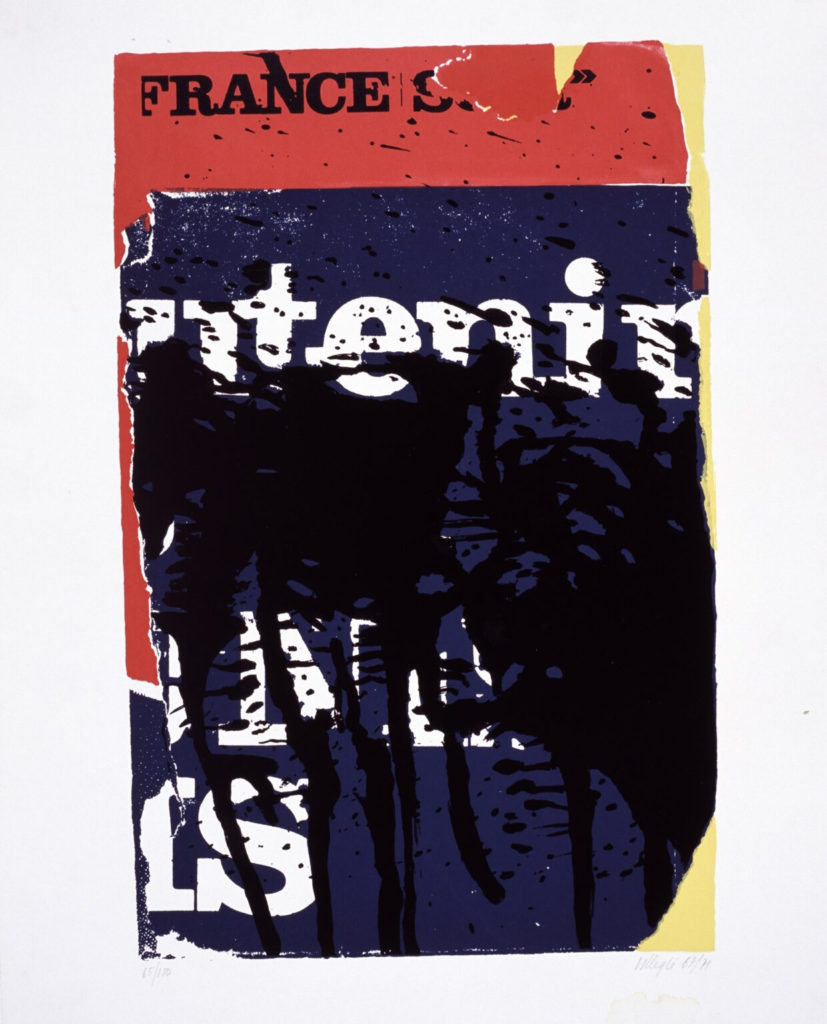
Silkscreen print, 65/150, 56 × 34 cm
Donation of Magda Kotzia (1994)
MOMus – Museum of Contemporary Art
(Collections of the Macedonian Museum of Contemporary Art & the State Museum of Contemporary Art)
The works presented in the exhibition come from the collections of MOMus – Museum of Contemporary Art, as well as from private collections.
Curator: Thouli Misirlouglou
Assistant Curator: Katerina Syroglou
Artists:
Arman, Eduardo Arroyo, Daniil (Panagopoulos), Erik Dietman, Erró, Hervé Fischer, Raymond Hains, Nikos Kessanlis, Peter Klasen, Jacques Monory, Pavlos (Dionyssopoulos), Jean-Pierre Raynaud, Chryssa Romanou, Antonio Segui, Vassilis Skylakos, Yvon Taillandier, Jean Tinguely, Jacques Villeglé.
Works are drawn from MOMus collections and private collections.
Curator: Thouli Misirlouglou
Assistant Curator: Katerina Syroglou
Info
February 11 – April 12, 2026
MOMus – Museum of Contemporary Art
(within TIF–HELEXPO, Thessaloniki)
Opening: Wednesday, February 18, 2026, 19:30
MOMus – Museum of Contemporary Art
(Collections of the Macedonian Museum of Contemporary Art & the State Museum of Contemporary Art)
154 Egnatia Street (within TIF–HELEXPO)
Opening hours:
Tuesday, Wednesday, Friday, Saturday, Sunday: 10:00–18:00
Thursday: 12:00–20:00