 KATERINA PARRI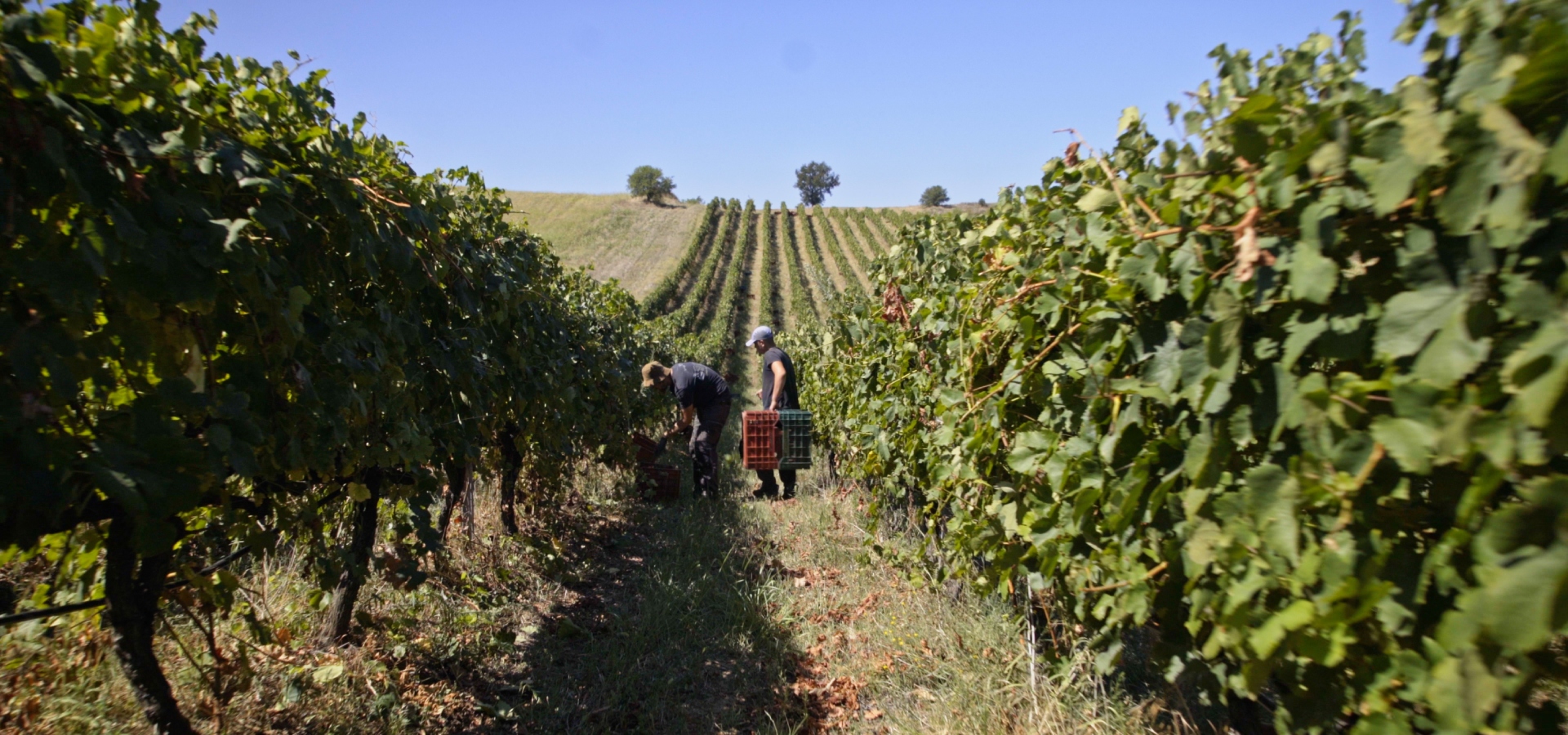
By Stelios Parris
On the Wine Route: Tasting, Culture, and Nature on a Fam Trip through the Wineries of Thessaloniki and Mount Pangaion
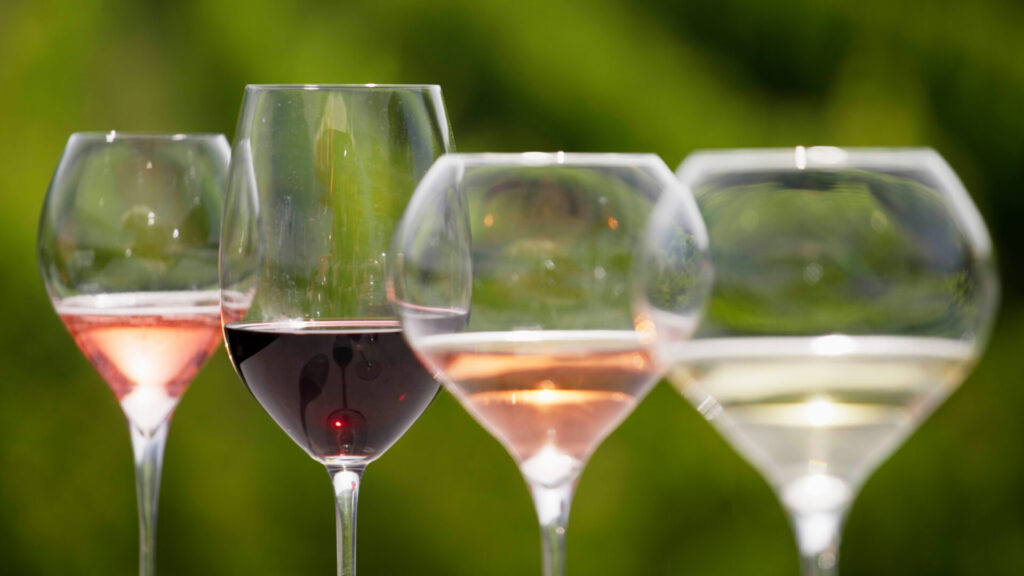
We pour a little wine into the glass, look at its color, swirl it gently, and take in the aromas. We bring it to our lips and let it rest for a moment in our mouth, then savor its aftertaste. These are the ritual steps of a wine tasting – a sensory ceremony accompanied, of course, by conversation: which aroma dominates, what lingers on the palate. Greeks love wine. We enjoy it, we live with it, and it has always had a place at our table. It’s a practice that dates back to ancient times – and wine tourism, in many ways, is like a journey through time, inside a glass.
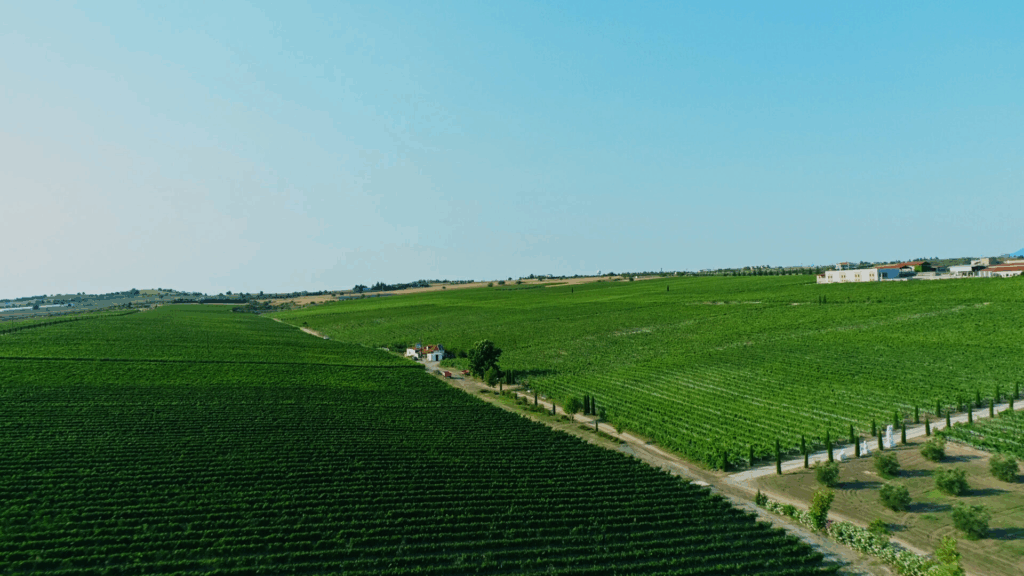
That’s exactly the experience I had in Northern Greece, where wine has a face, character, and voice. A fam trip filled with tasting, culture, and nature across the wineries of Thessaloniki and Mount Pangaion, aiming to highlight the richness of Greek wine tourism. The region’s microclimate, altitudes, and grape varieties produce wines with strong identity. With good company and passionate winemakers, wine tourism becomes much more than a visit to vineyards – it’s an experience that connects history, process, landscape, flavor, and human connection. From Naoussa and Amyntaio to Drama, Kavala, Pangaion, Epanomi, and Halkidiki, the wine routes of Northern Greece link producers and visitors, breathing new life into areas with deep agricultural roots.

The Harvest
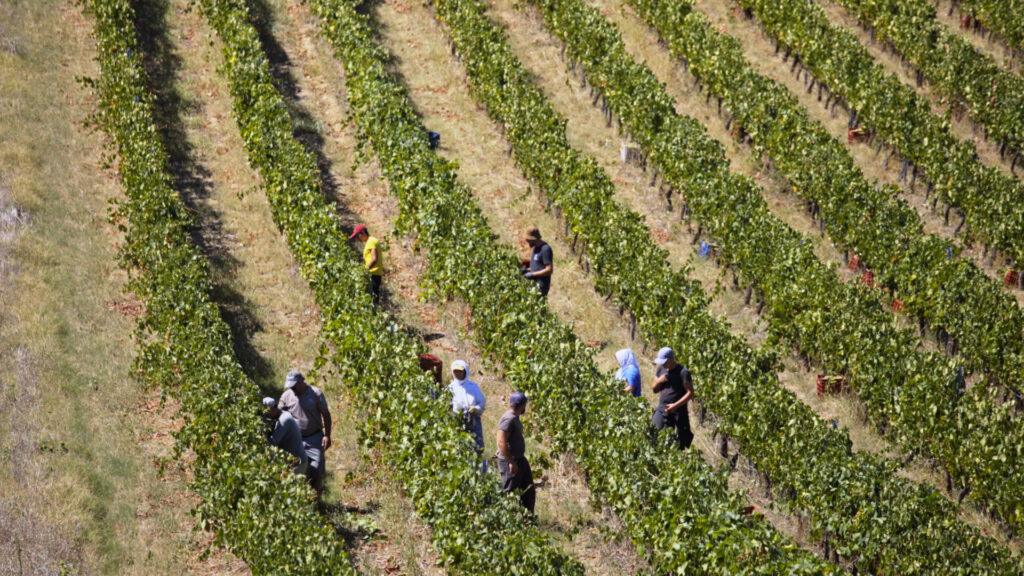
The harvest – trigos, as it’s been called for centuries – takes place from late August to mid-October, depending on the variety, altitude, and weather. Timing, sugar levels, and acidity are crucial, as is the method: some wineries handpick grapes for select varieties, others use more mechanized approaches for large-scale production. In every case, human hands and eyes remain essential. Once the healthy, ripe grapes are collected, they’re swiftly transported to the winery to prevent oxidation or unwanted fermentation. Then comes selection – only the best grapes make it into quality wines.
The Art of Winemaking
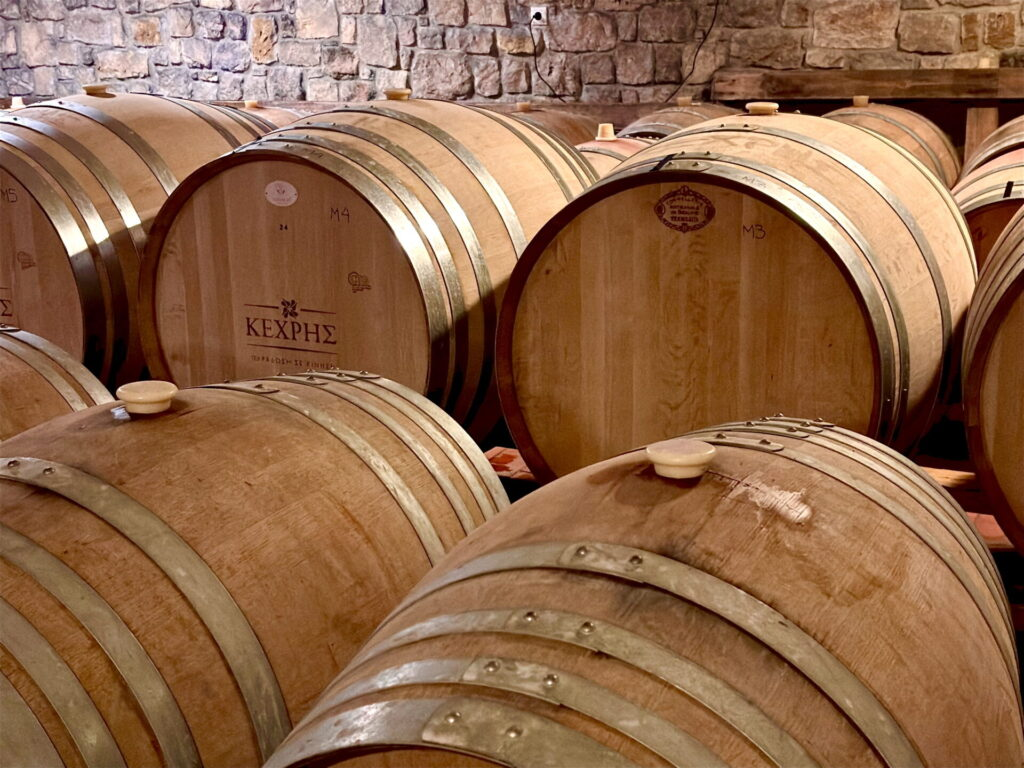
After harvesting comes fermentation. Natural yeasts, temperature control, and timing determine a wine’s final style and quality. The next stage, aging, takes place in oak barrels, which typically last five to six years. These barrels round out tannins and add subtle aromas, especially with regular stirring (bâtonnage). Finally, bottling allows the wine to develop complexity over time – proving that, indeed, winemaking is both an art and a science.
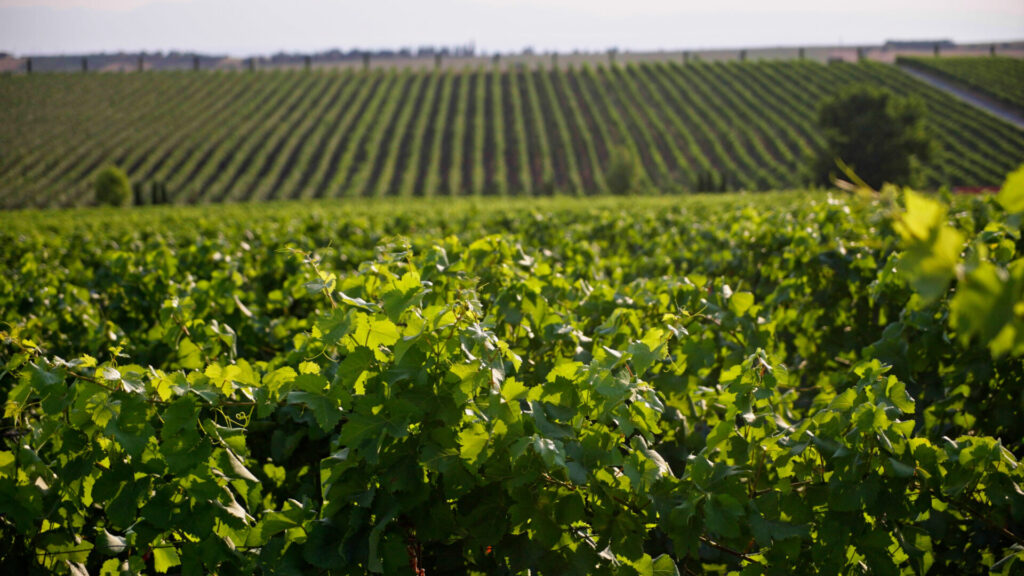
In Northern Greece, the cooler climate favors slow grape ripening. Every factor – soil, weather, rainfall – plays a part in what ends up in the glass. Key native varieties include Xinomavro from Naoussa and Amyntaio (a robust red with firm structure), Assyrtiko from Drama and Halkidiki (a mineral white with lively acidity), and Malagousia from Epanomi and Drama (floral and aromatic). International grapes like Cabernet Sauvignon and Merlot add a cosmopolitan touch.
Wineries Along the Route
Visiting wineries adds immense depth to the experience. In a wine shop you might ask what to pair your bottle with – but at a winery, you see, listen, and learn from the people who poured their effort into every drop.
Our first stop was Ktima Gerovassiliou in Epanomi, founded in 1981 by Vangelis Gerovassiliou, one of Greece’s most influential oenologists. Nestled on the hills overlooking the Thermaic Gulf, the estate revived the near-extinct Malagousia grape, now one of Greece’s most celebrated varieties. Aromatic and fruity, it pairs beautifully with cuttlefish, squid, or citrus-based dishes.
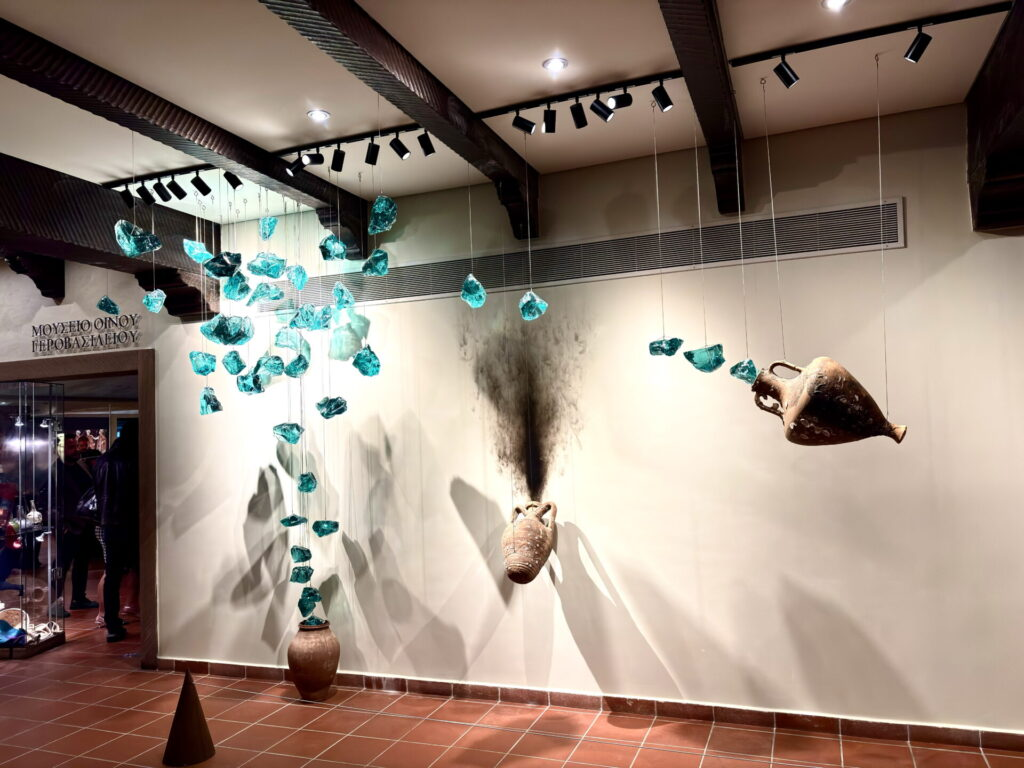
Gerovassiliou’s estate also holds surprises: a Wine Museum with over 2,000 corkscrews, one of Europe’s largest collections, and an outdoor sculpture park where contemporary artworks – including pieces by Costas Varotsos – rise among the vines like modern totems.

Next came Kechris Winery, located within Thessaloniki’s urban fabric and synonymous with the reinvention of retsina. Since 1939, the Kechris family has transformed this once humble drink into a symbol of modern Greek gastronomy. Third-generation winemaker Stelios Kechris created “Tear of the Pine”, an award-winning Assyrtiko-based retsina of remarkable finesse: lemon-colored, intensely aromatic, with crisp acidity and a long, elegant finish – ideal with fried dishes and long meals. He also experiments with liqueurs, recalling the old Greek custom of offering a small glass of sweet spirit to guests during name-day visits – a ritual almost vanished today.
From there, we climbed 30 km outside Thessaloniki to the village of Monopigado, overlooking Mount Olympus and the Thermaic Gulf, to visit Ktima Perek. This family-run estate began in 1999 as a workshop making traditional handmade baked goods and has since evolved into a culinary and agritourism center offering grape harvest participation, cooking classes, dinners with local products, and live music nights with regional wine. The focus here is on Xinomavro, with balanced acidity and rich aroma, and on Pontic culinary heritage, especially the traditional perek pastry. Visitors are welcomed like family, sharing food and stories that recall women’s communal traditions – the “Argatia” – when they worked together from house to house preparing dough for perek or syron pasta.
A Journey Beyond Tasting
By evening, after tasting wines since morning, I felt a light, joyful intoxication – not of the head, but of the soul. It wasn’t just a tasting trip; it was an education in environment and culture. Many estates now follow sustainable practices, minimizing water and energy use, applying recycling and green technologies.
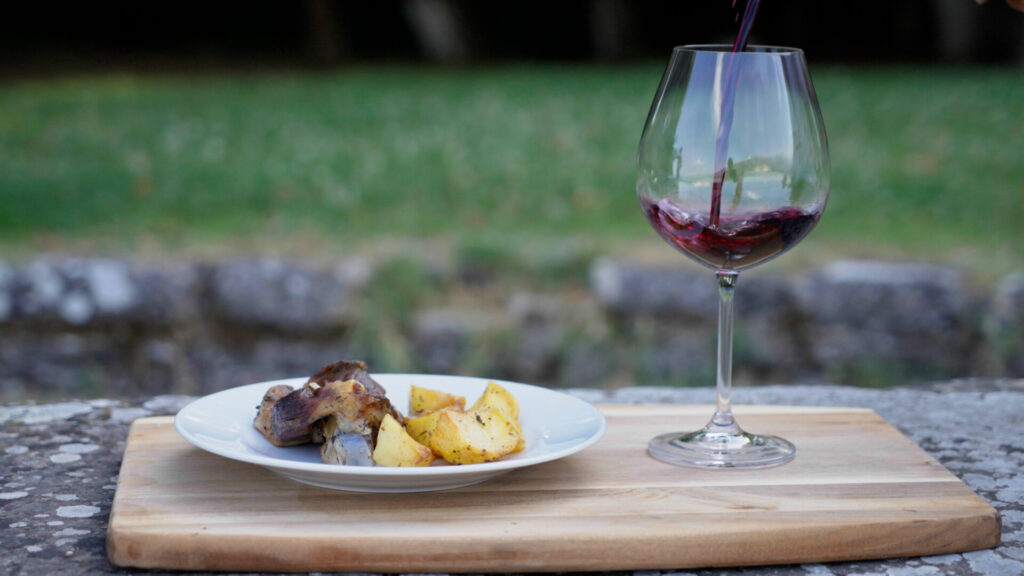
The next day took us toward Kavala, with two final visits. First, Ktima Biblia Chora, founded in 1998 by Vangelis Gerovassiliou and Vassilis Tsaktsarlis, on the slopes of Mount Pangaion – the mythical place where Dionysus is said to have taught humans the art of winemaking. Their first release, Biblia Chora White, blended Assyrtiko and Sauvignon Blanc, pioneering this combination in Greece. Their Ovilos series – white and red – has earned international acclaim, while Vyvlinos, made from an ancient, rediscovered local variety, stands out for its deep ruby color and rich, fruity finish, its label marked by a symbolic fingerprint – a nod to its unique DNA.
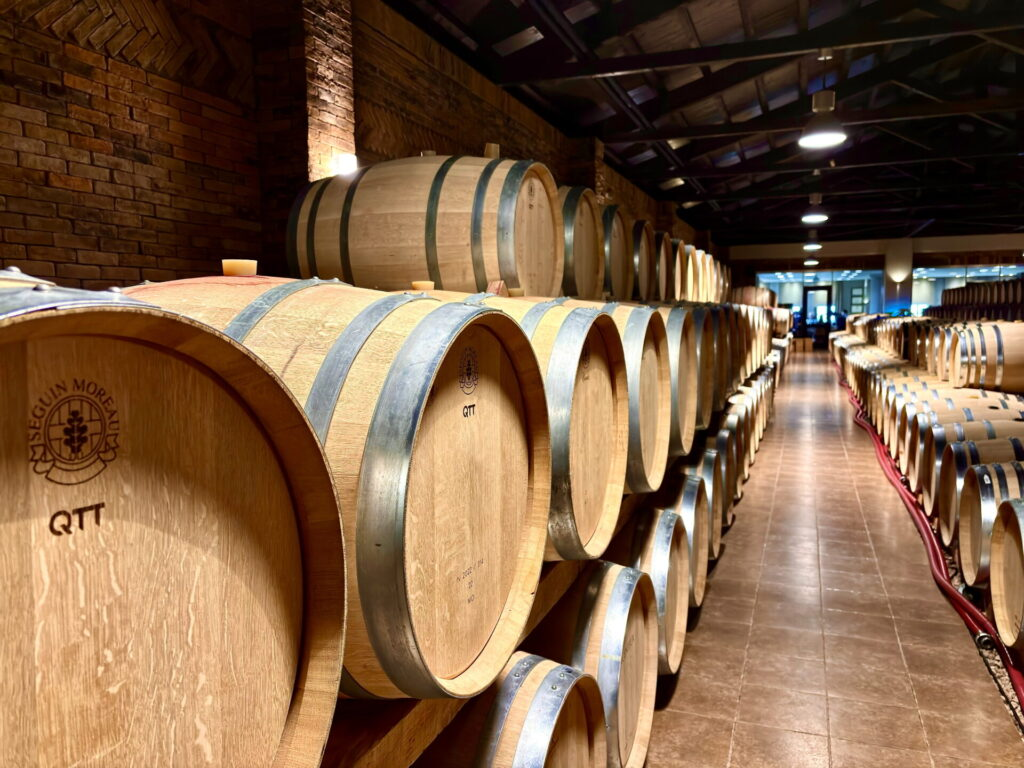
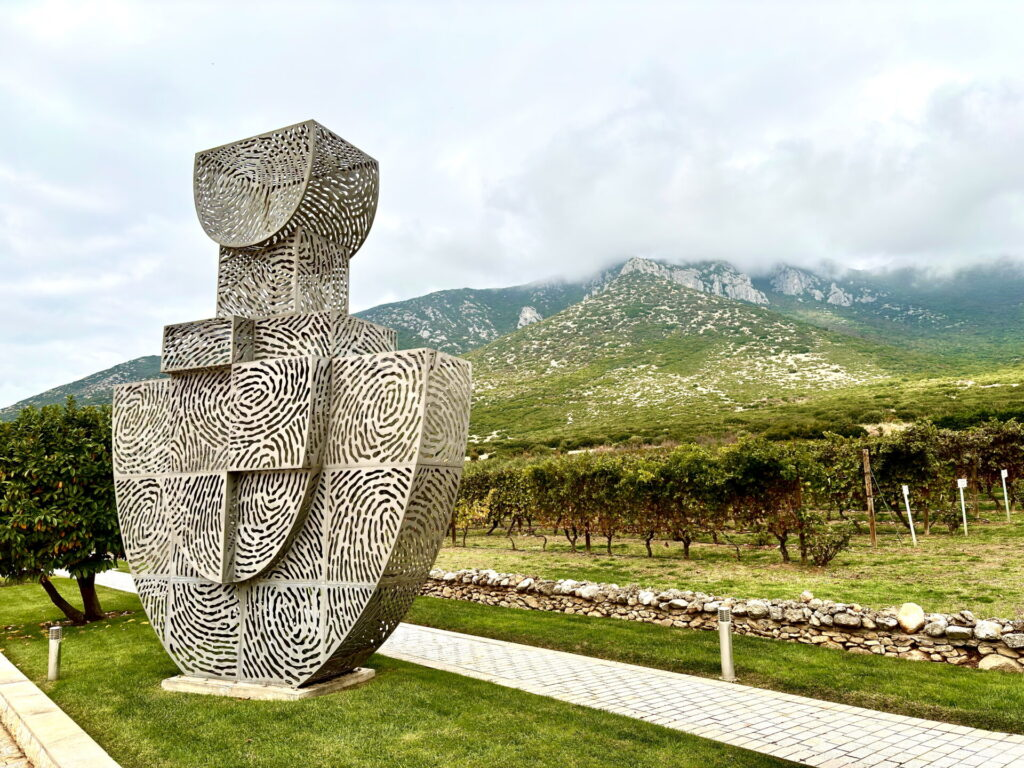
Our final stop was Ampeloeis Winery, founded in 2006 by the Tsiolas family. Its name derives from the ancient Greek word for “vineyards.” Located at 700 meters on Mount Symbolo, the family’s vines produce limited, high-quality yields. Ampeloeis was also the first Greek winery to use glass closures instead of cork. Their white Symfonia – golden-hued, aromatic, and slightly mineral – pairs perfectly with seafood or creamy pasta, though I prefer it alone as an aperitif, refreshing and elegant.
We ended the journey in Kavala, by the sea, watching the hilltop fortress and the old aqueduct. Sitting on a solar-powered bench that could even charge my phone, I realized that opening a bottle of wine – the product of labor, knowledge, and nature – is a small act of reverence. To see, smell, taste, and feel its lingering aftertaste is to touch upon a heritage that spans centuries.
The grape harvest was once a communal ritual; today, wine is a shared pleasure – alone or among friends. But now, we can visit the estates themselves, smell the barrels in the cellar, watch the bottling line, and talk with the people behind the bottles.


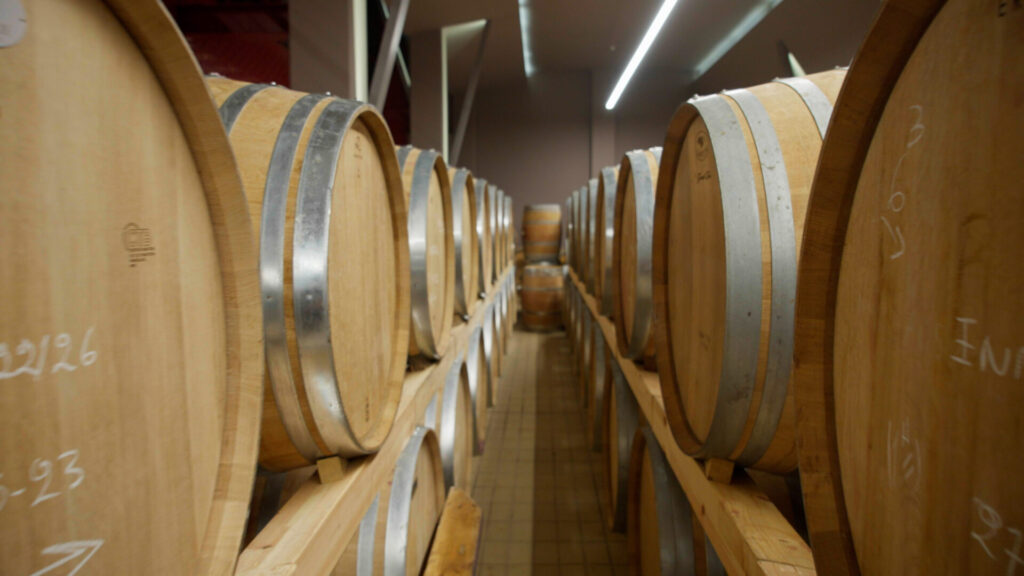
So reach out to the wineries, visit them, and experience for yourself the wine routes of Northern Greece.
Here’s to good wines – and good friends to clink glasses with.