 Pepi Nikolopoulou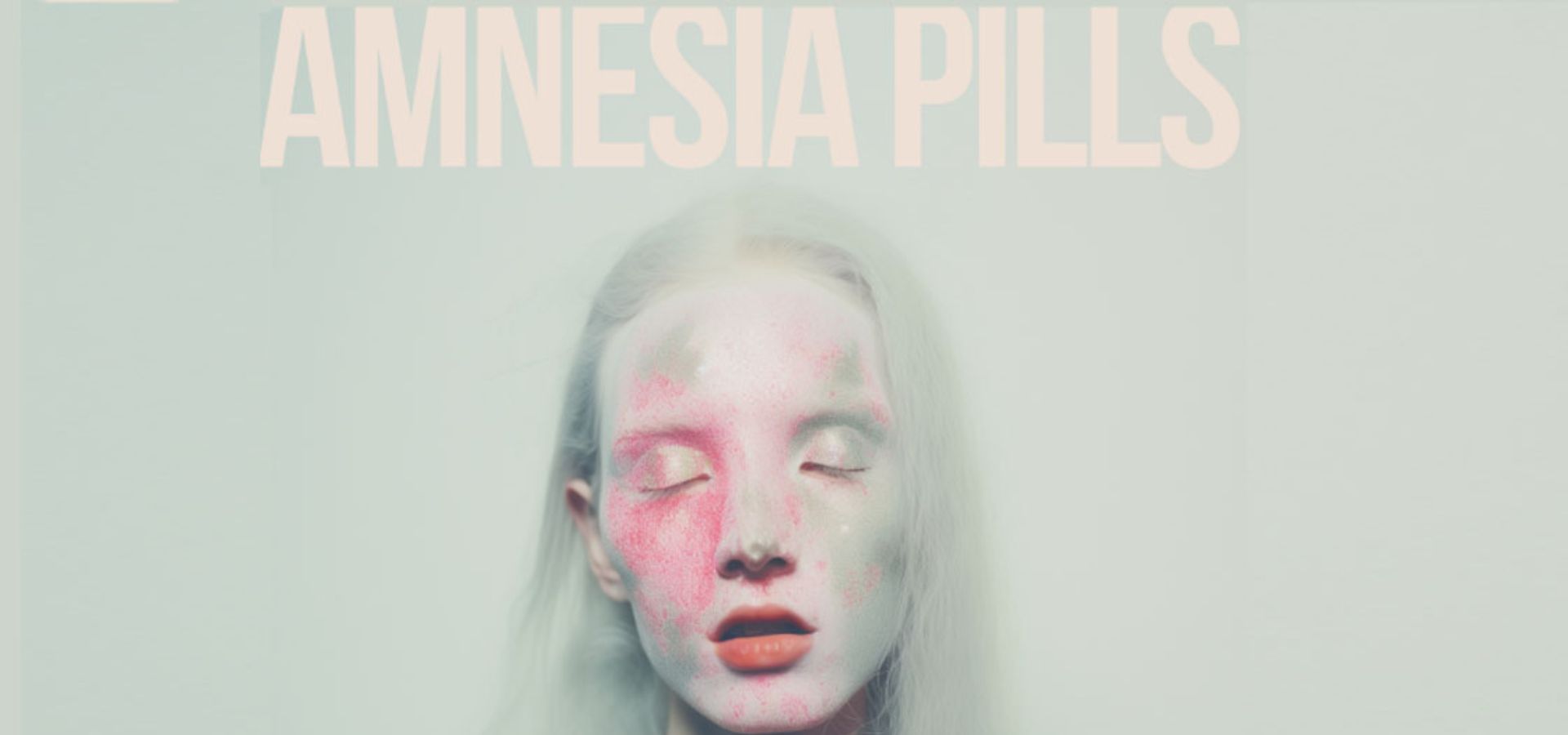
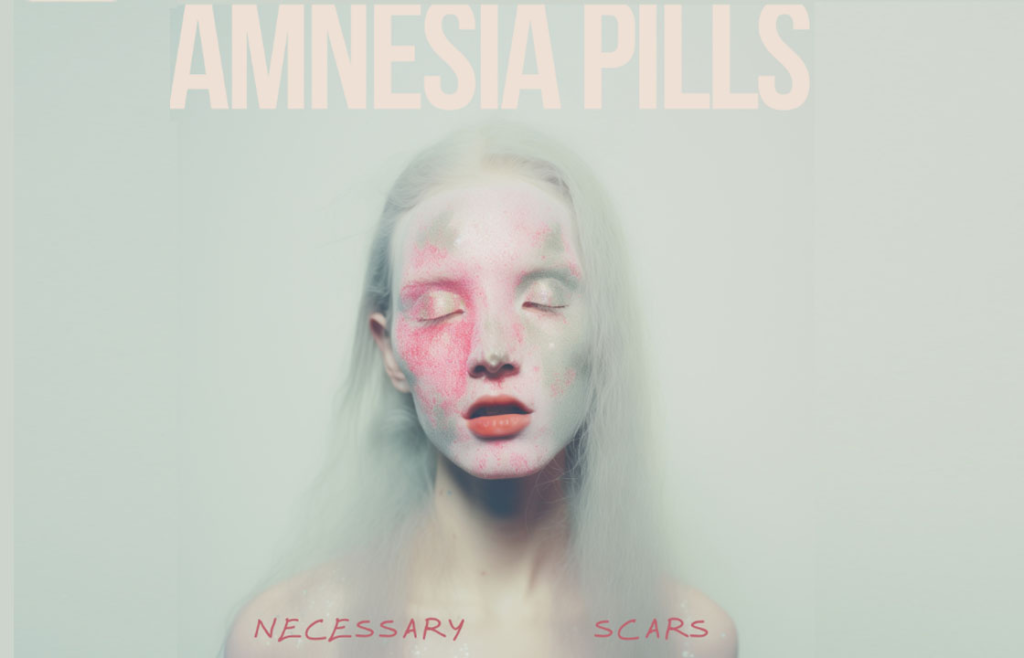
Amnesia Pills return with “Necessary Scars” and speak to elculture about emotional exhaustion, artistic growth, and music that stands the test of time.
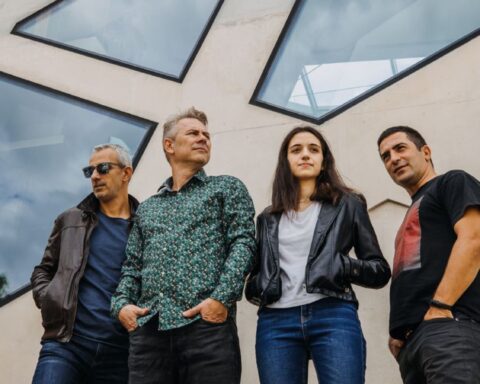
Two years after the release of their debut album Ripples in a Linear World, Athens-based alternative band Amnesia Pills return with Necessary Scars, a cinematic and introspective EP that explores emotional fractures, personal transformation, and the invisible marks left by contemporary life. Balancing melancholic atmospheres, dark alternative textures, and deeply reflective songwriting, the band continues to craft music that feels both personal and universally resonant.
With more than 200,000 views on YouTube, the lead single “It Would Be a Shame” has already signalled a strong response to the band’s return, two years after their debut album Ripples in a Linear World.
In this conversation with elculture, Stavros Piladakis and Giorgos Bilios discuss the emotional landscape behind the new release, the challenges of navigating an increasingly turbulent world, the role of storytelling in their songwriting, and the state of Athens’ alternative music scene today.
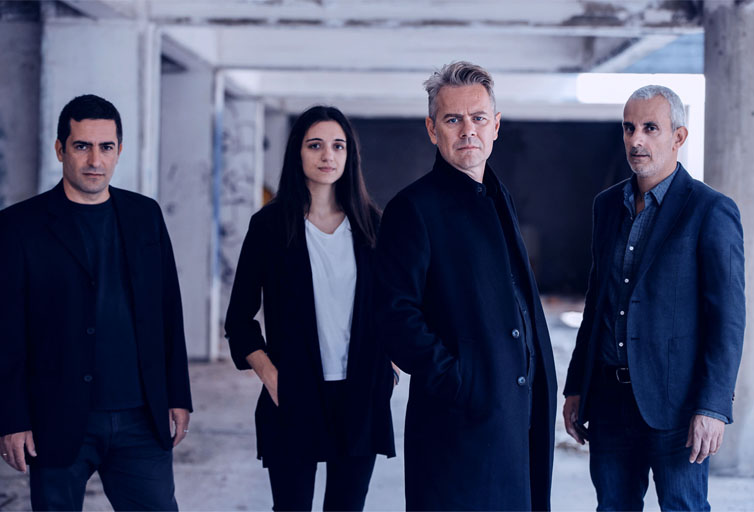
Two years after Ripples in a Linear World, what has changed in the way you see yourselves and your music?
Stavros Piladakis: It is important for us to keep exploring music’s possibilities and evolving as artists, while continuing to create music that we genuinely enjoy. During these past two years, we have gained greater confidence. I believe we have managed to develop a sound that is, at the very least, recognisable as our own. Nowadays people listen to so much music that often sounds alike, so maintaining a distinct identity feels increasingly important.
In the press release, you mention decay, inertia, and the internal fractures of contemporary urban life. Do you think we are living in a period of greater emotional exhaustion?
Stavros: We have experienced so much over the past years: economic crisis, the pandemic, and the challenges keep coming. Wars are unfolding around us, and the rise of AI is expected to bring profound changes, many of which some people view with concern. All of this accumulates within us and inevitably affects our emotional state. It can become difficult to hold on to what truly matters, to create a safe harbour amid all this uncertainty.
Your music often carries a cinematic quality. Were there any images, films, or scenes that inspired the creation of this EP?
Stavros: Art functions through dialogue. It generates stimuli and, to a great extent, feeds itself in return. Books, films, and theatre productions inevitably leave traces within us and can resurface in ways that are neither conscious nor specific. In the case of this EP, however, the strongest inspirations came from society itself, from the people around us, and from our own personal experiences.
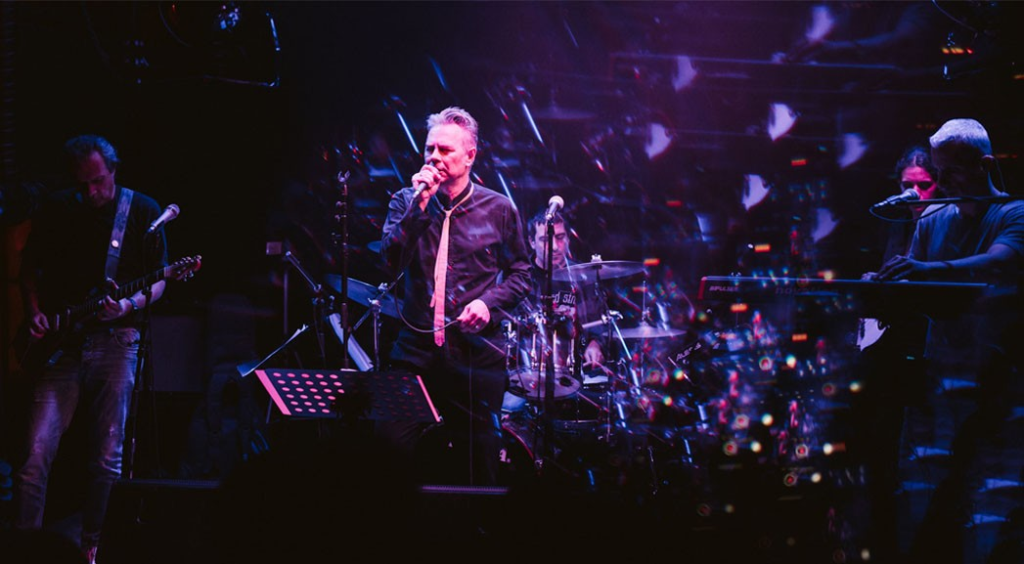
Your lyrics often feel more like internal monologues than conventional narratives. Does songwriting begin with a personal experience or with an atmosphere you want to capture?
Stavros: There is always a story. The way that story is communicated varies. Sometimes it takes the form of a monologue, sometimes it addresses someone directly in the second person, and occasionally, though more rarely, it unfolds as a third-person narrative. Ultimately, it is the story itself that determines the form.
“It Would Be a Shame” has already surpassed 200,000 views. Were you surprised by the response, or did you sense from the beginning that the song had a special momentum?
Giorgos Bilios: Views are obviously important because they indicate a certain level of acceptance and reach. At the same time, they do not necessarily reflect a song’s true value. Value reveals itself over time and is built through our relationship with listeners. Personally, I am always pleasantly surprised when something we create resonates with more people than we expected. It means that, somehow, we become more connected. Endurance through time, however, remains the real challenge.
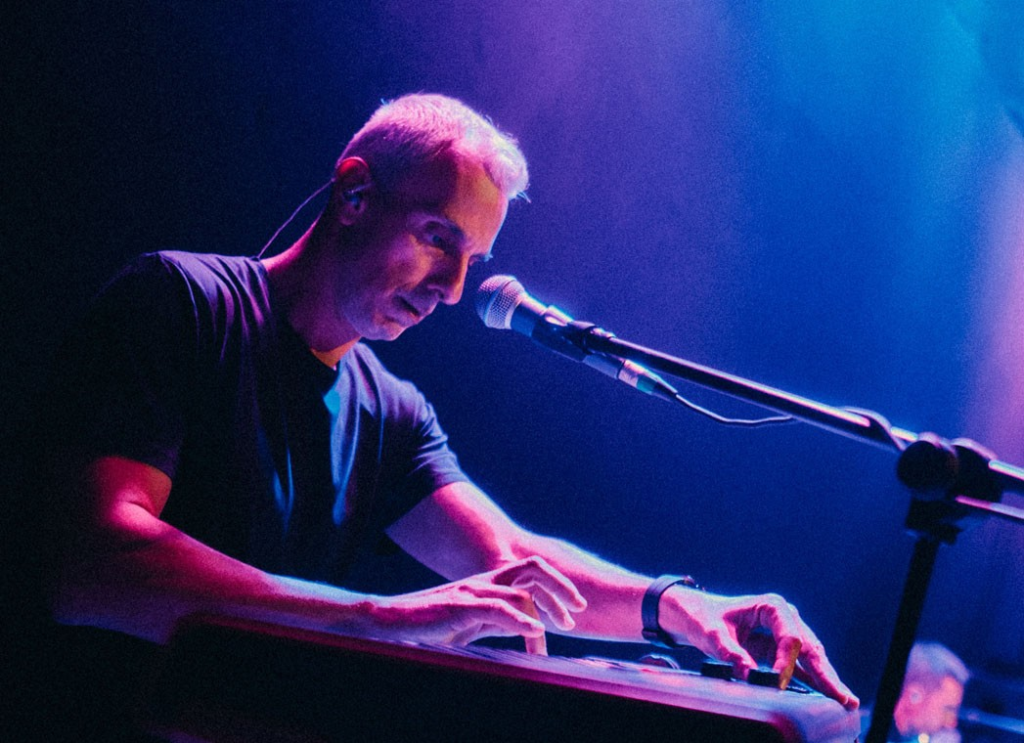
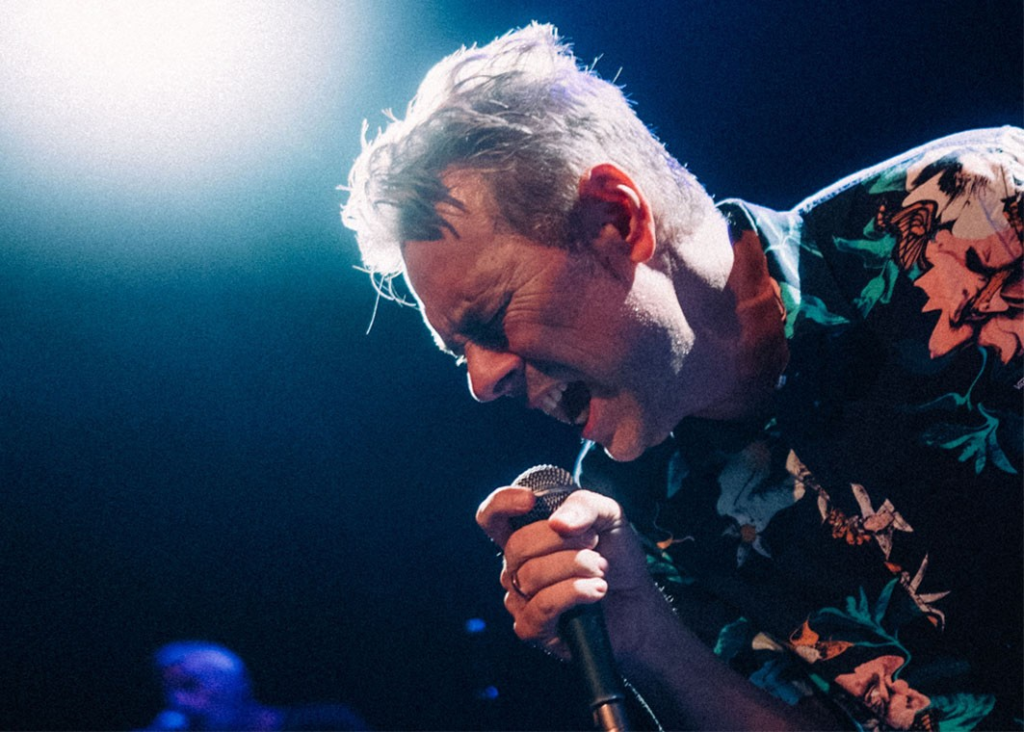
Amnesia Pills belong to a generation of bands releasing music in a very different landscape from previous decades. How do you view the Athens alternative scene today?
Giorgos: I believe there will always be people who approach music with passion. The digital era has accelerated everything. On one hand, we have a much larger volume of releases. On the other, information rarely has the time to settle within us. We move on too quickly because there is always something else to scroll to. We create playlists rather than listening to complete albums. Creatively speaking, there is still a lot of interesting work being produced. However, my impression is that the English-speaking scene in Greece is currently going through a quieter period.
Is there a sense of community among bands, or does everyone mostly operate independently?
Giorgos: Creative exchanges are always happening, and we are very much in favour of them. We have collaborated with artists such as Thaliah, Lou is, and Yosebu, both in production and in live performances. Part of it comes down to personality. Some people are more open to collaboration than others. Creation requires a degree of solitude. Sharing that creation, however, requires openness and connection. And it is only through that connection that you can truly share what you have made with others.