
 PEPI NIKOLOPOULOU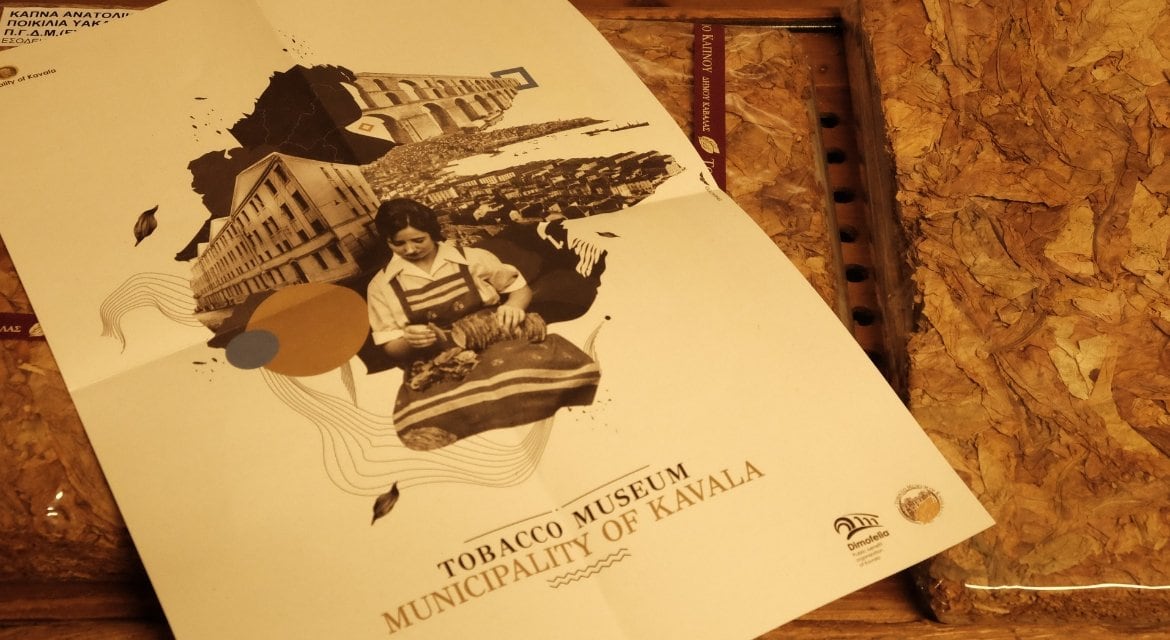
Kavala was known as the Mecca of tobacco.
Kavala is a city rich in history. From theneighbourhood of Panagia, which includes the part of the old city declared as “traditional neighbourhood”, the old town of Kavala hosting the square of Mehmet Ali and his “konaki”, the lighthouse, the church of Panagia, Imaret and the new side of the town, you can have a glance in the past and imagine for a while the life of our ancestors in modern history.
In the mid-nineteenth century, Kavala, developed into one of the most important tobacco processing centers in Balkans, attracting the commercial interest of the Habsburg Empire, England, France, Egypt, and even the United States. It was known as the Mecca of tobacco for two main reasons: on the one hand, its proximity to areas where the excellent variety of tobacco “basmas”, the local variety that became famous for its aroma and good taste was cultivated and on the other hand, its port offering amazing opportunities for tobacco exportation. Exports were directed to Austria, Russia, England, Egypt, France, and the United States. While the first tobacco trading firms were owned by Ottomans, Armenians, Jews, and Greeks, later on, there was a dynamic entry in the –up to then- mostly local market, by strong companies and corporations from many other European countries.

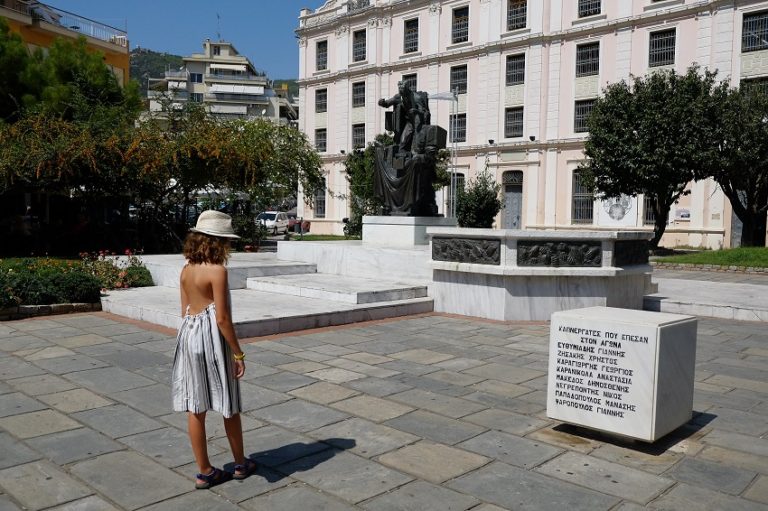
(Note: The monument is the creation of Demetrios Armakolas, one of the most important contemporary Greek sculptors. The monument was placed in the square of the same name in 1986).
Museum of Tobacco of Kavala
The Tobacco Museum was founded in 2003 in order to shed light into a sector that affected the city and its inhabitants for many decades and pay respect to all those workers, traders, and entrepreneurs who worked effectively making Kavala one of the top tobacco trading cities in the world. The road is uphill but worth every meter since you can enjoy important city monuments – pass by the Kappnergatis Square with its imposing building and the Town Hall. Kavala is a city amphitheatrically built around the perimeter of its harbour, so we suggest to be prepare if you get lost. GPS directions misled us often but we manage to arrive. Do not be surprised by the first impression of the entrance: in front of a rather unattractive apartment building, a concrete building that except for the worn sign with the name of the Museum in small letters, nothing else betrayed the treasure that was hidden inside.

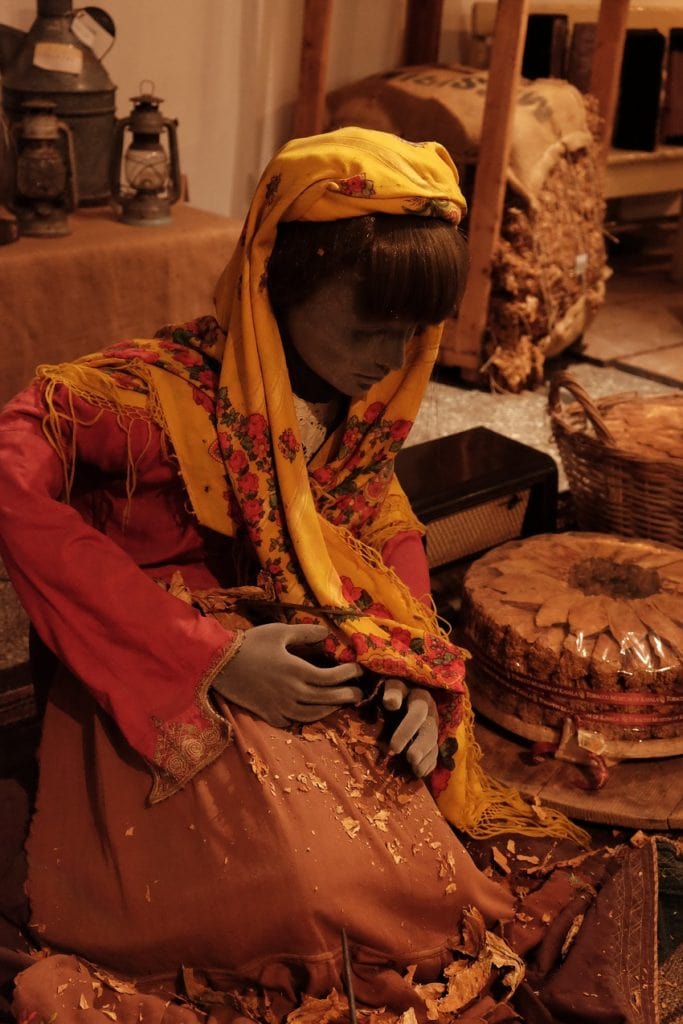
It is temporarily housed in the ground floor of the former Greek Tobacco Organization, which was granted to the Municipality of Kavala by the Ministry of Rural Development and Food. A building incongruous with the memories it holds.
Unfortunately we soon discovered that a guided tour is usually unavailable and any kind of information next to the exhibits is almost non-existent. I had to look for information in other sources which I have listed here. But the atmosphere was surely special.
Exhibits and history
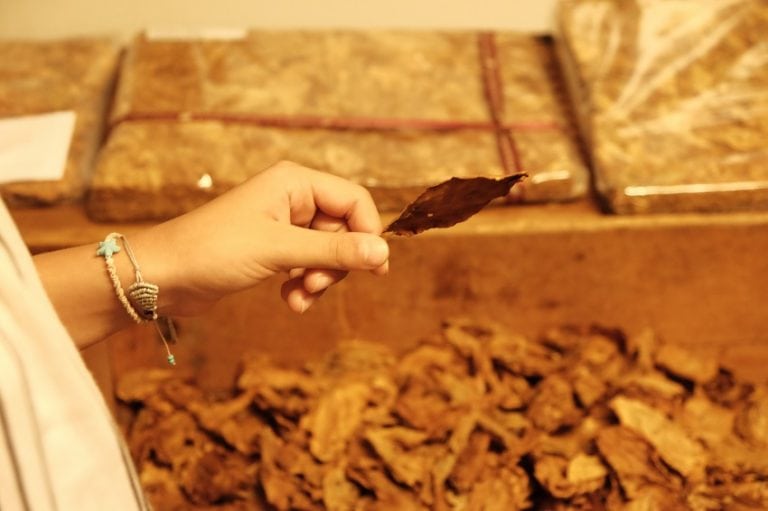
The museum houses artifacts and archival material on the cultivation and production of tobacco, its agricultural and commercial processing, industrial tobacco products and tobacco samples.
Bundling needles, scales and balances, sifters and mixers, baling boxes, vices and shovels. You can see samples of tobaccos from all over Greece: bassa, basi-bagli, kaba-koulak, tsebelia and musk, bundles of classical and commercial processing, pastel and quintessence, togas and bastunieres.
Enriched photographic material, both of the production process and of the people who played a key role in that period are on display. The tobacco workers and their fighting spirit and passion for better living conditions for themselves and their families constantly on the move.
The first strike recorded in February 1879, the first strike of tobacco workers in Ottoman Empire was recorded there. It lasted for 15 days, and 3.000 tobacco workers participated. Since then, a number of big strikes took place at 1896, 1904, 1905, 1912, and at 1914, this last making the front page news in national newspapers for many days, being particularly intense, with the participation of 20.000 tobacco workers.
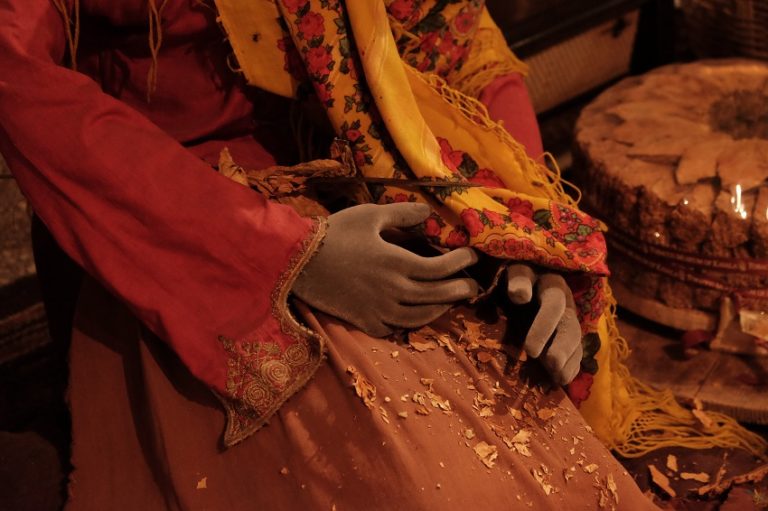
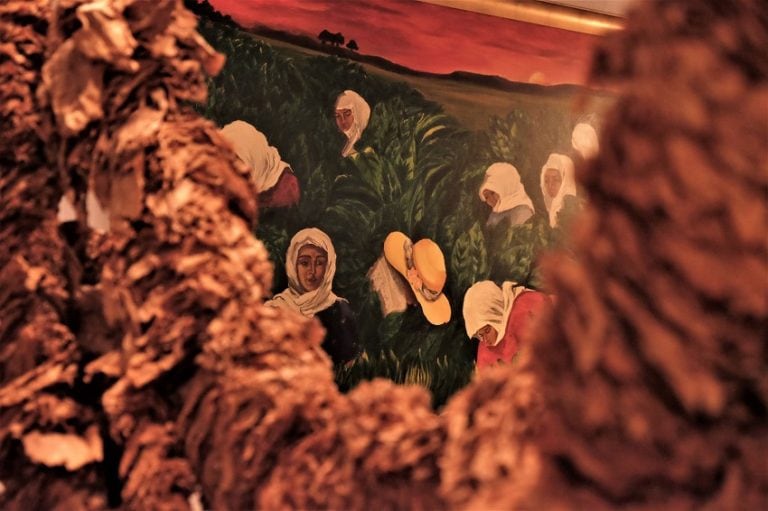
The radicalization of tobacco workers was further increased after the introduction of “tonga”, a tobacco pressing machine (the leaves are separated qualitatively and are not immediately bundled, but are crumpled in the presses to be bundled later). The implementation of the above new technology was combined with an effort to cut back labour costs. The Benveniste company, one of the biggest companies at the time suddenly announced the dismissal of all male tobacco workers. So, initially, only women were allowed to operate them, since their wages were lower than men’s. The violent strikes that erupted were faced by the government by issuing legislation which restricted the right to strike.
Demonstrations, arrests, violent incidents, injuries and deaths are the elements that characterise that tragic period. C. Pegios, a member of the committee set up by the illegal tobacco workers’ trade union apparatus to coordinate the struggle in the warehouses describes: “The picture presented by the tobacco warehouses was truly tragic. In all the windows of the tobacco warehouses, in which the workers were locked up, mournful black shawls were hanging and on large paper blue stickers were written the slogans ‘men in the toga – bread – water’. The evening hours were nightmarish for all the inhabitants of the town. About five thousand voices of men and women in the dead silence of the night became a chilling message for life and survival. Events unrepeatable and tragic…”
The crisis of 1932 caused the first phenomena of urban shrinkage in Kavala, with the emigration of 200 families to the area of Kilkis at 1934, who, under the circumstances, preferred to exchange work in tobacco factories with work in agriculture and farming (Vyzikas, Ioannis (2010): “Kavala, the Tobacco Mecca”. Vol. B’, Institute of Tobacco and Social Movements, Kavala.). Emigration from Kavala continued with fluctuations in the next decades, having as causal reasons the continuation of crisis in local tobacco industry. The introduction of Western type (Virginia) tobacco, which started being imported and cultivated in Thessaly and other places in Greece, affected negatively the consumption of the local type “Basmas” with which the local tobacco industry was working. Tobacco factories started moving from Kavala to Thessaloniki, and technology gradually substituted workers.
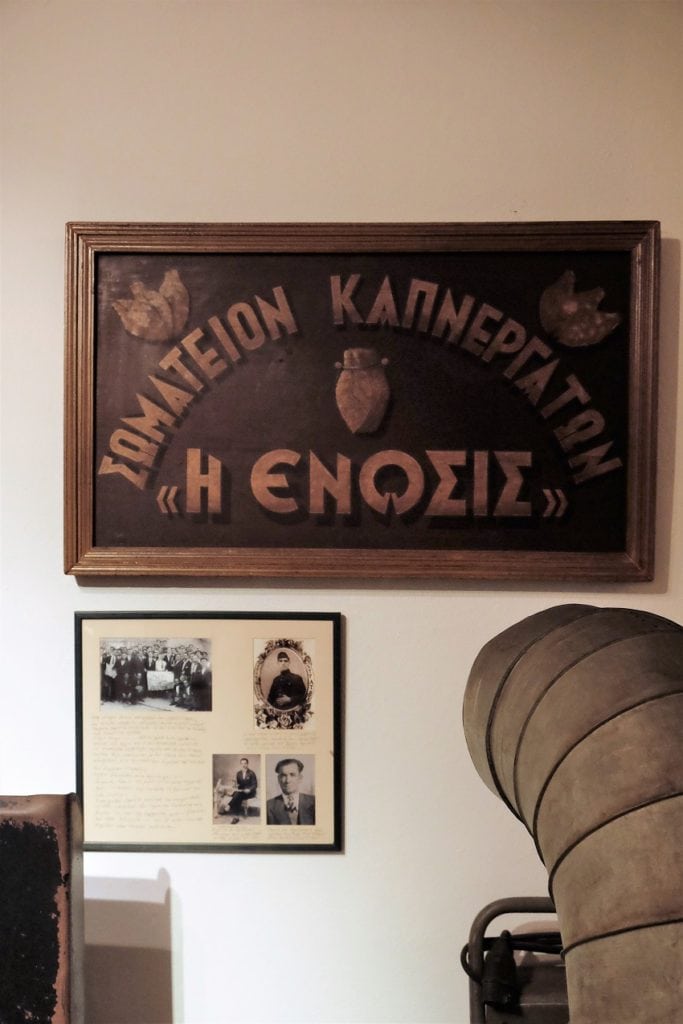
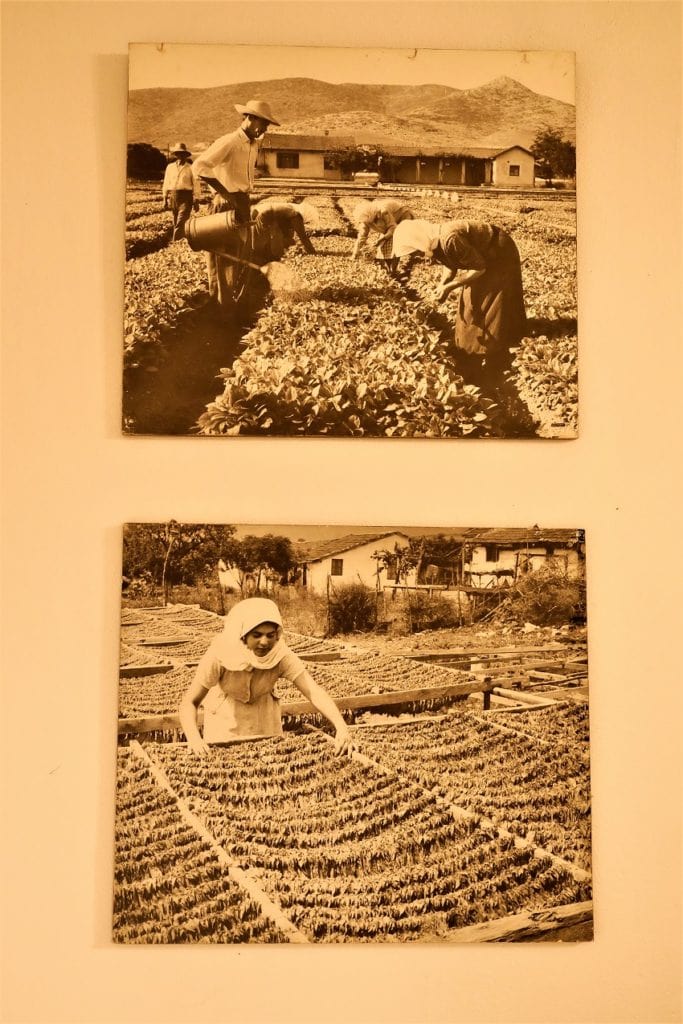
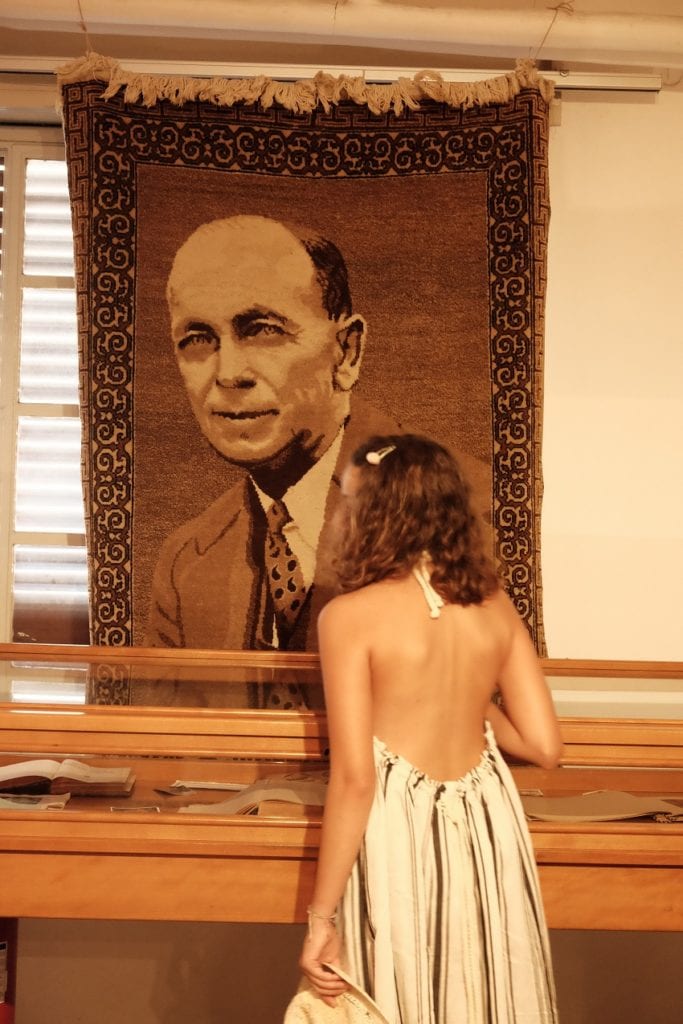
Images, highlighting recent and modern history of the city, familiar and vivid for the locals, recalling memories and emotions. Many of the exhibits, photographic archives and objects such as workers’ registers, have been donated by the local community, a gesture revealing the importance of tobacco in their lives. It defined their lives.
Many tobacco warehouses were demolished and some even burned. Nowadays, remnants of the tobacco era include few still standing houses of exceptional architecture, a still impressive set of warehouses saved until now, and the refugee neighborhoods which are kept with no major changes. But Kavala still remains beautiful and loved. So if you find yourself there, make a stop at the Municipal Museum of Tobacco – as a tribute to those who worked almost like slaves hoping for a better life. Hoping soon for the design of a modern Tobacco Museum.
… “I return to you now close to us, I enter with you in your own place in the fortress fortress of the tobacco factory of Kavala, I still breathe the stench of nicotine, while I see again before me the struggles of the workers as they fought for a little bread and those who perished for a better life. Struggles that must be at the forefront of the museum of work!…” writes Fotis Prasinis, writer.
Info
Tobacco Museum of Kavala | 4 K. Palaiologou St | 65403 Kavala
Tel: +30 2510 223344
www.tobaccomuseum.gr
Opening Hours
Monday to Friday: 08:00 – 16:00
Saturday & Sunday: Closed
General entrance
€2:00
Students, the unemployed and members of the military
€1.00
Children aged under 7 and people with disabilities
Entrance free

