 PEPI NIKOLOPOULOU
The historical aspect of salt and the unique experience of visiting Messolonghi and its museum
You cross the long road that literally bisects the lagoon, and the scene unfolds like something straight out of a movie. Palm trees, painted in shades of blue and brown, line the route. Your eyes dart left and right, soaking in the endless beauty. The broader lagoon area is a National Park, protected under the Ramsar Convention, but even more so by the natural environment itself, embraced by the surrounding mountain ranges of Varasova, Arakynthos, Petrotas, Koutzilaris, and the Klisoura Gorge.
The lagoon stretches out magnificently on one side, and from various vantage points, you can spot the graceful flamingos—some pure white, others in pink hues depending on their shrimp diet. These elegant creatures, the Holy Trinity of this serene landscape, strike such a pose that you feel compelled to capture them on camera. Near the shores, traditional local boats, known as “gates,” are anchored, adding to the surreal beauty of the water’s reflection.
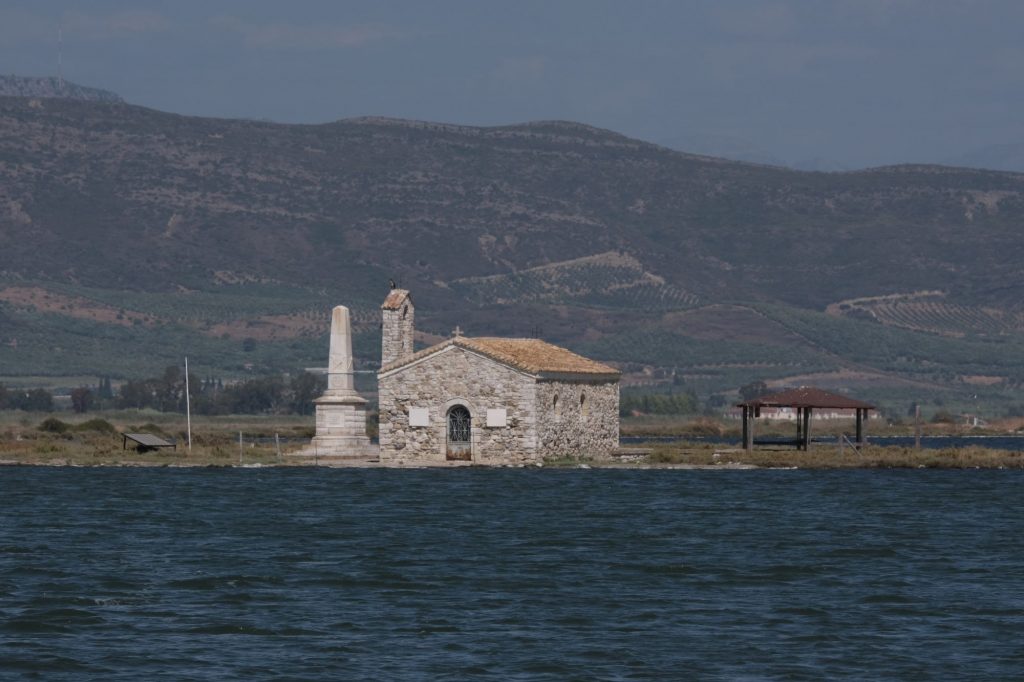
I had long wanted to visit this place, and the festival organized by Messolonghi By Locals provided the perfect opportunity. We paddled our way to the Holy Trinity chapel, passing clay-covered figures alongside a lively crowd of both visitors and locals. Since this sacred spot is so deeply connected to salt, a visit to the Salt Museum was an absolute must.
For generations, hundreds of families have made their living from salt, with 65% of Greece’s production coming from the salt pans of Messolonghi. “Without Messolonghi, life would certainly lack flavor,” I muse to myself as I step through the museum’s entrance, eager to uncover its history and secrets.


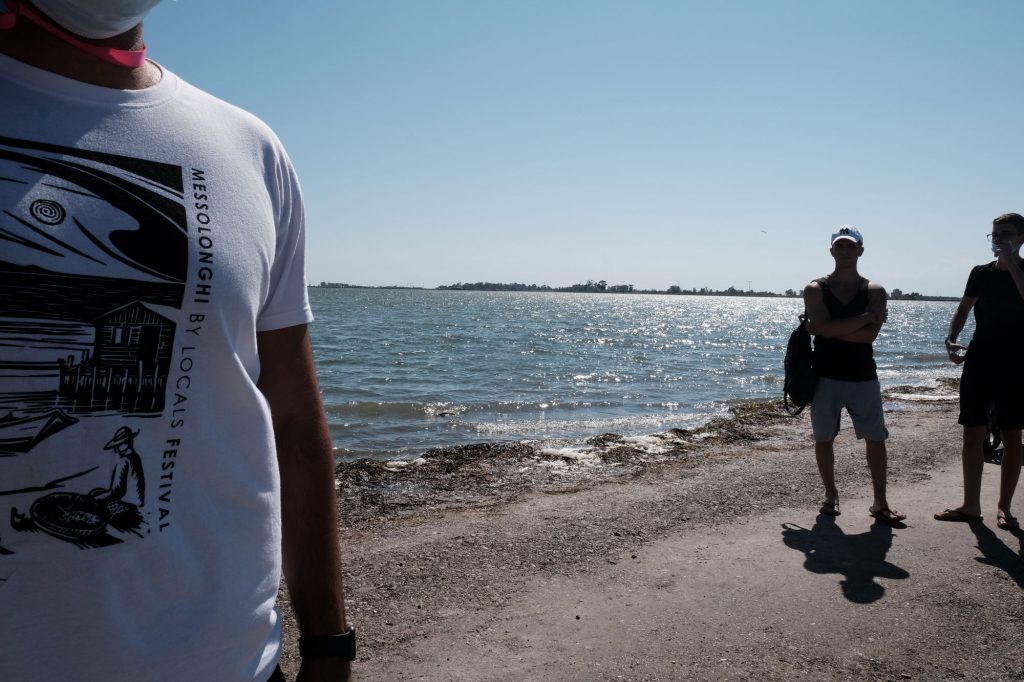
The Salt Museum—the first and only thematic museum of its kind in Greece—is situated in the Messolonghi lagoon, right beside the salt ponds of Tourlis. It was founded by Nikos Kordosis and his wife, Despina Kanelli, as a private initiative through the art and culture center “Diexodos.”
At the cashier’s desk, a sweet and kind young guide unexpectedly offered to show us around—a delightful surprise, especially for a small museum. This pleasant surprise continued throughout the tour, as the space had been meticulously reconstructed with both respect for its historical purpose and evident passion.
Housed in a 1930s building known as “thalamos,” the museum’s structure originally served as a residence for salt workers from Messolonghi and the Ionian Islands who came to harvest salt. Between 1970 and 1982, it was repurposed as a straw storage facility for feeding the horses that pulled salt wagons. After being abandoned in 1983, it was later entrusted to the “Dilexodos” center and restored by the museum’s founders, with significant donations from supporters and the municipality’s assistance.
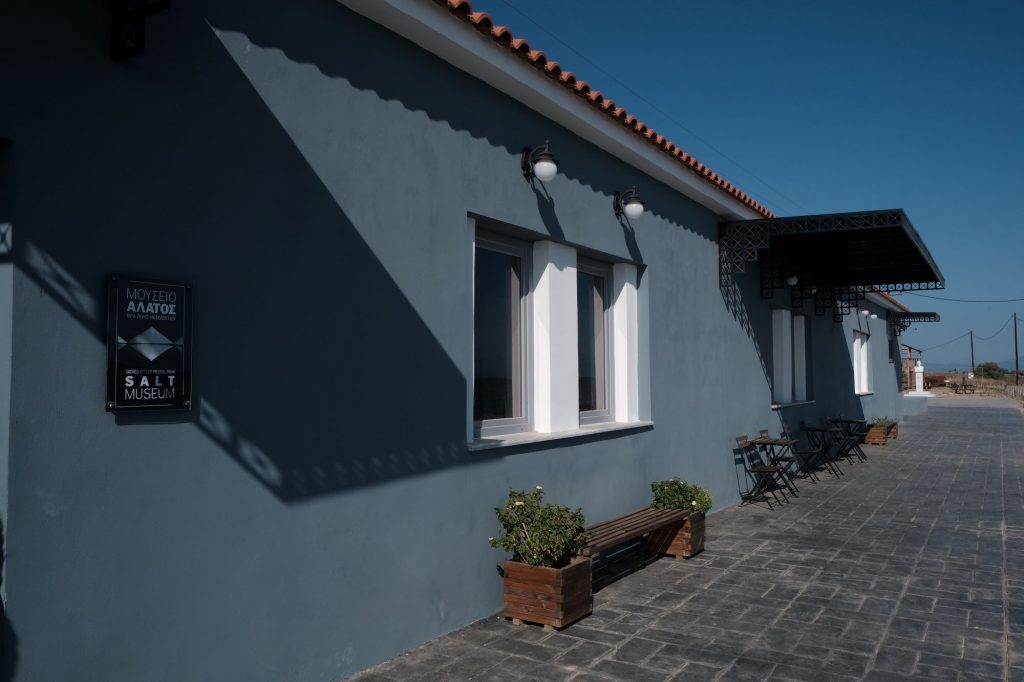
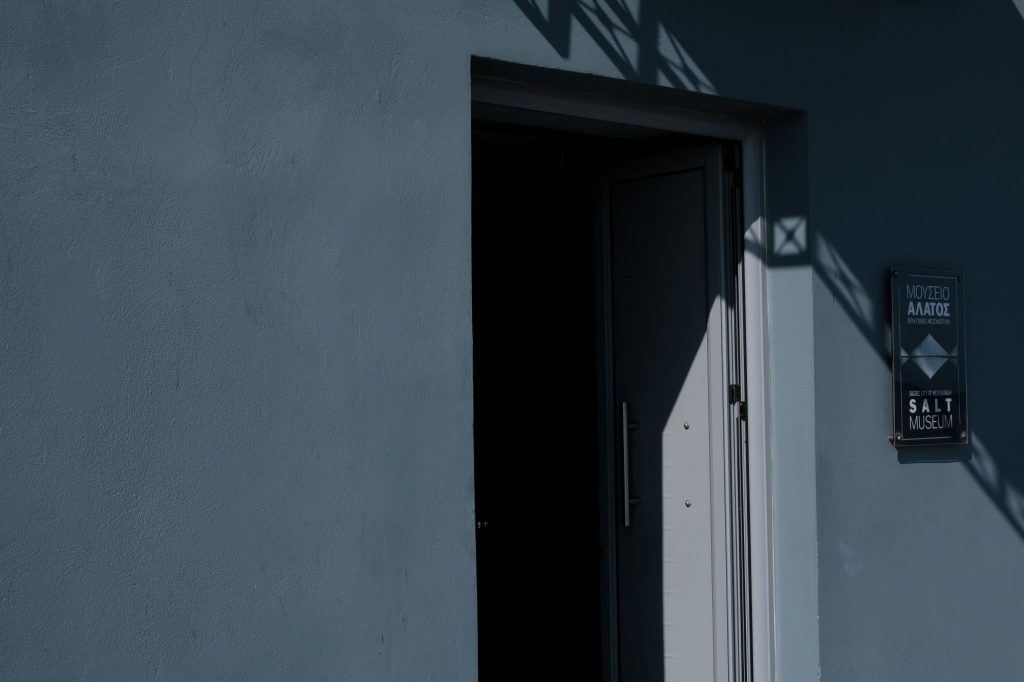


The Salt Museum features five thematic rooms where visitors can explore everything related to salt, from its earliest recorded use in 6,000 BC China to Halst in Austria from 3,000 BC, and its significance in Egypt and the early Cycladic civilization. The exhibits cover salt’s historical connections to the economy, health, agriculture, livestock, the environment, tourism, and religion.
The salt pans of Messolonghi date back to the 14th century, with the salt they produced becoming a significant export commodity. As we learn at the Museum, the first written record of Messolonghi’s salt trade appears in Venetian archives from 1418, detailing ships from Ragusa (modern-day Dubrovnik) arriving to load salt.
One of the most striking aspects is the variety of colors salt can take on around the world—it’s not always white. We also learn fascinating insights into the etymology of many cities, tracing their names back to the ancient Greek word “alsa,” meaning both salt and sea. Cities like Alsace, Salina in Cuba and Italy, Puerto Rico, Salzburg in Austria, and Halle in Germany all share this linguistic heritage.
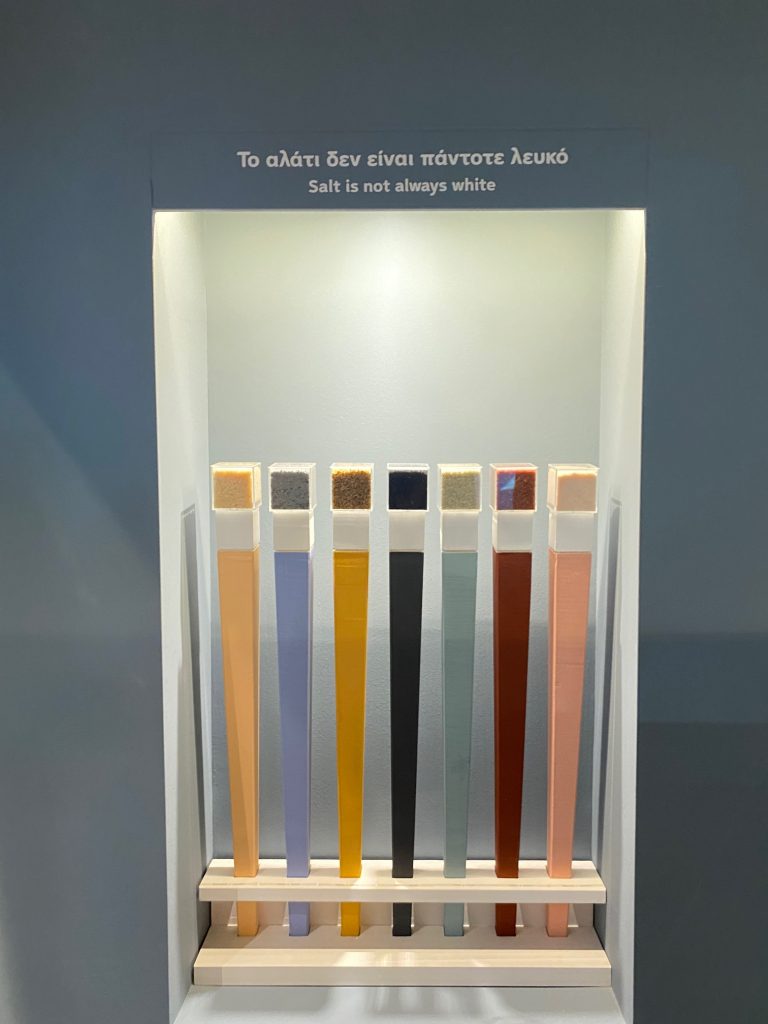
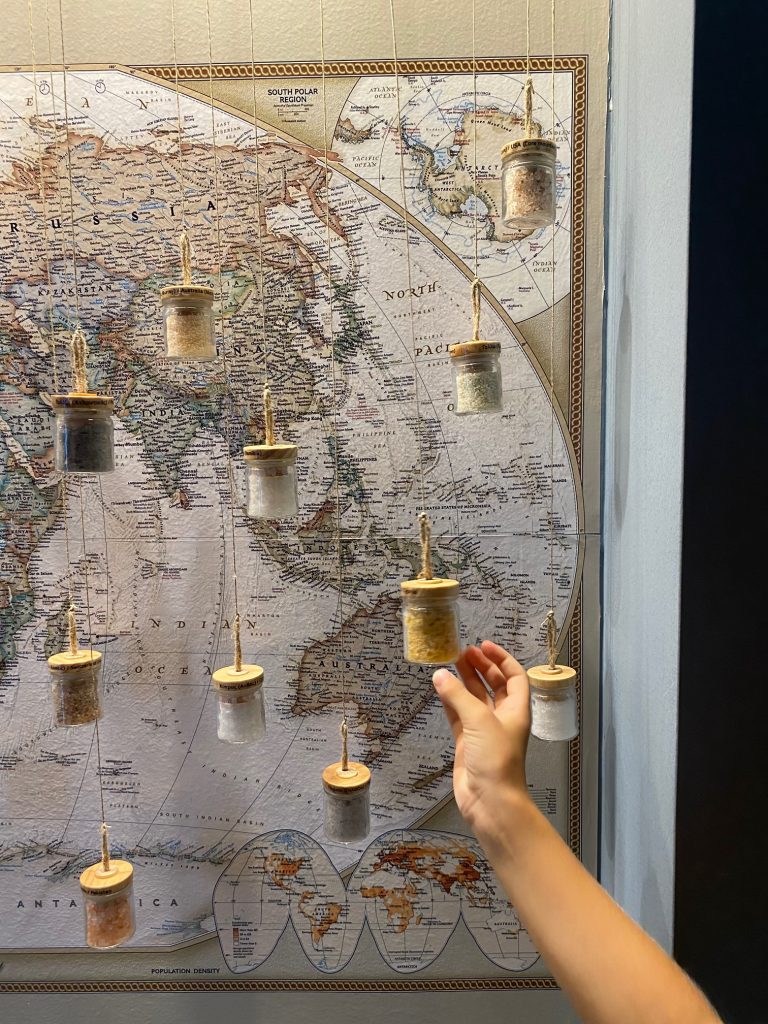
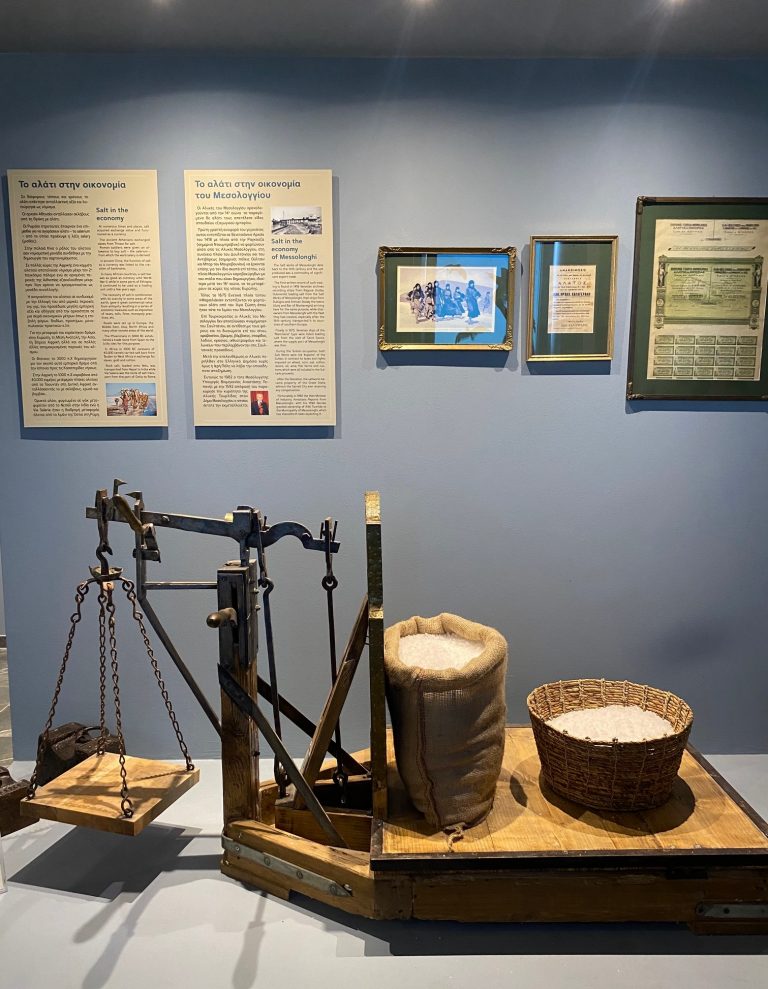
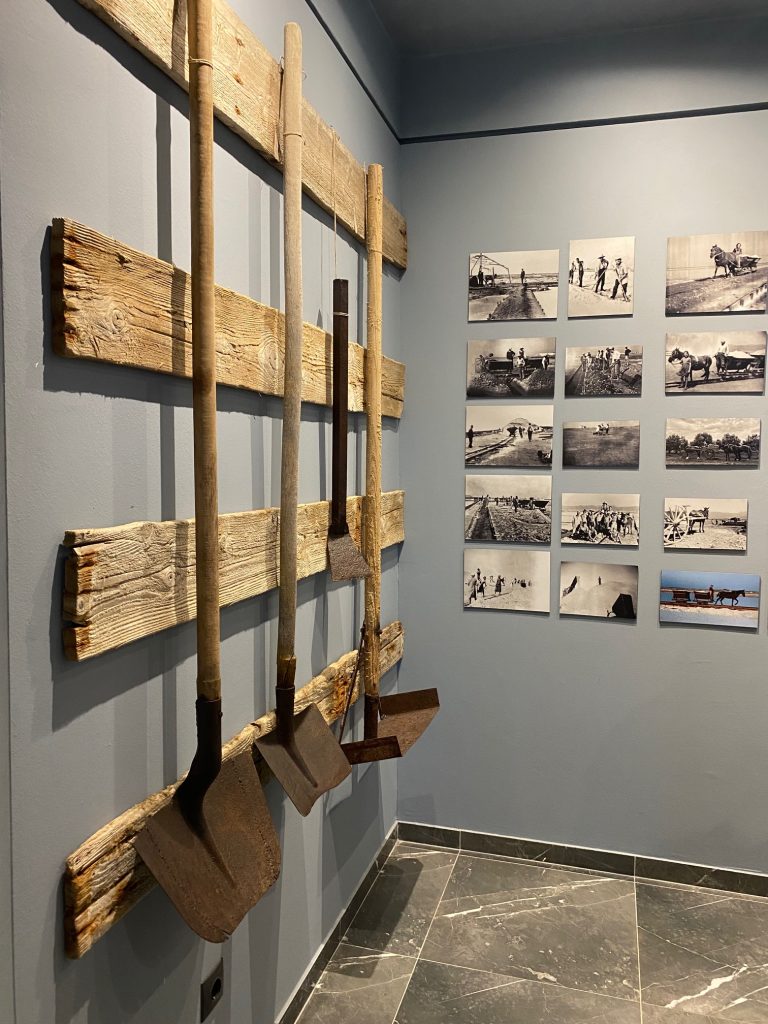
In the second and third rooms, the emphasis shifts to salt’s significance in the economy and animal husbandry. We learn about the practice of “salting” the so-called “missing plates”—domestic herbivores have always had a natural craving for salty sources. Recognizing this need, farmers built special structures called “salting” stations to provide salt for their livestock.
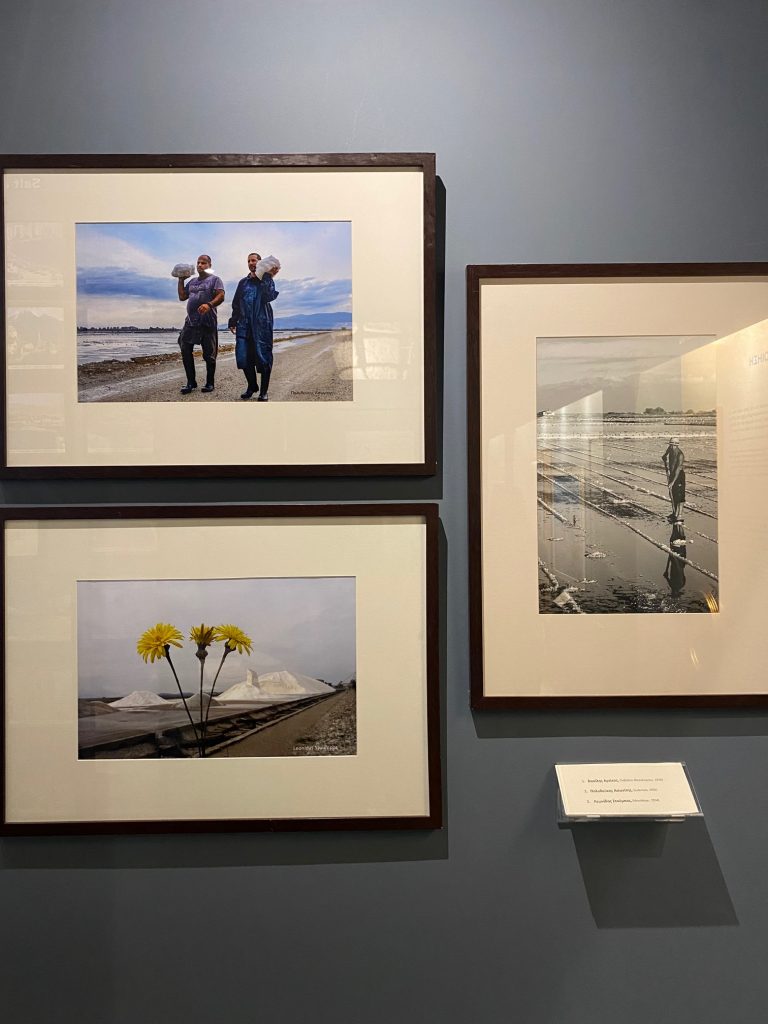
In many regions, salt held immense value as a trade commodity and even served as a form of currency for extended periods. Roman soldiers, for instance, were given a stipend known as the “salarium” to purchase salt, a term that later evolved into the word “salary.”
The third room is dedicated to the influence of salt on literature, art, religion, tourism, and culture at large. Here, we encounter poems celebrating salt’s symbolic and practical roles, and we learn about breathtaking landscapes—salt flats that have become iconic tourist destinations, such as the vast Salar de Uyuni in Bolivia. These saline wonders have transformed into natural attractions, merging their rich history with modern tourism.
“Through your foam, lagoon
like something carved and wild
like something worked by the poet’s hand
Here is the clear crystal, here is the snowy salt.”
writes Costis Palamas, while Nikiforos Vrettakos adds,
“Perhaps it is your mother’s salt
that today has brought me to the sea, close to you.”
These poetic lines beautifully capture the deep connection between salt, nature, and human emotion, highlighting how salt transcends its simple physical form to inspire art and reflection.
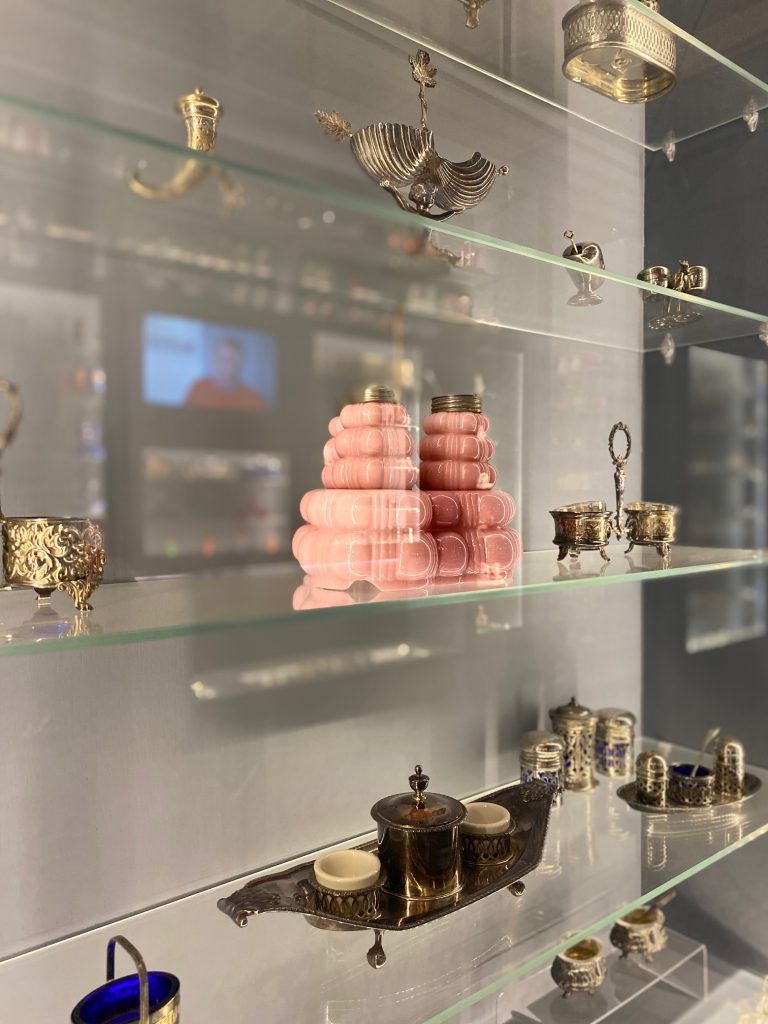
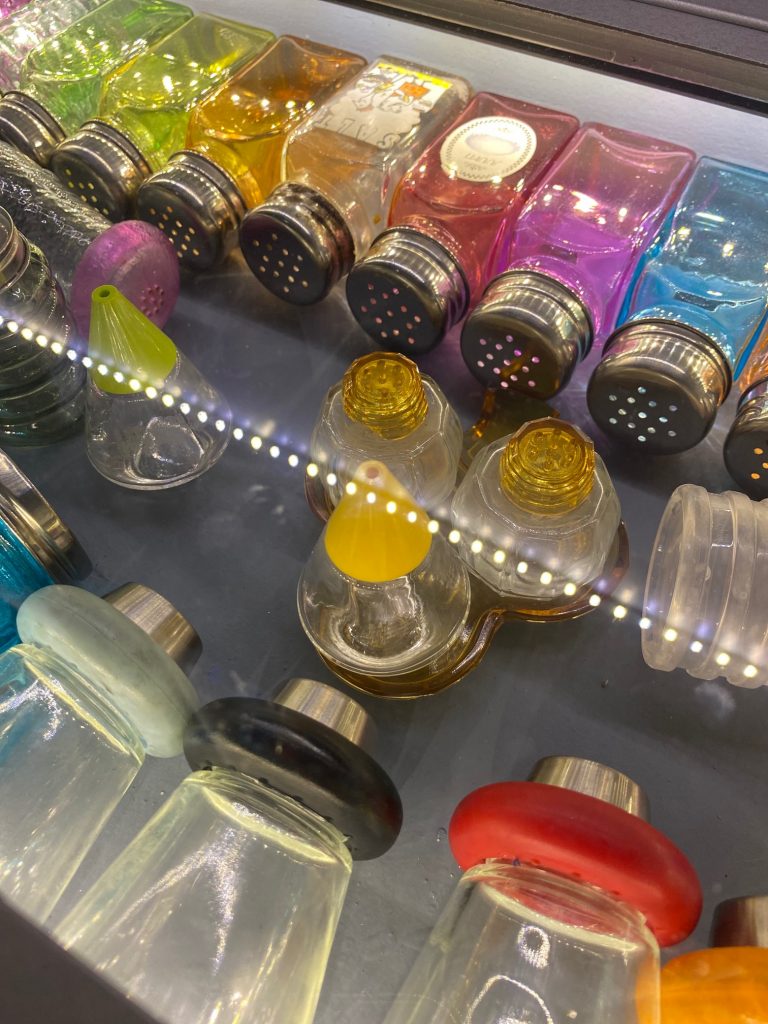
In the fifth room, 1,500 handmade and industrial salt cellars are showcased, crafted from a wide range of materials including glass, metal, plastic, wood, silver, porcelain, ceramics, and other unique materials from around the world.
One detail that particularly amazed visitors, especially younger ones, was the mention of the vast array of everyday products containing salt, such as clothing and detergents. My youngest daughter, in awe, wrote in the visitors’ book upon leaving: “Certainly the story of salt is not what one might have imagined. Almost everything we have in our house has salt in it.”
The museum also offers audiovisual material—photos and videos—that provides visitors with a comprehensive understanding of salt and the important role Messolonghi played in its production and distribution.
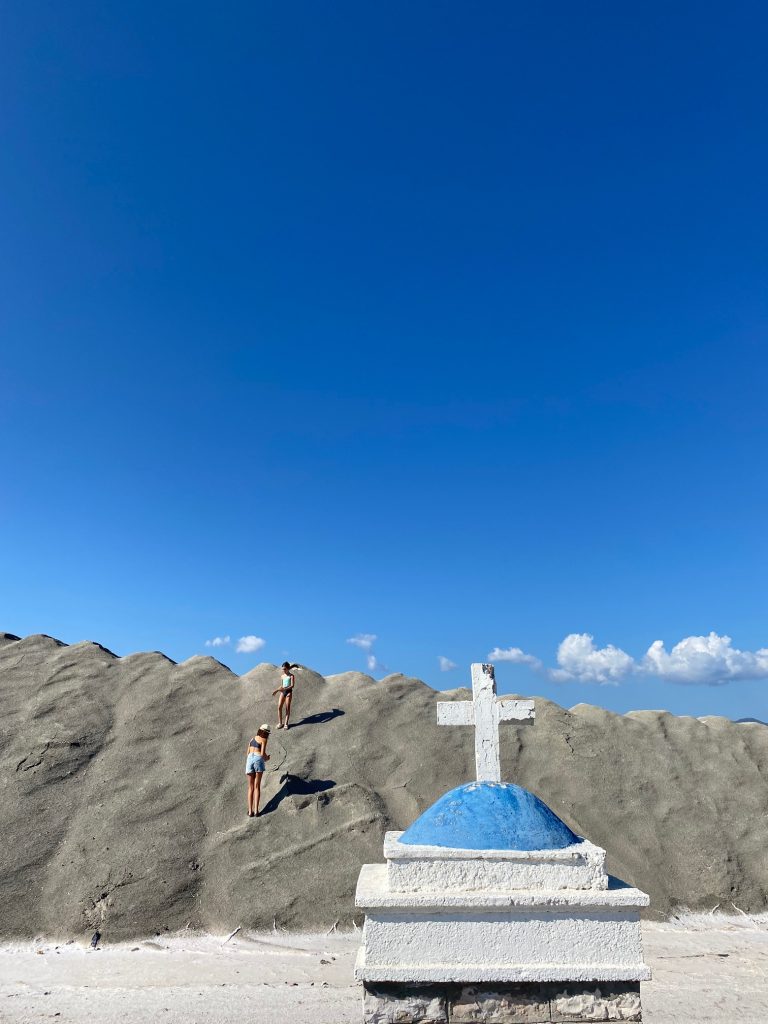
As we bid farewell to the Museum, we found ourselves walking on a mountain of salt, a path that, with each step, reminded us of nature’s quiet wisdom.
“This salt of the salt cellar, I saw it in the salt marshes.
I know you won’t believe me, but it sings,
the salt sings, the saltskin sings
With a mouth stuffed from the earth.”
These lines from Pablo Neruda’s Ode to Salt evoke the vibrant essence of salt, celebrating its connection to the earth and its ability to resonate with life and nature. Through Neruda’s poetic lens, salt transcends its ordinary role, becoming a living entity that sings of its origins and significance.
All photos: Pepi Nikolopoulou
Info
Salt Museum, Tourlida, Messolonghi, 302 00
Visit site www.saltmuseum.gr
The museum is open from Wednesday to Sunday all year long
Opening hours 10:00 – 17:00